
If you’re anything like me, the sweet taste of fresh mango is hard to resist. But did you know that growing your own mango tree from seed can be a fun and rewarding experience? With a little patience and care, you can enjoy this delicious fruit right in your own backyard. But where do you start? Choosing the right seed, preparing it for planting, and providing the right conditions are all crucial steps to ensure your mango tree grows strong and healthy.
In this article, we’ll take you through every step of growing a mango tree from seed, covering selection, preparation, planting, and care. By following our comprehensive guide, you’ll be well on your way to harvesting juicy mangoes in no time. We’ll also share expert tips and tricks for overcoming common challenges that can arise during the growth process. So, let’s get started on this exciting journey of growing a healthy mango tree from seed!
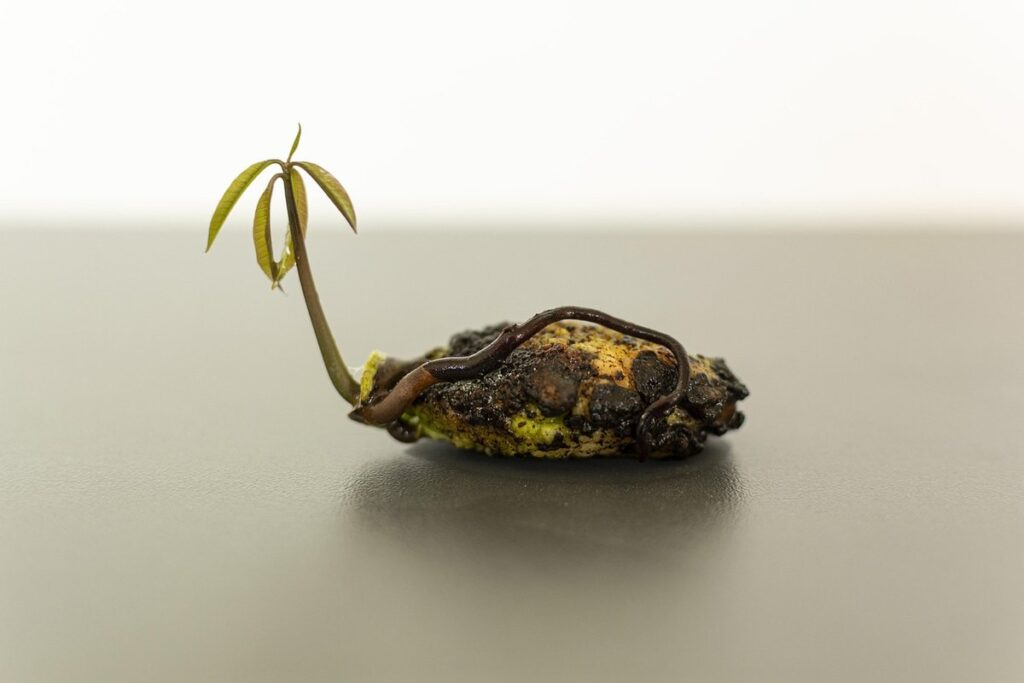
Choosing the Right Mango Variety
When it comes to growing a mango tree from seed, selecting the right variety is crucial for success. Let’s explore some popular options and what makes them ideal for home growers.
Selecting a Suitable Species for Your Climate
Mango varieties differ significantly in their climate requirements. When selecting a suitable species for your area, consider factors such as temperature range, humidity, and sunlight exposure.
Some popular mango varieties thrive in warm climates with temperatures between 64°F to 90°F (18°C to 32°C). Examples include ‘Haden’, ‘Kent’, and ‘Ataulfo’. These varieties are well-suited for tropical regions. However, if you live in a cooler climate or area with frost, you may want to consider other options.
On the other hand, varieties like ‘Bangalore Blue’ and ‘Neelam’ can tolerate cooler temperatures, making them suitable for subtropical climates. When choosing a variety, research its specific requirements and ensure they align with your local climate conditions.
Before planting, assess your area’s microclimate and choose a variety that will thrive in those conditions.
Understanding Mango Seed Characteristics
When selecting a mango seed for germination, it’s essential to consider its characteristics. A good quality seed is crucial for successful growth, and one key aspect to look out for is size. Mango seeds can vary significantly in size, with some being as small as 1 inch (2.5 cm) in length and others reaching up to 3 inches (7.5 cm). Larger seeds tend to have a higher chance of germination due to their increased storage capacity.
Shape and color are also important factors to consider when evaluating a mango seed. Typically, mango seeds are elliptical or oval-shaped, with a smooth, brown or grayish-brown surface. Some seeds may exhibit minor imperfections such as ridges or bumps but generally should be free of cracks or soft spots. Heavier seeds typically indicate higher viability and potential for successful germination.
When handling mango seeds, it’s also worth noting that they are relatively light in weight compared to other fruit pits. This is a normal characteristic of mango seeds, which helps them float on water if submerged.
Preparing the Mango Seed for Planting
Before you can plant your mango seed, you need to prepare it by cleaning and drying it properly. Let’s go over how to do just that in this crucial step.
Cleaning and Drying the Seed
Now that you’ve extracted the seed from the mango, it’s essential to clean and dry it properly. This step may seem straightforward, but it’s crucial for preventing mold and bacteria growth, which can harm the developing seedling. To begin, gently rinse the seed with lukewarm water to remove any loose pulp or debris.
Next, use a soft-bristled toothbrush to gently scrub away any remaining pulp, taking care not to damage the delicate embryo inside. Rinse the seed again and pat it dry with a clean paper towel, making sure to remove as much moisture as possible.
For optimal drying, spread the cleaned seed on a wire rack or paper plate, allowing for good air circulation around each seed. Place the seed in a warm, dry location, such as a sunny windowsill, but avoid direct sunlight which can cause it to become too hot. Check the seed regularly and replace the paper towels if they become damp.
Proper drying time may take several days or up to two weeks, depending on humidity levels. Once the seed feels slightly firm to the touch, it’s ready for storage in an airtight container filled with peat moss or sand. This will help maintain its moisture level and keep it fresh until planting time.
Storing the Seed for Optimal Germination
When storing mango seeds for optimal germination, it’s crucial to consider several factors that can significantly impact their chances of sprouting. Temperature and humidity are two essential elements to control. It’s best to store the seeds in a dry place with low humidity, around 10-15% relative humidity. This will prevent mold growth and rotting, which can be detrimental to germination.
Avoid storing seeds in direct sunlight or near heat sources, as this can cause them to dry out too quickly. Instead, opt for a cool, dark location like a pantry or cupboard. The ideal temperature range is between 35°F (2°C) and 45°F (7°C). You can also store the seeds in an airtight container filled with peat moss or vermiculite to maintain moisture levels.
Remember that mango seeds have a relatively short shelf life, typically lasting around 6-12 months. If you’re not planning to sow them within this timeframe, consider refrigerating them to slow down the germination process further. This will give you more time to plant and care for your seedling when the right conditions arise.
Planting the Mango Seedling
Now that you have a mango seed, it’s time to give it a chance to grow into a beautiful tree. This step-by-step guide will walk you through how to plant your mango seedling successfully.
Soaking and Scarification Techniques
To encourage seed germination and kick-start your mango tree’s growth journey, you’ll need to use soaking and scarification techniques. These methods help break down the seed coat, allowing water and nutrients to reach the embryo inside, which is crucial for germination.
Soaking involves submerging the seed in water for a specified period. For mango seeds, this typically ranges from 24 to 48 hours. You can soak multiple seeds at once to make the process more efficient. However, be cautious not to soak the seeds for too long, as this may lead to rot and decreased chances of germination.
Scarification is another effective technique used in conjunction with soaking. It involves scratching or nicking the seed coat to create tiny openings for water penetration. Use a nail file or sandpaper to gently scratch the surface, being careful not to damage the embryo within.
It’s essential to note that the exact duration and frequency of soaking and scarification may vary depending on factors like seed variety, age, and environmental conditions. Research specific guidelines tailored to your mango seed type for optimal results.
Transplanting the Seedling into a Larger Pot
When transplanting your mango seedling into a larger pot, it’s essential to consider the soil quality. Mango trees prefer well-draining soil that is rich in organic matter. To achieve this, you can mix in some compost or well-rotted manure to improve the soil structure and fertility.
Fertilization is also crucial at this stage. Feed your mango seedling with a balanced fertilizer (10-10-10 NPK) once a month. This will provide the necessary nutrients for the tree’s growth. You can also side-dress with a citrus-specific fertilizer (15-15-30 NPK) to promote fruiting.
As you transplant, take care not to disturb the roots. Gently remove the seedling from its container and inspect the roots. If they have become pot-bound, gently tease them apart with your fingers. Plant the seedling in the new pot at the same depth as it was previously, and water thoroughly.
Pruning is also important during this stage. Remove any weak or damaged growth to promote healthy growth and prevent disease. This will encourage a strong root system and help the tree focus its energy on producing fruit.
Caring for the Young Mango Tree
Once you’ve successfully germinated your mango seed, it’s time to give your young tree the TLC it needs to thrive and grow into a healthy fruit-bearing plant. Proper care is crucial at this stage.
Providing Adequate Watering and Fertilization
Watering and fertilization are crucial for young mango trees to establish a strong root system and promote healthy growth. The frequency of watering depends on climate, soil type, and tree size. In hot and dry climates, mango trees may require daily watering, while in cooler and more humid environments, once or twice a week is sufficient.
For the first year after planting, water your young mango tree deeply but infrequently to encourage deep root growth. Watering too frequently can lead to weak roots that are susceptible to disease. As the tree grows, increase the frequency of watering, but avoid overwatering, which can cause root rot and other problems.
Fertilization is equally important for young mango trees. Use a balanced fertilizer (10-10-10) during the growing season (spring-fall), following the manufacturer’s instructions. Mango trees also benefit from micronutrient-rich fertilizers, such as those containing boron, copper, and zinc. Apply a citrus-based fertilizer every 2-3 months to promote fruit growth.
Keep in mind that mango trees have different nutrient requirements at different stages of development. Be sure to monitor your tree’s response to fertilization and adjust your schedule accordingly.
Pruning Techniques for Shaping the Tree
As your young mango tree grows, it’s essential to prune it regularly to promote healthy growth, encourage fruit production, and shape it into a beautiful, productive tree. Pruning involves cutting or removing branches to control the tree’s size, structure, and direction of growth.
When pruning your mango tree, consider the thickness and angle of each branch. Remove any weak or damaged branches, as well as those that grow inward towards the trunk, which can cause damage and create an uneven canopy. Cut thicker branches at a 45-degree angle, just above a growth node (the point where a new branch meets the stem). This helps the tree heal quickly and promotes new growth.
Prune your mango tree during its dormant season, typically from December to February, when it’s less susceptible to disease and pests. Remove no more than one-third of the tree’s branches in a single pruning session to avoid stressing the tree. By regularly pruning your young mango tree, you’ll encourage healthy growth, promote fruiting, and create a strong foundation for a productive, long-lived tree.
Managing Mango Tree Diseases and Pests
As you care for your young mango tree, it’s essential to know how to identify and manage common diseases and pests that can harm its growth, such as fungal infections and aphid infestations.
Common Issues Affecting Young Trees
Young mango trees are susceptible to various diseases and pests that can weaken their growth and even kill them. One of the most common issues affecting young mango trees is fungal infections. These can be caused by excess moisture, poor air circulation, or contaminated soil. Root rot is another significant problem, often resulting from overwatering or waterlogged soil. To avoid this, ensure your tree receives well-draining potting mix and don’t overwater.
Another common issue is scale infestations. These tiny insects can secrete a sticky substance called honeydew, which attracts ants and promotes the growth of sooty mold. Scale can weaken the tree’s defense system, making it more vulnerable to other diseases. Regularly inspect your young mango tree for signs of pests like mealybugs or spider mites, which can also cause damage.
To prevent these issues, maintain good hygiene practices around your tree, such as removing any dead or diseased leaves and pruning branches regularly. You should also inspect your tree regularly for signs of pests or diseases and take action immediately if you notice anything unusual.
Organic Control Methods for Disease and Pest Management
When it comes to growing a mango tree from seed, it’s essential to focus on organic control methods for disease and pest management. This approach not only ensures the health of your tree but also promotes sustainable gardening practices.
One effective way to manage diseases is through the use of natural remedies. For example, neem oil can be used to control fungal infections such as powdery mildew and anthracnose. To make a neem oil solution, mix 2 tablespoons of neem oil with 1 quart of water and spray it on the affected area.
Biological control agents are another vital tool in managing pests. Introducing beneficial insects like ladybugs or lacewings can help control aphid and mealybug populations. These natural predators will feed on the pests, keeping their numbers under control.
Cultural practices also play a crucial role in disease and pest management. Regular pruning of the tree can improve air circulation, reducing the risk of fungal diseases. Additionally, maintaining proper soil moisture levels can prevent root rot and other water-related problems. By adopting these organic methods, you’ll be well on your way to growing a healthy and thriving mango tree from seed.
Conclusion: Tips for Success and Final Checklist
Now that you’ve successfully grown your mango tree from seed, here are some final tips to ensure its continued growth and success in your garden. Review this checklist before giving your tree proper care.
Recap of Key Takeaways
To recap, growing a mango tree from seed requires careful attention to detail and a clear understanding of each stage. You’ve learned that selecting the right seed is crucial, as well as creating optimal germination conditions with precise temperature and humidity control. After successfully germinating the seed, transplanting it into a nursery pot and gradually introducing it to direct sunlight was key.
Remember to regularly water and fertilize your young mango tree, taking care not to overwater and causing root rot. Pruning techniques were also covered, including pinching back the top growth to encourage branching and promoting healthy growth habits. Additionally, proper support structures and training methods will be essential as your mango tree matures.
Some of the most critical takeaways include:
• Selecting a high-quality seed from a mature, disease-free mango
• Maintaining precise temperature and humidity control during germination
• Gradually introducing direct sunlight to prevent scorching or shocking
• Regular watering and fertilization to promote healthy growth
By following these essential steps and key takeaways, you’ll be well on your way to successfully growing a robust and fruitful mango tree from seed.
Additional Resources and Further Reading
If you’re new to growing mango trees from seed, don’t worry – there are plenty of resources available to help you along the way. For a more comprehensive understanding of mango cultivation, I recommend checking out “Mango: An Alphabetic Compendium” by K.L. Jain and S.S. Narwal. This book covers everything from propagation to post-harvest handling.
Online forums like Reddit’s r/MangoGardening and Mango Gums & Jam are also great places to connect with other mango enthusiasts, ask questions, and share your own experiences. Websites like the United States Department of Agriculture (USDA) and the International Mango Organization offer a wealth of information on mango cultivation, including tips on pest management, pruning, and disease control.
Additionally, don’t forget to check out websites from reputable nurseries and seed companies that specialize in mango seeds, such as Raintree Nursery and Mango Tree Nursery. These resources will provide you with expert advice, how-to guides, and product recommendations to help you successfully grow your own mango tree from seed.
Frequently Asked Questions
What if I live in an area with limited sunlight? Can I still grow a mango tree from seed?
Yes, you can still grow a mango tree from seed in areas with limited sunlight, but it’s essential to provide supplemental lighting or choose a variety that tolerates low light conditions. Some popular varieties like ‘Nam Dok Mai’ and ‘Kesar’ are known to thrive in partial shade.
How long will it take for my mango seedling to produce fruit?
The time it takes for your mango tree to produce fruit can vary depending on factors such as climate, soil quality, and variety. Generally, it can take anywhere from 3 to 5 years for a mango tree to mature and start producing fruit after germination.
Can I grow multiple mango trees from the same seed?
While it’s possible to grow multiple trees from the same seed, the resulting trees may not produce fruit that’s true to the parent tree’s characteristics. This is because mango seeds can produce hybrid offspring with unpredictable traits. For consistent results, consider growing from grafted trees or purchasing certified nursery stock.
How often should I water my young mango tree?
Young mango trees require consistent moisture, especially during the first year after planting. Water your tree when the top 2-3 inches of soil feels dry to the touch, and avoid overwatering, which can lead to root rot and other problems. Aim for about 1 inch of water per week, either from rainfall or irrigation.
What if my mango seed doesn’t germinate? Are there any troubleshooting steps I can take?
If your mango seed fails to germinate, check the seed for freshness and viability. Make sure it’s stored in a cool, dry place and hasn’t been exposed to extreme temperatures. You can also try soaking the seed in water for 24-48 hours or using a gentle scrub brush to remove any debris that might be preventing germination.