
Planning your dream wedding can be an overwhelming experience, but did you know that growing your own stunning wedding flowers can not only save you money but also add a personal touch to your special day? With a little creativity and planning, you can grow gorgeous blooms that will make your wedding arrangements truly unforgettable. But where do you start? From learning how to choose the right flowers for your season to troubleshooting common issues like pests and poor soil quality, this guide is here to help. Whether you’re an experienced gardener or a complete beginner, we’ll walk you through expert tips on planning the perfect flower arrangement, growing beautiful blooms in your garden, and saving money on wedding flowers. By following our advice, you can have stunning wedding flowers without breaking the bank!
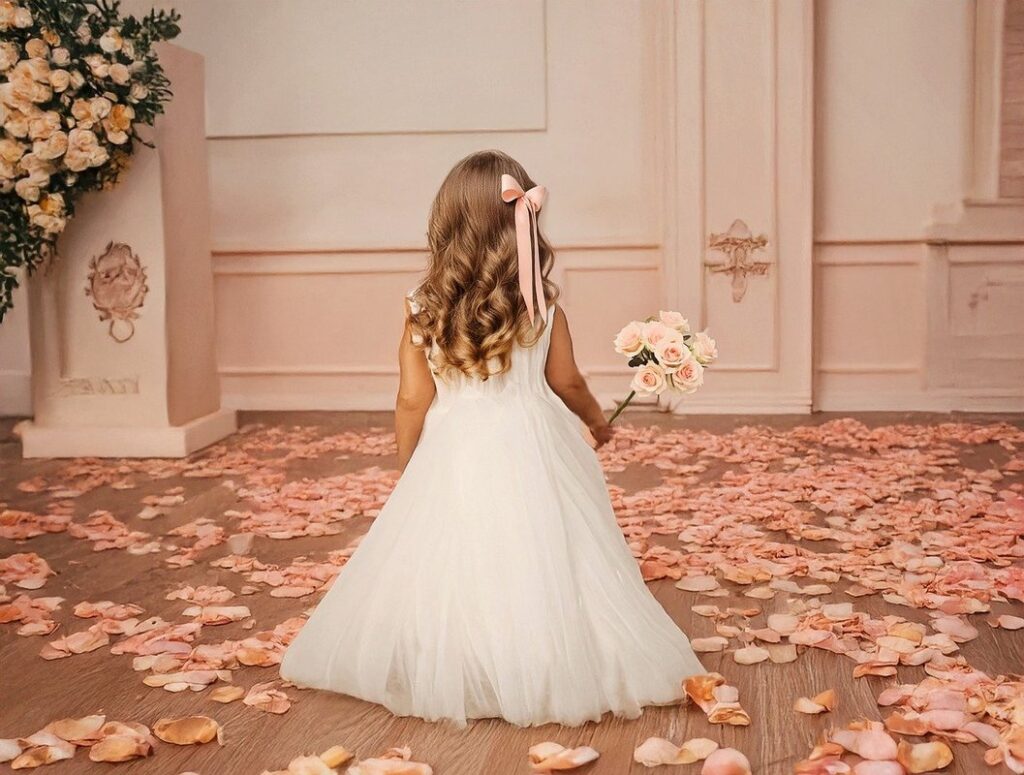
Planning the Perfect Flower Arrangement
Now that you’ve harvested and dried your wedding flowers, it’s time to plan a stunning arrangement that brings your vision to life. Let’s dive into planning the perfect bouquet!
Choosing a Theme or Color Scheme
Choosing a theme or color scheme is an essential step in planning wedding flowers. It sets the tone for the overall aesthetic and helps you make decisions about flower selection, arrangements, and decor. Popular themes to consider include vintage, rustic, and modern. A vintage theme, for example, might feature soft pastels, lace, and antique vases, while a rustic theme could incorporate wildflowers, burlap, and mason jars.
When choosing colors, think about the overall mood you want to create. Consider the time of day, the venue, and the style of your wedding. For instance, if you’re having an evening ceremony in a candlelit garden, warm golden tones might be fitting. If you’re getting married in a bright, airy space, cool blues or greens could work well.
To choose colors that complement your theme, start by gathering inspiration from nature, art, and design. Look for color palettes online or create your own using paint swatches or fabric scraps. Consider the 60-30-10 rule: use one dominant color (60%), a secondary color (30%), and an accent color (10%). This will give you a balanced and harmonious palette to work with.
Selecting the Right Flowers
When it comes to selecting the right flowers for your wedding, there are countless options to choose from. To ensure that you find blooms that fit within your budget and meet your aesthetic vision, let’s explore some popular types of flowers suitable for weddings.
Consider in-season options, as they tend to be more cost-effective and widely available. Peonies, hydrangeas, and sunflowers are all stunning choices that bloom during the warmer months. For a more unique look, consider exotic blooms like orchids or gardenias. These flowers add an air of sophistication and elegance to any arrangement.
When selecting flowers for symbolic meaning, be mindful of their significance. Red roses signify love and passion, while white lilies represent purity and innocence. Sunflowers, on the other hand, symbolize loyalty and devotion. Consider incorporating these blooms into your arrangements to convey a personal message to your partner or loved ones.
Budget-friendly options include daisies, baby’s breath, and carnations. These flowers are often overlooked but can add a charming touch to your arrangements when paired with more expensive blooms.
Preparing Your Garden or Outdoor Space
Before you start selecting the perfect blooms, let’s get your garden or outdoor space ready to accommodate them – it’s easier than you think! A little preparation goes a long way.
Creating a Wedding Flower Garden
When it comes to creating a wedding flower garden, every detail matters. You want your display to be lush and vibrant, reflecting the beauty of your special day. To achieve this, let’s start with choosing the right plants. Select blooms that are in season, as they’ll be more cost-effective and readily available. Consider flowers like peonies, hydrangeas, and roses for a classic look or opt for seasonal favorites such as sunflowers, dahlias, and gerbera daisies.
Prepare your soil by adding organic matter like compost or well-rotted manure to improve drainage and fertility. Make sure the soil pH is suitable for your chosen flowers, as this will affect their growth and color intensity. Water your plants regularly but avoid overwatering, which can lead to fungal diseases. Maintain a balanced care routine that includes regular pruning, deadheading, and pest control.
For a stunning display, create layers of height and texture by mixing different flower types. Consider grouping flowers in odd-numbered quantities for visual appeal. Incorporate greenery like eucalyptus or ferns to add depth and freshness.
Alternatives to Buying Wholesale Flowers
While buying wholesale flowers can be convenient, it’s not always the most cost-effective or sustainable option. If you’re looking to save money and add a personal touch to your wedding arrangements, consider these alternatives.
Growing your own flowers is a great way to have fresh blooms on hand for your special day. You can plant a variety of flowers that are in season during your wedding month and harvest them just before the big day. For example, if you’re getting married in June, you can plant sunflowers or peonies in late spring and enjoy their beauty in early summer.
Another option is to use locally sourced blooms. Visit your local farmer’s market or flower farm and choose flowers that are in season and at their peak freshness. This not only supports the local economy but also ensures that your arrangements are truly unique and memorable.
Tips for Growing Wedding Flowers
Growing wedding flowers can be a fun and rewarding experience, and with these expert tips, you’ll be on your way to creating a beautiful and unique floral arrangement for your special day. From selecting the right varieties to caring for your blooms, we’ve got you covered!
Sowing Seeds vs. Starting Seedlings
When it comes to growing wedding flowers, one of the earliest decisions you’ll make is whether to sow seeds directly into the ground or start seedlings indoors and transplant them later. Both methods have their benefits, but they require different approaches and considerations.
Starting seedlings indoors allows for a head start on the growing season, typically 4-6 weeks before the last frost date in your area. This can give you a jump-start on getting your flowers established, but it also means handling fragile seedlings and transplanting them outside when the weather is still unpredictable. On the other hand, sowing seeds directly into the ground eliminates the need for transplanting, but may mean waiting longer to see blooms.
Consider starting with high-risk plants like orchids or delphiniums indoors, while low-maintenance varieties like zinnias and cosmos can thrive with direct sowing. Ultimately, choose the method that suits your schedule, climate, and flower choices best. With careful planning and execution, either approach can yield stunning results for your wedding flowers. Be sure to harden off seedlings gradually before transplanting them outside to minimize shock and ensure a successful transition.
Providing Optimal Growing Conditions
When it comes to growing wedding flowers, providing optimal conditions is crucial for their health and beauty. Start by choosing a location that receives ample sunlight, as most flowers require at least 6 hours of direct sunlight per day. If you’re growing indoors, make sure the area has a large south-facing window or consider investing in grow lights.
Watering is another essential aspect to consider. Overwatering can be detrimental to your plants, so ensure the soil drains well and avoid getting water on the leaves to prevent fungal diseases. Water your flowers when the top inch of soil feels dry to the touch, usually every 2-3 days during hot weather. Fertilize your plants regularly with a balanced fertilizer to promote healthy growth.
Finally, keep an eye out for pests like aphids, whiteflies, and spider mites. Use neem oil or insecticidal soap to control infestations, and always inspect your plants before bringing them indoors to prevent introducing unwanted critters into your home. By providing the right environment, you’ll be well on your way to growing stunning wedding flowers that will make your special day even more unforgettable.
Harvesting and Preparing Wedding Flowers
Now that you’ve carefully tended to your wedding flowers, it’s time to harvest them for use in your special day. Learn how to prepare and preserve your blooms for a beautiful and long-lasting display.
Timing is Everything
When it comes to harvesting wedding flowers, timing is crucial. The success of your bouquet and overall aesthetic relies heavily on picking the right flowers at the optimal time. To determine when to pick, consider both weather conditions and plant maturity.
Check the weather forecast daily to anticipate any impending changes in temperature or precipitation. For example, if a heatwave is predicted, delay harvesting until the following morning to avoid stressing the flowers. Conversely, if rain is expected, pick your flowers before the storm hits to prevent damage from water saturation.
Monitor your plants’ growth and development closely, checking for proper bud formation and coloration. For instance, peonies should be picked when their petals are still tightly closed, while roses are best harvested just as they’re beginning to unfurl. By combining weather awareness with a keen eye on plant maturity, you’ll ensure that your wedding flowers arrive at their peak freshness and beauty. This attention to timing will pay off in the long run, making all the difference in creating breathtaking arrangements that leave a lasting impression on your special day.
Conditioning and Processing Flowers
Once you’ve harvested your wedding flowers, it’s essential to condition and process them properly to make them ready for arrangements. This involves removing excess foliage, trimming stems, and preventing damage.
Removing excess foliage is crucial to prevent bacterial growth and keep your flowers fresh. Start by gently grasping the stem of each flower between your thumb and index finger, and then twist it counterclockwise until it comes off easily. Be sure to leave only a few sets of leaves at the base of the stem, as these will help nourish the flower during arrangements.
Next, trim the stems of your flowers using clean pruning scissors or secateurs. Cut them at an angle, which helps the flowers absorb water better and prevents them from sitting too deeply in the vase. To prevent damage, make sure to work in a cool, dry area with minimal handling.
To extend the life of your cut flowers, consider adding floral preservative tablets to the water in your vases. These help maintain a healthy balance of nutrients and prevent bacterial growth.
Arranging Your Wedding Flowers
Now that you’ve grown your own flowers, let’s move on to a crucial part of wedding planning: arranging them into stunning bouquets and centerpieces for your special day.
Basic Flower Arrangement Techniques
When it comes to arranging the beautiful flowers you’ve grown for your wedding, having some basic techniques under your belt can make all the difference. Creating a stunning floral arrangement is not just about throwing a bunch of flowers together – it’s an art that requires balance, harmony, and attention to detail.
To start, consider the concept of balance in flower arrangement. Think of it as creating visual equilibrium by distributing weight, texture, and color throughout the design. Imagine your arrangement on a scale: too much of one element can tip the balance, making the overall look unappealing. To achieve balance, aim for a mix of tall and short flowers, light and dark colors, and varying textures.
When selecting focal points, think about what will draw the eye to the center of the arrangement. A statement flower or a particularly vibrant bloom often makes an excellent focal point. Consider pairing this showstopper with complementary blooms that enhance its beauty without overpowering it.
Creating a Unique Look with Fresh Greens
When it comes to creating a unique look with wedding flowers, don’t overlook the importance of incorporating fresh greens into your arrangements. These versatile foliage elements can add texture, depth, and visual interest to your designs, elevating them from ordinary to extraordinary.
Consider using eucalyptus as a statement piece in your arrangements. Its silvery-green leaves create a striking contrast with more delicate blooms like roses or peonies. Simply trim the stems of fresh eucalyptus, add it to your bouquet or arrangement, and watch how its fragrance wafts through the air.
Ferns are another fantastic option for adding a touch of whimsy and romance to your wedding flowers. Their lacy fronds can be used in place of traditional greenery like boxwood or rosemary, creating a more ethereal look. Experiment with different types of ferns, such as autumn ferns or maidenhair ferns, to find the one that complements your wedding style.
To incorporate fresh greens into your arrangements, start by choosing varieties that complement your blooms and theme. Then, simply trim the stems and add them to your design. You can also experiment with different techniques, like wrapping eucalyptus leaves around the base of your bouquet or using ferns as a filler in your centerpieces.
Troubleshooting Common Issues
Don’t let flower growing woes ruin your big day! In this section, we’ll tackle common issues that might be stressing you out and provide practical solutions to keep your wedding blooms on track.
Dealing with Weather-Related Problems
When dealing with unpredictable weather conditions, it’s essential to have a plan in place to protect your wedding flowers. Rain is often the most significant concern for outdoor weddings, but heatwaves and extreme cold snaps can also cause damage to delicate blooms.
To mitigate these risks, consider setting up a tent or canopy to provide shade and protection from the elements. You can also use clear plastic or vinyl sheeting to cover plants if you’re expecting heavy rain. Alternatively, choose flowers that are more resistant to weather conditions, such as dahlias or sunflowers.
If a heatwave is forecasted, take steps to prevent scorching by providing shade and keeping soil moist. For extreme cold snaps, bring plants under cover at night and use mulch to insulate the soil. Additionally, be prepared for last-minute adjustments by having a backup plan in place, such as moving the ceremony indoors or using alternative decorations.
Ultimately, flexibility is key when dealing with unpredictable weather. Stay informed about forecasted conditions and have a contingency plan in place to ensure your wedding flowers remain beautiful and on-budget.
Handling Last-Minute Emergencies
Wedding day catastrophes can be unpredictable, but having a plan in place for last-minute emergencies can save the day. When unexpected issues arise, don’t panic – instead, focus on finding creative solutions to salvage the situation.
If you’re short on time or facing an unexpected setback with your wedding flowers, consider substituting with alternative blooms. For example, if you had ordered peonies but they didn’t arrive, swap them out for lush hydrangeas or garden roses that share a similar romantic feel. This way, you can still achieve the desired aesthetic without completely redoing your arrangements.
To troubleshoot common issues like stem breakage or fading, inspect your flowers daily and address any problems promptly. Keep an eye out for signs of wilting, such as droopy petals or brittle stems, and trim them off to prevent further damage. Additionally, consider using flower preservatives to extend the life of your blooms – these can be especially useful if you’re working with delicate or sensitive flowers. By thinking on your feet and having a backup plan in place, you’ll be well-equipped to handle any last-minute emergencies that come your way.
Frequently Asked Questions
What if I don’t have enough space to grow all the flowers I need for my wedding?
If you’re short on garden space, consider using a vertical gardening system or a container garden to maximize your growing area. You can also focus on growing just one or two types of flowers in bulk and supplement with additional blooms from local farmers’ markets or flower shops.
Can I use indoor plants for my wedding arrangements, or should they only be grown outdoors?
Both indoor and outdoor-grown plants can be used for wedding arrangements, depending on the type of plant and its care requirements. Indoor plants like orchids and peace lilies are popular choices for bouquets and centerpieces because of their long vase life and ability to thrive in low-light conditions.
How do I handle unexpected weather changes that might affect my wedding flower harvest?
Keep an eye on local weather forecasts and have a backup plan in place for unexpected rain or extreme temperatures. If necessary, consider using indoor containers or covering sensitive plants with row covers to protect them from frost or heat stress.
Can I reuse flowers from the ceremony for the reception, or should they be kept separate?
Yes, you can reuse flowers from the ceremony at the reception. In fact, this is a great way to create a cohesive look throughout your wedding celebration. Simply transfer the arrangements to new vases and add some fresh greenery or decorative elements to give them a second life.
How do I choose between sowing seeds vs. starting seedlings for my wedding flowers?
Consider the type of flower you’re growing, as well as your personal preference for planting and care. Sowing seeds can be cost-effective and allows for more control over soil quality and fertilization, while starting seedlings may provide an earlier harvest but requires more equipment and expertise.