
Growing your own apples can be a rewarding experience, but traditional tall apple trees often require more space and maintenance than we have to give. That’s where shorter apple trees come in – they’re perfect for small gardens, urban spaces, or even containers on balconies! Not only do they save you time and effort, but they also tend to produce more fruit due to improved air circulation and better pest resistance. In this article, we’ll explore the benefits of growing shorter apple trees, including their increased disease resistance and fruit production. We’ll cover how to choose the right variety for your needs, provide tips on caring for your tree, and discuss how to optimize growth conditions for a bountiful harvest – get ready to enjoy homegrown apples like never before!
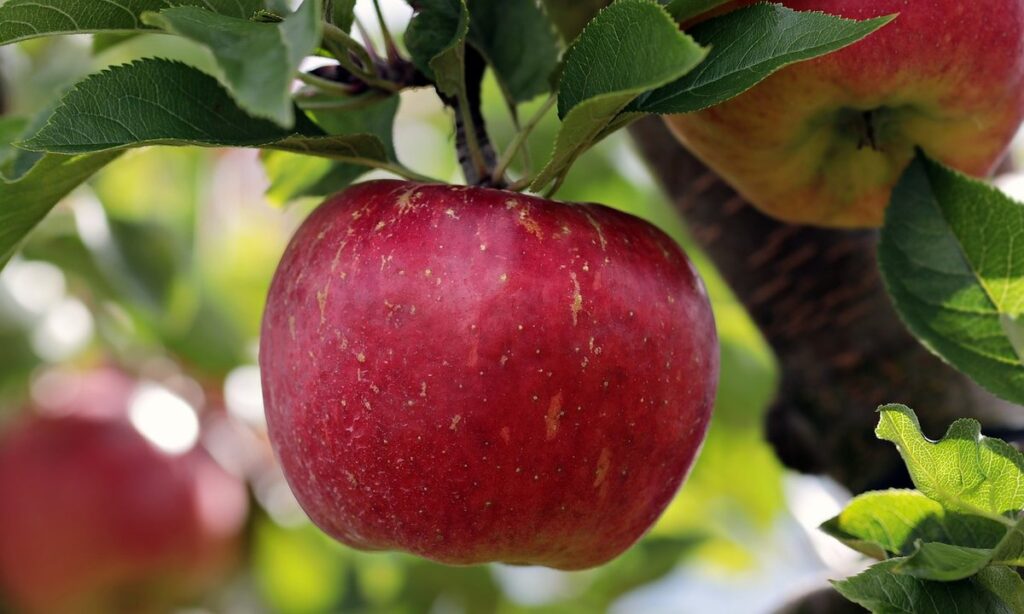
Benefits of Dwarf or Semi-Dwarf Apple Trees
When it comes to smaller spaces, dwarf and semi-dwarf apple trees offer a range of benefits that can make them an ideal choice for your garden. They’re perfect for compact orchards or even container growing.
Compact Size and Space Efficiency
Growing smaller apple trees can be a game-changer for gardeners with limited space. One of the most significant advantages of dwarf or semi-dwarf apple trees is their compact size and space efficiency. These varieties typically grow between 6-12 feet tall, making them perfect for small gardens, urban areas, or even container growing.
This means you can still enjoy the benefits of having an apple tree without sacrificing valuable garden space. With a smaller footprint, these trees are also easier to manage and maintain. You’ll have more time to focus on pruning, watering, and harvesting your apples rather than trying to accommodate a sprawling tree.
Consider planting dwarf varieties like ‘Red Delicious’ or ‘Gala’, which produce fruit just as tasty as their standard counterparts. These compact trees will thrive in containers or small spaces, providing you with delicious homegrown apples year after year. By choosing a smaller apple tree, you’ll open up new possibilities for gardeners who thought they didn’t have enough space to grow their own fruit.
Increased Fruit Production per Tree
One of the most significant advantages of dwarf or semi-dwarf apple trees is their ability to produce more fruit per tree. This may seem counterintuitive at first, but it’s actually a direct result of their compact growth habit. Standard-sized trees often require a lot of space to accommodate their sprawling branches and roots, which can lead to overcrowding in the orchard.
In contrast, dwarf or semi-dwarf trees are naturally more compact, allowing for closer spacing between plants. This results in several benefits: increased sunlight penetration, better air circulation, and reduced competition for water and nutrients among the trees. By providing optimal growing conditions, these shorter trees are able to produce more fruit per tree than their standard-sized counterparts.
To take advantage of this benefit, be sure to choose a dwarf or semi-dwarf apple tree that is specifically bred for your region’s climate and soil type. With proper care and maintenance, you can enjoy a bountiful harvest from even the most compact trees in your orchard.
Disease Resistance and Easier Maintenance
One of the most significant advantages of growing dwarf or semi-dwarf apple trees is their natural resistance to diseases. Many modern varieties have been bred specifically to be more resilient against common issues such as powdery mildew, scab, and fire blight. This means you’ll spend less time battling pests and diseases with chemicals, making maintenance a breeze.
In fact, studies have shown that dwarf apple trees can be up to 50% more resistant to disease than their standard-sized counterparts. This is due in part to the careful selection of parent trees during breeding, which helps to concentrate desirable traits like resistance into new varieties. For example, ‘Red Delicious’ and ‘Gala’ are both popular semi-dwarf options known for their natural immunity to many diseases.
To make the most of this benefit, be sure to still follow proper pruning and hygiene practices when caring for your dwarf or semi-dwarf tree. This will help prevent the spread of disease even further, ensuring a healthy and productive harvest year after year.
Types of Apple Trees Suitable for Small Spaces
When growing apple trees in small spaces, it’s essential to choose varieties that are naturally compact and don’t require a lot of pruning to keep them manageable. Let’s explore some popular options for smaller gardens and backyards.
Dwarf Apple Varieties
When it comes to growing apple trees in small spaces, dwarf varieties are an excellent choice. These compact trees not only save space but also produce plenty of delicious fruit. Two popular dwarf apple tree varieties that excel in this regard are ‘Red Delicious’ and ‘Gala’.
The ‘Red Delicious’ is a classic variety that’s known for its bright red skin and juicy flesh. Grown as a dwarf, it can thrive in containers or small gardens, reaching a height of around 10-12 feet. This compact size makes it an ideal choice for urban gardeners who want to grow their own apples without sacrificing too much space.
The ‘Gala’ variety is another favorite among dwarf apple enthusiasts. Its sweet and crunchy fruit is perfect for snacking and cooking. Grown as a dwarf, the ‘Gala’ tree typically reaches 8-10 feet in height, making it suitable for even the smallest of gardens or balconies. Both of these varieties are relatively easy to care for and can tolerate some shade, making them perfect for smaller spaces.
When selecting your dwarf apple tree variety, consider factors such as mature size, fruit quality, and disease resistance. With proper care and maintenance, you’ll be enjoying delicious homegrown apples from your very own dwarf apple trees in no time!
Semi-Dwarf Apple Varieties
If you’re looking for apple tree varieties that will thrive in smaller spaces without sacrificing flavor and productivity, consider semi-dwarf trees. These trees grow larger than dwarf varieties but still require less space than standard trees. They are an excellent option for gardeners who want to maximize their yield without needing a sprawling orchard.
Some popular semi-dwarf apple tree varieties include ‘Red Delicious’, ‘Gala’, and ‘Golden Delicious’. These trees typically reach 15-20 feet in height, making them perfect for small gardens or backyards. Semi-dwarf trees are often grafted onto rootstocks that help control their size, ensuring they don’t outgrow your available space.
To grow semi-dwarf apple trees successfully, choose a location with full sun and well-draining soil. Plant the tree at the same depth as it was in its container, making sure not to bury any part of the graft union. Water regularly during the first year after planting, but avoid overwatering which can lead to disease issues.
By choosing semi-dwarf apple trees, you’ll be able to enjoy a bountiful harvest without sacrificing valuable garden space or compromising on flavor and texture.
Rootstock Matters: Choosing the Right Rootstock for Your Needs
When selecting a dwarf apple tree for your small space, it’s essential to choose not only the right cultivar but also the suitable rootstock. This might seem like a daunting task, but understanding the importance of rootstocks will help you make an informed decision.
The rootstock is responsible for determining the mature size of the tree and its growth habit. Some rootstocks promote vigorous growth, while others encourage compactness. For example, the M9 rootstock is known to produce trees that are around 6-8 feet tall, making it ideal for smaller gardens. On the other hand, the MM106 rootstock tends to grow taller, reaching heights of up to 12 feet.
Consider your available space and desired tree size when selecting a rootstock. If you have limited room or want a more manageable tree, look for varieties with compact growth habits like M9 or EMLA 111. These rootstocks will help ensure your apple trees stay under control, making them perfect for small gardens, containers, or indoor growing spaces.
Planting and Care Instructions
To ensure your shorter apple trees thrive, follow these crucial planting and care instructions that will help you get off to a strong start. Here’s what you need to know.
Preparing the Soil for a Healthy Start
When planting a shorter apple tree, it’s essential to prepare the soil correctly for a healthy start. Apple trees prefer well-draining, fertile soil with a pH between 6.0 and 7.0, although some varieties can tolerate slightly acidic or alkaline conditions.
To determine your soil’s pH level, you can purchase a DIY testing kit or send a sample to a laboratory for analysis. Based on the results, you may need to add lime to raise the pH or sulfur to lower it. It’s also crucial to test for nutrient deficiencies, such as nitrogen, phosphorus, and potassium.
For optimal growth, apple trees require regular fertilization. You can use a balanced fertilizer (10-10-10 NPK) in early spring, followed by a bloom-time fertilizer (5-10-10 NPK). Organic options like compost or manure tea are also excellent choices for promoting healthy root development and fruit production.
Before planting, till the soil to a depth of 12 inches, incorporating organic matter like peat moss or well-rotted compost. This will improve drainage and provide essential nutrients for your tree’s roots.
Watering and Fertilizing Your Shorter Apple Tree
When it comes to watering and fertilizing your shorter apple tree, getting it right is crucial for optimal growth and fruit production. Apple trees require consistent moisture, especially during their first year of growth. Aim to provide about 1 inch of water per week, either through rainfall or irrigation. However, be cautious not to overwater, as this can lead to shallow root development and make the tree more susceptible to disease.
For fertilization, use a balanced, water-soluble fertilizer (20-20-20 NPK) during the growing season. You can also mix in compost or well-rotted manure around the base of the tree to provide essential nutrients. For example, if you’re using compost, apply it at a rate of 2-3 inches deep and 12-18 inches wide.
Avoid overfertilizing, as this can lead to excessive vegetative growth at the expense of fruit production. Instead, focus on providing a steady supply of nutrients throughout the growing season. Also, keep in mind that shorter apple trees have a higher demand for nutrients due to their compact size and faster growth rate.
Pruning Techniques for Maximized Fruit Yield
When it comes to pruning shorter apple trees, timing is everything. Prune during the dormant season, typically between December and February, when the tree is not actively growing. This allows for a more precise cut, reducing the risk of disease and pests.
To promote healthy growth, remove any weak or damaged branches. Look for water sprouts, suckers, and crossing branches that rub against each other, causing damage. Cut these branches back to their base, making sure the cuts are about 1/4 inch above a bud or lateral branch.
For shorter apple trees, it’s essential to control height by pruning the tips of the branches. This will not only maintain the tree’s compact size but also encourage a bushy growth habit. Prune your shorter apple trees annually to maintain their desired shape and promote fruiting.
When pruning, focus on maintaining the tree’s natural shape while encouraging a balanced structure. Remove no more than 20-30% of the tree’s branches each year to avoid stressing the plant. With regular pruning, you’ll be rewarded with an abundance of delicious apples and a beautiful, well-manicured tree.
Growing Conditions for Shorter Apple Trees
When choosing the perfect site for your shorter apple tree, the growing conditions can make all the difference in its health and productivity. Here’s what you need to consider.
Sunlight Requirements
Adequate sunlight is crucial for shorter apple trees to produce a bountiful harvest. These compact varieties require more intense light than their standard counterparts due to their smaller size and denser foliage. Without sufficient sunlight, the trees will struggle to ripen their fruit properly, resulting in reduced yields and lower sugar content.
In fact, research suggests that apples grown under low-light conditions can have up to 30% less sugars than those receiving full sun exposure. This is because photosynthesis, the process by which plants convert light energy into chemical energy, occurs more efficiently when trees receive direct sunlight. To ensure your shorter apple tree receives enough sunlight:
* Choose a location with at least six hours of direct sunlight per day
* Prune surrounding foliage to allow for better air circulation and sunlight penetration
* Consider using reflective mulch or row covers to enhance light reflection and penetration
By providing your shorter apple tree with sufficient sunlight, you’ll be rewarded with healthier, more productive trees that produce delicious fruit. Remember, even a few extra hours of direct sunlight can make a significant difference in the quality and quantity of your harvest.
Temperature Tolerances
When selecting a shorter apple tree for your garden, it’s essential to consider its temperature tolerances. Different species have varying levels of cold sensitivity and hardiness zones, which can impact their performance in your specific climate.
For example, ‘Red Delicious’ and ‘Gala’ are relatively cold-hardy, tolerant of temperatures as low as -40°F (-40°C), making them suitable for USDA Hardiness Zones 3-9. In contrast, ‘Honeycrisp’ is more sensitive to cold, requiring a slightly warmer climate (USDA Hardiness Zones 4-8).
If you live in an area with harsh winters or experience frequent frost events, choose apple tree species like ‘Red Delicious’ or ‘Gala’, which are bred for their cold hardiness. Conversely, if your region enjoys milder winters and longer growing seasons, consider more sensitive varieties like ‘Honeycrisp’.
Keep in mind that even within the same variety, individual trees can exhibit varying levels of tolerance to temperature fluctuations. Monitor your tree’s performance over time and adjust your care accordingly.
Some tips for managing temperature extremes include:
• Planting multiple apple tree species with different hardiness zones to ensure at least one will thrive
• Mulching around the base of your tree to retain soil moisture and regulate soil temperature
• Applying protective covers or frost blankets during extreme cold snaps
Climate Considerations for Your Region
When growing shorter apple trees, it’s essential to consider the climate conditions specific to your region. Climate considerations play a significant role in determining the success of your apple tree cultivation. Understanding the frost and wind tolerance of your region is crucial for protecting your trees from extreme weather conditions.
Frost protection is vital for regions with cold winters, as apple trees can be damaged by prolonged exposure to frost. To protect your trees, consider planting them in a location that receives full sun but has some protection from harsh winds. You can also use row covers or blankets to cover your trees during extremely cold nights.
Wind tolerance is another critical climate consideration for regions with high wind speeds. Apple trees prefer well-ventilated areas but can be damaged by strong gusts, which can cause damage to the tree’s bark and branches. Look for shorter apple tree varieties that are bred for windy conditions or use windbreaks such as trellises or snow fencing to protect your trees.
Consider the average temperature and precipitation levels in your area when selecting a shorter apple tree variety. Some regions receive mild winters with minimal frost, while others experience harsh, cold snaps. Be sure to choose a tree that is well-suited to your local climate conditions for optimal growth and fruit production.
Frequently Asked Questions
Can I grow shorter apple trees in containers or do they require direct soil planting?
Yes, you can definitely grow shorter apple trees in containers! In fact, container growing is a great way to control the soil quality and ensure your tree receives optimal growing conditions. Just make sure to choose a dwarf or semi-dwarf variety that’s suitable for container growing, and don’t forget to provide regular watering and fertilization.
How often should I prune my shorter apple tree for maximum fruit production?
Pruning is an essential part of maintaining your shorter apple tree’s health and promoting fruit production. Prune your tree annually, removing any dead or diseased branches, and cutting back overgrown stems to encourage bushy growth. Prune during the dormant season (winter or early spring) for best results.
Are shorter apple trees suitable for colder climates?
Many dwarf and semi-dwarf apple varieties are bred to be more cold-hardy than their standard counterparts, making them an excellent choice for regions with cooler temperatures. However, it’s essential to research the specific variety you’re growing and choose one that’s tolerant of your local climate conditions.
Can I use any fertilizer or should I opt for a balanced formula?
While you can use a balanced fertilizer on your shorter apple tree, a fruit-tree-specific blend is often recommended. These fertilizers provide the optimal balance of nutrients for healthy growth and fruit production. Look for a fertilizer that contains essential micronutrients like boron, copper, and zinc.
How long does it take for my shorter apple tree to start producing fruit?
The time it takes for your shorter apple tree to produce its first crop depends on factors like the variety, growing conditions, and care. Generally, dwarf or semi-dwarf apple trees can begin producing fruit within 2-3 years of planting, with some varieties producing more quickly than others.