
Farming cacti can be a rewarding hobby or lucrative business for those willing to learn the ins and outs of these unique plants. Not only do cacti provide beautiful and low-maintenance decor, but they also offer a sustainable source of food and income in arid regions. However, cultivating cacti requires specific knowledge of their needs and challenges.
In this article, we’ll guide you through the process of farming cacti, from selecting the right species to harvesting and propagation methods. We’ll cover essential topics like soil preparation, pest management, and how to ensure healthy growth. Whether you’re a seasoned farmer or just starting out, our expert advice will help you succeed in growing these fascinating plants. By the end of this post, you’ll be well-equipped to start your cactus farm and enjoy the many benefits it has to offer.
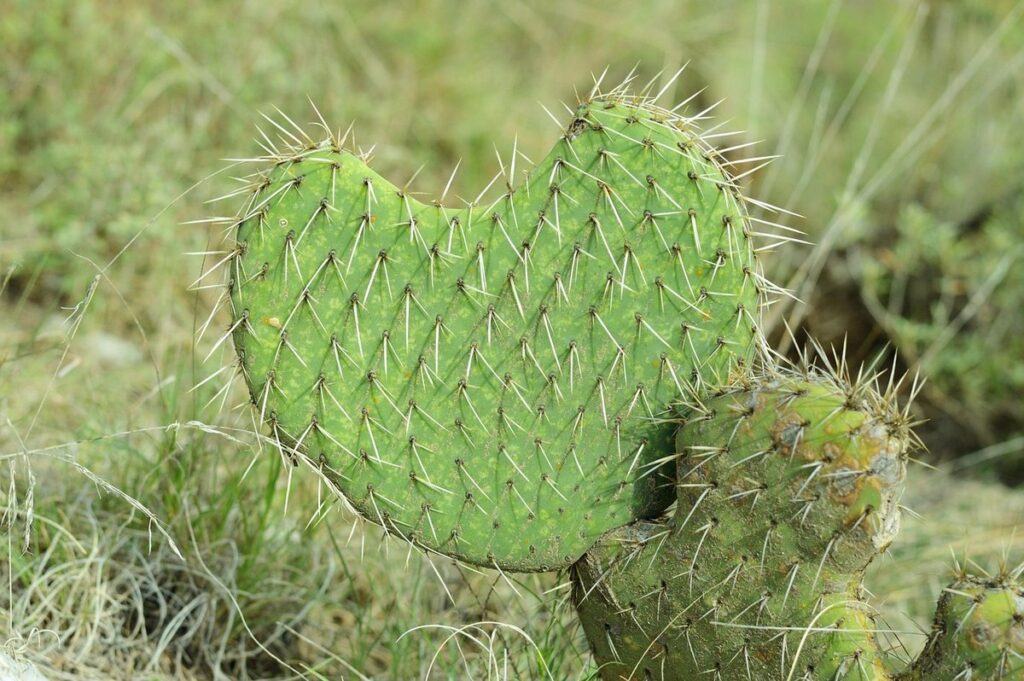
Choosing the Right Cactus Species
Choosing a cactus species is one of the most crucial decisions you’ll make as a beginner farmer, so let’s explore the different options together. From compact columnar to sprawling barrel varieties, there’s a perfect fit for every space and skill level.
Understanding Cactus Types and Their Needs
When it comes to farming cacti, understanding the different types and their needs is crucial for success. There are several main categories of cacti, each with its unique characteristics and requirements.
Desert cacti, such as saguaro and prickly pear, thrive in arid environments with plenty of sunlight. They have thick, waxy stems that store water, allowing them to survive long periods without rainfall. Desert cacti are relatively low-maintenance and easy to care for, making them a great choice for beginners.
Forest cacti, like the saguaro’s cousin, the cardon, have adapted to life in shaded environments with more frequent watering. Their stems are thinner and more flexible than those of desert cacti, allowing them to sway in the wind without breaking. Forest cacti require more attention and care, as they need regular watering and fertilization.
Orchid cacti, a rare and exotic group, have thin, wiry stems that resemble orchids. They are highly sensitive to temperature fluctuations and humidity levels, requiring a controlled environment with precise care. These cacti are best suited for experienced growers who can provide the specific conditions they need.
Factors to Consider When Selecting a Cactus for Farming
When selecting a cactus species for farming, it’s essential to consider several factors that can impact their growth and success. Climate is one of the most significant factors to consider. Different cacti species thrive in various temperature ranges and humidity levels. For example, some species like Opuntia ficus-indica prefer warmer climates with temperatures between 64°F to 90°F (18°C to 32°C), while others like Mammillaria require cooler temperatures.
Soil type is another crucial factor to consider. Cacti have adapted to grow in well-drained soil, but some species are more tolerant of acidic or alkaline conditions than others. For instance, Echinocactus grusonii prefers slightly acidic soil with a pH between 6.0 and 7.0.
Space constraints should also be taken into account. Some cacti can grow quite large, while others remain compact. Consider the mature size of the plant when selecting a species for your farm. For example, if you have limited space, choose a dwarf or compact variety like Mammillaria elongata.
These factors will help you choose a cactus species that thrives in your specific climate and soil conditions, ultimately ensuring their success on your farm.
Preparing the Soil and Environment
Before planting cactus, it’s crucial to prepare your soil by ensuring it drains well and has a pH level between 6.0 and 7.0. This is where we’ll walk you through the process step-by-step.
Creating an Optimal Growing Environment
To create an optimal growing environment for your cacti, you’ll want to replicate the conditions they would experience naturally in their native habitats. When it comes to sunlight exposure, most cacti require full sun to partial shade, depending on the species. For example, some species like the Saguaro (Carnegiea gigantea) can tolerate extreme temperatures and direct sunlight for up to 12 hours a day, while others like the Christmas Cactus (Schlumbergera bridgesii) prefer bright, indirect light.
Temperature-wise, cacti generally thrive in temperatures between 65°F to 75°F (18°C to 24°C), although some species can tolerate temperatures as low as 40°F (4°C) or as high as 90°F (32°C). When it comes to watering, overwatering is the most common mistake made by cactus growers. Allow the soil to dry completely between waterings, and avoid getting water on the stems or leaves to prevent rot.
Water your cacti during the spring and summer months when they’re actively growing, but reduce watering to once a month in the fall and winter. By following these guidelines, you’ll be well on your way to creating an optimal growing environment for your cacti.
Soil Preparation: A Critical Step in Cactus Farming
When it comes to cactus farming, preparing the soil is a critical step that often gets overlooked. However, using well-draining soil mixes specifically designed for cacti can make all the difference between a healthy thriving plant and one that’s prone to root rot.
Cacti are adapted to dry environments with very little water retention, which means they don’t like soggy feet. Using regular potting soil can lead to waterlogged roots, causing your cactus to decline quickly. To avoid this, look for a potting mix specifically labeled as “cactus” or “succulent” friendly.
If you want to create your own cactus-friendly soil mix, here’s a simple recipe: combine one part perlite or sand with two parts peat-free compost and one part pumice or grit. This blend provides excellent drainage, prevents waterlogging, and supports healthy root growth. Remember, it’s all about balance – you want your cactus to have access to moisture but also the ability to dry out quickly.
Some gardeners swear by adding a small amount of crushed eggshells to their mix for extra drainage benefits. Experiment with different ratios and ingredients until you find what works best for your specific climate and soil conditions.
Planting and Care Techniques
Now that you have a solid understanding of cactus basics, let’s dive into the nitty-gritty of planting and caring for these low-maintenance plants to ensure their optimal growth. We’ll cover essential techniques to get you started.
The Art of Planting Cacti: Tips and Tricks
When planting cacti, it’s essential to handle them with care. Their sharp spines can be intimidating, but with a few precautions, you’ll be able to plant them safely. Wear gloves or use tongs to avoid pricking yourself, and gently remove any debris from the roots.
Choosing the right pot size is also crucial for cactus health. A pot that’s too small will cause the roots to become waterlogged, while one that’s too large may lead to root rot. Look for a pot that’s only slightly larger than the plant’s root system, leaving enough room for growth.
When positioning your cactus in the garden or indoor space, consider its lighting requirements. Most species prefer bright, indirect light, but some can tolerate full sun. Place them near an east- or west-facing window for optimal results. If planting outside, choose a spot with well-draining soil and full sun to partial shade.
When placing your cactus in the pot, gently settle it into position, making sure not to pack the soil too tightly. Water sparingly until new growth appears, then gradually increase watering frequency based on environmental conditions. By following these simple steps, you’ll be well on your way to successfully planting and caring for your cacti.
Watering and Fertilization Strategies for Healthy Growth
When it comes to promoting healthy growth and preventing disease in your cactus, proper watering and fertilization strategies are crucial. A consistent watering schedule is essential for cacti, as overwatering can be detrimental to their health. Water your cactus when the soil is dry to the touch, usually every 7-10 days during spring and summer months, and less frequently during fall and winter.
For fertilization, you have two options: organic or synthetic. Organic fertilizers are derived from natural sources such as bone meal, fish emulsion, or compost, while synthetic fertilizers are man-made. Both types can be effective, but it’s recommended to opt for organic fertilizers to avoid burning your cactus’ roots.
To ensure optimal growth, prune your cactus regularly by removing any dead or damaged segments. Prune in the spring when new growth begins, and remove any weak or spindly segments that may become a point of entry for pests or diseases. By following these simple watering and fertilization strategies, you’ll be well on your way to growing healthy, thriving cacti.
Pests and Diseases: Prevention and Management
Now that you have your cactus farm up and running, let’s tackle some of the common issues that can arise, including pests and diseases.
Common Cactus Pests and How to Control Them
Cacti are susceptible to various pests that can cause damage and spread diseases. Some common cactus pests include:
The cochineal bug (Dactylopius spp.), a tiny insect that feeds on the plant’s sap, leaving behind red or pink stains. These bugs can be controlled using neem oil sprays or introducing natural predators like ladybugs.
Mealybugs (Pseudococcidae family) secrete sticky honeydew, attracting ants and promoting fungal growth. To control mealybug infestations, use soap solution sprays, horticultural oils, or introduce biological controls such as lacewings.
Aphids (Aphididae family), like the cottony cushion scale (Icerya purchasi), also secrete honeydew and cause curled leaves and distorted growth. Manage aphid infestations with systemic insecticides, neem oil sprays, or introducing natural predators.
Spider mites (Tetranychus urticae) feed on plant sap, causing yellowing leaves and webbing. Control spider mite infestations using neem oil sprays, horticultural oils, or miticides.
When managing pest infestations, it’s essential to adopt integrated pest management (IPM) strategies that combine natural and chemical controls to minimize harm to the environment and the plant itself.
Recognizing and Managing Cactus Diseases
As you nurture your cactus plants, it’s essential to be aware of the potential diseases that can affect them. Among the most prevalent diseases are fungal infections, bacterial blight, and viral diseases.
Fungal infections are often caused by overwatering or poor air circulation, creating an ideal environment for fungi to thrive. Powdery mildew and root rot are common examples, characterized by white powdery patches on leaves or soft, mushy roots. To prevent fungal infections, ensure good air circulation around your cacti and avoid overhead watering. Instead, water at soil level to minimize moisture accumulation.
Bacterial blight is another significant threat, often introduced through contaminated tools or insects. Look for signs of discoloration, yellowing, or blackening of leaves or stems. To manage bacterial blight, use sterile equipment, disinfect your greenhouse regularly, and isolate infected plants to prevent further spread.
Viral diseases, such as cactus virus X (CVX), can also be devastating. Recognize symptoms like mottling, distortion, or stunted growth. Since viral infections are difficult to treat, prevention is key: avoid sharing plants or tools with other growers, and maintain strict hygiene practices in your greenhouse.
Harvesting and Propagation Methods
Now that you’ve learned how to plant and care for your cacti, let’s dive into the best methods for harvesting and propagating them to share with friends or expand your collection.
Timing and Techniques for Successful Harvests
When it comes to harvesting cacti, timing is crucial. Different types of products have specific windows for harvest, and missing these opportunities can lead to reduced quality or even complete loss.
Flowers are a prime example. If you’re after the vibrant blooms that adorn many cactus species, wait until they reach their full color and begin to wilt slightly. This usually occurs in the morning, and it’s essential to handle them gently to avoid bruising. For instance, Christmas cacti typically bloom from November to December, so be prepared for this short yet sweet window.
Fruits, such as pitahaya or dragon fruit, require a slightly different approach. Harvest them when they’re fully ripe but still firm to the touch. If you wait too long, the fruits will become overripe and mushy. Be cautious not to damage the plant’s stem while collecting the fruit.
Seeds can be harvested at any time, provided you’ve allowed the cactus flowers to mature completely. Check on your plants regularly to catch this process unfolding, as it often happens quickly. Remove the seed pods carefully, taking care not to touch the delicate seeds within.
Methods for Cactus Seed Propagation and Cutting Grafting
Propagating cacti through seeds and stem cuttings is an exciting process that allows you to multiply your favorite species. However, it requires patience and the right techniques to ensure success.
One method of propagation involves using seed. Sow seeds about 1-2 mm deep in a well-draining potting mix and maintain temperatures between 75°F to 85°F (24°C to 30°C) until germination occurs. Transplant the seedlings into individual pots once they reach about 2 inches in height.
Another method is through stem cuttings, which can be taken from mature plants during their active growing season. Cut sections of the stem around 4-6 inches long, removing lower leaves to prevent rotting. Allow the cut ends to dry for a few days before planting them in moist potting mix, typically within a week or two after taking the cutting.
Grafting is also an option for cactus propagation. This involves joining a piece of stem from one cactus species onto the root system of another. The ‘scion’ (the joined piece) and ‘rootstock’ must be compatible to ensure successful growth and graft union formation. It’s essential to research specific grafting techniques for each desired combination to avoid failures due to incompatibilities.
Additional Tips and Considerations
Now that you’ve learned the basics of farming cactus, let’s dive into some additional tips and considerations to help you fine-tune your technique and avoid common pitfalls.
Expanding Your Cactus Farm: Scaling Up Operations
As your cactus farm grows and flourishes, you’ll eventually reach a point where it’s time to scale up operations. This can be an exciting but also daunting task, especially if you’re new to farming. To help you navigate this process, let’s break down some key strategies for increasing yields, managing labor, and streamlining operations.
To increase yields, consider investing in high-density planting techniques. This involves planting multiple cacti close together to maximize space and promote healthy competition between plants. For example, you can plant 4-6 small cacti in a single tray, allowing them to grow together and produce more fruit. Make sure to provide adequate spacing for mature plants, however, as overcrowding can lead to disease and pest issues.
Another key consideration is managing labor effectively. As your farm grows, so will the demands on your time and resources. Consider hiring additional staff or implementing a scheduling system to ensure tasks are completed efficiently. You may also want to invest in automated irrigation systems or other mechanized tools to reduce manual labor requirements.
Emerging Trends and Opportunities in the Cactus Industry
As you’re starting your cactus farming journey, it’s essential to stay informed about emerging trends and opportunities within the industry. This will enable you to make data-driven decisions and adjust your growth plans accordingly.
One of the most significant developments is the growing demand for ornamental cacti. The rise of social media has created a vast market for visually striking plants that can be displayed in indoor spaces. As a result, many farmers are now focusing on cultivating rare and exotic species that command high prices due to their unique appearance. To tap into this trend, consider diversifying your crop portfolio by including some unusual cactus varieties.
Another area of growth is the use of cacti as medicinal plants. Scientists have discovered various compounds within cacti with anti-inflammatory, antibacterial, and antiviral properties. This has led to increased interest from pharmaceutical companies seeking natural ingredients for their products. To capitalize on this opportunity, explore partnerships with research institutions or companies that can help you extract and process these valuable compounds.
The global market for cactus-based products is also expanding rapidly. Cactus juice, seeds, and even cactus-based skincare products are now being marketed globally. With the increasing focus on sustainability and eco-friendliness, expect demand to continue growing in the coming years.
Frequently Asked Questions
Can I grow cacti indoors if I don’t have a greenhouse or outdoor space?
Yes, you can grow cacti indoors with proper lighting and care. Most cactus species thrive under bright, direct sunlight, which can be replicated using LED grow lights or south-facing windows. Choose compact varieties that fit your indoor space and ensure good air circulation to prevent fungal diseases.
What if I accidentally overwater my cacti? Can they recover from this mistake?
Yes, most cacti can recover from overwatering, but the extent of damage depends on the severity of the error and the species. If you catch the issue early, remove excess water, improve drainage, and provide sufficient sunlight to help the plant recover. However, in severe cases, root rot may occur, requiring more drastic measures like repotting.
How long does it take for cacti to reach maturity after planting?
The time frame varies greatly depending on factors like species, soil quality, watering habits, and environmental conditions. Generally, compact varieties can produce flowers within 6-12 months, while larger species may require 2-5 years or more to mature. Proper care and patience will yield healthier, faster-growing plants.
Can I propagate cacti through seed, and if so, how do I ensure success?
Yes, you can propagate cacti through seeds, but the process requires specific conditions and attention. Choose fresh seeds from healthy parents, provide optimal germination temperatures (around 70°F to 80°F), maintain high humidity, and use well-draining seed starting mix. Transplanting should be done carefully after 2-4 weeks, when roots have developed.
How do I know which pests are affecting my cactus farm, and what’s the best course of action?
Regularly inspect your plants for signs of infestation like white powdery coatings (fungi), sticky honeydew droplets (sap-sucking insects), or actual pests themselves. Common cactus pests include mealybugs, scale, and spider mites. Use integrated pest management techniques, combining physical barriers, biological controls (beneficial insects), and chemical treatments as a last resort to minimize harm to your plants and ecosystem.