
Are you missing your favorite summer tomatoes during the cold winter months? You’re not alone! Growing delicious tomatoes year-round is definitely possible, even in the dead of winter. With the right techniques and some clever planning, you can enjoy fresh, homegrown tomatoes on a crisp winter morning.
In this article, we’ll explore how to grow cold-hardy tomato varieties that can thrive in temperatures as low as 40°F (4°C). We’ll also share expert tips on using south-facing windowsills to create the perfect microclimate for your winter tomatoes. From soil preparation and temperature control to pest management, we’ll cover everything you need to know to grow a successful winter tomato crop. Whether you’re an experienced gardener or just starting out, this guide will help you enjoy fresh, homegrown tomatoes even in the coldest of winters.
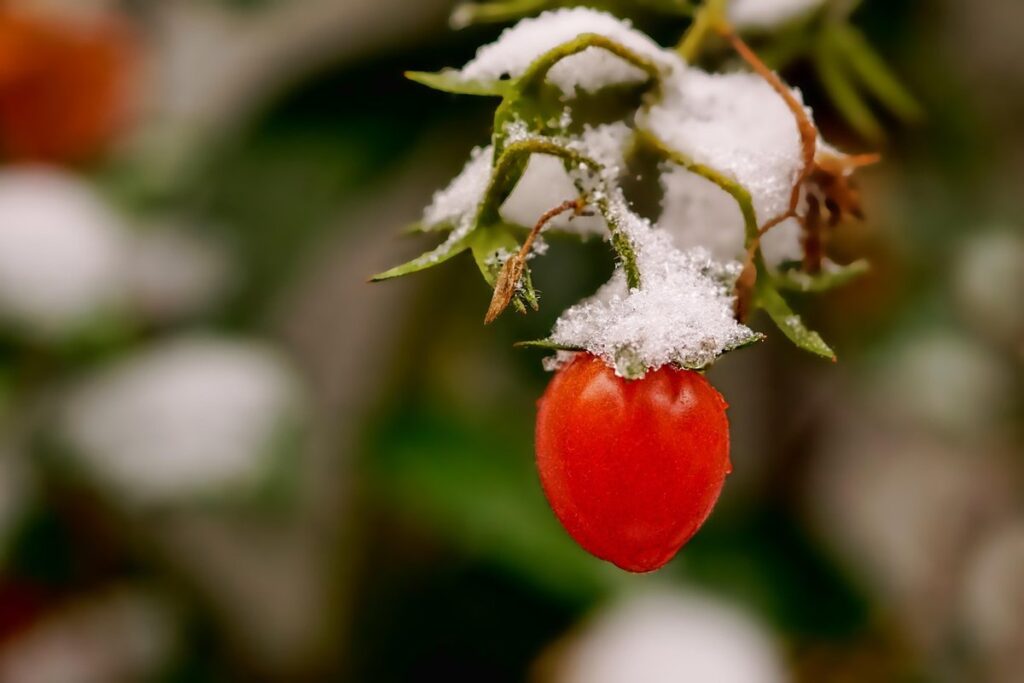
The Challenges of Growing Tomatoes in Winter
Growing tomatoes in winter comes with its own set of obstacles, and understanding these challenges is crucial to successfully cultivating them during this time. Let’s dive into some common hurdles you might face.
Understanding Tomato Plant Requirements
To successfully grow tomatoes in winter, it’s essential to understand their basic requirements. Tomato plants need sufficient sunlight, warmth, and water to thrive. Ideally, they require at least six hours of direct sunlight per day. However, during winter, this can be challenging due to shorter days and potential cloud cover.
When it comes to temperature, tomato plants prefer daytime temperatures between 65°F (18°C) and 70°F (21°C). Nighttime temperatures should not drop below 55°F (13°C). You can achieve this optimal temperature range using grow lights or greenhouses. If you’re growing tomatoes indoors, ensure the space is well-ventilated to prevent overheating.
Proper watering is also crucial for winter tomato growth. Overwatering can lead to root rot and other issues, while underwatering will stress the plant. Check the soil moisture daily and water only when necessary. A general rule of thumb is to provide 1-2 gallons of water per hour of direct sunlight.
Keep in mind that winter tomato plants are more susceptible to frost damage. Monitor weather forecasts closely and protect your plants using row covers or other frost-protection methods if necessary.
Identifying Cold-Hardy Varieties
When it comes to growing tomatoes in winter, one of the most significant challenges is dealing with cold temperatures. However, there are several varieties of tomatoes that have been bred specifically to be more resistant to frost and chilling damage. These “cold-hardy” or “winter-tolerant” tomatoes can be a game-changer for gardeners who want to grow tomatoes year-round.
Some popular examples of cold-hardy tomato varieties include ‘Stupice’, ‘Patio’, and ‘Tumbler’. These compact plants are bred to mature quickly, producing fruit in as little as 40 days. They’re also more resistant to disease and can thrive in cooler temperatures, often down to around 40°F (4°C). When selecting cold-hardy varieties, look for keywords like “determinate”, “bush”, or “compact” on the seed packet or plant label. These descriptors indicate that the plant is bred to be smaller and more manageable, making it perfect for winter growing.
Keep in mind that even with these resilient varieties, protection from extreme cold snaps and frost damage may still be necessary. Consider using row covers or other forms of frost protection to safeguard your plants during particularly harsh weather conditions.
Choosing the Right Location
When deciding where to grow your winter tomatoes, location is crucial. Consider factors like sunlight hours, soil temperature, and frost tolerance to ensure a bountiful harvest.
South-Facing Windowsills and Greenhouses
When it comes to growing tomatoes in the winter, utilizing south-facing windowsills or greenhouses is an excellent strategy. These spaces provide the ideal conditions for a successful tomato harvest during this season. One of the primary benefits of using these areas is natural light. Tomatoes require at least six hours of direct sunlight per day to produce a bountiful crop.
South-facing windowsills and greenhouses also offer excellent temperature control, which is crucial for tomatoes’ optimal growth. Temperatures between 65°F and 70°F (18°C-21°C) are ideal for the plant’s development. By positioning your tomato plants in these areas, you can maintain a consistent temperature, even when outdoor temperatures drop.
To maximize the potential of your south-facing windowsill or greenhouse, make sure to provide support for your tomato plants as they grow. Use trellises or stakes to keep them upright and promote healthy growth. With proper care and attention, you can enjoy a winter harvest of delicious tomatoes from these spaces.
Indoor Growing Spaces
When it comes to growing tomatoes indoors during winter, having a dedicated and optimal growing space is crucial. While a south-facing window can provide sufficient light for small plants, larger varieties like cherry tomatoes require more extensive growing spaces.
Consider utilizing sunrooms or conservatories as alternative options for indoor growing spaces. These areas receive plenty of natural light, making them ideal for tomato cultivation during winter. However, be aware that conservatories often have limited temperature control, which may impact the growth and health of your plants.
Dedicated grow rooms offer even more advantages for year-round tomato production. These areas can be specifically designed to provide optimal growing conditions, including precise temperature control, supplemental lighting, and ventilation systems. This allows you to maintain a consistent environment, regardless of outdoor weather conditions. When creating or utilizing an indoor growing space, make sure it has sufficient air circulation to prevent fungal diseases and other issues that thrive in stagnant environments.
Preparing the Soil and Plants
Before you start planting, it’s essential to prepare your soil and plants for the unique challenges of winter growing. This includes choosing cold-tolerant varieties and adapting your gardening routine accordingly.
Starting Seeds Indoors
When starting seeds indoors for winter tomato growth, timing is crucial. Four to six weeks before the last frost date, you can begin preparing the soil and selecting the right seed varieties. To start, choose a high-quality potting mix specifically designed for indoor seed starting. This type of mix will have the right balance of nutrients and drainage to support young seedlings.
Next, select your tomato seeds carefully. Look for varieties that are bred for cold tolerance or early production. Some popular options include ‘Early Girl’, ‘Patio’, or ‘Red Robin’. These varieties tend to mature quickly, often in as little as 50-60 days.
To ensure optimal germination, plant seeds about 1/4 inch deep and keep the soil at a consistent temperature of around 70-80°F (21-27°C). Keep the growing medium moist but not waterlogged. With proper care and attention, your seedlings will be ready to transplant outside when the weather warms up, giving you a head start on the winter harvest.
Transplanting Seedlings Outdoors
When transplanting seedlings outdoors during winter, it’s essential to choose a protected location that provides some insulation from harsh winds and extreme temperatures. A greenhouse, cold frame, or even a south-facing wall can serve as a suitable shelter for your tomato plants.
Before moving the seedlings outside, make sure they are hardened off by gradually exposing them to outdoor conditions over the course of 7-10 days. This will help prevent shock and ensure their survival in the cold weather.
To transplant seedlings directly into the ground, dig holes that are twice as deep as the pot’s depth, adding a layer of compost or well-rotted manure to improve soil fertility. Handle the roots carefully during transplantation to minimize damage.
For container-grown seedlings, choose a large enough container with good drainage and a high-quality potting mix. Water thoroughly before moving the plant outside, and then water only when necessary to prevent root rot in cold temperatures.
As you transplant your tomato seedlings outdoors, consider factors like frost protection and supplemental lighting to ensure their continued growth and health throughout the winter months.
Managing Temperature and Light
When growing tomatoes in winter, managing temperature and light is crucial for healthy plant growth. You’ll want to learn how to replicate indoor conditions that mimic outdoor temperatures and sunlight.
Using Grow Lights and Heaters
When winter sets in and natural light is scarce, supplementing your tomato plants with grow lights can be a game-changer. These high-tech solutions provide the necessary spectrum of light for photosynthesis to occur, promoting healthy growth and fruit production.
You’ll want to invest in LED grow lights specifically designed for indoor growing, as they consume less energy than traditional HPS lamps while producing more lumens per watt. Position your grow lights 12-18 inches above the plants’ canopy, adjusting their angle throughout the day to maintain optimal light distribution.
For warmth, heaters can be employed to extend the tomato-growing season. Space heaters, such as ceramic or radiant heaters, work well for small spaces and are relatively energy-efficient. Be cautious not to overheat your plants – temperatures between 65°F and 70°F (18°C-21°C) are ideal for fruiting varieties.
Remember to choose a heater with a thermostat that can be adjusted according to the day’s temperature fluctuations. Combine grow lights and heaters judiciously, as excessive heat can negate the benefits of supplemental lighting. Monitor your plants closely and make adjustments as needed to ensure optimal growth.
Mulching and Insulation Techniques
To extend the growing season for tomatoes, you’ll want to focus on retaining heat and moisture in the soil. This is where mulching and insulation techniques come into play. Mulch acts as a barrier between the soil and cold air, preventing it from escaping. Choose organic materials like straw, bark chips, or leaves, and apply them 2-3 inches thick around your plants.
Insulating containers or raised beds can also help retain heat. You can use foam inserts, bubble wrap, or even straw bales to line the inside of your planters. This will create a buffer zone between the cold exterior and the warmer interior. For example, you can wrap a foam insert around a pot and then add a layer of mulch on top.
In addition to these techniques, consider using clear plastic sheets or row covers to trap heat and light from the sun. These lightweight materials allow sunlight to pass through while keeping warmth in. By combining these methods, you’ll be able to create a microclimate that’s more favorable for winter tomato growth.
Overcoming Pests and Diseases
One of the biggest challenges of growing tomatoes year-round is dealing with pests and diseases that thrive in cold weather. We’ll show you how to protect your winter tomato plants from these common issues.
Common Winter Pests and Diseases
As you venture into growing tomatoes during the winter months, it’s essential to be aware of the common pests and diseases that can affect your plants. Fungal infections such as powdery mildew and leaf spot are more prevalent during cooler temperatures. These conditions thrive in moist environments, making it crucial to maintain good air circulation around your tomato plants.
Aphids and whiteflies are also winter pests that can wreak havoc on your tomato crop. To control these pesky insects, inspect your plants regularly for signs of infestation and treat them promptly with neem oil or insecticidal soap. For aphid-resistant varieties, use sticky traps to capture the insects.
Whiteflies often bring viruses like tobacco mosaic virus, which can be devastating to tomato plants. Monitor your plants closely and remove any infected leaves to prevent the spread of disease. By understanding these common winter pests and diseases, you’ll be better equipped to protect your tomato crop and enjoy a bountiful harvest even during the coldest months.
Organic and Integrated Pest Management Strategies
When it comes to growing tomatoes in the winter, managing pests and diseases is crucial. Tomatoes are prone to various issues like aphids, whiteflies, powdery mildew, and bacterial spot. However, you don’t have to resort to chemical pesticides or fungicides.
Organic and integrated pest management (IPM) strategies can be just as effective, if not more so, in controlling these problems. For instance, introducing beneficial insects like ladybugs, lacewings, and parasitic wasps can help control aphid populations naturally. You can also use neem oil or insecticidal soap to repel pests without harming the environment.
To manage diseases, adopt a ‘clean growing’ approach by removing weeds that can harbor pathogens and keeping your garden free of debris. Crop rotation, sanitation, and pruning are other essential practices to prevent disease spread. Use physical barriers like fine mesh or fine netting to exclude flying insects from reaching your plants.
By adopting these organic IPM strategies, you’ll not only reduce the risk of pest and disease issues but also create a healthier and more sustainable garden ecosystem for your winter tomato crop to thrive.
Frequently Asked Questions
Can I use grow lights indoors to supplement the limited natural light during winter?
Yes, using high-quality grow lights can be an effective solution for providing supplemental light for your winter tomatoes. However, ensure you choose a suitable spectrum and intensity level that matches the requirements of your specific tomato variety.
How often should I check on my indoor growing space to prevent pests and diseases from taking hold?
Regularly inspecting your indoor growing space is crucial for catching any potential issues before they escalate. Set aside time each week to check for signs of pests, diseases, or nutrient deficiencies, and address any problems promptly.
What are some good cold-hardy tomato varieties that I can try during the winter months?
Look for varieties like ‘Patio’, ‘Tiny Tim’, or ‘Red Robin’, which are specifically bred for their cold tolerance. These compact plants typically require minimal support and can thrive in temperatures as low as 40°F (4°C).
Can I use a south-facing windowsill with frosted glass to grow tomatoes during winter?
While a south-facing windowsill is ideal, using one with frosted glass may limit the amount of direct sunlight reaching your plants. Consider supplementing with additional lighting or pruning nearby foliage to optimize available light.
How do I maintain optimal soil temperature for my winter tomatoes when using a greenhouse or indoor growing space?
To ensure ideal soil temperatures, use mulch or other insulation methods to regulate soil warmth. Monitor temperature fluctuations and adjust as necessary to provide your plants with the consistent conditions they need to thrive.