
Are you tired of buying expensive tomato seedlings or struggling to grow tomatoes from seeds? You’re in luck because we’ve got a game-changing method that will have you growing delicious tomatoes in no time: growing tomatoes from slices! This innovative technique is perfect for gardeners who want to get a head start on the growing season and enjoy a bountiful harvest of juicy, ripe tomatoes. But, before you can enjoy those sweet rewards, you’ll need to know the ins and outs of callusing, root formation, and creating an ideal environment for your tomato slices to thrive. In this article, we’ll take you through the step-by-step process of growing tomatoes from slices, covering essential tips on environmental factors and troubleshooting common issues along the way.
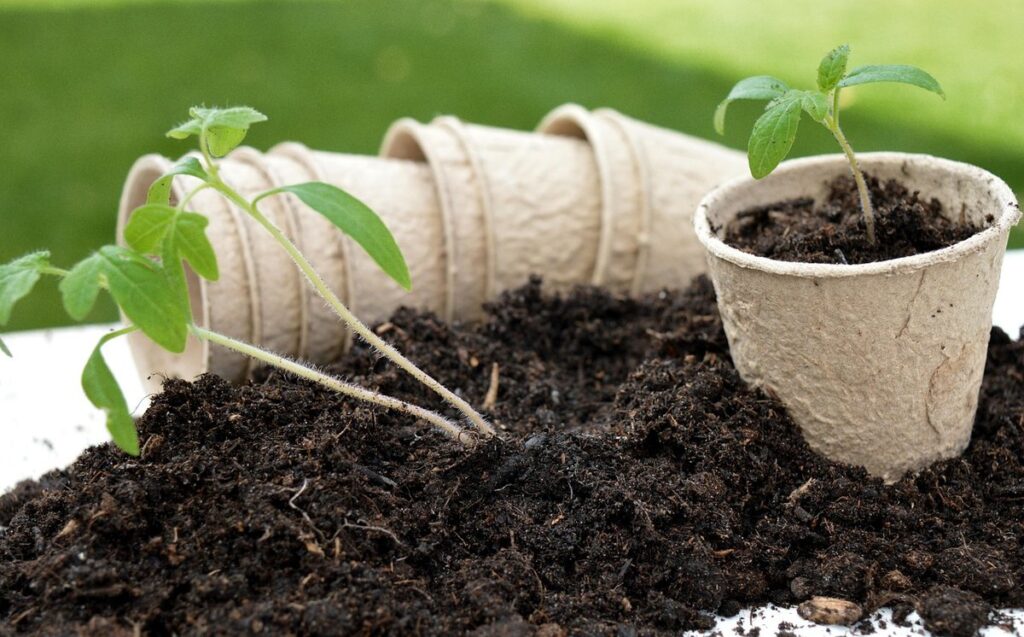
The Science Behind Growing Tomatoes from Slices
To grow tomatoes from slices, it’s essential to understand how plant cells regenerate and multiply at an incredible rate when given the right conditions. This process relies on a combination of science and patience.
Understanding the Process of Callusing and Root Formation
When you take a tomato slice and place it on a growth medium, several fascinating processes kick into gear. One of the most crucial steps is callusing – the formation of a mass of undifferentiated cells that will eventually develop into roots. This process relies heavily on plant hormones, particularly auxins.
Auxins play a vital role in root development by stimulating cell division and elongation in the stem segment. They help initiate the conversion of stem cells into root cells, a complex series of cellular changes that allow for the formation of new tissue. The presence of auxins triggers other hormones to come into play, including cytokinins, which promote cell growth.
To encourage callusing, it’s essential to maintain an optimal environment with adequate humidity, temperature control, and light. As you wait for your tomato slice to produce a robust root system, keep in mind that the ideal conditions may vary depending on the cultivar or growing medium used.
Factors Affecting Callusing and Root Development
When growing tomatoes from slices, it’s essential to understand that callusing and root formation are influenced by various environmental and genetic factors. Temperature plays a significant role, with optimal temperatures ranging between 75°F to 85°F (24°C to 30°C). This temperature range allows for efficient callus formation and root development.
Humidity is another critical factor, as tomato slices require a moist environment to develop roots effectively. A humidity level of around 70-80% is ideal, but be cautious not to overwater, which can lead to fungal diseases.
Light exposure also impacts callusing and root development. Tomato slices prefer indirect light, especially during the initial stages. Direct sunlight can cause the callus to dry out, hindering root formation.
The health of the tomato slice itself is another crucial factor. Choose fresh, healthy tomatoes with no visible signs of decay or damage. Wash the slices gently before use to remove any dirt or bacteria that may hinder the rooting process.
Preparing Tomato Slices for Growth
Before we get started on planting, it’s essential to prepare your tomato slices properly to increase their chances of successful growth and healthy development. Cut them carefully and dry them thoroughly to avoid any damage.
Selection and Preparation of Tomato Slices
When it comes to growing tomatoes from slices, selecting the right type of tomato is crucial for successful germination and growth. Look for varieties that are specifically bred for seed saving or have a high success rate for tissue culture propagation. These will typically be labeled as “hybrid” or “open-pollinated.” Some popular options include ‘Brandywine’, ‘Cherokee Purple’, and ‘Yellow Pear’. Avoid using cherry tomatoes, as they tend to produce smaller fruit.
Once you’ve chosen your variety, it’s time to prepare the slices for growth. Start by selecting healthy, ripe tomatoes with no signs of spoilage or disease. Wash the tomatoes gently with lukewarm water to remove any dirt or bacteria. Then, use a sharp knife or mandoline to cut the tomato into thin, even slices. To disinfect the slices, dip them in a solution of 1 part bleach to 10 parts water for 10-15 seconds. This will help prevent the spread of disease and promote healthy growth.
Optimizing Slice Surface Area and Exposure
To promote healthy callusing and root development, it’s essential to ensure that tomato slices have sufficient surface area exposure. This allows for optimal absorption of moisture and nutrients, which are crucial for the growth process. When growing tomatoes from slices, a larger exposed surface area increases the chances of successful rooting.
One way to maximize slice surface area is by cutting the slices at an angle. This not only exposes more surface area but also helps prevent the formation of uneven calluses. To do this effectively, cut the tomato about 1-2 inches above the stem end, using a sharp knife to minimize damage.
Another method is to use a technique called “de-stemming.” Remove as much of the stem as possible without damaging the surrounding tissue. This approach allows for more room on the slice’s surface area to form calluses and roots.
Aim for slices with at least 50% surface area exposed, but ideally aim for higher percentages if possible. The key is finding a balance between exposing enough surface area and not causing damage that can hinder growth.
Creating a Favourable Growth Environment
Now that you’ve prepared your tomato slices, it’s time to create an optimal growing environment to help them thrive and develop into healthy, productive plants. This section covers essential tips for promoting healthy growth.
The Role of Light, Temperature, and Humidity
When growing tomatoes from slices, providing optimal conditions is crucial for successful germination and healthy plant development. Light intensity plays a significant role, as tomato seedlings require at least 14-16 hours of daylight to undergo photosynthesis effectively. However, direct sunlight can be too intense, causing the seedling’s delicate leaves to scorch.
To strike a balance, place your tomato slices in an east-facing window or under grow lights with adjustable intensity settings. A temperature range between 65°F and 75°F (18°C and 24°C) is ideal for germination and early growth stages. Be cautious of temperatures above 80°F (27°C), as this can lead to premature flowering and reduced fruiting.
Maintaining the right humidity level is also vital, especially during the initial germination phase. Aim for a relative humidity of 70-80% by covering the container with a clear plastic bag or a cloche. This will help maintain moisture levels and prevent over-watering. As the seedling grows, gradually reduce humidity to around 50-60%.
Using Grow Mediums and Containers Effectively
When it comes to growing tomatoes from slices, choosing the right grow medium and container is crucial for healthy growth. Soilless mixes are an excellent option as they provide a well-balanced mix of nutrients and prevent waterlogged soil. These mixes can be made from peat moss, vermiculite, or perlite, which retain moisture while allowing excess water to drain.
Hydroponic systems, on the other hand, offer precise control over nutrient delivery and can significantly boost tomato growth rates. By suspending roots in a nutrient-rich solution rather than soil, hydroponics promotes healthier root development and encourages faster fruiting.
For container options, consider using large pots or grow bags with good drainage to prevent waterlogged conditions. When selecting containers, ensure they have sufficient space for root growth, typically around 12-18 inches deep for indeterminate tomato varieties. Some growers also swear by fabric pots that allow roots to breathe and promote a healthy balance between moisture and air exchange.
When setting up your grow medium and container, make sure to follow the specific instructions provided with each product and adjust as needed based on your climate and growing conditions. By choosing the right combination of grow medium and container, you’ll be well on your way to successfully cultivating tomatoes from slices.
Monitoring and Maintaining Tomato Plants
Now that your tomato plants are growing, it’s essential to keep a close eye on them to ensure they remain healthy and thrive. This includes monitoring their watering needs, pruning, and addressing any potential pests or diseases.
Early Warning Signs of Stress or Disease
As you nurture your tomato plants grown from slices, it’s essential to be vigilant for early warning signs of stress or disease. Tomatoes are susceptible to various issues that can impact their growth and yield. Look out for changes in leaf color, particularly yellowing or browning leaves, which can indicate a nutrient deficiency or fungal infection.
Monitor your plants’ water intake and adjust as needed. If you notice excessive drooping or wilting, it may be a sign of overwatering, while dry, crispy leaves could indicate underwatering. Regularly inspect the undersides of leaves for white powdery patches or black spots, which can signal pests like aphids or fungal diseases.
Pay attention to plant growth patterns, watching for stunted growth or twisted stems, which may indicate a nutrient imbalance or root issues. Inspect your plants daily, looking for any unusual symptoms. If you catch potential problems early on, you can take corrective action by adjusting your watering schedule, pruning affected areas, or applying targeted treatments.
Keep a close eye on soil moisture levels and adjust your irrigation accordingly. Use this opportunity to assess the overall health of your tomato plants and address any issues before they escalate.
Pruning, Training, and Harvesting Techniques
As your tomato plants grown from slices continue to thrive, it’s essential to prune, train, and harvest them effectively to promote healthy growth and maximize fruit production. Pruning involves removing weak or diseased branches to direct the plant’s energy towards producing more fruit.
When pruning tomato plants grown from slices, cut back any leggy growth to encourage bushy development. This will also help prevent the plant from becoming too top-heavy. To do this, identify the longest stem and trim it back by about one-third. Next, remove any weak or spindly branches, leaving only the strongest ones.
Training your tomato plants involves providing support as they grow. You can use tomato cages, trellises, or stakes to keep them upright and promote even growth. This will also make harvesting easier and reduce the risk of disease. When training your plant, gently twine the stems around the support, working from bottom to top.
Regular pruning and training will encourage your tomato plants to produce more fruit. When it’s time to harvest, simply snip off the ripe tomatoes with scissors or pinch them off by hand. Harvesting regularly will also help promote new growth and prevent the plant from becoming leggy. By following these techniques, you’ll be able to enjoy a bountiful crop of juicy tomatoes all season long!
Troubleshooting Common Issues
If you’re experiencing problems growing tomatoes from slices, don’t worry – we’ve got solutions to common issues right here. This is where you’ll find answers to fix any setbacks on your tomato-growing journey.
Identifying and Addressing Problems with Callusing or Root Formation
One of the most frustrating issues you may encounter when growing tomatoes from slices is slow or absent callus growth. This can be caused by a variety of factors, including using old or contaminated rooting hormone, inadequate humidity, or poor air circulation. If you notice that your tomato slices are not producing a healthy callus within 3-5 days, it’s time to troubleshoot the issue.
Check your rooting hormone for signs of contamination, such as mold or discoloration. Replace it with fresh powder if necessary. Make sure the humidity in the growing environment is between 70-90%. This can be achieved by placing a clear plastic bag over the container or using a humidifier. Ensure good air circulation around the slices to prevent fungal growth.
If you’ve ruled out these potential causes, try adjusting your growing conditions. For example, move the tomato slices to a warmer location (around 75°F to 80°F) and provide more light. Sometimes, all it takes is a slight adjustment in environment to get those tomatoes growing again.
Managing Pests, Diseases, and Environmental Stressors
As you nurture your tomato plants grown from slices, it’s essential to be aware of potential pests, diseases, and environmental stressors that can impact their growth. Regular monitoring is key, so keep an eye out for signs like yellowing leaves, black spots, or white powdery patches.
Pests such as aphids, whiteflies, and spider mites can infest your tomato plants, sucking sap and causing damage. To prevent infestation, use neem oil or insecticidal soap to control pest populations. Introduce beneficial insects like ladybugs or lacewings, which prey on these pests. For severe cases, apply a systemic insecticide according to the manufacturer’s instructions.
Diseases like bacterial spot, early blight, and powdery mildew can also threaten your plants’ health. Implement good hygiene practices by disinfecting gardening tools between uses. Remove weeds around the plants to reduce moisture accumulation. Prune infected leaves or stems to prevent disease spread.
Environmental stressors like extreme temperatures, inadequate watering, or nutrient deficiencies can stunt plant growth. Ensure consistent watering and fertilize according to your tomato variety’s needs. Use row covers to shield plants from harsh weather conditions, and provide supplemental lighting if necessary.
To minimize risks, start with disease-free seed slices and maintain a clean growing environment. Monitor temperature fluctuations, as extreme temperatures can impact plant growth. Keep an eye on humidity levels, which can contribute to fungal diseases. Regularly inspect your plants for signs of stress or damage, taking action promptly to prevent issues from escalating.
Conclusion: Maximizing Success with Tomato Slices
Now that you’ve successfully grown tomatoes from slices, let’s discuss how to maximize your harvest and maintain a thriving plant throughout its lifespan. We’ll cover essential tips for continued growth and success.
Recap of Key Takeaways
So you’ve made it to the end of our step-by-step guide on growing tomatoes from slices! By now, you should have a good understanding of the process involved in cultivating these delicious fruits from what was once just a simple slice. Let’s recap the key takeaways to ensure you’re well-equipped for success.
First and foremost, it’s essential to choose the right tomato variety when selecting slices for propagation. Not all varieties are created equal; some are better suited for slicing than others. Opt for popular slicing tomatoes like ‘Beefsteak’ or ‘Cherry Roma’, as they tend to produce more robust growth and fruiting.
When preparing the slices, make sure to follow proper sanitation techniques to prevent contamination. This includes using clean water, sterile equipment, and a dedicated workspace. It’s also crucial to allow the cut ends to dry for 24 hours before propagation to prevent rot and encourage root development.
Once you’ve prepared your slices, it’s time to plant them in a suitable growing medium. Make sure the environment is optimal, with sufficient light (at least 6 hours of direct sunlight) and adequate air circulation to promote healthy growth. Keep the soil consistently moist but not waterlogged, as this can lead to root rot.
To ensure successful propagation, monitor your tomato seedlings closely for signs of disease or pests. Regular pruning will also encourage bushy growth and fruiting. By following these simple steps and keeping a watchful eye on your plants, you should be able to enjoy a bountiful harvest of juicy tomatoes in no time!
Frequently Asked Questions
Can I use any type of tomato variety when growing tomatoes from slices?
You can experiment with various tomato varieties, but some heirloom or cherry tomato types tend to work better for this method due to their natural adaptation to produce roots more efficiently. Experiment with different varieties to find the best performers in your specific environment.
How often should I water my tomato plants when they’re still developing from slices?
Yes, it’s essential to maintain consistent moisture levels during the callusing and root development stages. Aim for a humid microclimate by misting the growth medium lightly every 2-3 days or using a clear plastic bag to create a mini-greenhouse effect.
What are some common signs of stress in tomato plants grown from slices?
Common early warning signs include yellowing leaves, slow callusing progress, and stunted root development. If you notice any of these symptoms, inspect the growth medium for moisture levels, pH balance, and nutrient availability, making adjustments as needed to ensure optimal conditions.
Can I transplant my tomato plants grown from slices directly into outdoor soil?
While possible, it’s recommended to harden off your seedlings indoors before transferring them outdoors. This process helps prevent shock and promotes a successful transition by gradually exposing the plants to outdoor conditions.
How long can I store tomato slices for optimal callusing and root development?
The ideal storage time is between 24-48 hours at room temperature (around 68°F/20°C). Keep the slices away from direct sunlight and moisture to prevent degradation. Excessive storage times may lead to reduced success rates, so plan accordingly to ensure timely planting.