
Growing tomatoes in pots is one of the most rewarding experiences for any gardener, and for good reason. Not only do potted tomatoes provide a bountiful harvest of delicious fruit, but they’re also incredibly versatile and easy to care for. Whether you have a small balcony or a cozy patio, growing tomatoes in pots is the perfect way to enjoy the benefits of fresh produce right at your fingertips.
In this ultimate guide, we’ll walk you through everything you need to know about growing tomatoes in pots, from choosing the right variety to harvesting and preserving your crop. We’ll cover tips on how to select the best tomato pot plant for your needs, including advice on compact varieties, soil requirements, and sunlight exposure. With our expert advice, you’ll be well on your way to enjoying a thriving and abundant harvest of juicy tomatoes in no time!
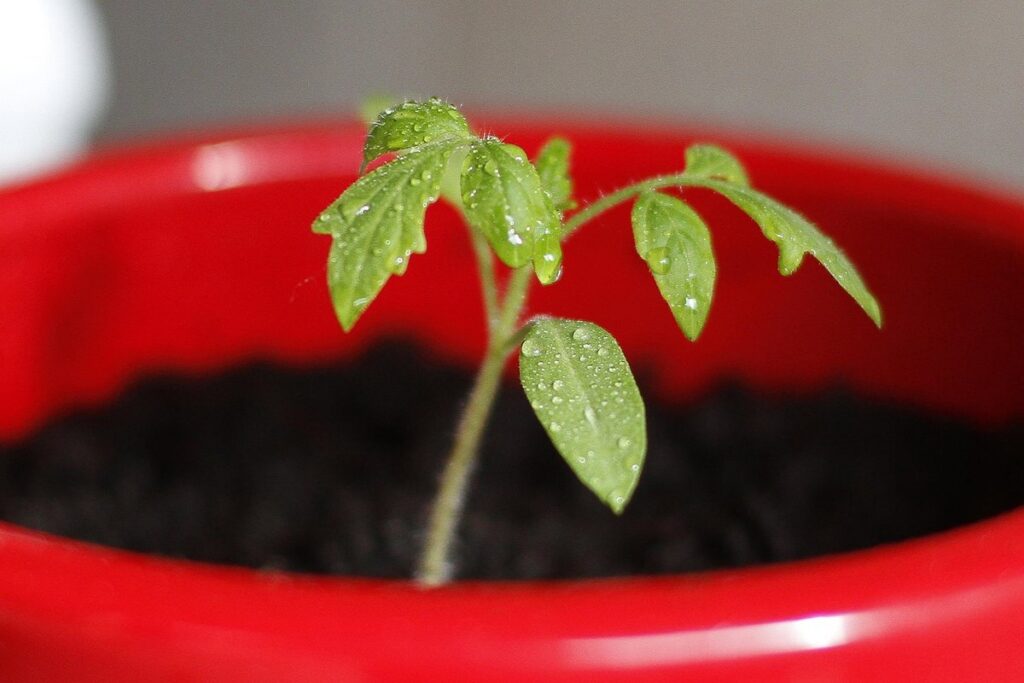
Understanding Tomato Plants and Their Needs
To grow a thriving tomato pot plant, it’s essential you understand the unique needs of these plants, from their ideal growing conditions to optimal care. Let’s dive into what makes your tomatoes tick.
Benefits of Growing Tomatoes in Pots
Growing tomatoes in pots offers numerous benefits that make it an ideal choice for many gardeners. For those with limited space, container gardening is a game-changer. A single pot can yield a substantial harvest without taking up valuable yard space, making it perfect for small balconies, patios, or rooftops.
Better drainage is another significant advantage of growing tomatoes in pots. Since the roots don’t have to compete for water like they would in soil, you’ll encounter fewer cases of root rot and other moisture-related issues. This allows for more flexibility when watering your plants, ensuring they receive just the right amount of hydration.
You also have complete control over the soil quality, which is a major advantage. By selecting high-quality potting mix specifically designed for tomatoes, you can optimize their growth environment. This includes factors like pH levels, nutrient content, and moisture retention – all crucial elements that impact your plant’s overall health.
When growing in pots, you’re not tied to specific climate conditions or soil types either. Tomatoes can thrive in a variety of settings with proper care, making container gardening an accessible option for gardeners worldwide.
Choosing the Right Tomato Variety for Containers
When it comes to growing tomatoes in pots, not all varieties are created equal. To ensure you’re getting the most out of your container gardening experience, it’s essential to choose a tomato variety that’s specifically designed for pot culture.
One popular option is compact or dwarf varieties, such as ‘Tiny Tim’ or ‘Red Robin’, which grow to be around 1-2 feet tall and produce plenty of fruit in a small space. These varieties are perfect for balconies, patios, or even indoor containers.
Cherry tomatoes are another great choice for container gardens. They’re naturally compact, producing small fruit that’s bursting with flavor. Varieties like ‘Sweet 100’ or ‘Patio’ are ideal for pots, as they require minimal support and care.
Lastly, consider patio tomatoes, which are bred specifically for container growing. These varieties typically grow to be around 2-3 feet tall and produce a high yield of fruit in a relatively small space. Look for varieties like ‘Tumbler’ or ‘Red currant’, which are perfect for hanging baskets or large containers.
When selecting a variety, make sure to check the seed packet or plant label for specific growing requirements, such as sunlight and watering needs. This will ensure you’re providing your tomato plants with the best conditions for success.
Preparing the Perfect Potting Mix for Tomatoes
When growing a thriving tomato pot plant, it’s essential to create a potting mix that provides optimal drainage and nutrient retention. A well-crafted mix will give your tomatoes a strong start in life.
The Importance of Soil pH in Tomato Growth
When it comes to growing a thriving tomato pot plant, one crucial aspect is often overlooked: soil pH levels. The acidity or alkalinity of your potting mix can significantly impact the growth and health of your tomatoes. A perfect balance between too acidic and too alkaline is essential for optimal nutrient uptake.
To check your soil pH levels, you can purchase a soil testing kit from most gardening stores or online. These kits usually come with pH strips or a digital reader that will give you an accurate reading. Most tomato varieties prefer a slightly acidic to neutral soil pH, ranging from 6.0 to 7.0. If your test reveals a lower pH (more acidic), add dolomitic limestone or crushed eggshells to raise the levels gradually. Conversely, if your pH is too high (more alkaline), mix in some peat moss or sulfur-based products.
Avoid making common mistakes like over-correcting, which can lead to an unstable pH balance. Start with small adjustments and monitor your plant’s response before making further changes. Keep in mind that different potting mixes may have varying pH levels, so always check the manufacturer’s recommendations as well. By adjusting your soil pH accordingly, you’ll be providing your tomato plant with the best chance at growing strong and healthy.
Ingredients and Ratios for an Ideal Potting Mix
When it comes to creating an ideal potting mix for tomatoes, getting the ingredients right is crucial. A well-balanced potting mix should have a combination of organic matter, fertilizers, and additives that promote healthy root growth and water retention.
Start with a base of high-quality peat moss or coconut coir, which provides excellent moisture retention and aeration properties. Add 10-20% perlite or vermiculite to improve drainage and prevent waterlogging. These additives help break up clay particles and ensure air reaches the roots, reducing the risk of root rot.
Compost or well-rotted manure should make up around 20-30% of the mix, providing essential nutrients and beneficial microorganisms that support healthy plant growth. When using a store-bought potting mix, look for one that is specifically designed for tomatoes and contains slow-release fertilizers.
For added nutrition, consider mixing in some worm castings or fish bone meal at a rate of 5-10% of the total mix. This will provide a boost of phosphorus and other micronutrients that promote fruiting and flowering.
Tips for Planting Tomatoes in Containers Successfully
When growing tomatoes in pots, it’s essential to get the planting process right to set your plant up for success. Here are some crucial tips to keep in mind when planting your tomato seeds or seedlings in a container.
Optimal Container Size and Depth for Tomato Plants
When selecting a container for your tomato plant, it’s essential to consider the mature plant size, soil depth, and drainage requirements. A general rule of thumb is to choose a container that is at least 12-18 inches deep to accommodate the root system of the tomato plant. This allows for proper growth and development, as tomato roots can extend up to 2 feet or more in length.
A container with a minimum width of 24-36 inches is also recommended to provide sufficient space for the plant’s spread. However, if you’re growing compact varieties, a smaller container may be suitable. Keep in mind that too small of a container can lead to waterlogged soil and root bound conditions, which can stunt plant growth.
To ensure good drainage, look for containers with built-in drainage holes or consider adding your own by drilling holes at the bottom. A container with a wide mouth also makes it easier to add or remove plants and harvest tomatoes.
Watering Techniques to Avoid Over- or Underwatering
When it comes to watering your container tomato plants, getting the balance just right can be tricky. Overwatering and underwatering are two common mistakes that can have devastating effects on your plant’s health.
To avoid these mistakes, start by monitoring your soil moisture levels regularly. Stick your finger into the soil up to the first knuckle, and if it feels dry, it’s time to water. Be sure to check the moisture of both the top and bottom layers of soil – roots in container plants can be just as sensitive to drying out as those in garden beds.
Avoid watering your tomatoes when the sun is high or the temperature is above 80°F (27°C). This will help prevent scorching or promoting fungal diseases that thrive in moist conditions. Instead, water your tomato pot plant in the early morning or evening when it’s cooler outside.
Water deeply but infrequently – this encourages deep root growth and makes your plants more resilient to droughts. Aim for about 1-2 gallons of water per week, depending on weather conditions.
Fertilizing Tomato Plants in Pots for Maximum Yield
When it comes to maximizing your tomato plant’s yield, fertilization is key. This is where we’ll dive into the best practices for giving your potted tomatoes a nutrient boost.
Organic vs. Synthetic Fertilizers: Which is Best?
When it comes to fertilizing your tomato plants in pots, you’re likely wondering whether organic or synthetic fertilizers are best. Both types have their advantages and disadvantages that affect soil health and the environment.
Organic fertilizers, derived from natural sources like compost, manure, or bone meal, promote long-term soil fertility by releasing nutrients slowly as they break down. They also improve soil structure, increase beneficial microbial activity, and support overall plant health. For instance, using compost tea can provide essential micronutrients while encouraging beneficial microorganisms to thrive.
On the other hand, synthetic fertilizers offer quick and immediate nutrient release but often come with environmental drawbacks, such as water pollution from excess fertilizer runoff or contamination of soil and groundwater. While they may provide short-term gains in plant growth, these benefits are typically offset by potential long-term risks to ecosystem health.
To make an informed decision, consider your specific growing conditions and priorities: if you value sustainable gardening practices and want a healthy, balanced soil ecosystem, organic fertilizers might be the better choice.
Companion Planting Strategies to Boost Tomatoes
Companion planting is a game-changer for tomato growers, and when done right, it can boost growth, flavor, and pest resistance. By strategically placing certain herbs and flowers alongside tomatoes, you can create a more resilient and productive plant that’s better equipped to handle the challenges of container gardening.
Basil and mint are two popular companion plants that repel pests that target tomatoes, such as whiteflies and aphids. Planting them together can create a beneficial relationship where basil helps keep pests at bay while mint adds a boost of nitrogen to the soil. Oregano and thyme also have natural antifungal properties that help prevent diseases like powdery mildew and leaf spot.
Other flowers, like marigolds and nasturtiums, can attract beneficial insects that prey on tomato pests. Marigold’s bright yellow blooms repel nematodes, while nasturtiums’ vibrant flowers lure aphids away from your tomatoes. To maximize the benefits of companion planting, be sure to plant companion plants around the base of your tomato plant or interspersed throughout the pot, leaving enough space for each plant to grow. By incorporating these simple strategies into your container gardening routine, you’ll see a significant improvement in your tomato harvest’s yield and quality.
Common Challenges and Solutions for Tomato Pot Plants
Growing a thriving tomato pot plant can be a challenge, and you may encounter issues such as yellowing leaves or stunted growth. We’ll explore common problems and practical solutions to get your plant back on track.
Managing Pests and Diseases on Tomatoes in Containers
When growing tomato plants in containers, it’s essential to be aware of common pests and diseases that can threaten their health. Whiteflies, aphids, and hornworms are prevalent pests that feed on sap, causing damage to leaves and fruits. These tiny creatures can multiply rapidly, so monitoring your plant regularly is crucial.
Prevention methods include using physical barriers, such as fine mesh or fine-netted row covers, to keep insects away from plants. You can also use neem oil or insecticidal soap to repel pests. Some gardeners swear by introducing beneficial insects like ladybugs or lacewings, which prey on common pests.
Diseases like powdery mildew and septoria leaf spot often occur due to high humidity and poor air circulation in containers. To prevent these issues, ensure good air movement around the plants and avoid overwatering, which can lead to root rot. When treating fungal diseases, use fungicides specifically designed for container-grown tomatoes.
For integrated pest management (IPM), consider combining physical barriers, biological controls, and organic chemicals to minimize harm to beneficial organisms. Regularly inspect your plant, and if you notice any issues, take action promptly to prevent the problem from spreading.
Troubleshooting Issues with Tomato Plant Growth and Yield
If you’re experiencing issues with your tomato pot plant’s growth and yield, don’t worry – it’s more common than you think! Slow growth, yellow leaves, and low fruit production are three of the most frequent complaints among tomato growers. Let’s dive into the potential causes and corrective actions to get your plants back on track.
Slow growth can be caused by inadequate light, poor soil quality, or insufficient watering. Check if your plant is receiving enough direct sunlight (at least 6 hours a day) and consider repotting with fresh, nutrient-rich potting mix. Also, ensure you’re not overwatering – tomato plants prefer the top inch of soil to dry out between waterings.
Yellow leaves can be a sign of overfertilization, root bound conditions, or pests like aphids or whiteflies. Inspect your plant carefully and address any pest issues promptly. To prevent yellow leaves, fertilize sparingly and repot your tomato every 6-8 weeks to give the roots room to breathe.
Low fruit production can result from inadequate pollination, temperature fluctuations, or insufficient nutrients. Ensure your plant is receiving adequate pollination by gently vibrating the plants or using a small brush to transfer pollen between flowers. Also, maintain a consistent temperature between 60-70°F (15-21°C) and provide your plant with a balanced fertilizer.
By identifying and addressing these potential causes, you can troubleshoot common issues and get back on track towards growing a thriving tomato pot plant.
Harvesting and Preserving Your Abundant Tomato Crop
Now that your tomato pot plant is bursting with juicy tomatoes, let’s focus on harvesting and preserving them to enjoy throughout the year. We’ll cover the best methods for saving your bounty!
Timing the Harvest for Optimal Flavor and Texture
When it comes to harvesting tomatoes from your pot plant, timing is everything. You want to pick them at the peak of ripeness to ensure optimal flavor and texture. So, how do you know when they’re ready? One of the most obvious signs is the color change. Tomatoes typically turn from green to their final color – red for regular tomatoes, yellow for cherry tomatoes, or purple for plum tomatoes.
However, this isn’t a foolproof method. Some tomatoes may not change color significantly before ripening, while others may develop spots or soft patches that indicate over-ripeness. A more reliable indicator is the skin’s texture. Ripe tomatoes should be slightly soft to the touch but still firm enough to hold their shape.
Check the stem end of the tomato as well – if it comes off easily, the fruit is likely ripe. In most cases, you can harvest your tomatoes in the morning when they’re at their coolest and have had a chance to ripen overnight. Avoid picking them during the hottest part of the day to prevent bruising.
Tips for Storing and Preserving Fresh Tomatoes
When you’ve finally harvested that ripe tomato from your thriving pot plant, it’s essential to store and preserve it properly to enjoy its flavor for a longer period. Start by handling the tomatoes gently to avoid bruising them. This is especially crucial if you plan on using them for canning or freezing, as any damage can affect their texture and taste.
For short-term storage, place the tomatoes in a paper bag or wrap them individually in paper towels to maintain humidity and prevent moisture loss. Store them in the refrigerator at a consistent temperature below 55°F (13°C). To preserve fresh tomatoes for longer periods, consider using containers with good air circulation, such as glass jars or mesh bags.
For freezing, blanch the tomatoes by briefly submerging them in boiling water to inactivate enzymes that can cause spoilage. Then, transfer them to airtight containers or freezer bags and store in the freezer at 0°F (-18°C) or below. Canning involves heating the tomatoes to a high temperature (212°F/100°C) for a specified time to kill off bacteria and create a vacuum seal. Make sure to follow safe canning practices to avoid contamination.
If you’re not planning on using your tomatoes immediately, consider making sauces, salsas, or other condiments that can be stored in the refrigerator or freezer for later use.
Frequently Asked Questions
What are some common mistakes to avoid when selecting a tomato variety for container gardening?
When choosing a tomato variety, make sure to select compact or dwarf varieties that are specifically bred for container growing. Some popular options include ‘Patio’, ‘Tiny Tim’, and ‘Red Robin’. Avoid larger varieties that may become too leggy or produce too much foliage, which can lead to reduced yields.
How often should I fertilize my tomato pot plant, and what type of fertilizer is best?
Fertilize your tomato pot plant regularly, but avoid over-fertilizing. A balanced, water-soluble fertilizer (10-10-10 NPK) is ideal for tomatoes. Feed your plants every 1-2 weeks during the growing season, starting when they are about 6 inches tall.
Can I grow tomatoes in pots indoors year-round, or do I need to bring them outside?
While you can grow tomatoes indoors with supplemental lighting, it’s not recommended for prolonged periods. Tomatoes require a minimum of 4-6 hours of direct sunlight per day to thrive. If you plan to keep your plants indoors, consider investing in high-intensity grow lights.
How do I prevent pests and diseases from affecting my tomato pot plant?
To prevent pest and disease issues, maintain good hygiene practices when handling your plants. Regularly inspect your plants for signs of infestation or infection, and take action promptly if you notice any problems. Use physical barriers, such as fine mesh or row covers, to protect your plants from pests.
Can I reuse potting mix from one season to the next, or do I need to create a new mix?
While it’s technically possible to reuse potting mix, it’s not recommended. Potting mixes can break down over time, losing their ability to retain moisture and nutrients. Create a fresh batch of potting mix each season to ensure optimal growing conditions for your tomatoes.