
Are you struggling to keep your lovely lemon button fern thriving? With its delicate fronds and bright, citrusy hue, it’s no wonder this plant is a favorite among fern enthusiasts. However, caring for a lemon button fern can be a bit more involved than other houseplants. Getting the right balance of light, water, and nutrients is crucial to keeping your fern healthy and happy. In this article, we’ll take a closer look at the essential care techniques you need to know. From lighting and watering tips to fertilization, pruning, pest control, and propagation methods, we’ve got you covered. By following these expert tips, you’ll be well on your way to growing a lush, vibrant lemon button fern that brings joy to your home or office space.
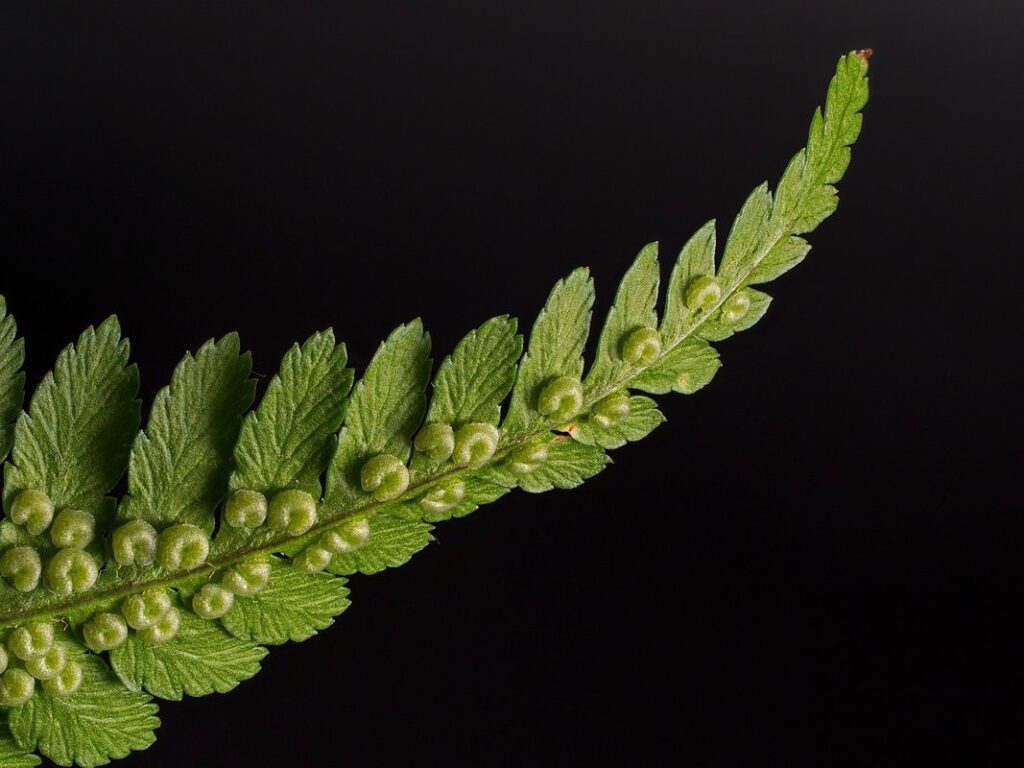
Choosing the Right Lemon Button Fern
When selecting a lemon button fern for your home, it’s essential to consider factors such as size, growth habits, and light requirements. This will ensure you choose a plant that thrives in its new environment.
Selection Criteria for Healthy Plants
When selecting a healthy lemon button fern for your home or office, there are several key factors to consider. The size of the plant is an essential consideration. A small to medium-sized plant (around 6-12 inches tall) is ideal for indoor spaces and allows you to easily inspect its condition.
Next, take a closer look at the leaf color. Lemon button ferns should have bright green leaves with yellow markings on the underside. If the leaves appear dull or discolored, it may be a sign of poor growing conditions or pests.
The potting mix is also crucial in determining the health of your lemon button fern. Look for plants that are potted in well-draining mixes specifically designed for ferns. Avoid plants with signs of waterlogging, as this can lead to root rot and other problems.
Finally, inspect the plant’s roots by gently removing it from its pot. Healthy roots should be white and firm, while dead or decaying roots indicate a sickly plant. By considering these factors, you’ll be well on your way to finding a healthy and thriving lemon button fern for your care.
Common Mistakes to Avoid When Buying
When buying a lemon button fern, it’s essential to be aware of common mistakes that can lead to problems down the line. One critical error is ignoring pests and diseases. Many people assume their new plant will automatically thrive in its new environment, but this couldn’t be further from the truth. Check your fern for any signs of infestation or infection before bringing it home – a simple inspection can save you from costly treatments later on.
Another mistake to avoid is neglecting the soil moisture level. Don’t get caught up in admiring the plant’s attractive foliage and forget to dig into the potting mix. A dry, cracked root system can be detrimental to your fern’s health, so make sure to check the moisture by gently sticking your finger into the soil up to the first knuckle.
When inspecting your new plant, also take note of any unusual growth patterns or color changes – these could indicate underlying issues that require attention. By being vigilant and taking the time to assess your fern before bringing it home, you’ll set yourself up for success in creating a happy, thriving environment.
Lighting Requirements for Lemon Button Ferns
When it comes to growing a healthy lemon button fern, providing the right lighting conditions is crucial. We’ll cover the specific requirements for your plant’s light needs below.
Understanding Light Intensity Levels
When it comes to providing the right lighting for your lemon button fern, understanding the different light intensity levels is crucial. These plants are native to tropical forests, where they grow under a dense canopy of trees, and as such, they require specific light conditions to thrive.
Low light conditions are suitable for areas with limited natural light or if you’re looking to create a shaded environment. In this case, your lemon button fern will still receive some indirect light, but it won’t be exposed to direct sunlight. Medium light is the ideal condition for most indoor spaces and works well for these plants. They’ll need about 4-6 hours of bright, indirect light each day.
High light conditions, while beneficial for growth, can be detrimental if overdone. Direct sunlight can cause leaf scorch and discoloration. If you do choose to place your fern in a sunny spot, make sure it’s at least 3-4 feet away from the window to prevent damage. Keep an eye on your plant’s response and adjust its position accordingly.
As a general rule of thumb, aim for bright, indirect light with a filter of some kind, such as a sheer curtain or a shade. This will help maintain a consistent temperature and prevent sudden changes that can stress your plant.
How to Provide Optimal Lighting for Your Plant
When it comes to providing optimal lighting for your lemon button fern, getting it just right can be a bit tricky. These plants thrive in bright, indirect light but can quickly scorch under direct sunlight. If you’re not lucky enough to have a spot with natural north-facing light, don’t worry – there are plenty of alternatives.
One option is to invest in grow lights specifically designed for houseplants like lemon button ferns. Look for LED grow lights that emit a balanced spectrum (around 20-50% blue and 40-60% red) as this will promote healthy growth without burning your plant’s leaves. Place the light about 6-8 inches above the foliage, adjusting the distance depending on the light’s intensity.
Alternatively, if you have a spot with low-to-medium indirect sunlight, consider placing your lemon button fern nearby. East-facing windows are also suitable options – just keep an eye out for any sudden changes in light patterns that might scorch the leaves. Remember to adjust your lighting setup as needed based on your plant’s response, and don’t be afraid to experiment with different combinations of natural and artificial lighting.
Watering and Humidity Needs
To keep your lemon button fern thriving, it’s essential to understand its specific watering and humidity needs. Regularly checking the soil moisture will help you get it just right.
Understanding the Importance of Watering Schedule
Establishing a watering schedule is crucial for maintaining the health and vitality of your lemon button fern. Without it, you risk over-watering or under-watering, both of which can be detrimental to the plant’s well-being. To create an effective schedule, consider the moisture level of the soil. Check the top 1-2 inches of soil by sticking your finger into it; if it feels dry, it’s time to water.
Climate also plays a significant role in determining watering frequency. If you live in a humid climate, your fern may require less water due to increased moisture levels in the air. On the other hand, if you reside in a dry region, you’ll need to water more frequently. As a general rule of thumb, water your lemon button fern when the top 1-2 inches of soil feel dry to the touch.
Remember that frequency and duration of watering will vary depending on the season. During warmer months, your fern may require more water due to increased growth and transpiration. Conversely, reduce watering during cooler periods when growth slows down. By taking these factors into account, you’ll be able to create a tailored watering schedule that meets your lemon button fern’s unique needs.
Maintaining Optimal Humidity Levels
Maintaining optimal humidity levels is crucial for your lemon button fern’s health and well-being. These plants thrive in environments with high humidity, typically between 50-70%. If you live in a dry climate or have a central heating system, it can be challenging to maintain this level of humidity naturally.
To overcome this issue, consider using humidifiers specifically designed for indoor use. These devices release moisture into the air, helping to maintain a comfortable environment for your fern. Another creative solution is to place the pot on a tray with pebbles and water. As the water evaporates, it creates a microclimate around the plant, increasing humidity levels.
You can also enhance this method by placing the tray near the fern or using a larger tray to hold more water. Regularly monitoring your fern’s surroundings will help you adjust the humidifier or tray setup as needed. Keep in mind that over-watering is just as problematic as under-humidification, so ensure you strike the right balance to keep your lemon button fern happy and thriving.
Fertilization and Pruning
To keep your lemon button fern healthy and thriving, you’ll want to fertilize it regularly and prune it carefully to maintain its desired shape. This will also help control its growth.
Fertilizing Your Lemon Button Fern
Fertilizing your lemon button fern is essential to promote healthy growth and prevent nutrient deficiencies. This delicate plant requires a balanced diet of nutrients to maintain its vibrant green color and prevent yellowing leaves. When choosing a fertilizer, opt for a water-soluble or liquid fertilizer specifically designed for ferns. Avoid using regular potting soil fertilizers as they can burn the roots.
A balanced fertilizer with equal NPK (nitrogen, phosphorus, potassium) ratios is ideal for lemon button ferns. You can also use an organic fertilizer like fish emulsion or seaweed extract to provide essential micronutrients. Mix the fertilizer according to the manufacturer’s instructions and water your plant thoroughly before application.
Fertilize your lemon button fern every 2-3 weeks during the growing season (spring-fall) when it is actively producing new growth. During the dormant season, reduce fertilization to once a month. Remember to avoid over-fertilizing as this can cause more harm than good. Monitor your plant’s response and adjust the frequency or type of fertilizer accordingly.
Pruning Techniques for Healthy Growth
When it comes to pruning your lemon button fern, timing is everything. You’ll want to prune during the spring and summer months when new growth is actively occurring. This will help you control the shape of your fern, promote healthy growth, and encourage root development.
To begin, inspect your fern carefully for any dead or damaged leaves. Remove these immediately, as they can harbor pests and diseases that can quickly spread throughout the plant. Use a pair of clean, sharp scissors or pruning shears to cut off the affected fronds at the base. This will help maintain the overall appearance of your fern and prevent it from looking unkempt.
Next, focus on trimming back overgrown fronds. Simply snip off any long or unruly leaves with your scissors or pruning shears, cutting them just above a node (where the leaf meets the stem). This will encourage new growth to emerge from that spot, giving your fern a fuller and more balanced appearance. By pruning regularly, you’ll be able to keep your lemon button fern looking its best.
Pest Control and Disease Management
To keep your lemon button fern healthy, you’ll want to learn how to identify and manage common pests and diseases that can affect these delicate plants. This includes knowing what to watch out for and how to treat any issues quickly.
Common Pests Affecting Lemon Button Ferns
When it comes to pest control for lemon button ferns, being aware of common pests is crucial. Among these pests are spider mites, mealybugs, and scale insects – all of which can cause significant damage if left unchecked.
Spider mites are tiny, eight-legged arachnids that feed on the sap of plants. They’re often identified by a fine webbing on the plant’s leaves or stems. To combat spider mite infestations, increase humidity levels around your fern and use neem oil or insecticidal soap as a treatment.
Mealybugs are small, white insects covered in a waxy coating that secrete a sticky substance called honeydew. They’re often found on the underside of leaves or on stems. Mealybug infestations can be controlled by isolating the affected plant, wiping it clean with a damp cloth, and applying insecticidal soap or neem oil.
Scale insects are armored, immobile pests that secrete honeydew as they feed on plant sap. They’re often found on the underside of leaves or on stems. To control scale infestations, use neem oil or insecticidal soap to suffocate the insects and prevent them from spreading.
By being aware of these common pests and taking prompt action, you can protect your lemon button fern from damage and ensure it continues to thrive.
Signs of Disease in Your Plant
As a lemon button fern owner, it’s essential to be aware of the signs of disease that can affect your plant. Regularly inspecting your fern for any changes is crucial to prevent the spread of diseases. One common sign of disease is yellowing leaves, which can indicate overwatering or root rot. If you notice your fern’s leaves turning yellow, stop watering it immediately and repot it in fresh, well-draining soil.
Another indication of a problem is the appearance of black spots on the leaves. This could be a fungal infection, such as leaf spot disease. To treat this, remove any infected leaves to prevent the spread of the disease. Treat your fern with a fungicide specifically designed for houseplants, following the product’s instructions carefully.
Be aware that pests like spider mites or mealybugs can also cause damage to your lemon button fern. Inspect your plant regularly and take action if you notice any signs of infestation. With prompt treatment, you can prevent the spread of disease and keep your lemon button fern healthy.
Propagation and Repotting
When it’s time to share your lemon button fern with others or give it a fresh new home, propagation and repotting are essential skills to master. We’ll guide you through both processes in this section.
Methods for Propagating Lemon Button Ferns
Propagating lemon button ferns can be done through division, leaf cuttings, and spores. When using the division method, carefully dig up the entire fern plant, taking care not to damage its roots. Gently separate the smaller plants from the mother plant, making sure each division has a sufficient number of leaves and roots for successful growth.
For leaf cuttings, choose healthy, mature fronds with a long petiole (stem). Cut about 6-8 inches from the top of the frond, just above a node. Remove lower leaves, leaving only two to three sets at the top. Place the cutting in water or a propagation tray filled with moist peat moss, and maintain high humidity until roots develop.
If you’re interested in propagating your lemon button fern through spores, it’s essential to do so during the spring or summer months when spore production is highest. Collect mature fronds with viable spores and gently brush them off onto a sterile medium, such as a propagation tray filled with a mixture of peat moss and perlite. Water lightly but regularly until roots develop, usually within 3-6 weeks.
Regularly monitor the temperature, light, and humidity levels to ensure optimal growth during this process.
When to Repot Your Plant
When to Repot Your Lemon Button Fern
Lemon button ferns typically need to be repotted every 1-2 years as they outgrow their containers. Look for signs that indicate it’s time to give your plant a larger pot or fresh potting mix. One of the most obvious signs is when the plant has become root-bound, meaning its roots have filled the container and are starting to grow out of the drainage holes. Another sign is if you notice water pooling around the base of the plant after watering.
Another reason to repot your lemon button fern is if the potting mix is breaking down or drying out quickly. This can be due to over-fertilization or poor soil quality. If you notice the soil becoming depleted of nutrients, it’s time to refresh the potting mix with a new batch. When repotting, choose a pot that’s only 1-2 sizes larger than the previous one to avoid washing away beneficial soil microorganisms. Water your lemon button fern thoroughly before repotting and keep an eye on its watering needs in the first few weeks after repotting.
When selecting a new pot, make sure it has good drainage holes to prevent waterlogged soil and root rot. Choose a pot that fits comfortably in the space you have available for your plant, leaving enough room for growth.
Frequently Asked Questions
Can I grow a lemon button fern outdoors if it’s in a shaded area?
Yes, you can grow a lemon button fern outdoors in a shaded area, but ensure the shade is not too dense or it may cause the plant to become leggy. A north-facing location with dappled shade would be ideal for this purpose.
How often should I repot my lemon button fern?
Repot your lemon button fern every 1-2 years in the spring when it becomes pot-bound, using a well-draining mix specifically designed for ferns. This will give the roots room to grow and refresh the soil.
What are some common pests that affect lemon button ferns, and how can I prevent them?
Common pests affecting lemon button ferns include spider mites, mealybugs, and scale. To prevent infestations, maintain good air circulation around your plant and inspect it regularly for signs of pests. Use neem oil or insecticidal soap to control any issues that arise.
Can I propagate a lemon button fern using just a single frond?
Yes, you can propagate a lemon button fern from a single frond by placing the section in water until roots develop, then transplanting it into potting mix. However, be aware that this method may not produce exact copies of the parent plant.
How do I maintain optimal humidity levels for my lemon button fern if I live in a dry climate?
To maintain optimal humidity levels (50-70%) for your lemon button fern in a dry climate, use a humidifier near the plant or place it on a tray filled with water and pebbles. You can also cover the pot with a clear plastic bag to create a mini-greenhouse effect.