
When it comes to growing plants indoors, you have two popular options: grow tents and greenhouses. Both offer a controlled environment for your crops, but they differ significantly in terms of functionality, cost, and overall experience. As an indoor gardener, choosing between these two solutions can be overwhelming, especially with the various factors to consider.
In this article, we’ll break down the key differences between grow tents and greenhouses, helping you determine which one suits your needs best. We’ll delve into climate control, cost efficiency, and other essential aspects that will make your decision-making process easier. By comparing these two options side by side, you’ll gain a better understanding of how to create an optimal growing environment for your plants, whether it’s for hobbyist or commercial purposes.
Understanding Your Options
Now that you know the basics of both grow tents and greenhouses, let’s dive into what you need to consider when choosing between them for your growing needs. What are your specific requirements for your setup?
What is a Grow Tent?
A grow tent is an enclosed growing space made of durable materials, such as canvas, nylon, or PVC-coated fabrics. These tents are designed to provide a controlled environment for plants to thrive, and they’re becoming increasingly popular among indoor gardeners. One of the primary benefits of using a grow tent is its ability to create a climate-controlled microclimate within an existing space.
Grow tents come with built-in features such as ventilation systems, lighting, and irrigation systems, making them ideal for small-scale or large-scale growing operations alike. They’re also relatively easy to set up and can be placed in any room of your home, apartment, or office building.
Some common uses of grow tents include starting seedlings, propagating cuttings, and even growing full-fledged crops like tomatoes and lettuce. Many gardeners use them as a space-saving solution for their indoor gardens, allowing them to produce fresh produce year-round regardless of the outside weather conditions. With proper setup and maintenance, a grow tent can provide consistent yields and help you achieve your gardening goals.
What is a Greenhouse?
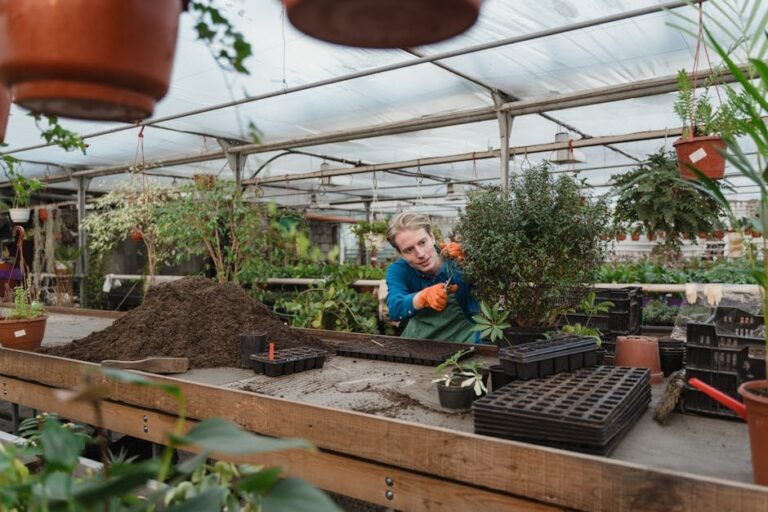
A greenhouse is essentially an enclosed structure made of transparent materials such as glass or plastic that allows plants to grow under controlled conditions. Its primary function is to trap heat from the sun and retain it within the space, creating a warm and stable environment ideal for plant growth.
One of the significant benefits of using a greenhouse is its ability to extend the growing season. By providing protection from harsh weather conditions such as frost, strong winds, and intense sunlight, greenhouses enable growers to cultivate plants year-round. This not only increases crop yields but also allows for a wider variety of crops to be grown.
In terms of common applications, greenhouses are often used in commercial settings such as nurseries, botanical gardens, and farms. However, they can also be employed in residential areas by hobbyists and home gardeners who want to grow their favorite fruits, vegetables, or flowers throughout the year. When choosing between a greenhouse and a grow tent, consider the space available, budget, and specific growing needs to determine which option is right for you.
Comparing Grow Tents and Greenhouses: An Overview
When deciding between a grow tent and a greenhouse, it’s essential to understand the key similarities and differences between these two options. Both provide controlled environments for plant growth, but they have distinct characteristics that set them apart.
Grow tents are portable, compact spaces made of fabric or metal that can be easily set up indoors or outdoors. They’re ideal for small-scale growers who want to optimize their space and control temperature, humidity, and light conditions. Greenhouses, on the other hand, are permanent structures designed to maximize natural light and maintain optimal growing conditions year-round.
One significant difference between the two is their cost. Grow tents are generally more affordable, with prices ranging from $100 to $1,000 or more, depending on size and features. Greenhouses, by contrast, can be quite expensive, with costs ranging from a few thousand dollars for small DIY models to tens of thousands of dollars for large commercial greenhouses.
Ultimately, the choice between a grow tent and a greenhouse depends on your specific needs and goals. If you’re looking for a cost-effective solution for small-scale growing, a grow tent might be the way to go. However, if you have more extensive space and want to create a permanent, high-tech growing environment, a greenhouse could be the better choice.
Climate Control and Temperature Management
Let’s dive into how you can regulate temperature and humidity levels within your grow space, whether it’s a tent or greenhouse setup. This is crucial for optimal plant growth.
Maintaining Optimal Temperatures with Grow Tents
When using grow tents for your indoor growing operation, maintaining optimal temperatures is crucial for plant health and productivity. Grow tents provide an ideal environment for climate control, allowing you to regulate both heating and cooling systems.
To heat a grow tent effectively, consider installing a dedicated heating unit such as a space heater or a radiant heater. These units can be set to specific temperature settings to prevent overheating. For instance, if you’re growing sensitive plants like seedlings, maintaining temperatures between 65-75°F (18-24°C) during the day and around 55-65°F (13-18°C) at night will promote healthy growth.
Conversely, cooling systems can be implemented using exhaust fans or evaporative coolers. These devices draw hot air out of the tent while introducing cooler outside air to regulate temperatures. A rule of thumb for optimal temperature management is to ensure that the grow area never exceeds 80°F (27°C), as this can cause plant stress and decrease yields.
When selecting a heating and cooling system, consider factors such as energy efficiency, noise level, and ease of installation.
The Role of Greenhouse Design in Temperature Regulation
When it comes to temperature regulation in greenhouses, design plays a crucial role. The glazing materials used for the greenhouse walls and roof can significantly impact the internal temperature. For instance, polycarbonate glazing allows for up to 90% of sunlight to pass through, which can be beneficial for plants requiring high light levels but may lead to overheating issues in warmer climates.
To mitigate this, many growers employ shading strategies such as installing louvers or shade cloth on the roof or walls. These allow for controlled light entry while maintaining a stable temperature. Another consideration is the greenhouse’s orientation and layout – ensuring optimal exposure to natural ventilation can also help regulate internal temperatures.
In practice, growers often use a combination of these design elements to create an ideal environment for their plants. For example, a south-facing greenhouse with polycarbonate glazing might be paired with automated shading systems to prevent overheating during the summer months. By carefully considering the interplay between these factors, growers can effectively manage temperature fluctuations and provide optimal growing conditions for their crops.
Balancing Climate Control Costs: Grow Tents vs. Greenhouses
Balancing climate control costs is a crucial aspect of deciding between grow tents and greenhouses. While both options provide optimal growing conditions, their temperature management requirements can significantly impact expenses.
Grow tents are generally more energy-efficient than greenhouses due to their compact size and ability to maintain consistent temperatures with minimal heat loss. A 10×20 foot grow tent, for example, may consume around $50-70 per month in electricity costs during peak growing seasons. However, this cost can increase if the tent is not properly insulated or if supplemental lighting is used extensively.
Greenhouses, on the other hand, often require more significant investments in heating and cooling systems to maintain optimal temperatures. A small greenhouse might need a $2,000-$3,000 heating system, while larger structures may necessitate even more substantial expenditures. Nevertheless, greenhouses can provide natural light and passive solar heating, potentially reducing energy costs over time.
To minimize climate control expenses, consider the following tips: use high-quality insulation in both grow tents and greenhouses; optimize ventilation systems to prevent heat buildup; and select plants that thrive within a narrower temperature range. By implementing these strategies, you can create an efficient growing environment while keeping costs manageable.
Lighting Considerations
When setting up either a grow tent or greenhouse, it’s crucial to consider how you’ll light your plants. Proper lighting can greatly impact plant growth and health.
Artificial Lighting Options in Grow Tents
When it comes to grow tents, artificial lighting systems are a crucial component of successful indoor growing. Within these tents, you’ll typically find one of two primary types of lighting options: LED (Light Emitting Diode) and HPS (High Pressure Sodium). Let’s dive into the specifics of each.
LED lights have become increasingly popular in recent years due to their energy efficiency and longevity. They use significantly less power than traditional HPS grow lights, resulting in lower electricity bills. Additionally, LEDs produce minimal heat, reducing the risk of overheating and damage to plants. They also offer a broader spectrum of light, with some models including UV and IR frequencies that promote healthy plant growth.
HPS lights, on the other hand, are often more cost-effective upfront but have higher energy consumption rates. However, they still provide excellent results for most growers. When choosing between LED and HPS options, consider your specific needs and preferences. If you prioritize energy efficiency and longevity, LEDs might be the way to go. For those with a larger budget or who require high-intensity lighting, HPS could be the better choice.
Natural Light Utilization in Greenhouses
When it comes to maximizing your greenhouse’s potential, utilizing natural sunlight is one of the most cost-effective and sustainable methods. Greenhouses can be designed to harness the power of the sun, reducing the need for artificial lighting and creating a healthier environment for your plants.
The type of glazing material used in greenhouses plays a significant role in natural light utilization. Double-glazed or triple-glazed panels allow more sunlight to enter while keeping heat trapped inside, minimizing energy loss. Polycarbonate or acrylic panels are also popular choices due to their durability and ability to filter out UV rays. When selecting the right glazing material, consider factors such as climate, plant type, and budget.
Proper orientation is another crucial aspect of maximizing natural light in greenhouses. Ideally, the structure should face towards the south (in the Northern Hemisphere) or north (in the Southern Hemisphere) to receive direct sunlight throughout most of the day. By aligning your greenhouse with the sun’s path, you can create a more efficient and productive growing environment for your plants.
Hybrid Lighting Strategies for Optimal Growth
When it comes to maximizing growth potential in either a grow tent or greenhouse setup, incorporating hybrid lighting strategies can be a game-changer. By combining artificial and natural light sources, you can create an optimal environment for your plants.
One approach is to use LED grow lights as the primary light source during periods of low sunlight, such as winter months or when growing indoors year-round. During peak sunlight hours, you can switch off the LEDs and let nature do its thing. This allows you to take advantage of natural light while still providing supplemental lighting for extended growth periods.
Another strategy is to use a “light recycling” method, where you position LED grow lights above the plants during the day to capture excess energy from the sun. At night, you can switch them off and let the plants’ stored energy continue to support photosynthesis.
By implementing these hybrid lighting strategies, you can create an optimal balance between natural and artificial light sources, ultimately leading to healthier, more productive crops. With careful planning and experimentation, you can find the perfect combination for your specific setup and growing needs.
Space Efficiency and Portability
When it comes to indoor growing, space is a precious commodity – that’s why we’ll explore how to maximize your room for growth without sacrificing yields. Let’s talk portability and efficiency.
Maximizing Space with Grow Tents
When it comes to maximizing space with grow tents, the possibilities are endless. These flexible and versatile structures can be used to optimize space in small areas or as part of a larger growing operation. For instance, you can set up a grow tent in a tiny backyard, on a balcony, or even indoors in a compact room.
Grow tents come in various sizes, from small 2×2 foot models to large 4×8 foot units. This means you can choose the perfect size to fit your space and growing needs. Plus, with adjustable height settings, you can easily customize the tent to accommodate different plant heights as they grow.
One of the most significant advantages of grow tents is their ability to utilize vertical space. With a trellis or a wall-mounted system, you can train vines and climbers to grow upwards, freeing up floor space for more plants. This makes them an ideal choice for small spaces or urban gardens where square footage is limited.
To make the most of your grow tent’s space potential, consider investing in a sturdy shelving unit or a storage cabinet to keep supplies and equipment organized and out of the way. By maximizing vertical space and keeping essentials within easy reach, you can create an efficient and productive growing area that yields impressive results.
Setting Up a Portable Greenhouse
Setting up a portable greenhouse requires some consideration to ensure it’s stable and secure. First, choose a flat area with good drainage to prevent water accumulation. Next, unpack the greenhouse and lay out all the components according to the manufacturer’s instructions.
Anchoring is crucial for portable greenhouses, as they can be easily toppled by strong winds or heavy rainfall. Invest in high-quality anchoring kits that come with the greenhouse or purchase separate anchors specifically designed for outdoor use. These should be installed at least 6-8 inches deep into the ground to prevent shifting.
When positioning your portable greenhouse, consider its orientation and proximity to direct sunlight. Most greenhouses require a minimum of 4-6 hours of direct sunlight per day for optimal growth. Also, ensure there’s enough space around the greenhouse for easy access and maintenance.
Finally, inspect the greenhouse’s assembly and anchoring before placing plants inside. With proper setup, your portable greenhouse will provide a stable and protective environment for your plants to thrive.
Flexibility: A Key Advantage for Both Options
One of the significant advantages of both grow tents and greenhouses is their flexibility. Whether you’re a seasoned gardener or just starting out, having options when it comes to placement, size, and portability can make all the difference.
Grow tents are incredibly portable, allowing you to move them around as needed. This makes them perfect for those with limited space or who like to change up their growing environment regularly. You can set one up in a garage, basement, or even a spare room, making it easy to control the environment and keep your plants happy.
Greenhouses, on the other hand, offer flexibility in terms of size and placement. They come in various shapes and sizes, from compact units that fit on a balcony to larger ones that can be set up in a backyard. Some models even have wheels or are designed to be freestanding, making it easy to move them around or take advantage of different sunlight patterns throughout the day.
This flexibility is especially useful for gardeners with limited outdoor space or those who need to accommodate changing weather conditions. By choosing either a grow tent or greenhouse that fits your specific needs, you can create an optimal growing environment and get the most out of your plants’ potential.
Pest Control and Safety Measures
When it comes to growing indoors, pests can be a major threat to your crops. In this section, we’ll cover essential safety measures to prevent infestations and protect yourself from potential hazards.
Integrated Pest Management (IPM) Strategies in Grow Tents
When it comes to grow tent environments, Integrated Pest Management (IPM) strategies are crucial for maintaining a healthy and thriving crop. IPM involves monitoring systems and organic controls that work together to prevent pest infestations before they become a problem.
To implement an effective IPM strategy in your grow tent, start by installing a monitoring system that tracks temperature, humidity, and light levels. This will help you identify potential issues before pests take hold. For instance, if the temperature is consistently above 75°F (24°C), it may attract pests like fungus gnats or spider mites.
In addition to monitoring systems, organic controls are essential for maintaining a balanced ecosystem in your grow tent. Use neem oil or insecticidal soap to control pests, and introduce beneficial insects like ladybugs or lacewings to prey on unwanted pests. Regularly inspect your plants for signs of infestation and take action promptly to prevent the problem from spreading.
Remember, prevention is key when it comes to IPM in grow tents. By implementing these strategies, you can reduce the risk of pest infestations and maintain a healthy crop throughout its growth cycle.
Physical Barriers and Biological Controls in Greenhouses
In addition to using integrated pest management (IPM) strategies and monitoring systems, greenhouse growers can also employ physical barriers and biological controls to prevent pest infestations. Physical barriers involve creating a physical obstruction between the plants and pests, while biological controls rely on introducing beneficial organisms that prey on or compete with the target pests.
For example, fine mesh screens can be installed around plant tables or benches to prevent flying insects like whiteflies and aphids from reaching the plants. Copper tape is another effective barrier against slugs and snails, which are attracted to copper and will avoid it.
Biological controls in greenhouses often involve introducing beneficial nematodes that attack and kill pests like grubs, caterpillars, and even fungal pathogens. These microscopic worms can be applied directly to the soil or watered onto the leaves of affected plants.
Some common biological control agents include ladybugs for aphids and whiteflies, lacewings for aphids and caterpillars, and parasitic wasps that prey on pests like thrips and mites.
Safety Considerations for Both Options
When using either a grow tent or greenhouse, it’s crucial to prioritize safety. This includes being mindful of electrical hazards, structural integrity, and environmental factors that could pose risks to you and your plants.
Electrical equipment is often used within both grow tents and greenhouses, so take care when placing lighting, ventilation systems, and other devices. Ensure cords are properly secured to prevent tripping or accidental dislodging, which can cause electrical shock or fires. Regularly inspect your equipment for signs of wear or damage, replacing them as needed.
Structural integrity is also vital, particularly in greenhouses where glass panels can be prone to breakage. Inspect the frame and panels regularly for cracks, weaknesses, or other damage that could compromise the structure’s stability. Keep an eye out for pest infestations, which can weaken the material over time.
In terms of environmental hazards, consider factors like temperature extremes, humidity levels, and air circulation. These conditions can become hazardous if not managed properly. For example, high temperatures can lead to fires or burn injuries, while poor air circulation can contribute to respiratory issues.
Cost Comparison and ROI Analysis
Now that we’ve weighed the pros and cons of each option, let’s take a closer look at how your investment will break down. Here, we’ll dive into the costs associated with both grow tents and greenhouses.
Initial Setup Costs: Grow Tents vs. Greenhouses
When considering an initial investment for growing plants indoors, both grow tents and greenhouses require significant upfront costs. Grow tents, which are essentially portable, enclosed spaces for plant growth, can range from $100 to over $1,000 depending on size and features. For example, a basic 2×2 foot tent might cost around $150, while a larger 4×4 foot model with additional ventilation and lighting could set you back up to $500.
Greenhouses, on the other hand, are typically more substantial investments, ranging from several thousand to tens of thousands of dollars. A small backyard greenhouse, for instance, might require an investment of around $5,000 to $10,000, while a larger commercial model could cost upwards of $50,000 or more.
In addition to hardware costs, growers should also factor in necessary permits and local regulations. Some areas may have specific requirements for greenhouses, such as zoning restrictions or electrical permits. Grow tents often require less paperwork and regulatory compliance than traditional greenhouses.
To give you a better idea of the initial setup costs involved, consider your specific needs and budget before making a decision. Research local suppliers and online retailers to find the best deals on hardware and equipment.
Ongoing Expenses: Energy Consumption and Maintenance
When it comes to growing plants indoors, ongoing expenses can make a significant impact on your overall costs. Two key areas to consider are energy consumption and maintenance requirements.
Grow tents, being sealed environments, can be more energy-intensive than greenhouses, especially if you’re using high-intensity lighting. According to the US Department of Energy, 40% of a home’s energy usage comes from heating and cooling. To mitigate this, look for LED grow lights that are energy-efficient and consider installing temperature controls to regulate your grow tent’s environment. This can help reduce your energy bills by up to 30%.
In contrast, greenhouses often require less energy as they utilize natural light during the day and can be designed with insulation to retain heat. However, this may not always be possible depending on your location or climate. Regular maintenance is also crucial for both options: clean your grow tent’s fans and filters regularly, and inspect your greenhouse’s glazing and structural integrity frequently.
To give you a better idea of the costs involved, consider the following example: A 2×4 grow tent with high-intensity lighting can consume up to $50 per month in electricity. In contrast, a well-insulated greenhouse might require only $20-30 per month for heating and cooling. By understanding your specific energy consumption and maintenance needs, you can make an informed decision about which option is right for you.
Long-Term Returns on Investment (ROI) for Both Options
When comparing grow tents and greenhouses, one of the most critical factors to consider is their long-term return on investment (ROI). The ROI of these structures can be influenced by several key factors.
For instance, the initial cost of a greenhouse is typically higher than that of a grow tent. However, a well-maintained greenhouse can last for decades with minimal repairs and replacements, while a grow tent’s lifespan is generally shorter due to its fabric or materials’ degradation over time. Moreover, greenhouses often provide better insulation and climate control, allowing growers to optimize yields and extend their growing season.
On the other hand, grow tents are relatively easier to install, relocate, or upgrade as needed. They also offer more flexibility in terms of size and layout adjustments without significant renovation costs. According to a study by the National Gardening Association, indoor gardeners who use grow tents can expect an average annual ROI of 20-30%. In contrast, greenhouse owners often report returns ranging from 30-50% per annum due to their increased efficiency and extended growing periods.
Conclusion and Final Recommendations
Now that we’ve weighed the pros and cons of grow tents and greenhouses, let’s distill our findings into a clear conclusion. This final verdict will help you make an informed decision for your indoor growing needs.
Recap of Key Points and Considerations
When deciding between a grow tent and a greenhouse, it’s essential to recap the key points discussed earlier to make an informed decision. As we’ve weighed the pros and cons of each option, consider the following:
* Grow tents offer flexibility, ease of use, and affordability, making them ideal for small-scale growers or those with limited space.
* On the other hand, greenhouses provide a more extensive growing area, better ventilation, and increased yields, but they require significant investment, maintenance, and often have zoning restrictions.
* When evaluating your needs, think about the size of your operation, climate control requirements, and budget constraints.
Ultimately, your decision comes down to balancing convenience with growth potential. Consider how much space you need to accommodate your plants’ growth stages and whether a grow tent’s compact design will suffice or if you require more expansive coverage like a greenhouse provides.
Choosing Between a Grow Tent and Greenhouse: Factors to Weigh
When choosing between a grow tent and greenhouse, it’s essential to consider your specific needs and preferences. Think about your space constraints: do you have limited room for a large structure? A grow tent is a great option, offering flexibility and portability. On the other hand, if you have ample outdoor or indoor space, a greenhouse can provide more extensive growing possibilities.
Consider your climate as well. If you live in an area with harsh weather conditions, a greenhouse may be more suitable for protecting your plants from extreme temperatures and weather fluctuations. However, if you’re on a tighter budget or prefer easy setup and teardown, a grow tent might be the way to go.
Reflect on your growing style too – do you enjoy experimenting with various plant combinations? A greenhouse can accommodate multiple levels and layouts, allowing for more creative freedom. Conversely, a grow tent is ideal for those who prefer a more streamlined approach, focusing on one or two specific plants at a time. Ultimately, weighing these factors will help you make an informed decision that suits your unique needs and preferences.
Frequently Asked Questions
Can I use a grow tent for both seedlings and mature plants?
Yes, many growers use grow tents to nurture their plants from seedling stage to maturity. The controlled environment within the tent allows you to adjust variables like temperature, humidity, and light spectrum according to your plant’s specific needs at each growth phase.
How do I ensure proper air circulation in my greenhouse setup?
To promote healthy air circulation in a greenhouse, consider installing vents or using automated ventilation systems that can be programmed to open during hot periods. This will help prevent the buildup of heat stress and maintain an optimal microclimate for your plants.
What are some cost-effective ways to control pests in my grow tent?
Preventive measures like crop rotation, sanitation, and using physical barriers (like fine mesh or sticky traps) can significantly reduce pest-related costs in your grow tent. Regularly inspecting your plants and monitoring environmental conditions also helps identify potential issues before they escalate.
Can I use a hybrid lighting strategy with both grow tents and greenhouses?
Yes, you can combine natural light from the greenhouse or nearby windows with artificial lighting in your grow tent to create an optimal growing environment for your plants. This approach allows you to extend the growing season and increase yields by taking advantage of both natural and supplemental lighting sources.
How do I choose between a portable greenhouse and a permanent one?
When deciding between a portable greenhouse and a more permanent setup, consider factors like space constraints, mobility needs, and budget limitations. Portable greenhouses offer flexibility but might require more frequent setup and takedown, while fixed structures provide stability and durability but are often less adaptable to changing environments.