
Strawberry lovers, rejoice! If you’re looking for a foolproof way to multiply your favorite fruit-producing plants without spending a fortune on new seeds or seedlings, then strawberry runners are the answer. These versatile and hardy little wonders allow you to create an endless supply of new plants from just one original patch. But propagating and caring for strawberry runners can be a bit tricky if you don’t know the ropes.
In this article, we’ll dive into the nitty-gritty of growing and maintaining healthy strawberry runner plants. We’ll cover the benefits and challenges of using runners to propagate your strawberries, as well as expert tips on harvesting and maintaining optimal fruit production. Whether you’re a seasoned gardener or just starting out, our step-by-step guide will walk you through everything you need to know about strawberry runners – from planting to pruning and beyond.
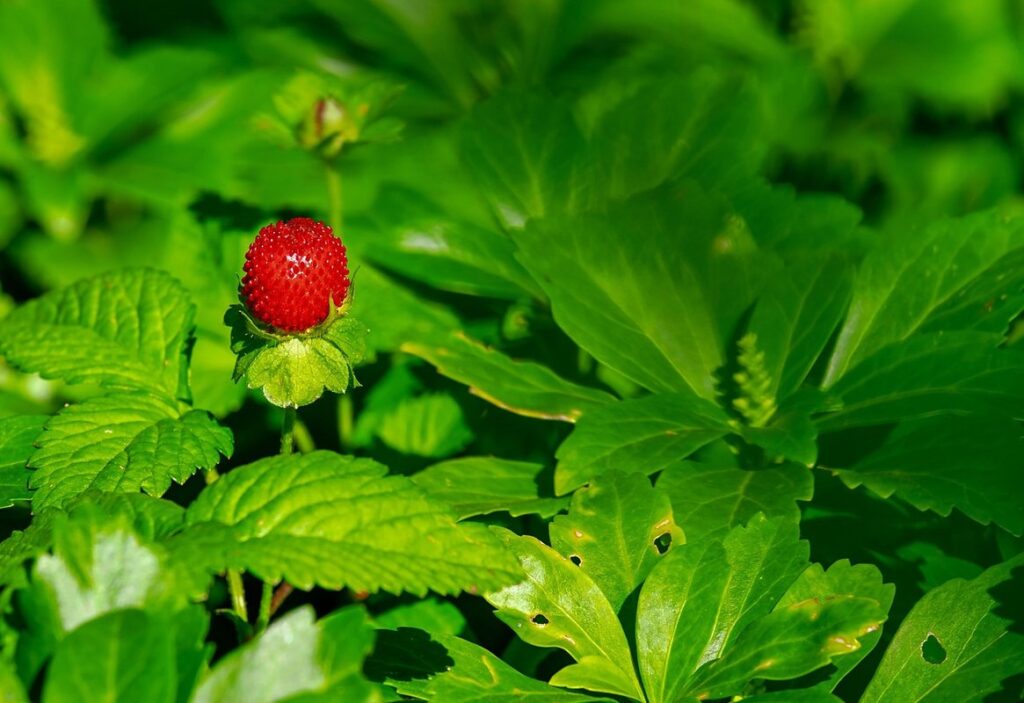
Understanding Strawberry Runners
Strawberry runners are a unique and exciting way for your plants to propagate, but they can be tricky to understand if you’re new to growing strawberries. In this section, we’ll break down how runners work.
What are Strawberry Runners?
Strawberry runners are one of the most exciting and efficient ways to propagate new strawberry plants. These long stems, which can grow up to 3-4 feet in length, emerge from established mother plants and produce roots and new leaves at their tips. As they mature, these runners will eventually break off from the parent plant and form new independent strawberry plants.
The importance of strawberry runners lies in their ability to help propagate new plants with minimal effort and cost. By allowing your strawberry plants to produce runners, you can create an entire field or bed of new plants without having to purchase additional seeds or seedlings. This process is especially valuable for commercial growers who need to maintain a consistent supply of fresh strawberries.
To encourage runner production in your strawberry plants, make sure they receive full sun and adequate watering. Strawberry plants grown under these conditions will produce more runners and eventually form new plants at their tips. Regular pruning can also help direct the plant’s energy towards producing new growth rather than flowers or fruit.
Benefits of Growing Strawberry Runners
Growing strawberry runners offers numerous benefits that make them an attractive option for both commercial and home gardeners. One of the primary advantages is ease of propagation. Strawberry runners can be easily detached from the parent plant, rooted, and replanted, allowing you to quickly multiply your strawberry crop.
This method also saves space in your garden, as multiple plants can be grown from a single runner. For instance, if you have limited bed space, growing strawberry runners can help you maximize your yield without sacrificing valuable land. Additionally, using this propagation technique eliminates the need for expensive seeds, making it a cost-effective solution.
Commercial growers appreciate the efficiency of strawberry runner production, as it enables them to quickly meet market demand and increase their profits. Similarly, home gardeners can benefit from growing strawberry runners by expanding their harvest with minimal effort and expense. By incorporating this simple yet effective method into your strawberry cultivation routine, you can enjoy a bountiful crop while conserving resources.
Preparing the Soil for Strawberry Runners
Before planting strawberry runners, it’s crucial to prepare the soil by loosening and aerating it to a depth of at least 12 inches. This will give your new plants the best chance to establish strong roots and thrive.
Choosing the Right Location
When choosing the right location for your strawberry runners, several key factors come into play. First and foremost, consider sunlight – strawberries need at least 6 hours of direct sunlight per day to produce well. If your garden receives full sun, you’re good to go! However, if it’s partially shaded or receives morning sun but is shaded by midday, don’t worry – some strawberry varieties can tolerate partial shade.
Next up, think about soil type. Strawberries prefer well-draining, fertile soil with a pH between 5.5 and 6.5. If your soil is heavy clay, sandy, or prone to waterlogging, consider raised beds or containers to give the roots room to breathe. On the other hand, if you have poor soil but plenty of sunlight, you can amend it with compost or well-rotted manure.
Drainage is also crucial – strawberries hate wet feet! Make sure your chosen location drains excess moisture quickly to prevent waterlogged soil and root rot. A slight slope or raised bed can help here.
Amending the Soil
When amending the soil for strawberry runner cultivation, it’s essential to consider the pH levels and nutrient requirements. Strawberries prefer a slightly acidic to neutral soil pH between 5.5 and 6.5. If your soil is too alkaline or acidic, it can lead to nutrient deficiencies and poor plant growth.
To improve soil fertility, add organic matter like well-rotted compost, manure, or peat moss. These additions help to increase the water-holding capacity of the soil, reduce erosion, and provide essential nutrients for healthy strawberry growth. For example, compost can supply nitrogen, phosphorus, and potassium, while also improving the overall structure and aeration of the soil.
Additionally, consider adding specific micronutrients like magnesium and sulfur, which are crucial for plant development and fruit production. A balanced fertilizer with a ratio of 10-10-10 (nitrogen-phosphorus-potassium) can be applied according to the manufacturer’s instructions. Make sure to follow these tips: add amendments in moderation, as over-fertilization can harm strawberry plants, and always test your soil before making any significant changes to ensure the best results for your strawberry runners.
Propagating Strawberry Runners
Now that you know how to establish a healthy strawberry plant, it’s time to learn how to propagate new ones from your existing runners. This process is surprisingly easy and cost-effective.
How to Take Cuttings
Taking cuttings from mature strawberry plants is an effective way to propagate new runners. Timing is crucial; it’s best to take cuttings in late spring or early summer when the plant is producing fresh growth. This ensures that the cutting will root easily and reduce the risk of fungal diseases.
To take a healthy cutting, start by selecting a strong, disease-free stem with at least two nodes. Cut the stem just above a node using a clean, sharp knife or pruning tool. Make the cut at a 45-degree angle to prevent water from collecting on the cut end.
For successful propagation, you’ll need a rooting medium like perlite, vermiculite, or a mix specifically designed for strawberries. Moisten the medium and gently plant the cutting about an inch deep, making sure the node is buried. Water thoroughly and maintain consistent moisture levels until roots develop, usually within 2-3 weeks.
Encouraging Root Development
To encourage healthy root development in strawberry runners, it’s essential to understand the factors that influence this process. Moisture levels play a significant role, with consistent and adequate water supply promoting root growth. Aim for about 1-2 inches of water per week, either from rainfall or irrigation. Be cautious not to overwater, as this can lead to rot and other issues.
Temperature also affects root development, with optimal ranges typically between 40°F (4°C) and 70°F (21°C). While strawberries can tolerate a wider temperature range, prolonged exposure to extreme temperatures can hinder root growth.
Light exposure is another crucial factor. Strawberry runners prefer partial shade, especially when the plant is young. As they mature, they can handle more direct sunlight. However, excessive light can cause stress and negatively impact root development.
To maintain optimal conditions for healthy root development, monitor soil moisture regularly by sticking your finger into the soil up to the first knuckle. This will give you a good indication of whether the soil feels dry or moist. By understanding and controlling these factors, you’ll be well on your way to growing robust strawberry runners with excellent root systems.
Caring for Strawberry Runners
To keep your strawberry runners thriving, proper care is essential. Learn how to provide them with the right conditions and attention to maximize their productivity and health.
Watering and Moisture Requirements
Watering strawberry runners requires careful attention to frequency, amount, and timing. Over-watering can lead to root rot and other problems that negatively impact plant health and fruit production. On the other hand, under-watering can cause stressed plants to produce smaller or fewer berries.
A good rule of thumb is to water your strawberry runners when the top 1-2 inches of soil feels dry to the touch. You can check this by sticking your finger into the soil up to that depth. It’s also essential to avoid getting water on the leaves or crown, as this can lead to fungal diseases.
Strawberry plants need about 1 inch of water per week, either from rainfall or irrigation. To determine if you’re meeting this requirement, check your weather forecast and adjust your watering schedule accordingly. Aim to provide about 6-8 inches of water throughout the growing season. This will help promote healthy growth and support optimal fruit production.
Keep in mind that soil type can affect how often you need to water. Well-draining soils may require less frequent watering, while heavy clay or sandy soils may need more attention.
Fertilization and Pruning Strategies
When it comes to fertilizing and pruning strawberry runners, timing is everything. A well-planned schedule will ensure your plants receive the necessary nutrients to thrive.
For fertilization, start by applying a balanced fertilizer at planting time, following the manufacturer’s instructions for application rates. As the season progresses, switch to a high-phosphorus fertilizer to promote fruiting and flowering. Aim to feed your strawberry runners every 4-6 weeks during the growing season, taking care not to over-fertilize.
Pruning is also crucial for maintaining healthy growth and preventing disease spread. Remove any dead or damaged leaves to prevent fungal infections from taking hold. After harvesting, cut back the mother plant by about one-third to encourage new growth. Train the runners to promote horizontal growth, allowing you to harvest more fruit in a smaller space. Regularly inspect your plants for signs of pests or diseases and address them promptly.
To keep your strawberry runners healthy and productive, maintain a balanced diet through fertilization and prune strategically throughout the growing season. This will lead to a bountiful harvest of delicious homegrown strawberries.
Troubleshooting Common Issues
Sometimes, things don’t go as planned when growing strawberry runners, and we’re here to help you troubleshoot common issues that might be affecting your crop. Let’s get to solving those problems together!
Identifying Pests and Diseases
When growing strawberry runners, it’s essential to keep an eye out for common pests and diseases that can harm these delicate plants. Aphids, for example, are tiny sap-sucking insects that can cause curled or distorted leaves. They’re often found on the undersides of leaves, so be sure to inspect your plants carefully.
Slugs and snails are another major concern, as they love to feed on strawberry runners at night. Look for slime trails or holes in the leaves, and consider using copper tape around your planters to deter these pests. Fungal diseases like powdery mildew and botrytis can also cause problems, leading to white powdery patches or soft, mushy spots on the fruit.
To recognize symptoms of disease, keep an eye out for unusual discoloration or growths on the leaves or stems. For example, powdery mildew often appears as a white, cottony coating on the upper surfaces of leaves. If you spot any pests or diseases, act quickly to control the issue before it spreads. Regularly inspect your plants, and consider using organic controls like neem oil or insecticidal soap to prevent infestations.
Addressing Environmental Stressors
When growing strawberry runners, environmental stressors can quickly take their toll on the plants’ health. Extreme temperatures, for instance, can cause scorching or damage to delicate leaves and flowers, while drought conditions may stunt growth and reduce fruit production. On the other hand, flooding can lead to root rot and kill off entire sections of your strawberry bed.
To mitigate these risks, it’s essential to implement coping mechanisms that help regulate temperature fluctuations and maintain optimal moisture levels. Mulching is an excellent way to insulate the soil and keep roots cool during hot spells. Apply a 2-3 inch layer of organic mulch around your strawberry plants in the spring, keeping it evenly moist throughout the growing season.
Another effective strategy is shading. By using shade cloth or row covers, you can block intense sunlight and prevent overheating. Adjusting your watering schedule is also crucial – strawberries prefer consistent moisture, especially when producing runners. Water your plants deeply once or twice a week, depending on weather conditions.
Harvesting Strawberry Runners
Once you’ve encouraged your strawberry runners to grow, it’s time to harvest them carefully to ensure a bountiful crop for future seasons. This process requires some gentle handling to avoid damaging the roots and foliage.
Timing and Frequency
When to Expect Fruit Production from Strawberry Runners
The timing of fruit production from strawberry runners is crucial for optimal flavor and texture. Generally, you can expect strawberries to start producing runners within 60-90 days after planting. However, this timeframe may vary depending on factors like climate, variety, and growing conditions.
In temperate climates with mild winters and cool summers, strawberries tend to thrive and produce more fruit. In contrast, areas with extreme temperatures or limited sunlight may require longer maturation periods.
Variety also plays a significant role in determining the timing of fruit production. Some varieties, such as ‘Everbearing’, can produce multiple crops throughout the growing season, while others like ‘June-bearing’ tend to produce one large crop.
To maximize flavor and texture, harvest strawberries regularly, ideally every 7-10 days during peak production periods. This will not only encourage repeat flowering but also help prevent over-maturity, which can result in bland-tasting fruit. By timing your harvests correctly, you can enjoy a steady supply of delicious strawberries throughout the growing season.
Post-Harvest Care and Storage
Proper post-harvest care and storage are crucial for maintaining the quality of strawberry runners. This stage is often overlooked but can significantly impact the flavor, texture, and shelf life of your harvest.
When handling strawberries, it’s essential to be gentle to avoid bruising or damaging the delicate fruit. Wash them clean just before storing to prevent moisture from accumulating and causing spoilage. Store them in a cool, dry place, away from direct sunlight, as high temperatures can cause decay quickly.
Refrigeration is the best storage method for strawberry runners. Keep them at 32°F (0°C) or above 40°F (4°C) to maintain optimal quality. You can also store them in airtight containers or sealed plastic bags to retain moisture and prevent ethylene production, which can accelerate spoilage.
Freezing is another viable option if you have an abundance of strawberries. Rinse, chop, and freeze them immediately to preserve their nutrients and flavor. Frozen strawberries are perfect for smoothies, desserts, and sauces.
Remember, proper post-harvest care and storage will significantly extend the shelf life of your strawberry runners, allowing you to enjoy them for longer periods.
Frequently Asked Questions
How do I know when to harvest strawberry runners for the best results?
Timing is crucial when it comes to harvesting strawberry runners. Generally, you can start harvesting new plants after the mother plant has produced a few runners and they’ve developed their own roots and leaves. Wait until the new plants have 2-3 sets of leaves and then carefully snip off the runner from the mother plant. Harvesting at the right time ensures that your new plants will be healthy and productive.
Can I propagate strawberry runners indoors, or do I need outdoor space?
While it’s technically possible to propagate strawberry runners indoors, they generally prefer a sunny location with well-draining soil and adequate air circulation. If you’re looking to propagate indoors, make sure to provide sufficient light (at least 4-6 hours of direct sunlight) and maintain a consistent temperature between 65°F to 70°F (18°C to 21°C).
How do I prevent strawberry runners from drying out during the propagation process?
Preventing water loss is crucial when propagating strawberry runners. To minimize drying out, keep the soil consistently moist but not waterlogged. You can also cover the container with a clear plastic bag or cloche to maintain humidity and reduce transpiration. Monitor the plants closely and adjust your watering schedule as needed.
Can I use strawberry runners from store-bought strawberries to propagate new plants?
While it’s technically possible, using strawberry runners from store-bought strawberries may not yield the best results. These plants are often hybrids bred for their flavor and shelf life, rather than propagation potential. For optimal success, use healthy, disease-free strawberry plants specifically grown for propagation.
How long does it take to see significant fruit production after propagating strawberry runners?
The time it takes to see significant fruit production after propagating strawberry runners can vary depending on factors like climate, soil quality, and care. Generally, you can expect to see some berries within 3-6 months after planting, but optimal production typically occurs within 12-18 months. Be patient and focus on providing the right conditions for your plants to thrive.