
Growing your own strawberries can be a delicious and rewarding experience, especially when done in a pot. Not only do potted strawberries save space, but they’re also perfect for small gardens or balconies with limited room to spare. If you’re looking to start growing strawberries in pots, you’ve come to the right place. In this article, we’ll walk you through everything you need to know, from selecting the right variety of strawberry plant to harvesting and storing your fresh fruit.
We’ll cover expert tips on container gardening specifically for strawberries, as well as common challenges that gardeners face when growing in pots and how to overcome them. By following our guide, you’ll be enjoying a bountiful harvest of juicy, sweet strawberries from the comfort of your own home. So, whether you’re a seasoned gardener or just starting out, keep reading for expert advice on growing delicious strawberries in pots.
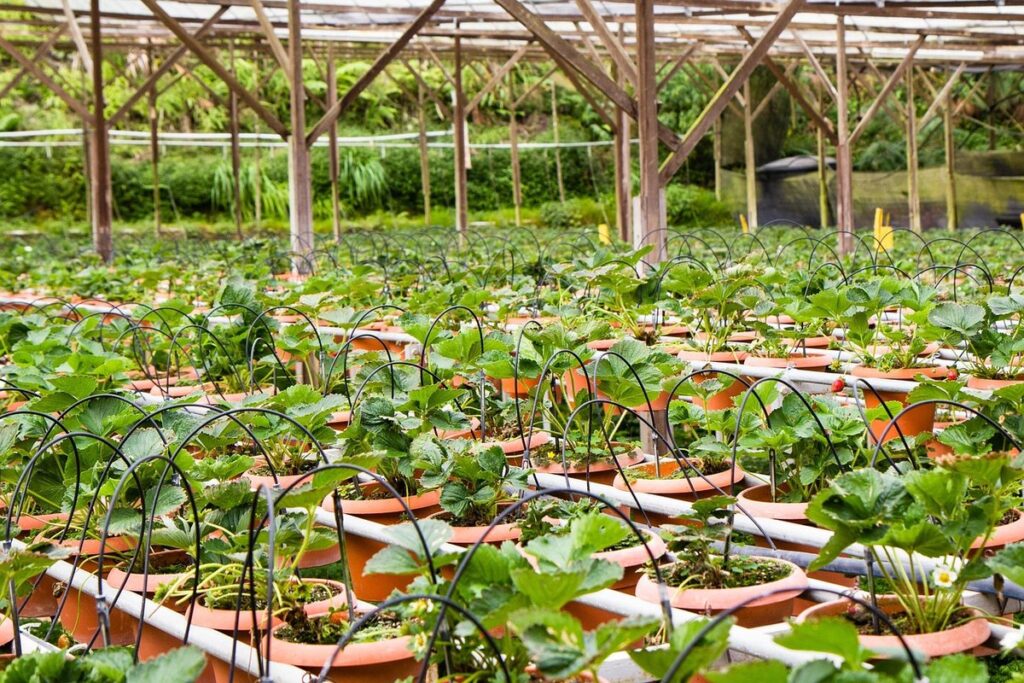
Choosing the Right Variety
When it comes to growing strawberries in pots, selecting the right variety is crucial. Let’s explore the key factors to consider for a bountiful and healthy strawberry harvest.
Selecting Strawberry Varieties for Container Gardening
When selecting strawberry varieties for container gardening, it’s essential to consider their growth habits and yields. For compact spaces, you’ll want to choose varieties that are specifically bred for container growing.
Some popular options include ‘Albion’, a day-neutral variety that produces two crops per year and is ideal for small pots; ‘Everbearing’ varieties like ‘Camarosa’ or ‘Ventana’, which produce multiple harvests throughout the growing season; and ‘Seascape’, an ever-bearing variety with large berries that’s perfect for containers. Consider ‘Fern’, a June-bearing variety, if you have space for a larger pot.
Keep in mind that some varieties are more compact than others, so make sure to check the mature size of each plant before selecting. You can also look for varieties labeled as “container-friendly” or “dwarf.” These will generally be more suitable for small spaces and less likely to outgrow their containers.
When choosing a variety, think about your personal preferences too: do you want large berries, multiple harvests, or a compact plant?
Factors to Consider When Selecting a Variety
When selecting a strawberry variety for pot cultivation, there are several key factors to consider. First and foremost, disease resistance is crucial when growing strawberries in pots. Strawberries are susceptible to diseases like powdery mildew and botrytis, which can quickly spread through the moist environment of a container. Look for varieties that have built-in disease resistance or are bred specifically for container production.
Climate adaptability is also essential, as different regions have varying temperature and humidity levels. Some strawberry varieties thrive in cooler temperatures, while others excel in warmer climates. Consider your local climate and choose a variety that can tolerate the conditions. For example, ‘Albion’ and ‘Camarosa’ are popular choices for container production, as they’re bred for high yields and have good disease resistance.
Finally, fruit size is another consideration when selecting a strawberry variety. If you want to grow strawberries for eating fresh, choose a variety that produces larger berries. On the other hand, if you plan to use them for baking or freezing, smaller berries may be sufficient. Consider your specific needs and goals when choosing a variety.
Preparing the Container and Soil
Before planting, it’s essential to prepare your container and soil to ensure a healthy strawberry plant. This involves selecting the right potting mix and container size for optimal growth.
Choosing the Right Container Size and Material
When it comes to growing strawberries in pots, choosing the right container size and material is crucial for their success. Strawberries are vigorous plants that can spread out quite a bit, so they need enough room to grow without becoming pot-bound.
A general rule of thumb is to choose containers with at least 6-8 inches deep soil to accommodate the strawberry plant’s root system. For smaller varieties like ‘Albion’ or ‘Fern’, you can opt for slightly smaller containers (around 5-7 gallons). However, larger varieties like ‘Cambridge Favourite’ require more space and should be grown in larger containers (around 10-12 gallons).
As for the material, plastic or terra cotta pots are excellent choices. Make sure they have good drainage holes to prevent waterlogged soil. Avoid using metal pots as they can become too hot during the summer months.
Consider the weight of the pot when choosing a location – you don’t want it toppling over in the wind!
Selecting the Perfect Potting Mix
When selecting a potting mix for growing strawberries in pots, there are several key characteristics to consider. First and foremost, the ideal pH level of the mix should be between 5.5 and 6.5, as this will allow the plants to absorb essential nutrients more efficiently.
In terms of nutrient content, a good potting mix should contain a balanced blend of macronutrients (nitrogen, phosphorus, potassium) and micronutrients (such as iron, magnesium, and sulfur). A general-purpose potting mix may not provide enough nutrients for strawberry plants, which are heavy feeders. Look for a mix specifically formulated for strawberries or acid-loving plants.
Drainage is also crucial in a potting mix. Strawberries prefer well-draining soil to prevent root rot and other diseases. Opt for a mix that contains ingredients like perlite or vermiculite, which will help excess water drain away from the roots.
When shopping for a potting mix, read the label carefully and look for certifications like OMRI (Organic Materials Review Institute) or WFFA (Western Fertilizers and Fungicides Association), which ensure that the product meets certain standards.
Planting and Caring for Strawberries in Pots
When it comes to growing strawberries in pots, choosing the right potting mix and providing adequate sunlight are crucial steps. This section will walk you through these essential considerations and more.
Planting Strawberry Plants in Containers
When planting strawberry plants in containers, it’s essential to start with well-prepared soil. Choose a high-quality potting mix that drains excess water and retains moisture evenly. If using regular garden soil, add organic matter like compost or manure to improve fertility and drainage.
Next, consider the spacing of your strawberry plants. In a container, plant them about 6-8 inches apart from each other, allowing for proper air circulation. This will also make it easier to reach all the plants for maintenance tasks like watering and fertilizing.
Dig holes in the potting mix that are slightly larger than the roots of the strawberry plant. Gently place the plant in the hole, spreading its roots evenly around the container. Firm the soil gently around the roots, making sure not to compact it too much. Water thoroughly after planting, and keep the soil consistently moist but not waterlogged during the first few weeks.
Remember, strawberry plants have shallow root systems and prefer well-draining conditions to prevent root rot. By following these simple steps, you’ll set your container-grown strawberries up for success and enjoy a bountiful harvest in no time!
Watering and Fertilizing Your Strawberry Plants
Proper watering and fertilization are crucial for healthy strawberry plant growth. When growing strawberries in pots, it’s easy to over- or underwater your plants. To avoid this common mistake, check the soil moisture by sticking your finger into the soil up to the first knuckle. If the soil feels dry, it’s time to water.
Water your strawberry plants when the top 1-2 inches of soil feel dry to the touch. Avoid getting water on the leaves or crown to prevent fungal diseases. Use a gentle spray nozzle to deliver water directly to the roots. Aim for about 1 gallon of water per pot per week, depending on weather conditions and plant growth.
Fertilize your strawberry plants with a balanced fertilizer (10-10-10 NPK) once a month during the growing season. You can also use compost or worm castings as an alternative organic option. Follow the manufacturer’s instructions for application rates and timing to avoid over-fertilizing, which can damage your plants.
By following these simple watering and fertilization tips, you’ll be well on your way to producing delicious homegrown strawberries in your pots.
Tips for Optimal Growth and Harvest
To get the most out of your strawberry harvest, follow these essential tips for optimal growth and harvesting success. By doing so, you’ll be rewarded with a bountiful crop.
Providing Adequate Sunlight and Temperature Conditions
When growing strawberries in pots, providing adequate sunlight and temperature conditions is crucial for optimal growth and production. Strawberries are typically hardy in USDA zones 3-10, but even within these zones, the ideal temperature can vary depending on the specific variety.
For maximum fruiting, strawberries require at least 6 hours of direct sunlight per day. If you’re growing them in a pot indoors or in a shaded area, consider supplementing with grow lights to ensure they receive sufficient light. The ideal daytime temperature for strawberry growth is between 60-70°F (15-21°C), while nighttime temperatures can be slightly cooler.
Keep your potted strawberries away from drafts and extreme temperatures, which can damage the plants or reduce fruit production. During hot summer months, ensure your pots are not placed in areas where they may be exposed to direct sunlight during peak hours (usually between 11am and 3pm). This will help prevent scorching of the leaves.
In cooler climates, bring your potted strawberry plants indoors during winter months or move them to a protected location. Avoid placing them near heating vents or radiators, as this can cause temperature fluctuations that may stress the plants.
Common Pest and Disease Management Techniques
When it comes to growing strawberries in pots, one of the biggest challenges is managing pests and diseases. Since container-grown strawberries are more susceptible to damage due to their isolated environment, it’s essential to employ effective management techniques.
Here are some common pest control methods:
* Hand-picking: Regularly inspect your plants for signs of pests like aphids, whiteflies, or spider mites, and gently remove them by hand.
* Neem oil: Mix neem oil with water according to the product instructions and spray it on your plants to repel pests.
* Companion planting: Planting certain herbs or flowers alongside strawberries can help deter pests. For example, basil is known to repel aphids.
As for diseases, some common management techniques include:
* Removing infected leaves or stems
* Improving air circulation around the pot
* Avoiding overwatering, which can lead to root rot and other fungal infections
Integrated pest management (IPM) is a holistic approach that combines multiple methods to manage pests and diseases. This can include using physical barriers, biological controls like beneficial insects, and organic pesticides as needed. By implementing these techniques, you can reduce the risk of damage and ensure a healthy strawberry harvest.
Troubleshooting Common Issues
Don’t worry if things aren’t going as planned – we’ll walk you through how to identify and fix common problems that can arise when growing strawberries in pots. From pests to nutrient deficiencies, we’ve got solutions for you!
Identifying and Addressing Pests and Diseases
Strawberry plants in containers can be vulnerable to pests and diseases that can quickly spread and cause significant damage. It’s essential to be aware of the most common issues that may arise so you can take prompt action to address them.
Aphids, whiteflies, and spider mites are common pests that target strawberry plants in pots. These insects feed on sap, causing curled or distorted leaves, stunted growth, and reduced fruit production. To control infestations, use neem oil, insecticidal soap, or horticultural oil to kill the insects. Prune infected areas and improve air circulation around the plant.
Root rot, crown rot, and leaf spot are common diseases that can affect strawberry plants in containers. These diseases are often caused by overwatering, poor drainage, or high humidity. Monitor your plant’s water needs carefully and ensure good air circulation to prevent moisture buildup. Fungal infections like root rot can be treated with fungicides, but it’s crucial to address the underlying issue of excess moisture.
Regularly inspect your strawberry plants for signs of pests and diseases, and take prompt action to address any issues you find.
Overcoming Common Growing Challenges
One of the most common challenges strawberry growers face when growing strawberries in pots is inadequate pollination. Since strawberries require cross-pollination to produce fruit, this can be a significant issue. To overcome this challenge, ensure you have multiple strawberry plants nearby that are also producing flowers at the same time. This will increase the chances of successful pollination.
Another common issue is poor fruit set. This can occur due to several reasons, including insufficient nutrients or inadequate watering. Regularly inspect your plants and adjust their care accordingly. Make sure the pot has good drainage holes and use a well-balanced fertilizer specifically formulated for strawberries.
Additionally, strawberry plants grown in pots may be more susceptible to pests and diseases. Keep an eye out for signs of infestation or infection, such as white powdery patches on leaves or tiny black spots on fruit. Regularly inspect your plants and take prompt action if you notice any issues.
Harvesting and Storing Your Strawberries
Once you’ve enjoyed your homegrown strawberries for a while, it’s time to harvest them sustainably and store them properly to enjoy throughout the year. Proper handling will ensure their flavor and texture remain optimal.
Knowing When to Harvest Your Strawberries
When it comes to growing strawberries in pots, knowing when to harvest them is crucial for enjoying their sweet flavor and texture. As a strawberry grower in containers, you’ll want to keep an eye out for the signs of ripeness.
A ripe strawberry will typically turn from green to its final color – either bright red, yellow, or even white, depending on the variety. The color change may be subtle at first, but it’s one of the most reliable indicators of readiness. Gently lift a strawberry and feel its texture; a ripe one should come off easily with minimal resistance.
If you’re still unsure about the sweetness, gently pinch the fruit. Ripe strawberries will yield to pressure and have a slight “give.” If they’re not sweet or tender, give them a day or two more in the sun – they’ll ripen faster than you think. Harvest your strawberries at dawn when they’re cool and dewy for the best flavor and texture.
Tips for Storing and Preserving Your Fresh Strawberries
Now that you’ve harvested your fresh strawberries from your pot, it’s essential to store and preserve them properly to enjoy their sweetness throughout the year. To keep your strawberries fresh for a longer period, store them in a cool, dry place away from direct sunlight. You can also store them in the refrigerator, making sure not to wash them before storing. A sealed container with slightly moist paper towels will help maintain humidity and prevent moisture loss.
Freezing is another excellent way to preserve strawberries. To freeze, clean and hull the berries, then spread them on a baking sheet lined with parchment paper. Place it in the freezer until they’re frozen solid, about 2-3 hours. Transfer the frozen strawberries to an airtight container or freezer bag for storage. When you need to use them, simply thaw them in the refrigerator or at room temperature.
For jam-making, you can combine fresh strawberries with sugar and pectin (optional) in a saucepan over low heat. Bring it to a boil, then reduce heat and simmer until thickened, about 20-25 minutes. This homemade strawberry jam is perfect for topping toast, yogurt, or using as a filling for cakes and pastries.
Frequently Asked Questions
Can I grow strawberries in pots year-round, or is there a specific season for harvesting?
While you can enjoy a continuous harvest of strawberries by planting new plants every few months, the best time to plant will depend on your location and climate. In warmer regions, you can plant strawberry plants year-round, but in cooler areas, it’s essential to choose varieties that are specifically bred for cool-season production.
How do I protect my potted strawberry plants from extreme temperatures?
To ensure your strawberry plants thrive in pots, make sure to provide them with some protection from extreme temperatures. Keep them away from direct sunlight during the hottest part of the day and bring them indoors or to a shaded area if possible. You can also use row covers or other frost blankets to protect them from cold snaps.
What’s the ideal watering schedule for potted strawberry plants?
Water your potted strawberry plants when the top inch of soil feels dry to the touch, but avoid overwatering, which can lead to root rot and other issues. A general rule is to water every 2-3 days in hot weather and less often in cooler months.
Can I use regular potting mix for my strawberry plants, or do they require something special?
While you can use a good quality potting mix for your strawberry plants, it’s essential to choose one that is specifically designed for acid-loving plants like strawberries. Regular potting mixes can be too alkaline and may cause nutrient deficiencies in your plants.
How long does it take to see the first harvest of strawberries from my potted plants?
With proper care and conditions, you can expect to see the first harvest of strawberries from your potted plants within 60-90 days after planting. Keep in mind that different varieties will have varying yields and growth rates, so be patient and enjoy the process!