
Growing your own sphagnum moss can be a rewarding experience for any plant enthusiast. This versatile, moisture-loving plant is a crucial component in many gardening applications, from peat-based potting mixes to terrariums and vivariums. However, successfully cultivating sphagnum moss can be a challenge, especially for those new to the world of plants.
In this comprehensive guide, we’ll walk you through the essential steps for growing sphagnum moss, including effective propagation methods and watering techniques that will keep your sphagnum thriving. We’ll also cover common issues that may arise during cultivation and provide expert advice on how to troubleshoot them. Whether you’re a seasoned gardener or just starting out, this article aims to equip you with the knowledge needed to successfully grow sphagnum moss in your home or greenhouse setup.
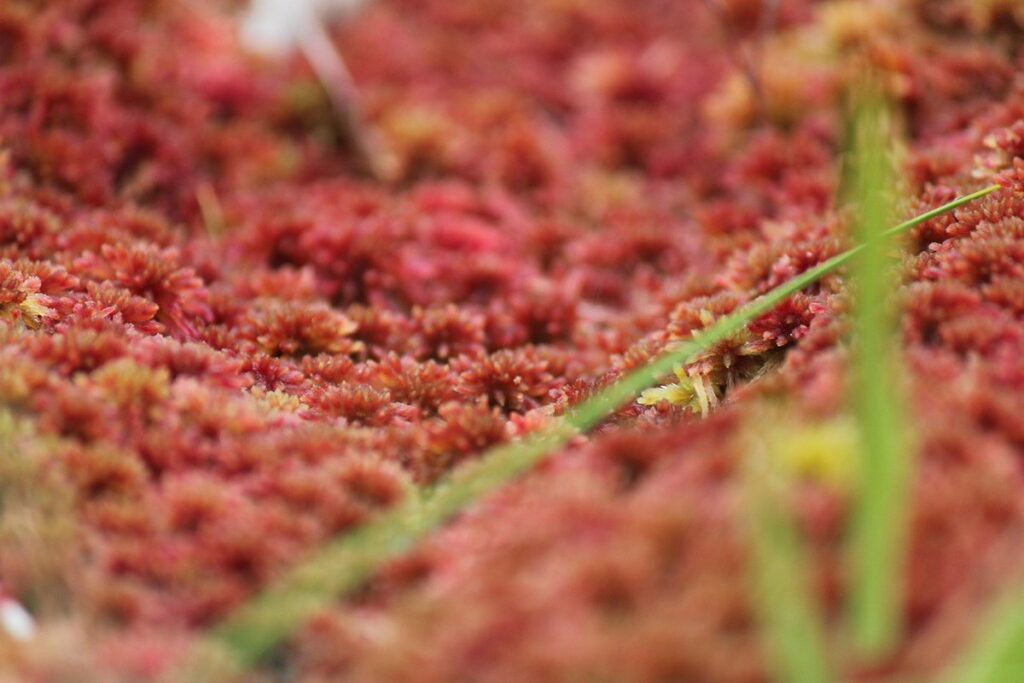
Understanding Sphagnum Moss
Sphagnum moss is a unique and fascinating plant, but understanding its characteristics and growth habits is essential for successful cultivation. Let’s dive into what makes sphagnum moss so special.
What is Sphagnum Moss?
Sphagnum moss is a unique and fascinating plant species that plays a crucial role in many ecosystems. It’s a type of peat-forming moss that grows in acidic, oxygen-poor conditions, often found in bogs, marshes, and other wetland areas. One of its most remarkable properties is its ability to hold an astonishing amount of water – up to 20 times its weight! This remarkable capacity allows it to thrive in environments where other plants would quickly perish.
This incredible water-holding ability is due to the moss’s unique structure, which consists of tiny, thread-like cells that are capable of absorbing and retaining massive amounts of moisture. In fact, a single ounce of sphagnum moss can hold up to 25 gallons of water! This remarkable property has led to its widespread use in horticulture, particularly in greenhouses and indoor gardens where humidity levels need to be controlled.
Understanding the unique characteristics of sphagnum moss is essential for successful growth. In our next section, we’ll explore the specific growing conditions required to cultivate this amazing plant species.
Types of Sphagnum Moss
When it comes to growing sphagnum moss, it’s essential to understand that there are different types available, each with its unique characteristics and uses. One of the most common types is peat moss, which is often used as a soil amendment due to its high water-holding capacity and acidity. However, using peat moss can be detrimental to the environment, making living sphagnum moss a more sustainable option. This type of moss is harvested from bogs and contains live roots, allowing it to retain moisture and nutrients while also supporting microorganisms.
For gardening enthusiasts, dried sphagnum moss is another popular choice for growing plants. It’s an excellent medium for seed starting, cuttings, and root development due to its high acidity and ability to retain moisture. To use dried sphagnum moss effectively, rehydrate it by soaking it in water before mixing it with potting soil or using it as a standalone growth medium.
Keep in mind that when working with living sphagnum moss, it’s crucial to handle it gently to prevent damage to the delicate roots. On the other hand, dried sphagnum moss can be reused multiple times after rehydrating it, making it a cost-effective option for gardeners.
Preparing the Growing Environment
To grow sphagnum moss successfully, you need a suitable environment that meets its specific needs. This is where we’ll cover essential steps to prepare your growing area for optimal conditions.
Choosing a Location
When it comes to growing sphagnum moss, selecting the right location is crucial for its success. Sphagnum moss thrives in environments with high humidity and moderate temperatures. Ideally, you should aim to maintain a temperature range of 40°F (4°C) to 70°F (21°C), as this allows the moss to grow at an optimal rate.
Lighting is also essential when it comes to growing sphagnum moss. While some direct sunlight can be beneficial, too much can cause the moss to become scorched and die. East- or west-facing windows are ideal for growing sphagnum moss, providing gentle and indirect light that allows the moss to photosynthesize.
In terms of humidity, sphagnum moss requires a consistently moist environment to thrive. This means placing it in a location with high humidity levels, such as a terrarium or a greenhouse. A humidifier can also be used to maintain optimal moisture levels, ensuring your sphagnum moss grows healthy and strong. By choosing the right location for your sphagnum moss, you’ll set it up for success and ensure a thriving, lush growth.
Setting Up a Humid Microclimate
To create a humid microclimate for growing sphagnum moss, you’ll need to mimic its natural environment. This can be achieved using a terrarium or a sealed container with high humidity levels. A terrarium is essentially an enclosed glass container that maintains humidity through condensation and prevents moisture loss.
When setting up your terrarium, choose a clear glass or plastic container to allow for maximum light penetration and visibility. Select the right substrate, such as perlite or sphagnum moss itself, and place it at the bottom of the container. Add a layer of water on top, followed by a thin layer of sphagnum moss.
You can also use a sealed plastic bag or container with airholes for the same effect. To increase humidity levels, spray distilled water over the moss, ensuring not to overwater as this can lead to root rot. Keep in mind that maintaining an ideal temperature between 30°C and 40°C (86°F-104°F) is crucial.
For optimal results, you should maintain a relative humidity of at least 70% within your terrarium or sealed container.
Sphagnum Moss Propagation Methods
Now that you have a healthy batch of sphagnum moss, let’s explore some effective methods for propagating it to create new growth. This includes division and spore propagation.
Division and Repotting
As your sphagnum moss matures, it will eventually outgrow its container and require division to maintain healthy growth. This process is crucial for successful propagation and should be done regularly to prevent the moss from becoming waterlogged and developing root rot.
To divide mature sphagnum moss, start by gently removing it from its container and separating the roots using a sterile knife or scissors. Divide the moss into sections, making sure each piece has at least one growing tip. This will ensure that the new division has enough energy to establish itself.
Repotting the divided sections is just as important. Use a well-draining potting mix specifically designed for sphagnum moss and plant the divisions about 1-2 inches deep. Water sparingly until the moss has settled, then begin a regular watering schedule. Monitor your newly repotted divisions closely to prevent overwatering and ensure they receive adequate light.
Keep in mind that sphagnum moss prefers moist but not waterlogged conditions. Aim for a balance between providing enough moisture for growth while preventing root rot.
Seed Starting and Germination
When starting seeds in sphagnum moss, it’s essential to create an optimal environment for germination. To do this, fill a tray with a 1-2 inch layer of moistened sphagnum moss, ensuring the surface is even and consistent. Plant the seed at the correct depth, usually 2-3 times the seed’s diameter, and gently firm the moss around it.
For optimal germination rates, maintain high humidity and temperatures between 70-85°F (21-29°C). You can cover the tray with a clear plastic bag or a cloche to create a mini-greenhouse effect. Check on the seeds daily, misting with water as needed to keep the sphagnum moss consistently moist but not waterlogged.
Some seeds, like those of carnivorous plants, may require more specific conditions for germination. Research the specific needs of your chosen species and adjust your setup accordingly. With proper care and attention, you can achieve high germination rates in sphagnum moss and set yourself up for success in growing a wide range of plant species.
Watering and Maintenance
Now that you have a healthy sphagnum moss plant, it’s time to focus on watering and maintenance to ensure it continues to thrive. Proper care will keep your moss looking its best.
Watering Techniques
Watering sphagnum moss requires precision to prevent overwatering and underwatering. Overwatering can lead to root rot, while underwatering causes the moss to dry out and turn brown. As a general rule of thumb, water your sphagnum moss once or twice a week in the summer months when it’s actively growing.
In the winter months, reduce watering to once every 10-14 days as growth slows down. The ideal time to water is early morning or late evening to prevent excess moisture from accumulating throughout the day.
To determine if your sphagnum moss needs watering, check its color and texture. If it has a vibrant green hue and feels plump and firm, it’s getting enough water. However, if it appears dull and wilted, it’s time for a drink.
When watering, use room-temperature water to avoid shocking the roots. Avoid getting excess water on the surrounding environment as this can lead to mold and mildew growth.
Fertilization and Pruning
Fertilizing sphagnum moss is essential to promote healthy growth and prevent nutrient deficiencies. Since sphagnum moss thrives in acidic environments, use a balanced fertilizer with an acidity level of 3-4 pH. Dilute the fertilizer according to the manufacturer’s instructions, as over-fertilization can damage the plant. Water the moss with the fertilized solution once a month during the growing season.
Pruning is also crucial for maintaining sphagnum moss health. Remove any dead or dying moss to prevent the spread of disease and encourage new growth. Use scissors or pruning shears to gently cut back overgrown areas, taking care not to damage the underlying plant structure. Prune your sphagnum moss regularly to maintain its desired shape and promote even growth.
When fertilizing and pruning, monitor your moss’s response closely. Adjust your techniques as needed based on changes in color, texture, or growth rate. For instance, if your moss is turning yellow due to nutrient deficiencies, increase the frequency of fertilization.
Troubleshooting Common Issues
Don’t worry if things don’t go as planned right away – we’ve got you covered! This next section will tackle common problems and provide solutions to help you overcome them.
Overwatering and Underwatering
Sphagnum moss is notoriously sensitive to watering extremes, making it prone to both overwatering and underwatering. To grow healthy sphagnum moss, it’s essential to recognize the signs of these issues and adjust your care routine accordingly.
Overwatering can be identified by yellow or brown tips on the leaves, softness, and a sour smell. This is often caused by inadequate drainage in the potting mix or too frequent watering. To correct overwatering, repot the moss in a well-draining mix, and allow it to dry out slightly between waterings. Cut back on frequency, starting with once every 10-14 days.
Underwatering, on the other hand, can be spotted by crispy leaves, shriveled stems, or a lack of new growth. This is usually due to infrequent watering or dry conditions. To address underwatering, increase the frequency of watering, but avoid overcompensating and causing more harm. Water thoroughly until water drains from the pot’s bottom, allowing the moss to absorb as much moisture as it needs.
Monitor your sphagnum moss closely for these signs, adjusting your care routine as needed to prevent these common issues.
Pests and Diseases
Sphagnum moss is relatively resistant to pests and diseases due to its acidic environment. However, it’s not completely immune to common issues like root rot, fungal infections, and pest infestations. One of the most common pests that affect sphagnum moss is mealybugs, which can be identified by their white, cottony appearance on the leaves. To prevent mealybug infestations, ensure your sphagnum moss has adequate air circulation, and avoid overwatering.
Some common diseases affecting sphagnum moss include root rot, caused by excessive moisture, and fungal infections like Phytophthora and Pythium. These can be prevented by maintaining a consistent watering schedule and ensuring proper drainage. Regularly inspect your plants for signs of disease or pests, and treat promptly with fungicides specifically designed for mosses.
When treating diseases, always follow the instructions on the product label and take necessary precautions to avoid contaminating healthy areas of the plant.
Advanced Growing Techniques
For more experienced growers, we’ll dive into advanced techniques for cultivating and harvesting sphagnum moss, including propagating new plants from spores. This will take your growing skills to the next level!
Hydroponics and Aquaponics
Integrating sphagnum moss into hydroponic or aquaponic systems offers a sustainable growing method that’s gaining popularity among gardeners and growers. This method not only reduces water consumption but also increases crop yields. To incorporate sphagnum moss, start by selecting a suitable type of hydroponic system – such as NFT (Nutrient Film Technique) or DWC (Deep Water Culture).
For hydroponics, you’ll need to ensure that your system’s nutrient solution is compatible with sphagnum moss’s unique growing requirements. This typically involves adjusting the pH and nutrient levels. It’s also crucial to choose a suitable medium – like coconut coir or perlite – for the moss to grow in. Regular monitoring of water parameters and nutrient levels is essential to prevent over-feeding, which can harm your plants.
Aquaponics offers another viable option for growing sphagnum moss. This system allows you to cultivate fish and plants together, reducing waste and increasing efficiency. Sphagnum moss excels in aquaponic systems due to its ability to purify water and provide a suitable environment for beneficial bacteria to thrive.
In both hydroponic and aquaponic systems, the addition of sphagnum moss can significantly enhance plant growth and reduce system maintenance requirements. However, it’s essential to follow proper procedures when introducing this new medium to prevent any potential issues.
Co-Cultivation with Other Plants
Co-cultivating other plants with sphagnum moss can be a fascinating and rewarding experience. This technique allows you to create unique ecosystems that provide mutual benefits for all the plants involved. For instance, when grown alongside orchids, sphagnum moss helps retain moisture and maintain humidity levels, creating an ideal environment for these delicate flowers.
However, co-cultivating with other plants can also present challenges. Some species may compete with the sphagnum moss for nutrients or space, potentially disrupting its growth. To minimize these risks, it’s essential to choose compatible plants that have similar growing requirements and won’t outcompete the sphagnum moss.
Some successful combinations include pairing sphagnum moss with ferns, peace lilies, or even carnivorous plants like pitcher plants. These plants not only thrive in the same conditions as the sphagnum moss but also add unique textures and colors to the arrangement. When selecting co-cultivating partners, consider factors like light, temperature, and watering needs to ensure a harmonious growing environment.
Conclusion
As you’ve learned how to grow sphagnum moss, remember that patience is key. This delicate process requires careful attention to detail, and it may take some trial and error before you achieve success. Don’t be discouraged if your initial attempts don’t yield the desired results – even experienced growers encounter setbacks from time to time.
Take note of the specific growing conditions we discussed throughout this guide, such as pH levels, water saturation, and humidity control. Make sure to replicate these conditions in your own setup for optimal growth. With consistent practice and attention to detail, you’ll be able to successfully cultivate healthy sphagnum moss that thrives in its environment.
By following the tips outlined here, you can enjoy the numerous benefits of growing your own sphagnum moss, from creating a lush forest floor atmosphere to using it as a vital component in terrariums. Happy growing!
Frequently Asked Questions
Can I grow sphagnum moss indoors without a greenhouse setup?
Yes, you can definitely grow sphagnum moss indoors without a greenhouse setup. To create a humid microclimate, use a clear plastic bag or a cloche to cover the pot and maintain high humidity levels. You’ll also need to replicate the conditions of its natural habitat by providing adequate water and nutrients.
How often should I fertilize my sphagnum moss?
Fertilization is crucial for healthy growth. Feed your sphagnum moss with a balanced fertilizer (10-10-10) once a month during the growing season. Dilute the fertilizer to half the recommended strength to avoid burning the roots.
What’s the best way to repot sphagnum moss?
When repotting, gently separate the moss from its pot using a fork or your fingers. Handle the roots carefully to prevent damage. Use a well-draining potting mix and maintain high humidity levels during the first few weeks after repotting.
Can I use tap water for my sphagnum moss?
No, it’s not recommended to use tap water for growing sphagnum moss. Tap water often contains chemicals that can harm the plant, such as chlorine and fluoride. Instead, collect rainwater or use distilled water to provide your sphagnum moss with a clean and chemical-free environment.
How do I prevent pests from infesting my sphagnum moss?
To minimize the risk of pest infestations, maintain high humidity levels, ensure proper air circulation, and avoid overwatering. Inspect your plants regularly for signs of pests like mealybugs, spider mites, or scale. If you notice any issues, treat the affected areas with insecticidal soap or neem oil according to the product’s instructions.