
Sakura cherry tomatoes have been gaining popularity among home gardeners and chefs alike, but have you ever wondered where these delicious fruits originated from? If you’re new to growing or cooking with Sakura cherry tomatoes, you might be surprised at their rich history and versatility in the kitchen. These small but mighty tomatoes are not only packed with nutrients but also bursting with flavor, making them a perfect addition to any meal.
In this ultimate guide, we’ll take you on a journey from the origins of Sakura cherry tomatoes to tips on growing and harvesting these nutritious fruits. We’ll cover everything from their history and benefits to creative ways to cook and use them in your favorite recipes. Whether you’re a seasoned gardener or just starting out, get ready to discover the full potential of Sakura cherry tomatoes and take your cooking to the next level!
What are Sakura Cherry Tomatoes?
So, you’re new to sakura cherry tomatoes and want to learn more about these beautiful fruits. Let’s start by understanding what makes them so special in the first place.
Origin and History
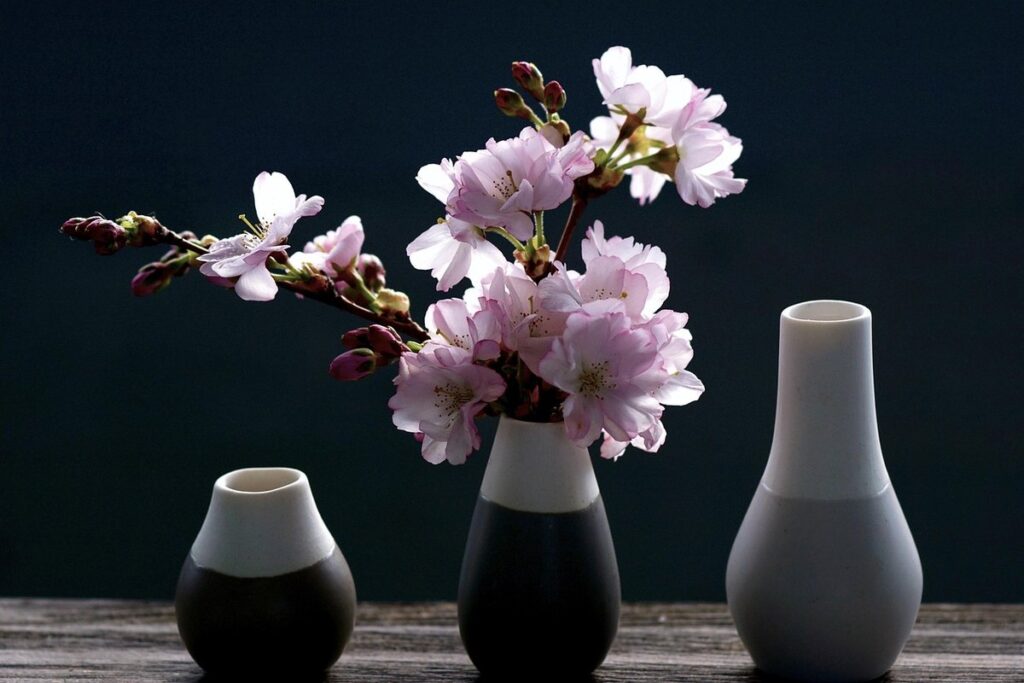
Sakura cherry tomatoes originated in Japan, where they have been cultivated for centuries. Their history dates back to the 1960s when Japanese farmers developed them as a disease-resistant and high-yielding variety. The name “Sakura” is derived from the Japanese word for cherry blossom, reflecting their delicate appearance.
Their popularity grew rapidly among gardeners and cooks due to their exceptional sweetness, tender texture, and versatility in cooking. Sakura cherry tomatoes are known for their unique characteristics, such as their small size, thin skin, and high water content, making them ideal for salads, sauces, and fresh eating. As a result, they have become a staple in many Japanese gardens and kitchens.
In recent years, Sakura cherry tomatoes have gained international recognition, with many growers and chefs incorporating them into their repertoire. Their adaptability to different climates and soil types has made them a sought-after variety among gardeners worldwide.
Key Characteristics and Benefits
Sakura cherry tomatoes are known for their distinctive flavor profile, which is both sweet and tangy. This unique taste is due to their high acidity levels, making them a favorite among chefs and home cooks alike. In addition to their exceptional flavor, sakura cherry tomatoes also boast an impressive texture – their tender skin and firm flesh make them perfect for snacking, salads, or as a topping for various dishes.
Another key characteristic of sakura cherry tomatoes is their remarkable disease resistance. These varieties are bred to be more resilient against common tomato diseases such as fusarium wilt and verticillium wilt, making them an excellent choice for gardeners who want low-maintenance plants. Furthermore, sakura cherry tomatoes offer numerous health benefits due to their high antioxidant content and rich nutrient profile.
Their compact growth habit also makes them ideal for small-space gardening or container cultivation. By growing sakura cherry tomatoes, you can enjoy a bountiful harvest in as little as 60 days.
Choosing the Right Variety
When it comes to growing sakura cherry tomatoes, selecting the right variety is crucial. This section will guide you through the key factors to consider when choosing a sakura cherry tomato that suits your needs and climate.
Factors to Consider When Selecting a Variety
When selecting a Sakura cherry tomato variety, there are several factors to consider that will ensure you grow the best-tasting and most resilient plants for your garden. First and foremost, think about your climate. Some varieties of Sakura cherry tomatoes thrive in cooler temperatures, while others prefer warmer conditions. If you live in an area with frosty winters, look for varieties that have a shorter maturation period (around 60 days or less) to ensure you can harvest before the first frost.
Consider your soil type as well – Sakura cherry tomatoes love rich, fertile soil that drains well. If your soil is heavy clay or sandy, choose a variety that’s tolerant of these conditions. Finally, think about your desired flavor profile. Do you want sweet and juicy, tangy and acidic, or perhaps something in between? Some popular varieties like ‘Sakura Red’ and ‘Sakura Yellow’ have distinct flavor profiles that will suit different tastes.
Some other factors to consider include disease resistance, growth habit (indeterminate vs. determinate), and yield potential. For example, if you’re short on space, look for compact or bush-type varieties that won’t require extensive support. By taking these factors into account, you can select the perfect Sakura cherry tomato variety for your garden and enjoy a bountiful harvest of delicious fruit.
Popular Varieties for Home Gardeners
When it comes to growing sakura cherry tomatoes at home, there are several popular varieties that stand out from the rest. One of the most sought-after is ‘Sakura’ itself, a hybrid variety bred specifically for its sweet flavor and high yields. Home gardeners love this variety for its compact growth habit, making it perfect for small spaces or containers.
Another popular choice is ‘Red Sakura’, which boasts a deeper red color and slightly sweeter taste than the original ‘Sakura’. This variety is also known for its high disease resistance, making it an excellent option for home gardeners who may not have access to a lot of space or resources for pest management.
If you’re looking for a more unique flavor profile, consider growing ‘Sakura Red Star’, which has a slightly tangy taste and beautiful star-shaped fruits. This variety is also known for its high yields and compact growth habit, making it perfect for small gardens or containers.
When choosing a sakura cherry tomato variety, keep in mind the specific growing conditions and space constraints of your home garden. Some varieties may require more support or have different pruning needs, so be sure to research these requirements before making your final decision.
Planting and Care Tips
To ensure your sakura cherry tomatoes thrive, follow these essential planting and care tips that will make all the difference in their growth. From soil preparation to pruning techniques, we’ve got you covered!
Preparing the Soil and Climate
To grow Sakura cherry tomatoes successfully, it’s essential to prepare the soil and climate for optimal growth. First, let’s talk about pH levels. Sakura cherry tomatoes prefer a slightly acidic to neutral soil pH, ranging from 6.0 to 7.0. If your soil is too alkaline or acidic, it may affect nutrient availability and plant growth.
In terms of sunlight requirements, Sakura cherry tomatoes need full sun to produce an abundance of fruit. Aim for at least six hours of direct sunlight per day. Make sure the area is also well-ventilated to prevent fungal diseases that thrive in humid environments.
Watering schedules are crucial as well. Sakuras prefer consistent moisture, especially when fruiting. Water them deeply once or twice a week, depending on weather conditions. Avoid overwatering, which can lead to root rot and other issues. A general rule of thumb is to water them when the top 2-3 inches of soil feels dry to the touch.
Also, consider planting Sakuras in containers if your local climate is too hot or cool for optimal growth. This will give you more control over soil quality and moisture levels.
Support and Training Systems
When growing Sakura cherry tomatoes, providing support and training systems is essential to promote healthy growth and maximize yields. As these plants can grow quite large, they need some structure to thrive.
One popular method is using tomato cages. These are sturdy metal or wooden frames that provide support for the plant as it grows. They come in different sizes and can be adjusted to accommodate various plant heights. For example, a cage with an adjustable top will allow you to train your Sakura cherry tomatoes to grow vertically while keeping the fruit within easy reach.
Another option is trellises. These are ideal for training the stems of your plants to climb up, freeing space on the ground and making harvesting easier. Some gardeners prefer using twine or clips to secure the plant to the trellis, while others prefer more decorative options like obelisks.
Pruning and pinching also play a crucial role in promoting healthy growth and maximizing yields. Regular pruning helps control the shape of the plant and encourages bushy growth, which leads to an increased fruit production.
Pests and Diseases Common to Sakura Cherry Tomatoes
Growing sakura cherry tomatoes can be challenging, especially when it comes to dealing with common pests and diseases that target these delicate plants. In this section, we’ll cover some of the most prevalent issues you may encounter.
Recognizing Common Issues
When it comes to growing sakura cherry tomatoes, being aware of common pests and diseases is crucial to prevent damage to your plants. One of the most common issues affecting sakura cherry tomatoes is powdery mildew, a fungal disease that causes a white, powdery coating on leaves and stems.
Signs of powdery mildew include yellowing or wilted leaves, stunted growth, and a sticky substance on leaves and stems. To prevent powdery mildew, ensure good air circulation around your plants, avoid overhead watering, and remove any infected leaves.
Aphids are another common pest that can infest sakura cherry tomato plants. These small, soft-bodied insects feed on plant sap, causing curled or distorted leaves. Look for a sticky substance called honeydew on leaves and stems, as well as ants crawling on the plant.
Other pests to watch out for include hornworms, spider mites, and whiteflies. Regularly inspect your plants for any signs of infestation or infection, and take action promptly if you notice any issues.
Organic Control Methods
When growing sakura cherry tomatoes, it’s essential to adopt organic control methods for managing pests and diseases. These methods not only promote a healthy environment but also ensure that you don’t harm the beneficial insects or contaminate the soil with chemicals.
Start by practicing good garden hygiene: remove weeds regularly to prevent them from competing with your tomato plants for water and nutrients, and dispose of any affected plant material promptly to prevent the spread of disease. For pest control, introduce natural predators such as ladybugs (which prey on aphids) or lacewings (that target whiteflies).
To treat fungal diseases like powdery mildew or early blight, mix a solution of 1 tablespoon of baking soda with 1 gallon of water and spray it on the affected areas. For bacterial diseases, use a neem oil-based fungicide that’s safe for humans and beneficial insects.
In addition to these methods, crop rotation can also help prevent pest and disease buildup in your garden.
Harvesting and Storing Sakura Cherry Tomatoes
Now that your sakura cherry tomatoes are ripe, it’s time to learn how to harvest them at their best and store them for optimal flavor. This section will guide you through the process of collecting and preserving your fresh bounty.
Determining Ripeness
When it comes to harvesting sakura cherry tomatoes, determining ripeness is crucial. A ripe tomato will have a sweet, slightly tangy flavor and a tender texture. To check for ripeness, gently touch the skin of the fruit. Ripe sakura cherry tomatoes will yield to pressure but still feel slightly firm.
As you inspect the color, look for a uniform deep red hue with slight yellow or green undertones on the stem end. Avoid tomatoes with white or pale patches, as these may indicate unripe areas. Gently lift and sniff the tomato; a ripe one should emit a sweet aroma.
To determine sweetness levels, try gently cutting into the skin of a few tomatoes. The flesh should be juicy and have a high water content, indicating ripeness. Harvest your sakura cherry tomatoes in the morning when the sugars are at their peak. Be gentle to avoid bruising the delicate fruit, and pick them at different stages of maturity for optimal flavor and texture.
Storage and Handling Tips
When harvesting and storing sakura cherry tomatoes, it’s essential to handle them with care to maintain their flavor, texture, and nutritional value. To start, harvest the tomatoes when they’re fully ripe, as this will help preserve their sweetness and juiciness.
To store sakura cherry tomatoes, keep them away from direct sunlight and heat sources. A cool, dry place like a pantry or cupboard is ideal. Store them in breathable containers or bags to allow for air circulation, which helps prevent moisture buildup and decay. Consider storing them upside down to keep the stem end dry, as this can help extend their shelf life.
It’s also crucial to handle the tomatoes gently to avoid bruising or damaging the skin. This will help prevent spoilage and maintain their texture. For short-term storage, you can store sakura cherry tomatoes in the refrigerator at a temperature below 50°F (10°C). However, for longer-term storage, it’s best to store them in a cooler environment with consistent humidity levels.
Keep an eye on the stored tomatoes regularly, and use any that show signs of spoilage first. This will help prevent mold and bacterial growth from spreading to other tomatoes.
Cooking with Sakura Cherry Tomatoes
Now that you have a bountiful harvest of sakura cherry tomatoes, let’s explore some delicious and easy-to-make recipes to enjoy your fresh produce. Get cooking!
Recipe Ideas and Inspiration
One of the joys of growing your own sakura cherry tomatoes is experimenting with their sweet and tangy flavor in a variety of dishes. Here are some recipe ideas to get you started: try mixing them into a fresh caprese salad, adding them to pasta sauces for a burst of flavor, or using them as a topping for homemade pizzas.
For a unique twist on a classic sauce, roast your sakura cherry tomatoes with garlic and olive oil to create a rich and intense base. You can also puree them into a sweet and tangy salsa to serve alongside grilled meats or vegetables.
When it comes to main courses, consider adding sliced sakura cherry tomatoes to your favorite stir-fry recipes for a pop of color and flavor. Alternatively, use them as the topping for a homemade flatbread pizza or salad. And if you’re feeling adventurous, try using them in a dessert like a cherry tomato sorbet or a fresh fruit tart – their sweetness pairs surprisingly well with creamy cheeses and rich chocolate.
For a fun twist on bruschetta, top toasted bread with a mixture of cream cheese, sliced sakura cherry tomatoes, and basil. This makes for an easy and impressive appetizer perfect for dinner parties.
Preserving and Canning Techniques
Preserving and canning Sakura cherry tomatoes is a great way to enjoy them year-round. One of the most crucial steps is sterilization: wash jars, lids, and utensils with soap and hot water, then submerge them in boiling water for 10-15 minutes to eliminate any bacteria.
To fill your jars, pack the cooled-down Sakuras tightly into the prepared containers, leaving about 1/4 inch of space at the top. Add a pinch of salt (optional) or a tablespoon of lemon juice to enhance flavor and act as a natural preservative.
Sealing is just as important: place the sterilized lids on the jars, screwing them down until they’re snug but not too tight, which can cause the lid to pop off during processing. Next, process your jars in a boiling water bath for 10-15 minutes (adjust time based on altitude). Let the jars cool undisturbed before storing them in a dark place.
Remember to always follow safe canning practices and guidelines to avoid spoilage or foodborne illnesses.
Frequently Asked Questions
Can I grow Sakura cherry tomatoes in a container or do they require a lot of space?
Yes, Sakura cherry tomatoes can thrive in containers as long as you provide them with good drainage, adequate sunlight (at least 6 hours), and consistent moisture. Choose a container that’s at least 5-gallons to allow for proper root growth.
How do I know if my Sakura cherry tomato plants are receiving enough nutrients?
Sakura cherry tomatoes require balanced fertilization, especially during the fruiting stage. Use a well-rounded fertilizer (10-10-10 NPK) and follow the instructions on the package for application rates. Soil pH should be between 6.0-7.0 for optimal growth.
Can I use Sakura cherry tomatoes in salads just like regular cherry tomatoes?
Yes, Sakura cherry tomatoes can be used in salads, but their sweeter flavor pairs best with lighter dressings and herbs. To enhance their sweetness, try pairing them with ingredients like fresh mozzarella, basil, or a drizzle of balsamic glaze.
How do I prevent pests from damaging my Sakura cherry tomato plants?
To minimize pest damage, use physical barriers (fine mesh) to cover young plants, hand-pick aphids and whiteflies regularly, and introduce beneficial insects (ladybugs, lacewings). For more severe infestations, apply neem oil or insecticidal soap according to the product’s instructions.
Can I preserve Sakura cherry tomatoes through canning or freezing?
Yes, Sakura cherry tomatoes can be preserved through canning using a water bath method. Alternatively, you can freeze them whole (blanched for 30 seconds) in airtight containers or freezer bags. Frozen sakura cherries retain their flavor and nutritional value when stored at 0°F (-18°C).