
Round red chili peppers have been adding flavor and heat to our favorite dishes for centuries. Whether you’re a seasoned chef or a home cook, these versatile peppers are worth getting to know. Not only do they pack a punch of nutrition, including vitamins A and C, but they also come in a variety of popular varieties that can add depth and excitement to any recipe.
In this ultimate guide, we’ll delve into the history of round red chili peppers, exploring their origins and uses across different cultures. We’ll also cover the benefits of incorporating them into your diet, from boosting immunity to supporting eye health. Plus, we’ll provide expert tips on growing your own round red chili pepper plants at home, including advice on selection, soil preparation, and care. By the end of this article, you’ll be equipped with everything you need to start cooking, experimenting, and enjoying these amazing peppers in new and exciting ways.
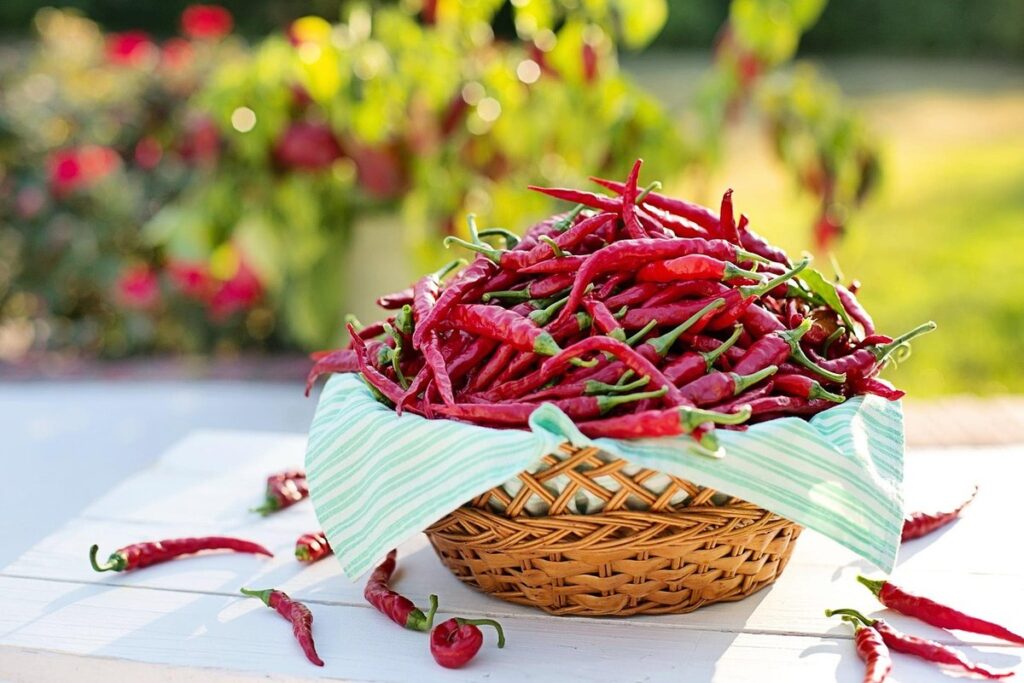
What are Round Red Chili Peppers?
So you’re curious about these distinctive peppers and want to know what makes them tick, right? Let’s dive into the world of round red chili peppers and explore their origins.
History and Origin
Round red chili peppers have a rich history that spans thousands of years and traverses various continents. Originating from Central and South America, these peppers were first cultivated by the ancient civilizations of the Americas. The native habitats of round red chili peppers included the tropical regions of modern-day Mexico, Costa Rica, and Peru, where they thrived in the warm climate.
As early as 6,000 years ago, round red chili peppers were being used not only for their flavor but also for their medicinal properties. The ancient Mayans and Aztecs revered these peppers for their healing powers and considered them a staple in their diet. When Columbus arrived in the Americas, he discovered these peppers and brought them back to Europe, where they quickly gained popularity.
Over time, round red chili peppers spread throughout the world, adapting to different climates and cuisines. Today, they are enjoyed not only for their unique flavor but also for their numerous health benefits. They add a sweet, slightly smoky flavor to dishes and contain vitamins A and C, potassium, and antioxidants that provide various health advantages.
Their versatility in cooking has led to countless recipes, from traditional salsas to modern fusion dishes. If you’re looking to incorporate round red chili peppers into your culinary repertoire, consider starting with simple sauces or marinades to unlock their full flavor potential.
Botanical Classification
Round red chili peppers belong to the Capsicum family, which is part of the Solanaceae order. Within this family, they are classified under the genus Capsicum, specifically as Capsicum annuum. This classification places them alongside other popular varieties like bell peppers and sweet mini peppers.
As Capsicum annuum, round red chili peppers can be further broken down into various cultivars based on their specific characteristics, such as heat level or fruit shape. Some of these cultivars are bred for ornamental purposes, while others are prized for their unique flavor profiles and intense heat.
To understand the nuances of your round red chili pepper, take note of its classification. If it’s labeled as Capsicum annuum var. glabriusculum, it indicates that it belongs to a specific subgroup known for its compact growth habit. Alternatively, if it’s described as Capsicum annuum var. acuminatum, it suggests the presence of more pronounced heat.
Keep in mind that classification can affect the growing conditions and care requirements for your plant. By understanding its botanical roots, you’ll be better equipped to provide optimal support for your round red chili pepper to thrive.
Characteristics and Types
When it comes to choosing the right round red chili peppers, understanding their characteristics and types is essential for any recipe. Let’s dive into the different varieties you can work with.
Physical Characteristics
Round red chili peppers have several distinct physical characteristics that set them apart from other types of peppers. In terms of shape, they are, as their name suggests, rounded rather than long and slender like some other varieties. This unique shape makes them well-suited for adding a burst of flavor to dishes without overpowering them.
In terms of size, round red chili peppers can vary, but most typically range from 2-3 inches in diameter. This compact size also makes them easy to incorporate into recipes without overwhelming the flavors and textures of other ingredients. The vibrant red color of these peppers adds a pop of visual appeal to any dish, making them a great choice for garnishes or adding color to salads.
The texture of round red chili peppers is firm but slightly tender when ripe. This balance makes them easy to chop or slice without falling apart, and they hold their shape well in sauces and stir-fries. Whether you’re using them fresh or roasted, the physical characteristics of round red chili peppers make them a versatile ingredient for any meal.
Sweet vs. Hot Varieties
When it comes to round red chili peppers, you’ll often come across two main categories: sweet and hot varieties. While they may look similar, their flavor profiles and uses in cooking are quite different.
Sweet varieties of round red chili peppers are typically milder and have a sweeter, more delicate taste. They’re great for adding a pop of color and flavor to dishes without the heat. Use them sliced or diced in salads, as a topping for pizzas or pasta, or as a garnish for soups and stews. Sweet cherry pepper is a popular example of this type.
Hot varieties, on the other hand, pack a punch when it comes to spice. They’re perfect for adding a bold kick to dishes like stir-fries, curries, or sauces. The level of heat can vary from mildly spicy to extremely hot, so be sure to check the Scoville heat unit (SHU) rating before using them in cooking. For example, the round red cayenne pepper is a popular choice for its intense heat and flavor.
When selecting either sweet or hot varieties, consider the recipe you’re making and how much heat or flavor you want to add.
Popular Varieties
Round red chili peppers are incredibly diverse, with numerous varieties offering unique characteristics and growing requirements. Some of the most popular types include ‘Candy’, ‘Red Ember’, and ‘Ruby Red’. These varieties offer distinct flavor profiles, ranging from sweet and mild to smoky and hot.
‘Candy’ is a popular choice among home gardeners due to its compact growth habit and high yields. It requires minimal support and can thrive in containers or directly in the ground. For optimal results, ensure your soil has good drainage and a slightly acidic pH.
‘Red Ember’, on the other hand, boasts an intense, smoky flavor that’s perfect for adding depth to dishes. This variety requires a bit more care, as it needs full sun and consistent moisture levels to produce its signature heat. Be patient, as ‘Red Ember’ can take longer to mature than some other varieties.
‘Ruby Red’ is another favorite among chili pepper enthusiasts. Its rich, fruity flavor makes it an excellent choice for snacking or adding a pop of color to salads. Growing requirements are relatively straightforward: ensure your plants receive at least six hours of direct sunlight and maintain consistent watering schedules.
Nutritional Value and Health Benefits
Round red chili peppers are not just a flavorful addition to your favorite dishes, but they’re also packed with nutrients that can have a positive impact on your overall health. Let’s explore their nutritional value and health benefits in more detail.
High in Vitamins and Minerals
Round red chili peppers are not only a flavorful addition to many dishes but also pack a nutritional punch. One of the key benefits of incorporating round red chili peppers into your diet is their richness in vitamins and minerals. Vitamin A, essential for healthy vision and immune function, is particularly abundant in round red chili peppers. In fact, just one pepper provides over 100% of the recommended daily intake.
Vitamin C is another nutrient that’s readily available in round red chili peppers. This antioxidant helps protect cells from damage and supports collagen production, which can improve skin health and reduce wrinkles. A single serving of round red chili peppers also contains a significant amount of potassium, an electrolyte that aids in maintaining healthy blood pressure levels.
Fiber content is another notable aspect of round red chili peppers. They contain both soluble and insoluble fiber, making them beneficial for digestive health. To reap the benefits, try adding sliced or chopped round red chili peppers to your salads, pasta dishes, or stir-fries. You can also use them as a topping for tacos, sandwiches, or grilled meats. Experiment with different preparation methods, such as roasting or sautéing, to unlock their full flavor potential and nutritional value.
Anti-Inflammatory Properties
Round red chili peppers are more than just a flavorful addition to your meals; they also possess potent anti-inflammatory properties that can help alleviate pain and reduce inflammation. The capsaicin present in these peppers is the primary compound responsible for its therapeutic effects.
Research has shown that capsaicin can inhibit the production of pro-inflammatory cytokines, which are molecules that promote inflammation. By reducing the levels of these cytokines, capsaicin helps to calm down the inflammatory response and alleviate pain. Studies have demonstrated that topical application of capsaicin can provide significant relief from conditions such as osteoarthritis, fibromyalgia, and even certain types of neuropathic pain.
To harness the anti-inflammatory benefits of round red chili peppers, you can try incorporating them into your diet in various ways. Add sliced or diced peppers to your meals for a spicy kick, or use them as a topping for soups, salads, or sandwiches. You can also make pepper-infused oil by mixing grated peppers with a carrier oil like olive or coconut oil. This can be used topically to apply capsaicin directly to affected areas and experience its pain-relieving effects.
Supports Digestive Health
Round red chili peppers have been used for centuries in traditional medicine to support digestive health. One of the key ways they do this is by aiding digestion and preventing constipation. The capsaicin present in these peppers stimulates the digestive system, increasing the production of stomach acid and enzymes that break down food.
Studies have shown that consuming foods high in capsaicin can also increase gut motility, helping to move food through the digestive system more efficiently. This not only prevents constipation but can also alleviate symptoms associated with irritable bowel syndrome (IBS).
To get the most digestive benefits from round red chili peppers, it’s essential to consume them in moderation. Adding a few slices of fresh pepper to your meals or using them as a spice can be an easy way to incorporate capsaicin into your diet. However, those with sensitive stomachs may want to start with small amounts and gradually increase their consumption.
Remember that while round red chili peppers have numerous health benefits, individual results may vary. If you experience persistent digestive issues, consult with a healthcare professional for personalized advice.
Uses in Cooking and Recipes
Round red chili peppers add a burst of flavor to many dishes, making them a staple in various cuisines around the world. Let’s explore some delicious ways to use them in your cooking.
Add Flavor to Dishes
Round red chili peppers are a staple ingredient in many cuisines, and their unique flavor profile makes them an excellent addition to various dishes. One of the most popular ways to use round red chili peppers is in salsas and sauces. Their sweet and slightly smoky flavor adds depth and heat to these condiments.
When making homemade salsa, add diced round red chili peppers to a mix of chopped onions, garlic, cilantro, and lime juice for an authentic Mexican flair. Alternatively, combine roasted round red chili peppers with tomato sauce and herbs like oregano and basil for a rich pasta sauce.
Round red chili peppers also pair well in marinades, adding a subtle kick to meats like chicken, beef, or pork. Try combining diced round red chili peppers with olive oil, lemon juice, garlic, and herbs like thyme and rosemary for a flavorful marinade. By incorporating these versatile chilies into your cooking repertoire, you’ll unlock a world of flavor possibilities in your kitchen.
Roasting and Grilling
Roasting and grilling round red chili peppers is an excellent way to unlock their full potential and add depth of flavor to a variety of dishes. When done correctly, it can also enhance the texture and aroma of these sweet and spicy gems.
To roast round red chili peppers, preheat your oven to 425°F (220°C). Place the peppers on a baking sheet lined with parchment paper, drizzle with olive oil, and sprinkle with salt. Roast for about 30-40 minutes or until the skin starts to blister and char. Remove from the oven and let them cool down in a bowl covered with plastic wrap. Once cooled, peel off the skin, remove seeds and membranes, and use as desired.
Grilling is another great option, especially when you want to add a smoky flavor to your dishes. Simply brush the peppers with olive oil, season with salt and any other desired herbs or spices, and grill over medium heat for about 10-15 minutes on each side or until the skin starts to char. Let them cool down before using.
The key is to get a nice char on the skin, which will make it easy to peel off and add a rich flavor to your recipes.
Recipes and Ideas
Round red chili peppers add a sweet and smoky flavor to various dishes, making them an excellent addition to your culinary repertoire. Here are some recipe ideas and tips on incorporating these peppers into your cooking:
To elevate your stir-fries and sautéed vegetables, use sliced round red chili peppers as a topping or mix them in with the ingredients towards the end of cooking. For a spicy kick, add diced peppers to your favorite pasta sauce or pizza dough.
You can also roast whole round red chili peppers in the oven until charred, then peel off the skin and chop for added depth in soups, stews, and braises. Try stuffing them with cheese, herbs, and breadcrumbs for a flavorful appetizer or side dish.
In Mexican cuisine, round red chili peppers are often used to make salsa roja, a spicy tomato sauce. Experiment with this recipe by adjusting the level of heat to your liking. Remember to always handle the peppers gently to avoid breaking their delicate skin.
Growing Your Own Round Red Chili Peppers
Now that you’ve got your round red chili peppers on hand, let’s talk about how to grow them yourself and enjoy a steady supply of fresh, flavorful peppers all season long. We’ll cover the basics of cultivating these sweet chilies in your own garden.
Climate and Soil Requirements
Round red chili peppers thrive in well-draining soil with optimal temperatures and moisture levels. When it comes to climate, round red chili peppers prefer a warm and sunny environment. The ideal temperature for growth is between 65°F (18°C) and 85°F (29°C), with a slightly cooler temperature during the night. Anything below 55°F (13°C) can hinder growth, while temperatures above 90°F (32°C) may cause stress to the plant.
In terms of soil requirements, round red chili peppers need well-draining, fertile soil that is rich in organic matter. A pH level between 6.0 and 7.0 is ideal for optimal nutrient absorption. To ensure good drainage, mix in compost or perlite into the soil before planting. Consistent moisture levels are crucial, with around 1-2 inches of water per week being sufficient. Avoid overwatering, which can lead to root rot and other diseases. By providing the right climate and soil conditions, you’ll be well on your way to growing healthy and vibrant round red chili peppers.
Planting and Care
Planting round red chili pepper seeds indoors 6-8 weeks before the last frost date will give them a head start on the growing season. Use seed starting mix and keep the soil warm at around 75°F to 85°F (24°C to 30°C) until germination, which should occur within 1-3 weeks. Once seedlings have two sets of leaves, transplant them into individual pots with well-draining potting mix.
When transferring seedlings outdoors, choose a location with full sun and well-draining soil. Plant the seedlings 12-18 inches apart in rows that are 2-3 feet apart. Water thoroughly after planting and maintain consistent moisture levels throughout the growing season.
Pruning is essential for promoting healthy growth and encouraging fruiting. Remove lower leaves to prevent fungal diseases, and trim back leggy branches to encourage bushy growth. Fertilize with a balanced fertilizer once a month, following the manufacturer’s instructions to avoid over-fertilizing, which can lead to reduced chili pepper quality.
A soil pH between 6.0 and 7.0 is ideal for round red chili peppers. Mulch around plants to retain moisture and suppress weeds, keeping your garden healthy and thriving.
Pests and Diseases
Round red chili pepper plants are susceptible to various pests and diseases that can significantly impact their growth and yields. Among the most common pests affecting these plants are aphids, whiteflies, and spider mites. These tiny insects feed on the plant’s sap, causing curled or distorted leaves, stunted growth, and reduced fruit production.
To prevent infestations, maintain good garden hygiene by regularly inspecting your plants for signs of pests. Remove any affected leaves or stems, and treat the soil with neem oil or insecticidal soap to deter further infestation. For more severe cases, consider using systemic pesticides like imidacloprid, but be sure to follow label instructions carefully.
Some common diseases affecting round red chili peppers include powdery mildew, bacterial spot, and root rot. Powdery mildew appears as a white, powdery coating on the leaves, while bacterial spot causes small, black spots on the fruit. Root rot is often caused by overwatering, leading to soft, mushy stems.
To manage these diseases, ensure good air circulation around your plants and water carefully to avoid overhydration. Apply fungicides like copper-based products or neem oil according to label instructions, and remove any affected plant material to prevent the spread of disease.
Frequently Asked Questions
Can I use round red chili peppers year-round, or are they seasonal?
Round red chili peppers can be grown and harvested throughout the year, depending on your location and climate. In tropical regions, they’re available 12 months a year. However, in cooler climates, they’re typically harvested between May and October. Yes, with proper care and planning, you can enjoy these peppers year-round.
How do I store round red chili peppers to maintain their flavor and heat?
To keep your round red chili peppers fresh for an extended period, store them in a cool, dry place away from direct sunlight. You can also refrigerate or freeze them to preserve their flavor and heat. Frozen peppers are perfect for adding to soups and stews later.
Can I substitute sweet varieties of round red chili peppers for hot ones in recipes?
While it’s technically possible to use sweet peppers as a substitute, the flavor and texture may differ significantly from hot peppers. If you want to add heat to your dish, it’s best to stick with hot pepper varieties or adjust the amount of chili flakes accordingly.
How do I handle pests and diseases affecting my round red chili pepper plants?
Common pests like aphids, whiteflies, and spider mites can be managed using neem oil or insecticidal soap. To prevent fungal diseases, ensure good air circulation, water carefully, and avoid overfertilizing. Regular monitoring and timely action will help keep your plants healthy.
Can I use round red chili peppers in sweet dishes, such as baked goods or desserts?
Round red chili peppers can add a unique flavor dimension to sweet dishes. They pair well with chocolate, especially in spicy-sweet combinations like chili-spiced brownies or pepper-infused ice cream. Experiment with small batches to find the perfect balance of heat and sweetness for your taste buds.