
Growing your own herbs can be incredibly rewarding, and one of the most popular choices is rosemary. Not only does it add a delicious flavor to many dishes, but it’s also easy to propagate from cuttings, making it a great choice for gardeners on a budget or those who want to share with friends and family. But propagating rosemary can be a bit tricky if you don’t know the right techniques. In this article, we’ll take you through the process of growing rosemary from cuttings, covering everything from selecting healthy stems to using rooting hormone and providing optimal care for successful growth. With our in-depth guide, you’ll be well on your way to harvesting fresh rosemary in no time!
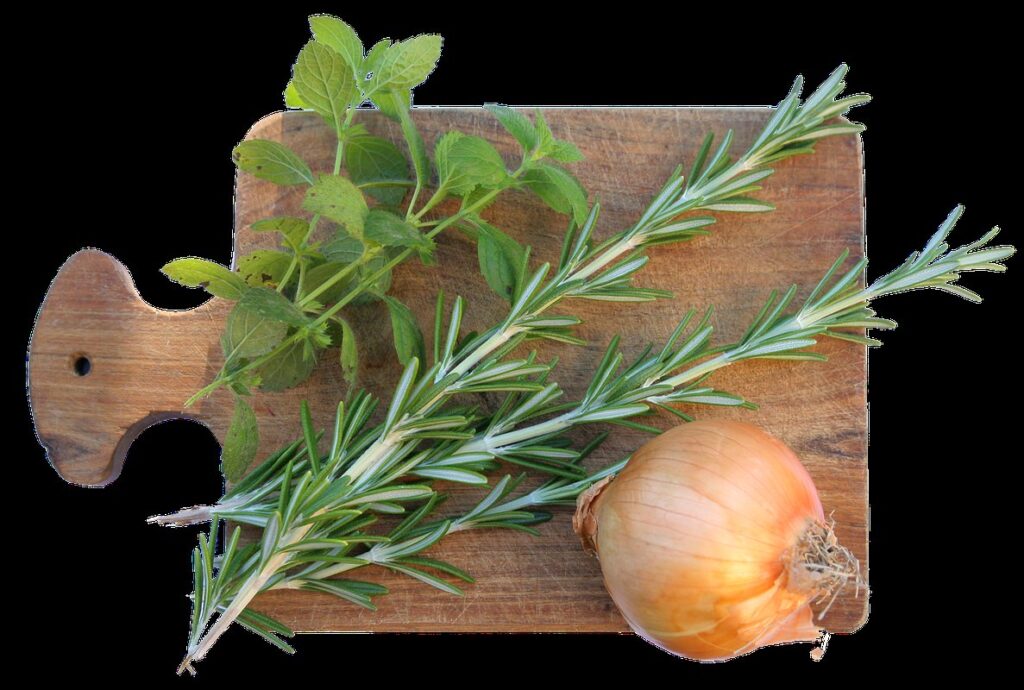
Choosing Healthy Rosemary Cuttings
When selecting rosemary cuttings for propagation, it’s essential to choose healthy stems with plenty of nodes and a sturdy base to ensure successful growth. Look for cuttings with vibrant green color and minimal signs of disease.
Selecting Fresh and Green Cuttings
When selecting fresh and green cuttings for propagation, it’s essential to choose those that are healthy and vigorous. Look for stems with bright green leaves and a lively color, as these will have the best chance of rooting successfully.
Avoid cuttings with wilted or yellowing leaves, as they may be too stressed or unhealthy to propagate well. Similarly, steer clear of cuttings with brown or brittle tips, as these can be signs of root rot or other issues.
When it comes to texture, choose cuttings with a smooth, firm stem that’s free from any soft spots or bruises. This will ensure the cutting has a strong foundation for growth and will reduce the risk of disease.
If you’re taking your own rosemary cuttings from an existing plant, try to select stems from the tips of the branches, as these tend to be more vigorous and have a higher success rate. For optimal results, use cuttings that are around 3-4 inches long, with at least two sets of leaves.
Identifying the Best Time for Cutting
When it comes to taking cuttings from a mature rosemary plant, timing is everything. The ideal time to take cuttings depends on several factors, including the climate and seasonality of your area.
In general, it’s best to take cuttings during the cooler months of the year, such as fall or early spring. This allows the new growth to establish itself before the heat of summer sets in. In regions with mild winters, you can also take cuttings in late winter or early spring, when the plant is just starting to produce new growth.
Avoid taking cuttings during the hottest part of the year, as this can cause stress to the plant and reduce the chances of successful propagation. Additionally, make sure the parent plant is healthy and well-watered before taking cuttings, as a stressed plant will not root easily. By timing your cutting correctly, you’ll be more likely to achieve success and enjoy a bountiful harvest of new rosemary plants.
Preparing the Cuttings for Rooting
Now that you have your rosemary cuttings, it’s time to prepare them for rooting. This involves trimming and cleaning the cut ends to promote healthy growth.
Cleaning and Trimming the Cut Ends
Cleaning and trimming the cut ends of rosemary stems is a crucial step before rooting. To promote healthy growth, you’ll want to remove any dead or damaged tissue from the stem’s end. Start by gently washing the stem under running water to remove dirt and debris. Next, using sterile scissors or pruning shears, trim the cut end at an angle. This helps prevent water from collecting on the surface and reduces the risk of rot.
When trimming, be sure to remove any visible signs of disease, such as white powdery patches or dark spots. This will help prevent the spread of infection during rooting. Now, use a clean cloth or paper towel to dry the cut end thoroughly. It’s essential not to touch the cut area with your bare hands, as oils from your skin can inhibit root growth.
Cutting at an angle also exposes more surface area for root development, which is critical for successful rooting. This simple step may seem minor, but it significantly impacts the health and resilience of your newly rooted rosemary plants.
Removing Lower Leaves and Reducing Water Loss
When preparing rosemary cuttings for rooting, it’s essential to remove lower leaves and reduce water loss through the cut surface. This step may seem trivial, but it plays a crucial role in the success of the rooting process.
To start, carefully snip off any lower leaves that will be submerged in the rooting medium. You can use scissors or pinch them off between your thumb and index finger. This will prevent the cutting from becoming waterlogged, which can lead to root rot. Remove any weak or damaged leaves, as they’ll only consume resources without contributing to growth.
Next, reduce water loss by treating the cut surface with a rooting hormone powder or liquid. This helps stimulate cell division and promotes new root growth. You can also dip the cut end into a cup of water with a tablespoon of honey for about 10 minutes to help seal the xylem vessels and prevent moisture loss. Be sure to dry the cutting thoroughly before planting it in your chosen rooting medium.
Rooting Hormone and Planting Medium
To successfully grow rosemary from cuttings, you’ll need to understand how to use rooting hormone and choose the right planting medium for optimal results. Let’s break down these crucial components.
Using Rooting Hormone Powder or Liquid
Using rooting hormone powder or liquid is an excellent way to stimulate root growth in rosemary cuttings. This process can significantly increase the chances of successful propagation and help your new plant establish itself quickly. When choosing a rooting hormone, you’ll typically find it available in either a powdered or liquid form.
When using rooting hormone powder, gently sprinkle a small amount onto the cutting’s stem, making sure to cover the area where the roots will develop. For rosemary cuttings, use a fine-mesh sieve to apply an even coat – about 1/4 teaspoon is usually sufficient. On the other hand, liquid rooting hormone is applied by gently brushing it onto the stem with a soft brush or swab.
Keep in mind that using too much rooting hormone can be detrimental to your cutting’s health, so follow the manufacturer’s instructions carefully. By stimulating root growth with a suitable application of rooting hormone, you’ll create an optimal environment for your rosemary cutting to take hold and thrive.
Selecting a Suitable Planting Medium
When selecting a suitable planting medium for rosemary cuttings, it’s essential to choose one that drains well and provides the right balance of moisture and oxygen. Rosemary is a Mediterranean herb native to dry, rocky areas with low humidity, so it requires a planting medium that can replicate these conditions.
Opt for a potting mix specifically designed for herbs or succulents, as they tend to be more free-draining than general-purpose mixes. You can also create your own by combining perlite or vermiculite with peat moss or coconut coir. Avoid using regular garden soil, as it can retain too much water and cause the roots of your rosemary cutting to rot.
Some key characteristics to look for in a planting medium include:
• Good drainage: Water should be able to pass through easily without causing the mix to become waterlogged.
• High porosity: The mix should be able to hold onto moisture but also release excess water quickly.
• Low fertility: Rosemary is a low-maintenance herb and doesn’t require high levels of nutrients.
Remember, the goal is to create a well-draining environment that allows the roots of your rosemary cutting to establish themselves without drowning in excess water.
Planting and Watering Techniques
Now that you have your rosemary cuttings, it’s time to focus on planting them correctly. Learn essential techniques for a successful start in this section.
Planting the Cuttings in Pots or Trays
When planting rosemary cuttings in pots or trays, it’s essential to get the depth and spacing just right. Place the cutting into a pot or tray filled with a well-draining mix, burying it up to its node – the point where a leaf meets the stem. This is where new growth will emerge. Leave about 1-2 inches of the stem exposed above the soil surface.
Make sure to space the cuttings about 6-8 inches apart, as this allows for proper air circulation and prevents moisture from becoming trapped between them. You can plant multiple cuttings in a single pot or tray, but avoid overcrowding.
Water the soil gently but thoroughly after planting. Keep the soil consistently moist during the first few weeks, but avoid overwatering – this can lead to root rot and other issues. A good rule of thumb is to water when the top inch of soil feels dry to the touch. By following these steps, you’ll be well on your way to successfully growing rosemary from cuttings in pots or trays.
Maintaining Optimal Water Conditions
When you’ve successfully planted your rosemary cuttings, it’s essential to maintain optimal water conditions to ensure they establish a strong root system and thrive. Watering techniques play a crucial role in this process.
Water newly planted rosemary cuttings when the top inch of soil feels dry to the touch. This is usually every 2-3 days during the first week after planting, depending on the climate and humidity levels. However, be cautious not to overwater, as this can lead to root rot and other issues.
To check if your cuttings are receiving too much water, look for signs such as yellowing leaves, droopy stems, or a sour smell from the soil. These indicators suggest that the roots may be rotting due to excessive moisture.
Keep in mind that rosemary prefers well-draining soil, so ensure your pot has adequate drainage holes to prevent waterlogged soil. Water your cuttings gently but thoroughly, making sure not to splash excess water on the leaves or stems. By striking this balance, you’ll provide your rosemary cuttings with the right conditions to grow strong and healthy roots.
Environmental Factors Affecting Root Development
The environment you provide for your rosemary cutting will greatly impact its ability to develop a healthy root system, so let’s explore the key factors that affect this process. Temperature and humidity play particularly important roles in this stage of growth.
Providing Adequate Light and Temperature
When propagating rosemary cuttings, providing adequate light and temperature is crucial for promoting healthy root development. Rosemary requires bright, indirect light to photosynthesize and grow roots efficiently. In an indoor environment, place the cutting near a sunny window or use grow lights with a temperature range of 65-75°F (18-24°C) during the day and slightly cooler at night.
If you’re growing rosemary outdoors, choose a spot with full sun to partial shade. The ideal temperature for outdoor rosemary cuttings is between 60-70°F (15-21°C). Be mindful that extreme temperatures, whether too hot or cold, can hinder root growth.
Keep in mind that rosemary cuttings require a temperature drop at night to induce rooting. Aim for a 5-10°F (3-6°C) decrease in temperature from the daytime temperature. This natural process helps stimulate root development and increases the chances of successful propagation.
Managing Humidity and Air Circulation
Maintaining a suitable level of humidity and air circulation around your rosemary cuttings is crucial for healthy root development. When you plant your cuttings, the environment can quickly become too humid, leading to root rot and other issues. To prevent this, ensure good air circulation by placing your pots in a well-ventilated area or using a fan to circulate the air.
Keep the humidity level around 50-60% by covering the pot with a clear plastic bag. This will help retain moisture without creating a humid microclimate. Check on the cuttings daily and remove the bag as soon as you see new growth, usually within a week or two.
Monitor your cuttings’ response to their environment. If you notice signs of root rot, such as softening stems or a foul smell, adjust the humidity level immediately. Aim for 1-2 inches of space between each pot to allow for adequate air circulation.
In ideal conditions, rosemary can thrive in temperatures ranging from 65°F to 75°F (18°C to 24°C). However, even slight variations can impact root development. Be mindful of your environment and adjust the humidity level accordingly to create a healthy balance for your cuttings.
Monitoring and Caring for Young Rosemary Plants
Now that you’ve successfully rooted your rosemary cuttings, it’s time to focus on providing them with the right care to thrive. This next step is crucial for their development into healthy, robust plants.
Checking for Root Development and Water Requirements
As you continue to care for your young rosemary plants, it’s essential to monitor their progress and ensure they’re receiving the right amount of water. This is a critical stage, as young roots are developing and establishing themselves within the potting mix.
To check for root development, gently remove the plant from its container and inspect the roots. If you notice any white or light-colored fibers at the base of the stem, these are likely to be new roots growing inwards. You can also use a tool like a chopstick or pencil to carefully prod around the roots, helping to loosen them if they’ve become pot-bound.
Keep an eye on your rosemary plants’ water needs as well. They prefer well-draining soil and should be kept consistently moist but not waterlogged. Check the top inch of soil daily, sticking your finger into it to gauge its moisture level. If it feels dry, it’s time for a drink! Water thoroughly until you see water draining out of the pot – this ensures the roots are receiving enough hydration without becoming waterlogged.
Pruning and Training the New Plant
Pruning and training are crucial steps in nurturing young rosemary plants. As they grow from cuttings, it’s essential to shape them correctly to encourage a bushy, robust structure and maximize their aromatic properties.
When pruning, remove about one-third of the longest stems, cutting just above a node (where a leaf meets the stem). This encourages new growth and helps maintain a balanced shape. Be gentle when handling the plant, as rosemary cuttings can be delicate.
Training involves providing support for the young plant to grow upright and bushy. You can use stakes or trellises to keep them in place while they establish themselves. Prune any weak or spindly growth to direct energy towards developing a fuller, more compact shape.
To promote healthy growth, fertilize your rosemary plants with a balanced, water-soluble fertilizer once a month. Monitor for pests and diseases regularly, addressing any issues promptly to prevent damage.
With regular pruning and training, your young rosemary plant will develop into a robust, fragrant addition to your garden or indoor space within a few months.
Frequently Asked Questions
Can I use a mixture of old and new growth when selecting rosemary cuttings for propagation?
When choosing rosemary cuttings, it’s best to stick with fresh and green stems from the current growing season. Avoid using older or woody sections, as these may not have the same rooting potential as newer growth.
What happens if I notice root rot in some of my cuttings while they’re still developing roots?
Yes, root rot can be a problem when propagating rosemary from cuttings. If you suspect that one or more of your cuttings are affected, carefully remove them and dispose of the infected material to prevent it from spreading to other plants.
How often should I water my newly planted rosemary cuttings during the first few weeks?
Water your newly planted rosemary cuttings when the top inch of soil feels dry to the touch. This is usually every 2-3 days in warm temperatures and slightly less frequently in cooler conditions. Avoid overwatering, which can lead to root rot.
Can I propagate rosemary from cuttings indoors during the winter months?
Yes, you can propagate rosemary from cuttings indoors year-round, including the winter months. However, be aware that indoor conditions may not provide the optimal environment for rooting, and success rates may vary compared to outdoor propagation.
Will using a general-purpose potting mix instead of a specialized rooting medium affect the outcome of my rosemary cutting propagation?
No, while a specialized rooting medium can be beneficial, it’s not essential. A well-draining general-purpose potting mix will still allow your rosemary cuttings to develop roots successfully. However, keep in mind that some commercial rooting mediums contain additives like fungicides or root stimulants that may enhance the rooting process.