
Growing your own pomegranate tree from seeds can be a rewarding experience, but it requires some knowledge and patience. Pomegranates are a delicious and nutritious fruit that’s perfect for snacking, cooking, or making juices. However, buying a potted pomegranate tree can be expensive, which is why learning to grow them from seeds at home is a great idea. In this article, we’ll walk you through the process of extracting pomegranate seeds, germinating them, and providing proper care for your young tree. We’ll also cover essential techniques like pruning and harvesting, so you can enjoy a bountiful harvest in no time. Whether you’re a seasoned gardener or a beginner, our comprehensive guide will help you grow pomegranates from seeds successfully at home.
Understanding Pomegranate Seeds and Their Potential
Now that you’ve got your pomegranate seeds, let’s dive into understanding their unique characteristics and potential for growth. We’ll explore the secrets to successful germination.
What are Pomegranate Seeds?
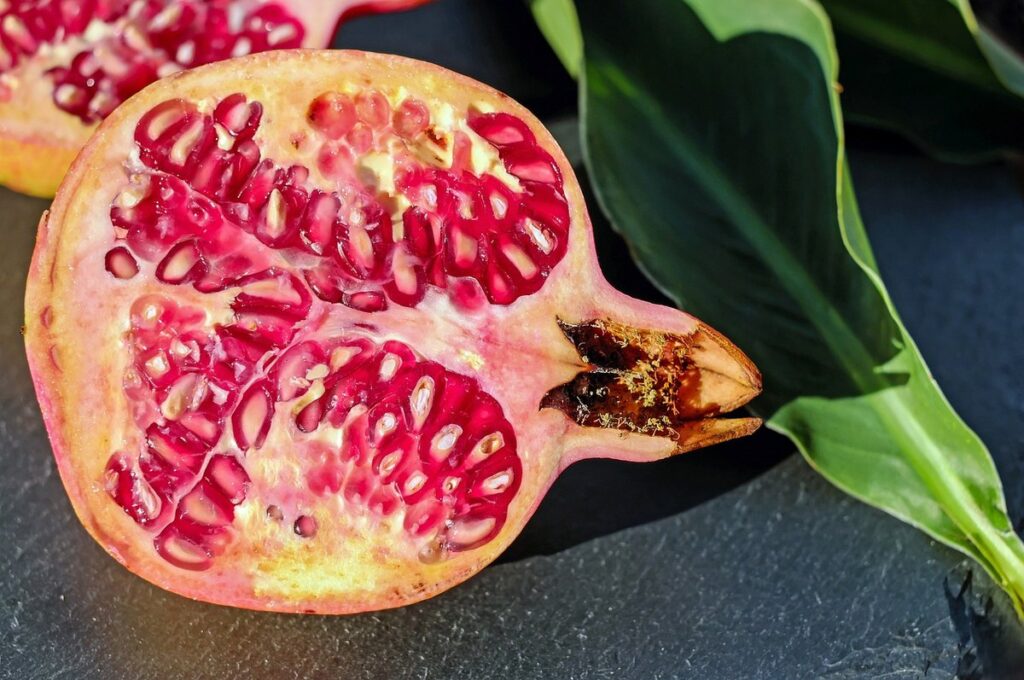
Pomegranate seeds are the tiny, edible kernels contained within the juicy arils of the pomegranate fruit. Each seed is surrounded by a fleshy, white pulp and measures about 1-2 cm in length. The composition of pomegranate seeds includes a hard outer shell called an endocarp, which protects the soft inner embryo.
When you grow pomegranates from seeds at home, you’re essentially cultivating these tiny embryos into mature trees. Pomegranate seeds are an excellent choice for home cultivation because they offer several advantages. For one, they allow you to replicate your favorite varieties or experiment with new ones. Moreover, starting with seeds gives you the flexibility to prune and train the tree as it grows, resulting in a more compact and manageable plant.
Another benefit of using pomegranate seeds is that they often produce healthier trees compared to grafted saplings. This is because seed-grown trees have developed their own root systems from scratch, which can lead to improved disease resistance and adaptability. By growing pomegranates from seeds at home, you’ll not only enjoy the satisfaction of nurturing a new tree but also potentially grow stronger, more resilient plants.
Choosing the Right Variety for Seed Germination
When choosing a pomegranate variety for seed germination, it’s essential to consider several factors that will determine its success and adaptability. Climate adaptability is the first consideration – some varieties are more tolerant of heat, cold, or drought than others. If you’re growing in a hot desert climate, look for varieties like ‘Wonderful’ or ‘Granada’, which are bred specifically for warm regions.
Disease resistance is another crucial factor to consider. Some pomegranate varieties are naturally resistant to diseases like powdery mildew and root rot. ‘Fuyu’ and ‘Nana’ are two popular varieties that exhibit excellent disease resistance, making them ideal choices for home growers with limited experience.
Finally, think about the characteristics you want in your pomegranate fruit – size, flavor, or color. If you prefer smaller, sweeter fruits, look for varieties like ‘Grafted Dwarf’ or ‘Punicos’, which are specifically bred for their compact growth habit and exceptional taste.
Preparing Pomegranate Seeds for Germination
Now that you’ve successfully extracted pomegranate seeds, it’s time to prepare them for germination, a crucial step in growing a healthy tree. Let’s get started!
Extracting Seeds from a Fresh Pomegranate
Extracting seeds from a fresh pomegranate is the first crucial step towards growing pomegranate from seeds at home. To begin with, select a plump and healthy pomegranate for seed extraction. A ripe pomegranate will have a deep red color and slight softening of the skin. Cut the pomegranate in half and gently pull apart the arils to release the seeds.
Choose seeds that are firm, shiny, and well-defined. Plump and healthy seeds have a higher chance of germination. Avoid seeds with white or pale patches, as they may be old or damaged. To extract more seeds efficiently, work from the top layer down, pulling out the arils and releasing the seeds into a bowl. It’s essential to handle the seeds gently to prevent damage.
For optimal seed viability, it’s recommended to use fresh seeds within 24 hours of extraction. Any excess seeds can be stored in an airtight container or paper bag for up to six months in a cool, dry place.
Seed Preparation: Cleaning and Drying
To ensure optimal germination of pomegranate seeds, it’s crucial to clean and dry them thoroughly. Start by removing any excess pulp from the seeds using a fine-mesh sieve or a piece of cheesecloth. Gently rinse the seeds with lukewarm water to remove any remaining pulp particles.
Next, spread the cleaned seeds on a paper towel-lined plate or tray to air-dry. This process typically takes 24-48 hours, depending on the humidity level in your environment. It’s essential to maintain consistent airflow around the seeds during this time to prevent moisture buildup.
After drying, gently pat the seeds dry with a clean cloth to remove any remaining moisture. Now, they’re ready for the next step: scarification or seed stratification. Remember, handling the seeds with care and precision is vital at this stage, as pomegranate seeds can be fragile and prone to damage.
Germinating Pomegranate Seeds at Home
To successfully grow a pomegranate tree from seeds, you’ll first need to germinate those tiny seeds in a warm and humid environment. This is where your homegrown adventure truly begins!
Optimal Conditions for Seed Germination
To successfully germinate pomegranate seeds at home, it’s essential to provide them with optimal conditions. The ideal temperature for seed germination is between 75°F (24°C) and 85°F (29°C). This warm temperature range mimics the natural environment of pomegranate trees in their native habitats.
In terms of light exposure, pomegranate seeds require indirect light to germinate successfully. Direct sunlight can be too intense for young seedlings and may cause them to become scorched. Place your seed tray or container near an east- or west-facing window to provide gentle, indirect light.
Maintaining the right humidity level is also crucial for successful germination. Covering the container with a clear plastic bag or a cloche will help retain moisture and maintain humidity levels around 50-60%. This will create a microclimate that simulates the humid conditions found in nature, promoting healthy seed germination.
Check on your seeds daily to ensure they’re not drying out. If you notice any signs of drying, mist with water gently to keep them hydrated until they germinate.
Methods for Seed Germination: Water, Soil, or Hydroponics?
When it comes to germinating pomegranate seeds, you have several methods to choose from. One popular approach is using water as a medium for seed germination. This method involves placing the seeds in a cup of water and allowing them to soak for 24-48 hours before transferring them to a pot with well-draining soil. Water germination can be beneficial as it helps to soften the seed coat, making it easier for the seedling to emerge.
Another option is using soil directly from the start. This method requires filling a small pot or tray with a good quality seed starting mix and planting the seeds about ¼ inch deep. The soil should be kept consistently moist but not waterlogged. Using soil can provide better root development and make it easier for the seedling to establish itself.
Hydroponic systems are also an option, although they may require more equipment and expertise. Hydroponics involves suspending the seeds in a nutrient-rich solution rather than using traditional soil. This method can be beneficial as it allows for precise control over the nutrients available to the seedling. However, hydroponics can be more expensive and requires a greater investment of time and resources.
It’s worth noting that all three methods have their advantages and disadvantages, and what works best will depend on your specific situation and preferences. Ultimately, the goal is to provide the seeds with the right conditions for germination and growth.
Caring for Young Pomegranate Saplings
Once you’ve successfully germinated your pomegranate seeds, it’s essential to provide them with proper care to ensure they thrive and grow into healthy saplings. Here, we’ll cover the specific needs of young pomegranate plants.
Transplanting Seedlings into Individual Pots
When transplanting seedlings into individual pots, it’s essential to prioritize proper root development. As your young pomegranate saplings grow, they’ll need room to expand their roots without becoming waterlogged or competing for nutrients.
Begin by gently removing the seedling from its container, taking care not to disturb the roots. If the seedling has developed a robust taproot, use a fork to loosen it and encourage deeper growth. Next, prepare individual pots with well-draining potting mix, filling them about 2/3 full. Place the seedling in the center of each pot, making sure its soil level is slightly above the original container’s soil surface.
Water thoroughly after transplanting and keep the soil consistently moist but not waterlogged during the first few weeks. Fertilize sparingly with a balanced fertilizer to promote healthy root development. Keep an eye out for signs of nutrient deficiencies or root bound conditions, adjusting your care routine accordingly. This will give your pomegranate saplings the best chance at developing robust, productive roots that support future growth and fruiting.
Nutrient-Rich Soil and Fertilization Schedule
Young pomegranate saplings require nutrient-rich soil and regular fertilization to thrive. Soil that is deficient in essential nutrients can hinder their growth and productivity. To create a suitable environment, mix organic matter like compost or well-rotted manure into the soil. This will not only improve its fertility but also increase its water-holding capacity.
When it comes to fertilizing your young pomegranate saplings, timing is crucial. A balanced fertilizer that contains nitrogen (N), phosphorus (P), and potassium (K) should be applied at planting time. You can then follow a regular schedule of feeding:
* Every 2-3 months during the growing season, apply a liquid fertilizer with a N-P-K ratio of 20:20:20.
* During fruiting phase, switch to a bloom booster fertilizer that is rich in phosphorus and potassium (e.g., 10-30-20).
Keep in mind that excessive fertilization can damage your saplings. A general rule of thumb is to apply half the recommended amount during the first year. Monitor your plant’s response and adjust the fertilization schedule accordingly.
Pruning and Training for Optimal Growth
Now that you have your seedlings established, it’s time to prune and train them for optimal growth, which will encourage a strong, balanced tree structure. Proper pruning techniques are crucial for maximum yields.
Understanding Pomegranate Pruning Techniques
Pruning is an essential part of pomegranate cultivation, and understanding the right techniques can make all the difference. When growing pomegranate from seeds at home, it’s crucial to prune your plants correctly to promote healthy growth, encourage fruiting, and maintain their overall shape.
To begin with, remove any weak or damaged branches during the first year after planting. This will help direct the plant’s energy towards developing a strong root system. As the plant grows, thin out the center of the tree by removing select branches to allow sunlight to reach all areas evenly. Prune your pomegranate tree in late winter or early spring, before new growth begins.
Pruning also plays a significant role in promoting fruiting. Remove any suckers that grow from the base of the plant, as these can divert energy away from fruit production. By pruning judiciously, you’ll encourage your pomegranate tree to produce more flowers and eventually, delicious fruit. Aim for an open center system, allowing air to circulate freely around each branch.
When it comes to controlling growth, prune regularly to maintain a manageable size and shape. For example, if you’re growing your pomegranate in a container, pruning will help prevent the roots from becoming pot-bound. By following these simple pruning techniques, you’ll be well on your way to cultivating a thriving and productive pomegranate tree.
Supporting Pomegranate Trees with Stakes or Trellises
As you continue to care for your pomegranate seedlings, it’s essential to provide them with adequate support as they grow. Young pomegranate trees can be prone to toppling over due to their weight and sprawling habit, so using stakes or trellises is a great way to keep them upright and promote healthy growth.
When choosing between stakes and trellises, consider the mature size of your tree and the space available in your garden. Stakes are ideal for smaller trees that need minimal support, while trellises offer more flexibility and can be used for larger trees or those with a more vigorous growth habit. For example, you can use a simple wooden stake to support a small pomegranate seedling, or invest in a sturdy trellis system for a larger tree.
To set up your stakes or trellises, gently tie the trunk of the tree to the support using soft ties or twine, making sure not to constrict the growth. This will help keep the tree upright and encourage a single leader to develop, which is essential for optimal fruit production. Regularly check on your tree’s progress and adjust the stakes or trellises as needed to ensure continued support and healthy growth.
Pest Management and Common Issues in Homegrown Pomegranates
As you continue growing your pomegranate from seed, you’ll likely encounter pests and common issues that can impact fruit production. This section covers prevention and management techniques to keep your trees healthy.
Identifying Common Pests Affecting Pomegranate Plants
Pomegranate plants can be susceptible to various pests that can cause significant damage if left unchecked. Some common pests that can harm pomegranate plants include aphids, whiteflies, mealybugs, and spider mites.
Aphids are small, soft-bodied insects that feed on plant sap, causing curled or distorted leaves. Whiteflies are tiny, flying insects that also feed on plant sap, often leaving behind a sticky residue. Mealybugs are small, cottony-looking insects that secrete a sticky substance as they feed on plant sap. Spider mites are tiny, spider-like insects that spin fine webs and feed on plant sap, causing yellowing or bronzing of leaves.
Signs of infestation can include curled or distorted leaves, stunted growth, white powdery residue on leaves, and fine webbing on the underside of leaves. To treat infestations, use neem oil or insecticidal soap to control aphids and mealybugs, while horticultural oil or pyrethrin spray can be used to control spider mites and whiteflies. Regularly inspect your plants for signs of pests and take prompt action if you notice any issues. This will help prevent infestations from getting out of hand and ensure a healthy, thriving pomegranate plant.
Addressing Nutrient Deficiencies and Other Problems
As you nurture your homegrown pomegranate from seed to fruit, it’s essential to monitor its health and address potential issues promptly. Nutrient deficiencies can be a significant problem for pomegranates, especially when grown indoors where soil quality might be limited. To prevent this, ensure you’re using a balanced fertilizer specifically formulated for citrus trees or pomegranates.
For root rot, which is often caused by overwatering, inspect your plant’s roots regularly. If the roots appear soggy or mushy, stop watering immediately and repot the tree in fresh, well-draining soil. To prevent root rot, use a pot with good drainage holes, and water your pomegranate sparingly but thoroughly.
Other potential issues to watch out for include pests like mealybugs, spider mites, and scale insects. Regularly inspect your plant’s leaves and stems for signs of infestation. If you notice any pests, treat them promptly using neem oil or insecticidal soap according to the product’s instructions. With proper care and attention, your homegrown pomegranate should thrive, but be prepared to address these issues as they arise.
When pruning your pomegranate tree, remove any dead or diseased branches to prevent further damage. Also, maintain a clean growing environment by removing weeds and debris around the plant’s base.
Harvesting and Storing Homegrown Pomegranates
Once your pomegranate tree is mature, it’s essential to know how to harvest its fruit at the right time to ensure maximum flavor and quality. We’ll cover the best ways to pick and store homegrown pomegranates.
Determining the Best Time for Harvest
Determining the best time for harvest is crucial to ensure that your homegrown pomegranates are ripe and ready for consumption. To determine if your pomegranate fruits are ripe, gently tap them with your fingers. A ripe pomegranate will have a deep red color, but it’s essential to check the sweetness and firmness of the fruit as well. A ripe pomegranate should be slightly soft to the touch, especially around the stem end.
Check for any signs of over-ripeness by gently squeezing the fruit. If it yields to pressure easily, it may be too ripe. You can also check the seeds; if they rattle inside the fruit when shaken, it’s a sign that the pomegranate is mature. For optimal flavor and texture, harvest your homegrown pomegranates in late fall or early winter, around 6-8 months after flowering. This timing allows for proper ripening on the tree before harvesting.
When selecting specific trees for harvest, consider factors such as fruit size, color, and seed maturity. Harvest the largest, reddest fruits first to encourage further growth on the smaller ones.
Proper Storage Techniques for Fresh and Dried Fruits
When it’s time to harvest your homegrown pomegranate fruits, proper storage techniques are crucial to maintaining their quality and flavor. Whether you’ve chosen to preserve them as fresh fruits or dry them for a crunchy snack, here are some tips to help you store them effectively.
For fresh pomegranates, store them in a cool, dry place away from direct sunlight. The ideal temperature range is between 32°F and 50°F (0°C and 10°C). Avoid storing them near heat sources or areas with high humidity. Fresh pomegranates can last for up to two weeks when stored properly.
To maintain their flavor and texture, you can also store them in the refrigerator. Wrap each fruit individually in plastic wrap or aluminum foil to prevent moisture loss and other external factors from affecting their quality.
Dried pomegranate fruits are more shelf-stable and can be stored at room temperature for up to six months. However, it’s essential to keep them in an airtight container to protect them from pests and maintain their flavor. You can also store dried pomegranates in the refrigerator or freezer for longer periods, but be sure to check on them regularly to prevent moisture buildup.
When storing either fresh or dried pomegranate fruits, make sure to label the containers with the date they were stored and any relevant notes about their storage conditions. This will help you keep track of their freshness and ensure that you use the oldest items first.
Frequently Asked Questions
Can I grow pomegranates from seeds if the fruit is not fresh?
Yes, but the germination rate may be lower. You can still try using old or dried-out pomegranate fruits, but make sure to dry them properly before extracting the seeds. Keep in mind that older seeds might take longer to germinate.
How often should I water my young pomegranate saplings?
Water your pomegranate seedlings regularly, keeping the soil consistently moist but not waterlogged. Avoid overwatering, which can lead to root rot and other issues. A good rule of thumb is to water them when the top 1-2 inches of soil feels dry.
What are some common pests that affect pomegranate trees?
Some common pests that target pomegranates include aphids, whiteflies, mealybugs, and spider mites. Regularly inspect your plants for signs of infestation and take action promptly if you notice any issues. Use organic pest control methods whenever possible to minimize harm.
Can I grow pomegranate trees indoors year-round?
While it’s technically possible to grow pomegranates indoors, they typically require a lot of light and heat. If you’re growing them in containers, make sure to provide supplemental lighting and maintain temperatures above 65°F (18°C) for optimal growth.
How long does it take for pomegranate trees to produce fruit after germination?
It can take anywhere from 3-5 years for pomegranate trees to mature and produce fruit after germination. This timeframe may vary depending on factors like climate, soil quality, and pruning techniques. With proper care and attention, your tree should start producing delicious fruits within a few years.