
When we think about growing our own food, most of us assume that we need a garden filled with rich, fertile soil. But what if I told you that there’s a way to grow plants without soil at all? Not only is this method more water-efficient and space-saving, but it can also increase crop yields significantly. Hydroponic crops and aeroponic systems are two examples of how plants can thrive in environments where traditional soil isn’t required. By ditching the dirt, we can reduce our environmental footprint while still enjoying a bountiful harvest. In this article, we’ll explore the benefits of growing plants without soil, including hydroponics and advanced techniques for a sustainable food future. We’ll delve into what it takes to get started and how you can incorporate these innovative methods into your own gardening routine.
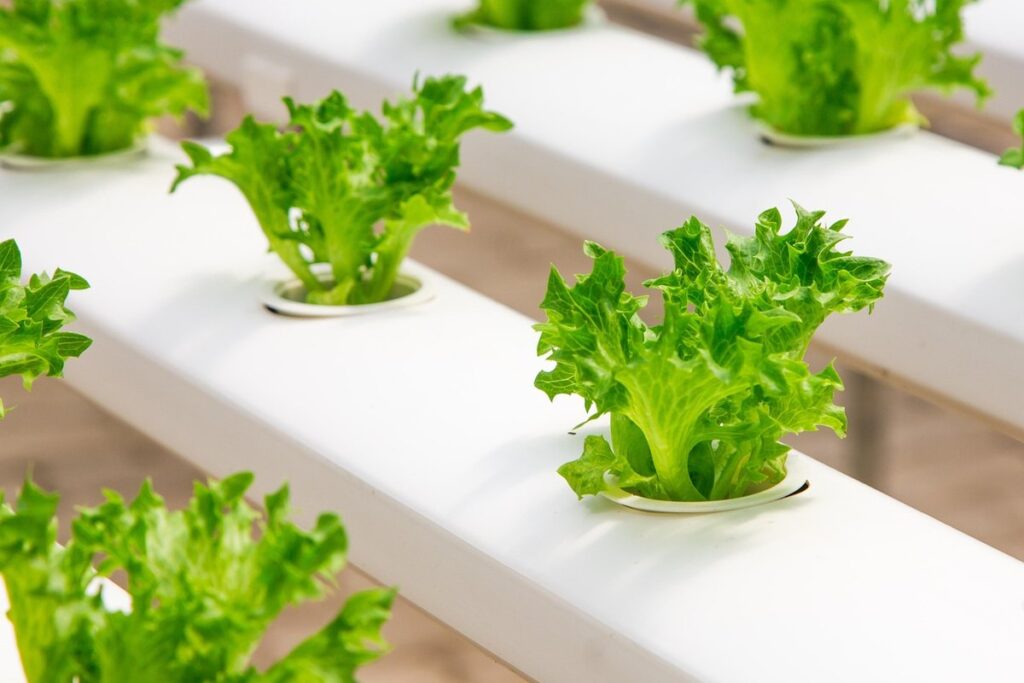
What are Plants That Grow Without Soil?
As we explore the fascinating world of soilless cultivation, you might be wondering: what kind of plants can actually thrive without any dirt at all? Let’s take a closer look.
The Science Behind Soilless Plant Growth
Plants have been thriving on our planet for millions of years, and it’s only recently that we’ve started to question the role of soil in their growth. You see, plants don’t necessarily need soil to grow – they just need a medium to anchor themselves and access essential nutrients.
In traditional soil-based growth, plants absorb water and nutrients through their roots, which are designed to tap into the nutrient-rich soil around them. But here’s the thing: plants can also obtain the necessary nutrients through other means. In photosynthesis, for instance, they use sunlight, carbon dioxide, and water to produce glucose and oxygen – a process that doesn’t require soil at all.
Some plants have adapted to thrive in environments where soil is scarce or even absent. Take, for example, cacti and succulents, which store water in their leaves and stems instead of relying on it from the soil. Others, like orchids and bromeliads, absorb moisture and nutrients through aerial roots that hang above the ground.
By understanding how plants can grow without soil, we’re able to develop innovative techniques for cultivating crops in areas where traditional farming isn’t feasible – and that’s exactly what hydroponics and other soilless growing methods are all about.
Benefits of Soilless Plant Cultivation
Growing plants without soil offers numerous benefits that make it an attractive option for farmers, gardeners, and environmentally conscious individuals. One of the most significant advantages is increased yields. Without the constraints of soil quality and nutrient deficiencies, plants can grow faster and stronger, leading to higher productivity and more abundant harvests.
Water conservation is another crucial benefit of soilless plant cultivation. By using hydroponic systems or other methods that recycle water, growers can significantly reduce their water consumption. According to a study by the University of Arizona, hydroponic systems used up to 90% less water than traditional soil-based farming methods.
Reducing waste is also a major advantage of growing plants without soil. With soilless cultivation, there’s no need for land preparation or tilling, which can lead to soil erosion and degradation. Furthermore, the lack of soil-borne pests and diseases means fewer chemicals are required to control them, resulting in less waste and a more sustainable environment.
By adopting soilless plant cultivation methods, growers can not only improve yields and conserve water but also create a healthier ecosystem for plants and people alike.
Types of Plants That Thrive Without Soil
Some plants have adapted to grow without soil, and we’ll explore these fascinating species that can thrive in hydroponic systems and beyond. From air plants to succulents, there’s a surprising variety of options.
Hydroponic Crops: A Beginner’s Guide
If you’re new to hydroponics, it’s essential to know which crops thrive in this soilless environment. Leafy greens like lettuce and kale are perfect for beginners, as they require minimal nutrients and can be harvested in as little as 20 days. Tomatoes and cucumbers are also popular choices, but they need a bit more attention, requiring around 10-14 days to mature.
When it comes to growing hydroponic crops, temperature control is crucial. Most leafy greens prefer cooler temperatures between 60-70°F (15-21°C), while tomatoes and cucumbers thrive in warmer conditions, around 75-85°F (24-29°C). Lighting is also vital; provide your plants with at least 12 hours of indirect light or use LED grow lights to supplement natural light.
In terms of nutrients, hydroponic crops require a balanced diet of NPK (nitrogen, phosphorus, and potassium) as well as micronutrients like iron and magnesium. You can choose from various nutrient formulas or make your own using organic materials like fish emulsion and compost tea. Remember to monitor pH levels, which should range between 5.5-6.5 for optimal growth.
As a beginner, it’s best to start with small-scale hydroponic systems, like NFT (nutrient film technique) or DWC (deep water culture). These setups are relatively low-cost and easy to maintain. As you gain experience, you can experiment with more complex systems, such as Ebb-and-Flow or Aeroponics.
Aeroponic Systems: Advantages and Challenges
Aeroponic systems are another popular method for growing plants without soil. These systems work by suspending plant roots in a fine mist of water and nutrients, providing the necessary elements for growth while minimizing waste. One of the key benefits of aeroponics is its reduced water usage compared to other methods like hydroponics – some estimates suggest up to 98% less water consumption.
However, there are also challenges associated with aeroponic systems. For instance, maintaining a consistent and precise nutrient delivery can be tricky, and growers must carefully calibrate the system to ensure that plants receive exactly what they need. Additionally, the fine mist of water and nutrients can sometimes cause root burn if not managed properly.
To get started with an aeroponic system, it’s essential to research reputable manufacturers and choose a well-designed unit that suits your needs. Regular maintenance is also crucial – inspecting the system regularly for signs of nutrient deficiencies or equipment malfunctions will help prevent common problems. With careful attention to these details, growers can successfully cultivate a wide range of plants using aeroponic systems.
Soilless Growing Methods for Beginners
So, you’re eager to get started with soilless growing methods but not sure where to begin? Let’s dive into the basics of hydroponics and other popular soilless techniques.
Setting Up a Hydroponic System at Home
Setting up a hydroponic system at home can be an exciting project for beginners. To get started, you’ll need to select the right equipment for your system. This typically includes a reservoir, pump, tubing, and growing chamber or container. Choose a setup that suits your space and budget – there are options ranging from DIY kits to more advanced systems.
When choosing nutrients, consider the type of plants you’re growing and their specific needs. Most hydroponic systems require a balanced diet of NPK (nitrogen, phosphorus, potassium) along with micronutrients like calcium and magnesium. You can opt for pre-mixed nutrient solutions or create your own blends using separate fertilizers.
To calibrate the system, start by filling the reservoir with water and nutrients. Next, adjust the pH levels to match those recommended for your plants – usually between 5.5 and 6.5. Finally, set up a schedule for monitoring and adjusting nutrient levels as needed. This may involve checking daily pH readings and making adjustments every few days.
Keep in mind that hydroponic systems require regular maintenance to prevent bacterial growth and root rot. Regularly flush the system with fresh water and inspect your plants’ roots for any signs of stress or disease.
Understanding Aeroponic vs. Hydroponic Systems
When it comes to growing plants without soil, you’ve likely come across two terms: aeroponic and hydroponic systems. While both methods are soilless, they have distinct differences that can impact the health and yield of your crops.
Aeroponics involves suspending plant roots in the air and delivering nutrients via a fine mist. This method is ideal for plants with high water requirements, such as leafy greens and herbs. Aeroponic systems are often more energy-efficient than hydroponic ones and can be more space-saving due to their compact design.
Hydroponics, on the other hand, involves growing plants in a nutrient-rich solution rather than soil. This method is suitable for a wide range of crops, including fruits, vegetables, and flowers. Hydroponic systems require more energy to pump water and nutrients through the system, but they can be more scalable and adaptable to different environments.
To decide between aeroponic and hydroponic systems, consider your specific growing needs and preferences. If you’re new to soilless growing, starting with a hydroponic system may be a better option due to its wider range of applications and greater availability of resources. However, if you’re looking for an energy-efficient solution for small-scale production, aeroponics might be the way to go.
Advanced Soilless Growing Techniques
If you’re ready to take your soilless growing skills to the next level, we’ll dive into advanced techniques like aeroponics and NFT systems.
Implementing Drip Irrigation for Efficient Water Use
Implementing drip irrigation for efficient water use is a game-changer for soilless growing methods. This technique involves delivering water directly to the roots of plants through a network of tiny tubes, minimizing evaporation and runoff. By integrating drip irrigation into your hydroponic or aeroponic system, you can significantly reduce water waste.
To set up a drip irrigation system, start by choosing the right tubing for your needs. You’ll want to select a material that’s resistant to corrosion and can handle the pressure of the water flow. Next, connect the tubes to emitters or drippers that will deliver the water directly to the roots. Make sure to space these emitters correctly to avoid overwatering.
A key benefit of drip irrigation is its precision in delivering just the right amount of water to each plant. This not only saves water but also reduces the risk of root rot and other diseases caused by excess moisture. By implementing a drip irrigation system, you can create a more efficient and sustainable soilless growing environment that promotes healthy plant growth while minimizing waste.
Using LED Grow Lights in Soilless Environments
When it comes to growing plants without soil, LED grow lights are an essential component of many systems. In soilless environments, such as hydroponics and aeroponics, LEDs offer a reliable and efficient way to provide the light spectrum that plants need to thrive.
One of the key benefits of using LED grow lights in soilless environments is their energy efficiency. Unlike traditional HPS (High Pressure Sodium) lamps, LEDs use significantly less electricity while producing more intense light. This makes them an attractive option for growers who want to minimize their carbon footprint and save on energy costs. According to a study by the US Department of Energy, LED grow lights can reduce energy consumption by up to 50% compared to traditional lighting methods.
In terms of plant growth, LEDs have been shown to promote healthy development and increase yields in soilless environments. By providing a tailored spectrum of light that matches the plant’s needs at different stages of growth, LEDs can enhance photosynthesis, improve root development, and boost overall productivity.
Challenges and Limitations of Soilless Plant Growth
While growing plants without soil can be incredibly rewarding, there are some key challenges to consider when exploring hydroponics and other soilless methods. Let’s take a closer look at these limitations.
Addressing Common Pests and Diseases in Hydroponic Systems
Hydroponic systems offer several benefits over traditional soil-based cultivation, but they also come with their own set of challenges. One of the most significant concerns is the susceptibility to pests and diseases that can devastate a crop in no time.
Aphids, whiteflies, and spider mites are common pests that can thrive in hydroponic systems if left unchecked. These tiny insects feed on plant sap, weakening the plants and reducing their yields. To prevent infestations, it’s essential to monitor your system regularly for signs of these pests. Inspect the roots, leaves, and stems of your plants, and use neem oil or insecticidal soap to control any outbreaks.
Diseases such as root rot and leaf spot are also prevalent in hydroponics. Root rot is usually caused by overwatering or poor aeration, while leaf spot can be triggered by bacterial or fungal infections. To prevent these diseases, ensure that your system has adequate drainage, maintain optimal nutrient levels, and quarantine infected plants to prevent the spread of disease.
To stay on top of pest and disease management, consider implementing integrated pest management (IPM) strategies in your hydroponic system. IPM involves combining physical barriers, biological controls, cultural practices, and chemical controls to minimize the use of pesticides and maintain a balanced ecosystem. By adopting these measures, you can reduce the risk of pests and diseases affecting your crop and enjoy a healthier, more productive hydroponic garden.
Environmental Considerations: Energy Consumption and Waste Management
As we explore the world of soilless plant growth, it’s essential to consider the environmental implications. One significant concern is energy consumption – hydroponics and other soilless methods require more power to operate pumps, heaters, and lighting systems than traditional farming. According to a study by the University of California, Davis, a typical indoor hydroponic system consumes around 10-20 times more electricity than a conventional farm.
This increased energy demand contributes to greenhouse gas emissions, which in turn accelerate climate change. To mitigate this, growers can invest in energy-efficient systems and renewable energy sources like solar or wind power. Some innovative solutions include using LED grow lights that are up to 50% more efficient than traditional lighting.
Waste management is another crucial aspect of soilless plant growth. Since there’s no soil, waste products like nutrient-rich runoff and dead plants can accumulate quickly. This can lead to environmental pollution if not handled properly. To address this issue, many growers implement closed-loop systems that recycle water and nutrients, reducing waste and minimizing the risk of pollution. By adopting these eco-friendly practices, we can ensure that our pursuit of soilless plant growth doesn’t come at the expense of the planet’s health.
Future Directions in Soilless Plant Research
As we explore the exciting possibilities of soilless plant growth, let’s delve into the future directions that researchers and innovators are pursuing to revolutionize this field. New discoveries and technologies are on the horizon.
Emerging Trends in Hydroponic and Aeroponic Systems
As we delve into the world of plants that grow without soil, it’s exciting to see the emerging trends in hydroponic and aeroponic systems. Two innovative developments that are gaining traction are vertical farming and precision agriculture.
Vertical farming involves growing crops in vertically stacked layers, often using LED lighting and hydroponics. This approach increases yields while minimizing land use, making it an attractive solution for urban areas with limited space. For example, a study by the University of California found that vertical farms can produce up to 30 times more yield per square foot than traditional farming methods.
Precision agriculture takes hydroponic systems to the next level by using data analytics and automation to optimize growing conditions. This approach allows farmers to monitor temperature, humidity, and nutrient levels in real-time, ensuring optimal growth for their crops. By embracing these cutting-edge technologies, growers can achieve higher yields while reducing water and nutrient consumption.
With the global population projected to reach 9 billion by 2050, innovative solutions like vertical farming and precision agriculture will play a crucial role in meeting our food demands sustainably.
Potential Applications for Soilless Growing Methods
Soilless growing methods are poised to revolutionize various industries beyond traditional agriculture. One of the most exciting potential applications is in space exploration. With hydroponics and aeroponics, astronauts could grow fresh produce on long-duration missions, improving nutrition and reducing reliance on resupply missions from Earth. For instance, NASA’s Veggie project has successfully grown lettuce and other crops in space using a hydroponic system.
Another significant area of application is disaster relief. In the aftermath of natural disasters, soilless growing methods can provide a quick and efficient way to produce food for affected communities. For example, in 2018, a hydroponic farm was set up in Puerto Rico to help feed families affected by Hurricane Maria. This approach not only provides sustenance but also helps revitalize local economies.
In the realm of sustainable food production, soilless growing methods offer numerous benefits. By minimizing water and land usage, these systems can significantly reduce environmental impact while increasing crop yields. As the global population continues to grow, innovative approaches like hydroponics and aeroponics will become increasingly vital for meeting our food needs while preserving natural resources.
Frequently Asked Questions
Can I use a combination of hydroponic and aeroponic systems for my soilless growing setup?
Yes, many gardeners find that combining different methods allows for greater flexibility and efficiency. By integrating hydroponics and aeroponics, you can create a system that optimizes water usage, reduces labor costs, and increases crop yields. For example, using hydroponics for seedlings and then transferring them to an aeroponic system for maturation can be an effective strategy.
How do I troubleshoot common issues with my soilless growing setup?
Common challenges include nutrient deficiencies, pH imbalances, and water quality issues. To troubleshoot these problems, regularly monitor your system’s parameters (pH, EC, temperature) and adjust as necessary. Also, consider implementing a backup plan for emergencies, such as a spare nutrient solution or a temporary fix for water leaks.
Are there any specific safety precautions I should take when working with hydroponic systems?
Yes, it’s essential to follow proper safety protocols when handling hydroponic equipment. Wear protective gear like gloves and eyewear when working with chemicals or electrical components. Also, ensure that your system is designed with safety features such as overflow protection and emergency shut-off switches.
Can I use soilless growing methods for large-scale commercial operations?
While hydroponics and aeroponics are often associated with small-scale gardening, they can be adapted for larger-scale applications. In fact, many commercial growers have successfully implemented these methods to increase yields and reduce water consumption. However, it’s crucial to consider factors like equipment cost, labor requirements, and scalability when planning a large-scale soilless growing operation.
How do I integrate LED grow lights into my existing hydroponic or aeroponic system?
LED grow lights can be an excellent addition to your soilless setup, especially for plants that require high intensity light. When integrating LEDs, consider factors like spectral output, lumens per watt, and temperature management to ensure optimal growth conditions. Also, be mindful of the energy consumption and heat generated by the lights, as these can impact your system’s overall efficiency.