
Are you ready to grow your own Physalis peruviana, also known as the Peruvian ground cherry? This unique fruit is packed with nutrients and has been prized for its flavor and health benefits for centuries. But have you ever tried growing it yourself? With the right conditions and care, you can enjoy a bountiful harvest of these delicious fruits in your own backyard.
In this article, we’ll guide you through everything you need to know to grow and care for Physalis peruviana successfully. We’ll cover ideal growing conditions, including soil preparation and sunlight requirements, as well as expert tips on watering strategies and pest management techniques. Plus, learn how to harvest these fruits at the perfect time to enjoy their sweet taste. By the end of this article, you’ll be confident in your ability to grow Physalis peruviana like a pro!
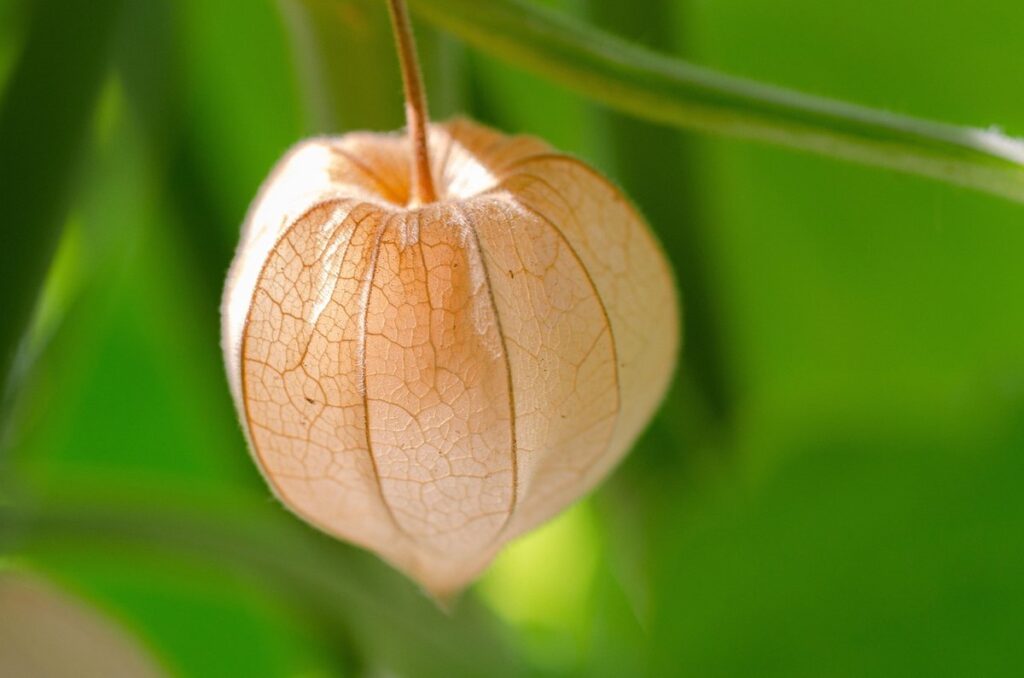
Understanding Physalis Peruviana
To grow physalis peruviana successfully, you need a solid understanding of its characteristics and needs, including ideal climate conditions. Let’s break down what makes this plant thrive.
Botanical Characteristics and Classification
Physalis peruviana, also known as the ground cherry, is a fascinating plant with unique characteristics that set it apart from other members of the nightshade family. Its botanical name reflects its classification within this family (Solanaceae). As a member of the Physalis genus, which comprises around 30 species, P. peruviana has several distinct features.
Native to South America, particularly in Chile and Peru, physalis peruviana thrives in subtropical climates with mild winters and warm summers. Its preferred habitat consists of well-drained soil and full sun to partial shade conditions, often found near coastal areas or mountainous regions.
If you’re planning to grow P. peruviana, understanding its botanical characteristics is crucial for providing the optimal growing conditions. Note that it’s a perennial plant but can be easily grown as an annual in cooler climates. This flexibility makes it an attractive option for gardeners worldwide.
History and Cultural Significance
Physalis peruviana has been cultivated for centuries in various parts of the world. In South America, it is native to Chile and Peru, where it was first domesticated by indigenous peoples. The Incas highly valued physalis for its medicinal properties, using it to treat fever, wounds, and digestive issues. They also prized it as a food source, eating the fruit fresh or drying it to make flour.
In other parts of South America, such as Argentina and Uruguay, physalis is often used in traditional medicine to reduce inflammation and alleviate symptoms of colds and flu. In Europe, particularly in Italy and Spain, physalis is grown for its ornamental value, with its bright orange berries adding a pop of color to gardens.
In addition to its practical uses, physalis has also become an important cultural symbol in many countries. In Peru, it’s known as “uva de pasion” or passion fruit, and is often depicted in art and literature. Similarly, in Chile, it’s celebrated during harvest festivals, where families gather to enjoy the fresh fruit and traditional dishes made from it.
When growing physalis for its cultural significance, be mindful of the plant’s needs and treat it with respect. Provide plenty of sunlight, water, and nutrients, and consider incorporating traditional farming practices into your cultivation methods. This will not only help you grow a healthy crop but also honor the rich history and cultural heritage surrounding this special fruit.
Preparing the Soil and Climate
Before you start planting, it’s crucial to prepare your soil and climate for Physalis peruviana, which thrives in specific conditions. This section will walk you through the essential steps for creating a suitable environment.
Optimal Growing Conditions
Physalis peruviana requires specific conditions to thrive. Temperature plays a crucial role in its growth, and it typically prefers temperatures between 15°C to 25°C (59°F to 77°F). While it can tolerate some frost, prolonged exposure to temperatures below 10°C (50°F) may damage the plant.
Sunlight is another essential factor for physalis peruviana. It requires full sun to partial shade, with a minimum of six hours of direct sunlight per day. However, be cautious not to expose it to scorching heat during peak summer months, as this can lead to leaf scorch and reduced fruit production.
Soil pH is also critical for optimal growth. Physalis peruviana prefers well-draining soil with a slightly acidic to neutral pH (5.5-7.0). Avoid alkaline soils, which may lead to nutrient deficiencies and poor plant performance. To achieve the ideal conditions, mix compost or organic matter into the soil before planting, and maintain a consistent moisture level to promote healthy growth.
Physalis peruviana is adaptable but still requires careful management of its environment to ensure optimal growing conditions. By providing the right temperature, sunlight, and soil pH, you’ll be well on your way to cultivating this unique fruit.
Soil Preparation Techniques
When preparing the soil for growing physalis peruviana, it’s essential to create an environment that supports optimal growth. To do this, you’ll need to test the pH levels of your soil. Physalis peruviana prefers a slightly acidic to neutral soil pH, ranging from 6.0 to 7.0. You can use a DIY soil testing kit or send a sample to a laboratory for analysis.
Once you’ve determined your soil’s pH level, it’s time to make any necessary amendments. Add organic matter like compost or well-rotted manure to improve soil structure and fertility. If your soil is alkaline, add elemental sulfur or aluminum sulfate to lower the pH. Conversely, if your soil is too acidic, add lime to raise the pH.
Aim for a mix of 70% sand, 20% silt, and 10% clay for ideal drainage and aeration. Avoid compacting the soil, as this can lead to poor root growth and reduced yields. Instead, gently rake the surface to create a smooth, even texture. By following these steps, you’ll be well on your way to creating an optimal growing environment for your physalis peruviana plants.
Sowing Seeds and Transplanting
When it comes to growing Physalis peruviana, knowing when and how to sow seeds and transplant seedlings is crucial for a successful harvest. This section will walk you through those essential steps.
Seed Germination and Sowing Methods
When sowing Physalis peruviana seeds, it’s essential to understand the process of seed germination and choose the right method for optimal results. You can start by sowing seeds indoors 8-10 weeks before the last frost date in your area, or directly in the ground when the weather permits.
To promote healthy seed germination, make sure the soil is consistently moist but not waterlogged. Physalis peruviana seeds require a warm temperature of around 70°F to 75°F (21°C to 24°C) to germinate within 1-2 weeks. Sow the seeds about ¼ inch deep and 1-2 inches apart in seed starting trays or small pots filled with a well-draining seed mix.
Alternatively, you can sow seeds directly in the ground when the soil has warmed up to at least 60°F (15°C). Space them about 12-18 inches apart and water regularly. Keep in mind that direct sowing may result in lower germination rates compared to indoor sowing.
It’s also worth noting that some growers have reported success with using a propagation mat or heating pad to create a warm microclimate for seed germination, which can help improve the overall germination rate.
Transplanting Techniques and Timing
Transplanting Physalis seedlings to larger containers or directly into the garden requires careful attention to timing and technique. Generally, seedlings are ready for transplanting when they have 2-3 sets of leaves and a robust root system.
When transplanting seedlings, it’s essential to handle them gently to prevent damage to their delicate roots. Water the soil thoroughly before carefully lifting the seedling out of its container. Place the seedling in a larger pot or directly into the garden at the same depth as before, making sure not to compact the surrounding soil.
Transplanting directly into the garden can be done when the weather is cooler and there’s ample moisture in the soil. Aim for early spring or late summer/early fall for optimal results. Before transplanting, prepare the soil by loosening it with a fork and adding compost or well-rotted manure to improve its fertility.
If transplanting into containers, use a well-draining mix specifically designed for Physalis and make sure the pot has sufficient drainage holes to prevent waterlogged soil. Provide full sun and maintain consistent moisture levels during this critical period of growth.
Watering and Irrigation Strategies
Now that you’ve got your physalis peruviana seedlings off to a great start, it’s time to learn how to properly water and irrigate them for optimal growth. We’ll cover the best techniques for ensuring your plants receive just the right amount of moisture.
Water Requirements and Sensitivity
Physalis peruviana requires careful management of its water needs to ensure optimal growth and fruit production. This delicate plant is sensitive to both drought and overwatering conditions. When the soil is consistently moist, physalis peruviana can develop root rot and other diseases. Waterlogged roots lead to poor air circulation, making it more susceptible to fungal infections.
To avoid overwatering, monitor your plants’ response to watering schedules closely. Check for droopy leaves or yellowing tips, which indicate that the soil may be too wet. Stick to a balanced schedule: water physalis peruviana thoroughly once or twice a week during hot summer months and allow the top 1-2 inches of soil to dry out between waterings.
A general rule of thumb is to provide around 20-25 liters of water per square meter each week, depending on weather conditions. Avoid frequent shallow watering, as this can lead to weak roots and poor nutrient uptake. By keeping the soil consistently moist but not waterlogged, you’ll create an ideal environment for physalis peruviana to thrive and produce delicious fruit.
Efficient Irrigation Methods
Physalis peruviana requires consistent moisture, especially during its fruiting stage. However, overwatering can lead to root rot and other issues. To strike a balance, consider adopting efficient irrigation methods that conserve water while meeting the plant’s needs.
Drip irrigation is an effective technique for this purpose. It delivers water directly to the roots through a network of tubes and emitters, minimizing evaporation and runoff. This method not only saves water but also reduces the risk of fungal diseases that thrive in moist environments.
Another option is sprinkler irrigation, which can be more suitable for larger areas or when using rainwater harvesting systems. However, it may waste more water due to evaporation and overspray.
Incorporating mulch around the plants can also help retain soil moisture and reduce watering frequency. This not only conserves water but also suppresses weeds that compete with Physalis peruviana for resources.
To implement these methods effectively, monitor your plants’ response to different irrigation schedules and adjust accordingly. This will ensure you’re meeting their specific needs without overwatering or wasting resources.
Pest and Disease Management
Physalis Peruviana is susceptible to several pests and diseases that can affect its growth, so it’s essential to take preventative measures from an early stage of cultivation. Let’s explore some common issues and their solutions together.
Common Pests Affecting Physalis Peruviana
Physalis peruviana is susceptible to various pests that can compromise its growth and yield. Two of the most common pests affecting this plant are aphids and whiteflies.
Aphids are small, soft-bodied insects that feed on the plant’s sap, causing curled or distorted leaves. They can also transmit plant viruses, further weakening the plant. To prevent infestations, use neem oil or insecticidal soap to control aphid populations. Regularly inspect your plants for any signs of aphid activity and remove infested areas.
Whiteflies are another common pest that feeds on the plant’s sap, causing yellowing leaves and stunted growth. They can also transmit diseases such as tomato spotted wilt virus. To prevent whitefly infestations, use yellow sticky traps or introduce beneficial insects like ladybugs or lacewings to your garden.
In addition to aphids and whiteflies, other pests that may affect Physalis peruviana include spider mites, mealybugs, and scale insects. Regular monitoring of your plants and prompt action to control any infestations can help prevent significant damage to your crop.
Fungal Diseases and Their Control
Physalis peruviana is susceptible to various fungal diseases that can significantly impact its growth and productivity. One of the most common fungal diseases affecting physalis is powdery mildew (Podosphaera fusca). This disease appears as a white, powdery coating on the leaves and stems, causing them to become distorted and weakened.
To control powdery mildew, ensure good air circulation around your plants by pruning nearby vegetation. Regularly inspect your physalis for any signs of fungal infection and remove infected areas immediately to prevent the spread. Implement integrated pest management (IPM) strategies, including crop rotation, sanitation, and biological controls such as introducing beneficial insects like ladybugs that prey on fungal spores.
Fusarium wilt is another significant fungal disease affecting physalis peruviana. It’s characterized by yellowing leaves, stunted growth, and a systemic infection that can be fatal to the plant. To manage fusarium wilt, maintain optimal soil moisture levels, avoid overwatering, and ensure good drainage to prevent waterlogged conditions.
Practicing good sanitation, such as removing weeds, debris, and infected plants, is crucial in preventing the spread of fungal diseases.
Harvesting and Post-Harvest Handling
Now that your physalis peruviana plants are thriving, it’s time to learn how to carefully harvest them, as well as properly handle and store the fruit to preserve its flavor and quality.
Physiological Maturity and Timing for Harvest
Determining the optimal harvest time for Physalis peruviana is crucial to ensure the best flavor and quality. To determine if your physalis is ripe, look for a slight softening of the skin around the stem, but still firm enough to hold its shape. The calyx, or papery husk, should be dry and brown, indicating maturity.
Check the color as well – ripe physalis will turn from green to yellow, orange, or red, depending on the variety. Avoid squeezing the fruit, as excessive pressure can damage the delicate skin. Instead, gently twist the stem to check for looseness, which indicates readiness for harvest.
Timing is also critical, as over-maturity can lead to loss of flavor and texture. Physalis peruviana typically ripens between 150-180 days after sowing, depending on weather conditions and specific variety. Keep a close eye on your crop, checking regularly for signs of ripeness to ensure you catch them at the optimal stage.
It’s worth noting that physalis can be harvested in stages, with some varieties producing fruit continuously over several weeks or months. Regular monitoring will help you time your harvests to maximize yields and quality.
Proper Handling and Storage Techniques
Handling physalis peruviana with care is crucial to maintaining their quality and extending shelf life. Harvested fruit should be gently picked to avoid bruising the skin, which can lead to spoilage. It’s essential to handle them carefully throughout the process.
For storage, keep the harvested physalis in a cool, dry place away from direct sunlight. A temperature range of 4-7°C (39-45°F) is ideal for short-term storage. You can store them in paper bags or breathable containers to maintain humidity and prevent moisture buildup.
To extend shelf life, it’s recommended to keep the physalis in a controlled atmosphere with high relative humidity (80-90%) and moderate temperature (10-15°C/50-59°F). This slows down respiration and spoilage. Regular monitoring of storage conditions is vital to prevent damage. Physalis can be stored for up to two weeks under optimal conditions.
When storing, it’s essential to separate the fruit from any leaves or debris, as these can harbor moisture and contribute to spoilage. By following proper handling and storage techniques, you can enjoy your homegrown physalis throughout the year.
Frequently Asked Questions
How Do I Know If My Physalis Peruviana Is Ready for Harvest?
Check the fruit regularly after it has reached its full size and color. Gently twist the leaves, if they come off easily, it’s a sign that the fruit is ripe and ready to be picked.
What Should I Do If I Notice Pests on My Physalis Peruviana Plants?
Inspect your plants regularly for signs of pests like aphids, whiteflies, or spider mites. Use neem oil or insecticidal soap to control infestations, and maintain good hygiene by removing weeds and debris from around the plants.
Can I Grow Physalis Peruviana in Containers or Does It Require a Large Garden Space?
Physalis peruviana can thrive in containers as long as they have good drainage and are at least 6-8 inches deep. Use a well-draining potting mix, and ensure the container receives sufficient sunlight and water.
How Do I Store Physalis Peruviana After Harvest to Keep Them Fresh for Longer?
Store harvested physalis peruviana in a cool, dry place with good air circulation. Remove any leaves that may be touching the fruit, as they can cause moisture to accumulate and lead to spoilage.
What’s the Best Time to Transplant Physalis Peruviana Seedlings Outside, Considering Weather Conditions?
Wait until the last frost has passed and the soil has warmed up before transplanting seedlings outside. This is usually around late spring or early summer in most regions. Harden off your seedlings by gradually exposing them to outdoor conditions before transplanting.