
Growing your own grapes can be a thrilling experience, but it requires careful attention to detail. Whether you’re a seasoned winemaker or just starting out with grape growing, knowing the right techniques and conditions is crucial for a bountiful harvest. In this article, we’ll delve into the world of grape growing, covering everything from choosing the perfect climate and soil type to mastering pruning, irrigation, and pest management. With so many factors at play, it’s easy to get overwhelmed – but don’t worry, we’ve got you covered. Our comprehensive guide will walk you through the ins and outs of grape cultivation, helping you optimize your crop and produce high-quality grapes for wine, juice, or fresh consumption. Let’s explore the art and science of grape growing together!
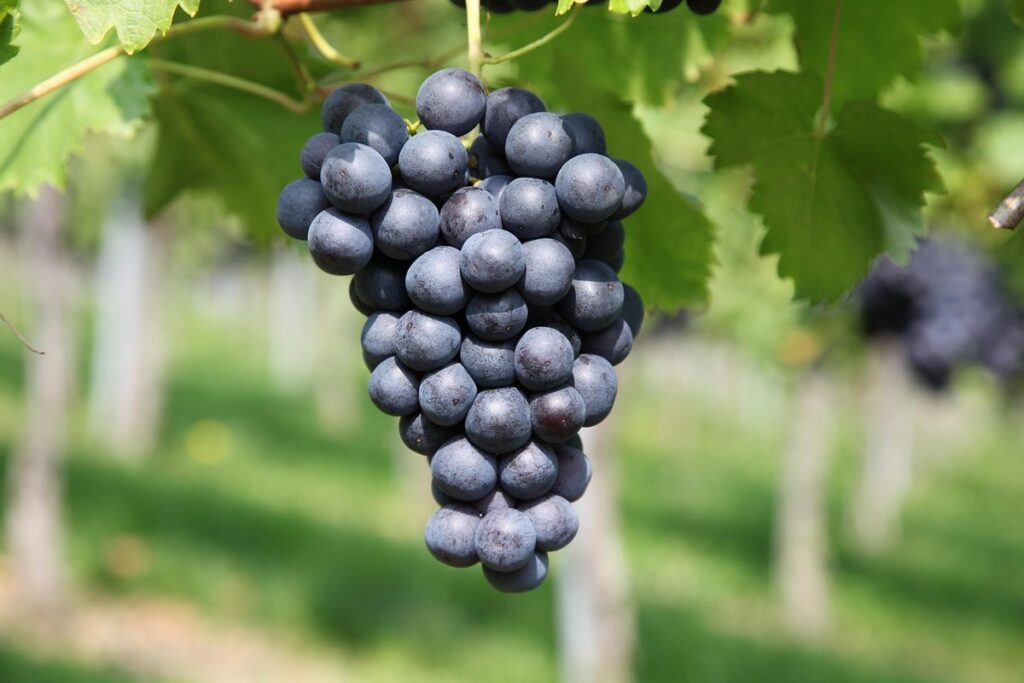
Understanding Grape Varieties
Let’s start by exploring the incredible diversity of grape varieties, each with its unique characteristics and requirements that can make all the difference in your vineyard.
Choosing the Right Variety for Your Climate
When it comes to growing grapes, selecting the right variety is crucial for a successful harvest. The climate and conditions of your region play a significant role in determining which grape varieties will thrive. For instance, Chardonnay excels in cooler climates with moderate temperatures, while Merlot performs well in warmer regions with well-drained soil.
Cabernet Sauvignon, on the other hand, is adaptable to various climates but requires a long growing season and well-ventilated areas to prevent disease. Other factors such as soil type, sunlight exposure, and water availability also impact grape variety selection.
To ensure you choose the right variety for your region’s climate, consider consulting with local experts or winegrowers who have experience with the specific conditions in your area. They can recommend varieties that are well-suited to your region’s unique characteristics. By selecting the right variety, you’ll be one step closer to growing healthy, thriving grapes and producing high-quality wines.
Considerations for Warm-Weather Grapes
When growing grapes in warm-weather regions, it’s essential to consider their specific needs. These varieties are bred to thrive in high temperatures and drought-prone conditions, but they still require careful attention to ensure optimal growth.
Heat tolerance is a crucial factor for warm-weather grapes. Some popular varieties, such as Syrah/Shiraz, Tempranillo, and Grenache, have natural resistance to heat stress. However, even heat-tolerant grapes can suffer if temperatures exceed 100°F (38°C) for extended periods. To mitigate this risk, provide your vines with adequate water supply, especially during the hottest summer months.
Drought resistance is also vital in warm-weather grape growing. Mulching around the base of the plants helps retain moisture and regulate soil temperature. Additionally, some grape varieties are naturally more drought-resistant than others, such as Petite Sirah and Carignan. Monitor your vines’ water requirements closely to avoid overwatering, which can lead to disease susceptibility.
Regions like California’s Napa Valley and Australia’s McLaren Vale have successfully cultivated warm-weather grapes for decades. These regions offer valuable insights into the specific needs of these varieties and how to adapt them to local conditions.
Cool-Climate Grape Varieties
When it comes to growing grapes in cooler climates, choosing the right variety is crucial. Cool-climate grape varieties have distinct characteristics that make them well-suited for areas with shorter growing seasons and cooler temperatures.
Some popular cool-climate grape varieties include Pinot Noir, Chardonnay, Riesling, and Gewürztraminer. These varieties are known for their cold hardiness, meaning they can withstand frost and freezing temperatures without sustaining significant damage. However, this doesn’t mean they’re immune to disease – in fact, many cool-climate grape varieties are susceptible to diseases like powdery mildew and botrytis.
To adapt these varieties for cooler climates, it’s essential to provide them with proper care. This includes selecting a site with good air circulation to prevent moisture buildup, using cover crops to reduce soil temperature fluctuations, and implementing integrated pest management (IPM) strategies to minimize disease pressure. By choosing the right variety and providing optimal growing conditions, you can successfully grow cool-climate grape varieties in even the coolest climates.
Soil Preparation and Fertilization
To grow healthy, thriving grapes, it all starts with a solid foundation: preparing your soil for optimal nutrient uptake and using fertilizers to give your vines an extra boost.
Understanding Your Vineyard’s Soils
When it comes to growing grapes, understanding your vineyard’s soils is crucial for optimal grape growth and health. But what exactly does this entail? A vital step in soil preparation is testing and analyzing the soil composition to determine the best fertilization strategy.
Soil testing will reveal pH levels, nutrient deficiencies, and soil structure – all of which impact grape growth. For instance, if your vineyard’s soils are too acidic (pH below 6), it can lead to nutrient deficiencies, while alkaline soils (pH above 7) may require more frequent fertilization. Conversely, if the pH levels are balanced, but nutrient deficiencies exist, targeted fertilizers can be applied.
To get a comprehensive understanding of your vineyard’s soil health, conduct regular testing and analysis. This will enable you to identify specific nutrient deficiencies and pH imbalances. By addressing these issues through targeted fertilization strategies, you’ll create an optimal growing environment for your grapes. A typical analysis might reveal nutrient levels such as nitrogen, phosphorus, and potassium (NPK) – helping you pinpoint exactly which nutrients need attention.
Organic vs. Conventional Fertilizers
When it comes to fertilizing your grape vines, you’re likely to come across two main types: organic and conventional. While both have their benefits, they also have some significant differences that can impact the health of your soil, the quality of your grapes, and the environment.
Organic fertilizers, such as compost or manure, are made from natural ingredients and promote healthy soil biota. They release nutrients slowly, reducing the risk of over-fertilization and subsequent water pollution. Organic fertilizers also improve soil structure and fertility, leading to better grape quality and disease resistance. For example, a study by the University of California found that organic fertilizers increased wine yield and improved flavor profiles.
Conventional fertilizers, on the other hand, are often synthetic and provide a quick boost of nutrients. However, they can have negative environmental impacts, such as soil degradation and water pollution. They also tend to deplete soil fertility in the long run, requiring more frequent applications. According to the US Environmental Protection Agency (EPA), conventional fertilizers can contribute to nitrate contamination of groundwater.
If you’re looking for a more sustainable approach, consider using a combination of organic and conventional fertilizers. For instance, apply an organic fertilizer as a base layer, followed by a conventional fertilizer during peak growing seasons. This approach allows you to reap the benefits of both methods while minimizing their drawbacks.
Integrated Pest Management (IPM) Strategies
Integrated Pest Management (IPM) is a holistic approach to managing pests and diseases in your vineyard. It’s an essential aspect of sustainable grape growing that not only benefits the environment but also ensures a healthy crop yield. The key principles of IPM are crop rotation, biological control, and targeted pesticide use.
Crop rotation involves rotating your grape varieties annually or bi-annually to break disease cycles and prevent pest buildup. For example, if you’re growing Chardonnay one year, try planting Pinot Noir the next. This simple strategy can significantly reduce the need for pesticides and maintain soil health.
Biological control methods use beneficial insects, such as ladybugs or lacewings, to naturally control pests. These natural predators will feast on unwanted insects, reducing the risk of infestation. To implement biological control, introduce these beneficial insects into your vineyard through integrated pest management strategies.
Targeted pesticide use is another crucial aspect of IPM. Instead of spraying broad-spectrum pesticides that harm both pests and beneficial organisms, opt for targeted treatments that specifically target problem areas. This approach minimizes the environmental impact while maintaining effective pest control. Regular monitoring of your vineyard will help you identify areas that require treatment, ensuring a more precise application of pesticides.
Pruning Techniques for Healthy Vines
When it comes to pruning your grapevines, knowing the right techniques is crucial for promoting healthy growth and maximizing yields. Here, we’ll walk you through the essential methods to get started.
Basic Pruning Principles
When it comes to pruning vines, there are several fundamental principles that should be followed to ensure healthy growth and optimal yields. The first step is to remove any diseased or damaged wood, as this can spread disease and pests throughout the vineyard. Look for signs of infection such as black spots, powdery mildew, or cankers on branches. Cut back these affected areas to at least 10-15cm from a healthy section using sharp, sterile pruning tools.
As you prune, consider the overall shape of the canopy. Pruning is not just about removing diseased wood; it’s also an opportunity to promote air circulation and sunlight penetration. This can be achieved by thinning out the center of the vine to allow light to reach inner leaves. For example, on a Vitis vinifera grapevine, aim for 20-30% canopy density. Regular pruning will also help prevent over-vigour and reduce the risk of disease.
In addition to removing diseased wood and shaping the canopy, prune to maintain an open center structure, allowing sunlight to penetrate the leaves. This is crucial for photosynthesis and fruit production. Remember to always make clean cuts just above a bud eye (the small swelling on the branch from which new growth emerges) using sharp pruning tools to minimize damage.
Seasonal Pruning Tasks
Pruning is an essential aspect of grape growing, and it’s crucial to perform pruning tasks at different times of the year to maintain healthy vines. As a viticulturist, you need to stay on top of seasonal pruning tasks to ensure optimal yields and fruit quality.
In winter, during the dormant season, it’s essential to prune your grapevines thoroughly. This is known as dormant pruning, which involves cutting back canes to about 6-8 buds from the previous year’s growth. Pruning at this time helps promote healthy growth, increases air circulation, and reduces disease susceptibility. As you prune, focus on removing dead, diseased, or damaged wood, as well as weak and water sprouts.
In summer, green pruning is performed to maintain the shape of the vine and control its vigor. This involves selectively removing shoots and leaves to promote even fruiting and reduce fungal diseases that thrive in humid conditions. Prune during the growing season when the vines are actively producing new growth, taking care not to remove too much foliage, which can stress the plant.
Regular pruning throughout the year helps prevent over-vigorous growth, promotes fruitfulness, and enhances overall vine health. By performing these seasonal tasks, you’ll be able to monitor your vine’s development closely and make necessary adjustments to achieve optimal results in your grape growing endeavors.
Advanced Pruning Techniques for Specific Grape Varieties
When it comes to pruning grapevines, understanding the unique characteristics of specific varieties is crucial for optimal growth and production. Let’s take a closer look at advanced pruning techniques tailored to certain popular grape varieties.
For example, Chardonnay and Sauvignon Blanc benefit from the cordon system, where two to three main arms are pruned to produce a single tier of fruiting branches. This method promotes even ripening, reduces pest susceptibility, and enhances fruit quality.
On the other hand, Pinot Noir and Merlot often thrive with espalier systems, which involve training multiple stems along a trellis or arbor. This technique maximizes space efficiency, improves sunlight penetration, and encourages air circulation around the fruiting zone.
To implement these specialized pruning techniques effectively, remember to:
* Prune in late winter or early spring, when vines are dormant
* Remove 50% of last year’s wood to maintain a balanced canopy structure
* Select the strongest two to three shoots per arm for retention and removal of weaker growth
Irrigation Strategies and Water Management
Effective irrigation is crucial for optimal grape growth, so let’s dive into practical strategies for managing water usage and optimizing your vineyard’s watering schedule.
Understanding Your Vineyard’s Hydrology
Understanding the intricate relationships between rainfall, soil moisture, and evapotranspiration is crucial to optimizing water use efficiency in your vineyard. You must regularly monitor these factors to ensure you’re providing your grapevines with the right amount of water for optimal growth.
To do this effectively, start by tracking local rainfall patterns throughout the year. Many nurseries and wineries offer free or low-cost apps that can help you access historical data for your region. Take note of when rainfall is heaviest during the growing season, as well as any dry spells. Next, invest in a soil moisture probe to track soil water levels regularly.
Evapotranspiration (ET) is another critical factor to consider. ET measures how much water plants lose through both evaporation from the soil and transpiration through their leaves. Calculate your vineyard’s daily ET using online tools or consult with a local extension office for more information on how to calculate it accurately. For example, grape varieties like Chardonnay and Sauvignon Blanc tend to have higher water requirements due to their high transpiration rates. In contrast, drought-tolerant varieties like Grenache often require less watering.
Water requirements vary significantly depending on the specific grape variety you’re growing. Consider factors such as climate, soil type, vine age, and root depth when determining how much water your vines need. This will help prevent over- or under-watering, both of which can have devastating effects on yields and quality.
In a typical scenario, for every 1 inch of rainfall, 0.5 to 1 inches of applied irrigation is usually sufficient for most grape varieties during the growing season. However, it’s essential to consider factors like mulching, pruning, and other management practices that influence soil water retention in your vineyard.
Drip Irrigation Systems
Drip irrigation systems are an efficient way to deliver water directly to grapevines’ roots, minimizing evaporation and runoff. This results in significant water savings and reduced waste, which is especially crucial during droughts. For instance, a study conducted by the University of California found that drip irrigation can reduce water consumption by up to 50% compared to traditional sprinkler systems.
To install a drip irrigation system, start by mapping out your vineyard’s layout and identifying the optimal spacing for emitters (small holes where water is released). Then, lay down the main tubing, which should be buried about 6-8 inches underground to prevent damage from sunlight and pests. Next, connect the emitters to the tubing using barbed fittings or inserts. Finally, adjust the irrigation schedule according to weather conditions and plant growth.
By implementing a drip irrigation system, grape growers can promote healthy root growth by delivering water exactly where it’s needed. This encourages the development of a robust root system, which is essential for absorbing nutrients and water from the soil.
Water Conservation Strategies
Water conservation is crucial in grape growing, as it directly affects crop yields and vine health. As a viticulturist, you can implement various strategies to conserve water without compromising the quality of your grapes.
One effective method is rainwater harvesting. Install a system that collects and stores rainwater from your vineyard’s roofs, driveways, or other surfaces. This stored water can be used for irrigation during dry spells or as a supplement to groundwater sources. A study by the US Environmental Protection Agency (EPA) found that installing a rainwater harvesting system can save up to 50% of water usage in agricultural settings.
Greywater reuse is another valuable technique. Greywater comes from household sinks, showers, and washing machines, and it’s rich in nutrients beneficial for plants. Set up a separate piping system to distribute greywater to your vineyard, taking care to treat the water with a greywater filter or treatment system before use. This approach not only reduces wastewater discharge but also cuts back on water consumption.
Pest and Disease Management
Effective pest and disease management is crucial for healthy grapevines, so let’s dive into the best practices for identifying, preventing, and treating common issues.
Common Grapevine Pests and Diseases
As a grape grower, it’s essential to be aware of the common pests and diseases that can affect your vineyard. These issues can lead to reduced yields, poor quality grapes, and even total crop loss if left unchecked.
Powdery mildew is one of the most widespread fungal diseases affecting grapevines worldwide. It causes a white powdery growth on the leaves and shoots, leading to stunted growth and reduced fruit production. Downy mildew, on the other hand, appears as yellowing or bronzing leaves with a soft grayish-brown fungus on the underside.
Grape phylloxera is an insect pest that can be devastating to grapevines. It attacks the roots of the plant, causing damage and stunting growth. These pests and diseases can have significant economic impacts on your vineyard, making it crucial to implement effective management strategies.
To prevent powdery mildew and downy mildew, practice good sanitation and hygiene in your vineyard, such as removing weeds and debris, pruning infected areas, and using fungicides when necessary. Regular monitoring for grape phylloxera can help you catch infestations early on, reducing the risk of long-term damage to your vines.
It’s also essential to use integrated pest management (IPM) strategies that combine physical, cultural, biological, and chemical controls. This approach will allow you to tackle pests and diseases in a holistic way, minimizing harm to beneficial insects and the environment while protecting your grapevines.
Integrated Pest Management (IPM) Strategies
Implementing Integrated Pest Management (IPM) strategies is crucial for maintaining a healthy and balanced vineyard ecosystem. IPM combines physical barriers, biological controls, and targeted pesticide use to minimize the risk of pests and diseases while preserving beneficial organisms.
Physical barriers can be an effective way to prevent pest infestations. For example, using fine mesh netting or row covers can keep birds away from ripening grapes. Biological controls involve introducing natural predators or parasites that feed on the target pest. Introducing ladybugs to control aphid populations is a common practice in many vineyards.
Targeted pesticide use should be reserved for extreme cases only. When pesticides are necessary, choose products with low toxicity and minimal environmental impact. Always follow label instructions carefully, taking note of pre-harvest intervals and application rates.
To implement IPM effectively, it’s essential to monitor your vineyard regularly, tracking pest populations and making adjustments as needed. Consider working with a certified IPM specialist who can provide customized recommendations for your specific climate and soil conditions. By adopting an integrated approach to pest management, you can reduce the risk of chemical contamination while maintaining optimal grape yields.
Organic Control Methods for Pests and Diseases
When it comes to managing pests and diseases in your vineyard, turning to organic control methods can be an attractive option. This approach not only benefits the environment but also contributes to producing high-quality grapes. By using natural control methods, you can avoid exposing your vines to harsh chemicals that may have unintended consequences.
One effective way to manage pests is by introducing beneficial insects into your vineyard. For example, lacewings are natural predators of aphids and whiteflies, while ladybugs feed on scale insects and mealybugs. Encourage these beneficial insects by planting a diverse range of flowers that attract pollinators and other beneficials.
Another organic control method involves using plant extracts to manage diseases. Neem oil, derived from the seeds of the neem tree, has been shown to effectively control fungal infections such as powdery mildew. Additionally, sulfur-based products can help prevent bacterial blights like Pierce’s disease. However, it’s essential to remember that these natural products may have limitations in their effectiveness compared to synthetic chemicals.
To get started with organic pest and disease management, begin by monitoring your vineyard regularly for signs of pests or diseases. This proactive approach will allow you to take action before the issue escalates. Consider consulting with a viticulturist or agronomist who specializes in integrated pest management (IPM) techniques to ensure you’re using the most effective organic control methods for your specific region and climate.
Harvesting and Post-Harvest Handling
Proper harvesting and post-harvest handling are crucial steps in ensuring a successful grape crop. In this critical stage, you’ll learn how to carefully collect your grapes and maintain their quality.
Timing the Perfect Harvest
Timing optimal harvest timing is crucial to ensure that your grapes reach their full flavor potential and are ripe for wine production. To determine the perfect harvest time, you’ll need to consider several factors, including sugar levels, acidity, and flavor profile.
Start by monitoring the grape’s Brix level, which measures the sugar content. Aim for a minimum of 20-25°Bx (degrees Brix) for white grapes and 22-25°Bx for red grapes. You can also check the pH level, aiming for a balance between acidity and alkalinity. A higher pH indicates lower acidity, while a lower pH suggests higher acidity.
As harvest approaches, taste the grapes regularly to assess their flavor profile. Look for hints of complexity, like notes of fruit, spice, or earthy undertones. If the flavors are too green or unripe, it’s best to wait another week or two.
Check your grape samples daily during peak harvest season (usually September and October in the Northern Hemisphere). When you’re satisfied with the combination of sugar levels, acidity, and flavor profile, that’s when it’s time to pick those grapes.
Hand-Picking vs. Machine Harvesting
When it comes to harvesting grapes, two popular methods are hand-picking and machine harvesting. While machine harvesting is faster and more efficient, hand-picking offers unique advantages that can’t be replicated by machines. The choice between the two ultimately depends on the grape variety, vineyard conditions, and personal preference.
Hand-picking is ideal for delicate varieties like Pinot Noir and Chardonnay, which require gentle handling to avoid bruising or damaging the grapes. Skilled laborers can carefully select the ripest fruit, ensuring that only the best grapes are picked. Hand-picking also allows for better control over quality and yields, as workers can inspect each bunch before picking. However, hand-picking is generally more time-consuming and labor-intensive, which can increase costs.
Machine harvesting, on the other hand, is suitable for robust varieties like Syrah and Merlot. Machines can efficiently cover large areas and process high volumes of grapes quickly. They’re particularly useful in regions with challenging terrain or remote vineyards where manual harvesting would be impractical. However, machines can sometimes damage grape clusters, leading to reduced quality and yields. To strike a balance between efficiency and quality, consider using machines for the bulk of harvesting and reserving hand-picking for select areas or varieties that require extra care.
In reality, many winemakers opt for a combination of both methods – machine harvesting for the majority of grapes and hand-picking for the finest or most delicate fruit. This approach allows them to reap the benefits of efficiency while maintaining quality control.
Post-Harvest Handling Practices
Proper post-harvest handling is crucial to maintain the quality and freshness of grapes. Cooling harvested grapes as soon as possible helps to slow down the ripening process, preserving their flavor and aroma. The ideal temperature for cooling grapes depends on the type of grape variety; however, a general rule of thumb is to cool them to around 32°F (0°C) within 24 hours of harvesting.
Storage conditions play a significant role in preserving the quality of grapes. Store them in a controlled environment with optimal humidity levels between 80-90%. Avoid storing grapes near strong-smelling foods or chemicals, as they can absorb odors easily. Regular monitoring is necessary to ensure that the storage conditions remain within acceptable limits.
Transportation should also be carried out with care. Use refrigerated containers for transporting grapes over long distances to prevent spoilage and maintain their quality. Ensure that the containers are well-ventilated to prevent moisture buildup, which can lead to mold growth and reduce the shelf life of grapes.
Conclusion: Putting It All Together
Now that you’ve learned the essential grape growing tips, it’s time to put them into action. Remember, growing grapes is not just about planting and harvesting; it’s also about creating a healthy environment for your vines to thrive. Make sure to mulch around your plants to retain moisture and suppress weeds, and provide regular pruning to promote air circulation and prevent disease. By following these simple steps, you’ll be well on your way to growing delicious grapes in no time.
Consider starting small with just a few plants and gradually expanding your vineyard as you gain experience. Don’t be afraid to experiment with different varieties and techniques – it’s all part of the learning process! With patience, dedication, and the right guidance, you can enjoy a bountiful harvest year after year.
Frequently Asked Questions
What’s the ideal time to prune my grapevines for optimal growth?
Pruning should be done during the dormant season, typically between December and February, depending on your region’s climate. This allows the vine to focus its energy on producing new shoots and promoting healthy growth.
Can I grow multiple types of grapes in the same vineyard?
Yes, it’s possible to grow different grape varieties in the same vineyard, but you’ll need to consider factors like compatibility, space allocation, and potential disease transmission. Some varieties are naturally more resistant or prone to certain issues, so ensure you research their specific needs.
How often should I inspect my vines for pests and diseases?
Regular inspections are crucial for detecting early signs of infestation or infection. Aim to check your vines every 7-10 days during peak growth periods (spring-fall) and at least once a month during the dormant season.
Can I use integrated pest management (IPM) strategies without using chemicals?
Yes, IPM involves using a combination of techniques like physical barriers, cultural controls, and biological methods to manage pests. This approach can be very effective in reducing chemical reliance and promoting sustainable grape growing practices.
What’s the minimum temperature for grape growth, and how can I protect my vines from frost damage?
Grapevines typically require temperatures above 32°F (0°C) for optimal growth. To protect your vines from frost damage, use techniques like wind machines or sprinkler irrigation systems to keep the air circulating and the soil moist.