
Growing peas on a trellis is a great way to add some variety to your garden, but let’s be honest, it can be a bit tricky. With so many options for varieties and trellising systems, it’s easy to get overwhelmed. But don’t worry, with the right guidance, you’ll be enjoying a bountiful harvest of fresh peas in no time. In this article, we’ll walk you through everything you need to know about growing peas on a trellis, from selecting the perfect variety for your climate and space constraints, to preparing the soil and managing common pests that can damage your crop. Whether you’re a seasoned gardener or just starting out, our comprehensive guide will give you the confidence to try this rewarding and space-saving technique for yourself.
Choosing the Right Variety
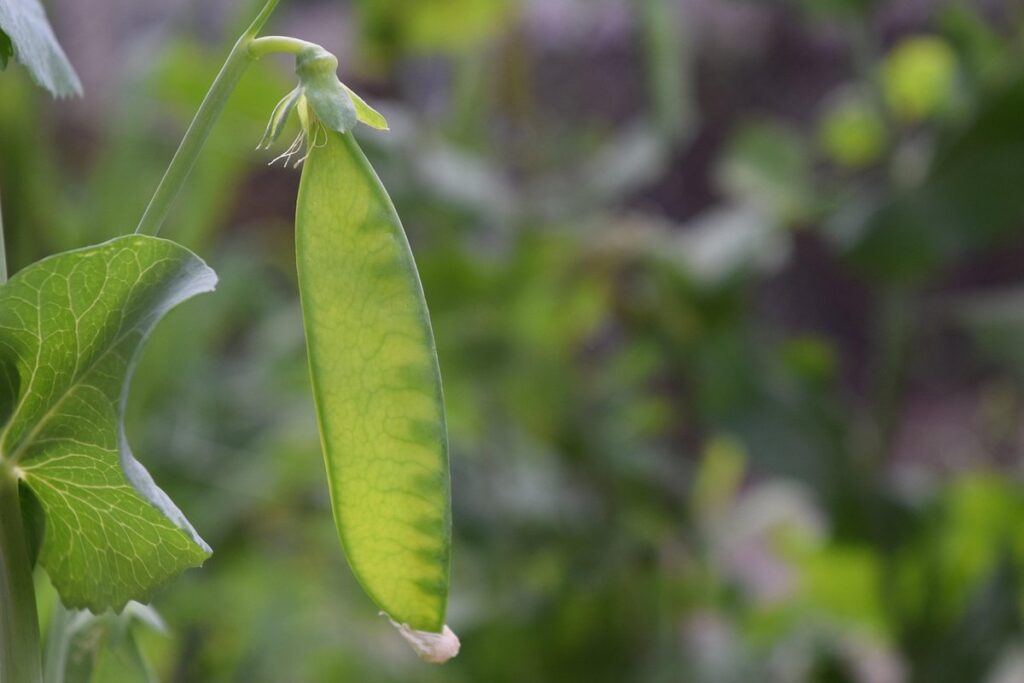
When it comes to growing peas on a trellis, selecting the right variety is crucial for a bountiful harvest. Let’s explore some of the top pea varieties that thrive in this setup.
Selecting Sugar Snap and Snow Pea Varieties
When selecting sugar snap and snow pea varieties for trellising, it’s essential to consider their unique characteristics. Sugar snap peas are a popular choice for trellising due to their compact growth habit and high yield potential. They have a sweet and crunchy texture when picked young, making them perfect for snacking or adding to salads.
Some popular sugar snap pea varieties suitable for trellising include ‘Sugar Ann’, ‘Oregon Sugar Pod’, and ‘Green Arrow’. These varieties typically mature in 50-60 days and produce long, flat pods with tender peas.
Snow peas, on the other hand, are bred specifically for their flat, wide pods that are harvested before the peas inside reach full maturity. They are ideal for stir-fries and Asian-style dishes where the pods add texture and flavor to the dish. Varieties like ‘Matsuri’ and ‘Wando’ are well-suited for trellising and mature in 60-70 days.
When choosing between sugar snap and snow pea varieties, consider your desired harvest time and the use you plan to make of the peas.
Considering Climbing Pea Varieties
When considering climbing pea varieties for your trellis, it’s essential to think about their key features. Climbing peas are typically taller than bush peas, with some varieties growing up to 6 feet (1.8 meters) or more. This height is perfect for training them along a trellis, where they can use the support to grow upwards and outwards.
Look for pea varieties that have high pod production, such as ‘Hulless’, ‘Sugar Snap’, or ‘Mammoth Melting Sugar’. These varieties will give you a bountiful harvest of delicious peas. Additionally, consider disease resistance when selecting a variety. ‘Wando’ and ‘Little Marvel’ are examples of climbing pea varieties that have good disease resistance.
Some other factors to consider include the growth habit, such as whether the variety is more vining or climbing in nature. This will help you choose a variety that will thrive on your trellis. By choosing the right variety for your specific climate and growing conditions, you’ll be well on your way to a successful pea harvest.
Preparing the Soil and Trellis
Before planting, it’s essential to prepare your soil for optimal pea growth. This includes loosening the soil and creating a stable base for your trellis to support the vines.
Understanding Soil Requirements
When it comes to growing peas on a trellis, understanding the optimal soil conditions is crucial for a bountiful harvest. Peas prefer well-draining soil with a pH between 6.0 and 7.0. If your soil’s pH is too high or too low, it can lead to nutrient deficiencies and poor growth.
In terms of nutrients, peas are legumes and have the unique ability to fix nitrogen in the soil through symbiotic relationships with rhizobia bacteria. However, they still require adequate levels of phosphorus, potassium, and magnesium for optimal growth. To ensure your pea plants receive these essential nutrients, add a balanced fertilizer at planting time.
Drainage is also vital for healthy root development. Peas don’t like wet feet, so make sure the soil drains excess water quickly to prevent root rot. Aim for a mix of 2/3 compost and 1/3 well-rotted manure or aged peat to create a fertile and well-draining growing environment.
By understanding these basic requirements, you’ll be able to provide your pea plants with the perfect conditions to thrive on their trellis.
Setting Up a Trellis System
When it comes to setting up a trellis system for growing peas, there are several options to consider. You can choose from a variety of types of trellises, including traditional wooden trellises, metal cages, or even DIY options like using a string or twine between two stakes. For a small garden bed, a single trellis is usually sufficient, but for larger areas, multiple trellises may be necessary to accommodate the peas’ spreading habit.
When selecting a trellis, consider its height and durability. A minimum of 6 feet tall is recommended to allow the peas to climb without becoming entangled or toppling over. As for spacing, aim to place the trellis about 3-4 inches away from the adjacent plant to provide adequate room for growth and air circulation.
For anchoring, you can use stakes or wire to secure the trellis in place. Drive the stakes into the ground at an angle to prevent them from toppling over in strong winds. Alternatively, you can attach a wire mesh panel to a fence or a wall using screws or brackets for added stability.
Planting Peas on the Trellis
When planting peas on a trellis, it’s essential to choose a location that receives full sun and has well-draining soil. Let’s dive into the specifics of how to plant your peas correctly for maximum growth.
Sowing Seeds Correctly
Sowing pea seeds correctly is crucial for a healthy and productive crop. To ensure optimal growth, sow seeds 2-3 inches deep, depending on the variety. This allows for good root development without the risk of rot or other issues associated with shallow planting.
Space seeds about 1-2 inches apart within the row, taking care not to overcrowd the area. Overcrowding can lead to reduced yields and a higher risk of disease. If you’re sowing multiple rows, leave at least 3 feet between each row for easy access and air circulation.
Timing is also vital when it comes to sowing seeds. In general, pea seeds do best in well-draining soil with a temperature range of 60-70°F (15-21°C). For cooler climates, sow seeds as soon as the soil can be worked in spring. In warmer areas, plant peas in early fall or late winter for a spring harvest.
It’s worth noting that some varieties of peas are specifically bred to be sown closer together or at a specific depth. Always check the seed packet for specific instructions before planting.
Watering and Mulching
When it comes to growing peas on a trellis, maintaining consistent moisture levels is crucial for healthy plant growth. Peas need about 1-2 inches of water per week, either from rain or irrigation. To ensure this level of moisture, make sure to check the soil daily, especially during hot weather. You can also set up a drip irrigation system to deliver water directly to the roots.
Mulching is another key factor in retaining soil moisture and suppressing weeds that compete with your peas for resources. Use a 2-3 inch layer of organic mulch such as straw, grass clippings, or wood chips around the base of your trellis. This will help to retain water in the soil, regulate soil temperature, and prevent weed growth. As an added bonus, mulch can also help to suppress pests like aphids and slugs that might target your pea plants.
To apply mulch effectively, simply spread it evenly around the base of the trellis, making sure not to pile it against the plant stems. This will ensure good air circulation and prevent moisture from becoming trapped.
Supporting and Training the Plant
To ensure a healthy and productive pea trellis, you’ll need to learn how to support and train your peas as they grow. This involves providing a sturdy structure for them to climb on.
Using Twine or Clips for Support
As your pea plants grow and begin to vine, they’ll need some support to reach their full potential. This is where twine or clips come into play. You can use either of these options to provide a gentle grip on the trellis without damaging the delicate stems.
To use twine, start by wrapping it around the trellis at regular intervals – about 6-8 inches apart. Leave a small loop of twine and then pass the stem through it, securing it gently but firmly in place. To prevent the plant from slipping out of the knot, tie a second loop on the other side of the trellis, making sure to keep the tension even. This will give your pea plants the support they need without causing damage.
When using clips, attach them about 6-8 inches apart along the trellis, leaving a small space for the stem to pass through. Gently press the clip onto the stem, making sure it’s secure but not too tight. You can also use multiple clips on long stems to provide extra support. Remember to check your twine or clips regularly to ensure they’re not constricting the growth of your pea plants.
Encouraging Vertical Growth
When training peas to grow vertically, it’s essential to encourage their natural tendency towards climbing. This is achieved through pruning and regular training. Prune the plant by removing lower leaves to direct energy towards producing more vigorous vines. By doing this, you’ll be able to train the pea stems to grow upwards towards the trellis.
For optimal production, ensure that each stem has at least two sets of nodes (where the leaf meets the stem) exposed to light. This will encourage the plant to produce side shoots and maximize yields. Train the stems by gently twining them around the trellis, making sure not to damage the delicate roots. To promote a strong and sturdy structure, tie the main stem to the top of the trellis using soft ties.
Regular pruning and training also help control fungal diseases that thrive in damp environments. By keeping the lower parts of the plant dry, you can minimize the risk of infection and ensure your pea plants stay healthy throughout their growth cycle.
Managing Pests and Diseases
To ensure a healthy harvest, it’s essential to be aware of common pests and diseases that can affect your trellised peas. This section will provide guidance on prevention and treatment strategies.
Identifying Common Issues
As you’re enjoying the bounty of your trellised peas, it’s essential to stay vigilant for common pests and diseases that can quickly devastate your crop. Let’s face it – aphids are a pea grower’s worst nightmare! These tiny sap-suckers can multiply rapidly on young shoots and stems, stunting growth and weakening the plant’s defenses.
But aphids aren’t the only culprits to watch out for. Slugs, those slimy nocturnal pests, love to feast on tender peas at night, leaving behind a trail of damage in their wake. And then there’s powdery mildew – a fungal disease that can appear as a white, cottony coating on leaves and stems.
To prevent these issues, keep your trellis area clean, removing any debris or weeds that might attract pests. Use neem oil or insecticidal soap to control aphid populations, and hand-pick slugs at night with a flashlight. To manage powdery mildew, ensure good air circulation around your plants and treat them with a fungicide as soon as you notice symptoms.
Regular monitoring and prompt action can help prevent these common issues from taking hold. By staying on top of potential problems, you’ll be well on your way to enjoying a bountiful harvest of delicious trellised peas!
Organic Control Methods
When it comes to growing peas on a trellis, managing pests and diseases is crucial for a healthy and productive crop. Unfortunately, pea plants are susceptible to various issues that can harm their growth and yield.
To maintain an organic garden, it’s essential to use natural methods for controlling pests and diseases. One effective approach is using neem oil, which is derived from the seeds of the neem tree. This oil contains compounds that disrupt pest hormone systems, preventing them from reproducing or feeding. Mix neem oil with water according to the product instructions and spray it on your pea plants as a preventative measure.
Another natural remedy for managing pests is garlic spray. Garlic has natural insecticidal properties that repel aphids, spider mites, and other unwanted visitors. To create this spray, blend minced garlic with water and let it sit for 24 hours to allow the active compounds to mature. Strain the mixture before spraying it on your pea plants.
Crop rotation is another vital aspect of organic control methods. By rotating your crops annually or seasonally, you can break disease cycles and reduce pest populations. For example, if you grew peas in a particular spot last season, consider planting something like tomatoes or cucumbers this season to give the soil time to recover.
In addition to these methods, keep an eye out for signs of common pea diseases such as powdery mildew and downy mildew. Remove any infected plants immediately to prevent the disease from spreading to your healthy peas. By incorporating organic control methods into your gardening routine, you’ll be well on your way to growing a thriving crop of peas on your trellis.
Harvesting Your Peas
Now that your pea plants are thriving on their trellis, it’s time to enjoy the fruits of your labor: harvesting your delicious, homegrown peas. Learn how to check for ripeness and safely pick them without damaging the plant.
Determining Maturity
When to Harvest Your Peas: Checking for Sweetness and Tenderness
Determining when your peas are ready to harvest is crucial to enjoying their tender sweetness. A general rule of thumb is to check on them daily, as the pods will quickly go from perfectly tender to overripe. The best way to check for readiness is by gently squeezing a pod; if it yields to pressure but still feels slightly firm, it’s likely ready to be picked.
Another indicator of ripeness is checking the sweetness level. Take a small section of a pea pod and carefully slice it open; the sweetness should be evident in the aroma. If the peas are ripe, they should smell sweetly of fresh green beans. Tenderness can also be checked by slicing into the pod; if the peas inside are tender but still hold their shape, they’re ready to harvest.
In general, sugar snap and snow peas tend to mature faster than shelling peas, usually within 50-60 days of planting. Shelling peas take a bit longer, typically around 65-70 days. Keep in mind that these times can vary depending on weather conditions and specific pea varieties.
Hand-picking Techniques
When it’s time to harvest your peas, you’ll want to use hand-picking techniques that are gentle on both the plant and the pods. One of the biggest mistakes gardeners make is pulling on the stems when picking peas, which can damage the trellis or even snap the delicate vines.
Instead, try gently grasping each pod between your thumb and index finger, working from the bottom of the plant upwards. This will help prevent any accidental tugging on the stems. If you’re having trouble reaching certain pods, consider using a step stool or ladder to get closer to the trellis without straining yourself.
Another tip is to avoid over-handling the peas themselves. Gently twist and pull each pod from its stem, taking care not to bruise or crush them in the process. With regular harvesting, you’ll be able to enjoy a steady supply of fresh, tender peas all season long. By being mindful of your technique, you can minimize damage to your plant while still getting the most out of your harvest.
Frequently Asked Questions
What’s the ideal time to plant peas on a trellis, considering climate and space constraints?
If you’re planting peas on a trellis in a region with cool winters, it’s best to start sowing seeds about 4-6 weeks before the last frost date. In warmer climates, you can sow seeds directly into the ground when the soil has warmed up. Make sure to choose a variety that matures within your growing season.
How do I prevent peas from getting damaged by strong winds or heavy rainfall on my trellis?
To secure your pea plants against wind damage, use sturdy twine or clips to tie them gently to the trellis. For heavy rainfall, you can add a layer of mulch around the base of the plant to reduce soil erosion and prevent water from accumulating.
Can I grow multiple varieties of peas on the same trellis, or is it best to stick with one type?
While it’s technically possible to grow multiple pea varieties on the same trellis, this can lead to overcrowding and reduced yields. It’s recommended to limit your selection to 2-3 varieties that mature at similar times and have compatible growing habits.
How often should I water my peas on a trellis during hot weather, and what are some signs of over-watering?
Water your peas regularly during hot weather, but avoid overwatering by checking the soil moisture daily. Signs of overwatering include yellowing leaves, soft stems, and a drop in yield.
Can I use a self-supporting trellis system for climbing peas, or do they require additional support?
Self-supporting trellis systems can work well with certain pea varieties, but it’s essential to choose a variety that’s specifically designed for this type of setup. If you’re unsure, consider providing additional support using twine or clips to ensure the plant grows upright and healthy.