
Papaya plants are one of the most versatile and nutritious additions to any garden or kitchen. Not only do they produce delicious, sweet fruit, but they also have numerous health benefits when consumed. Rich in vitamins A and C, potassium, and an enzyme called papain, papayas have been used for centuries in traditional medicine to aid digestion and boost energy levels. However, growing and caring for these plants can be a bit tricky, which is why we’ve put together this comprehensive guide. In the following article, we’ll cover everything you need to know about cultivating papaya plants, from selecting the right variety to using their fruit and leaves in cooking. Whether you’re a seasoned gardener or just starting out, our expert tips will help you grow and enjoy your own papaya harvest while unlocking its full potential for better health and wellbeing.
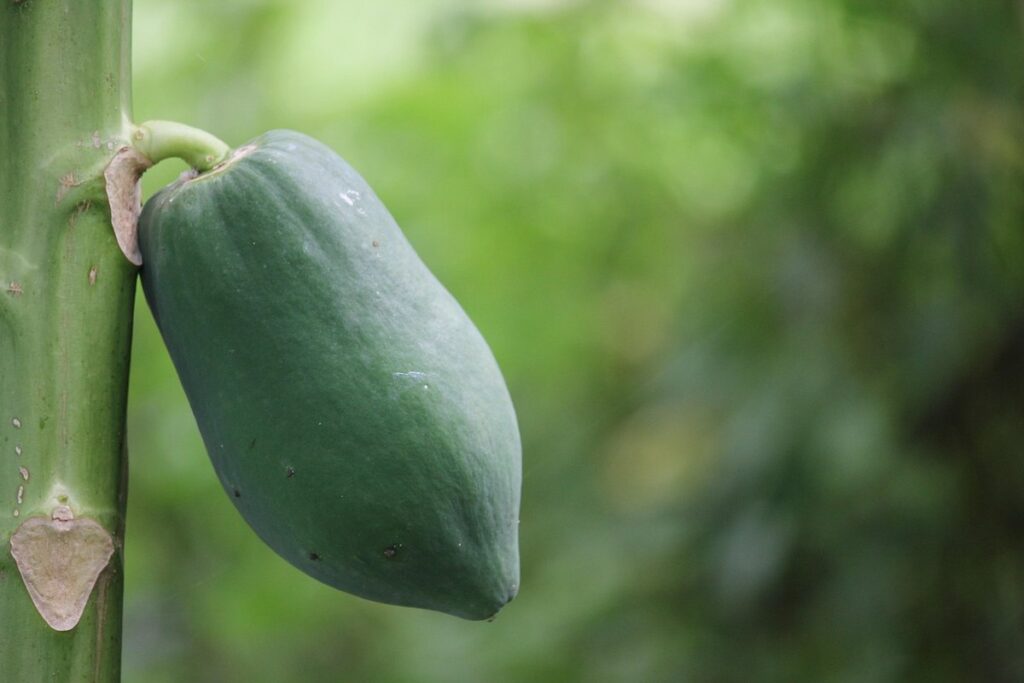
Introduction to Papaya Plants
Papaya plants are a fascinating and unique addition to any garden, but before we dive into their care and benefits, let’s take a closer look at what makes them special.
What is a Papaya Plant?
Papaya plants are one of the most fascinating and nutritious tropical plants out there. Native to Central America and southern Mexico, papayas have a rich history that dates back over 4,000 years. These incredible plants were first cultivated by the ancient Mayans and Aztecs, who prized them not only for their delicious fruit but also for their medicinal properties.
Today, papaya plants are grown in many parts of the world, particularly in tropical regions with warm climates. They’re relatively easy to care for and can thrive in a variety of environments, making them a popular choice for gardeners and farmers alike. With proper care and attention, papaya plants can grow up to 10 feet tall and produce multiple fruits per season.
What makes papaya plants truly remarkable is their adaptability and resilience. They’re able to tolerate drought conditions, high temperatures, and even salt-laden soils – making them a great choice for areas with challenging growing conditions. Whether you’re a seasoned gardener or just starting out, learning more about the amazing world of papaya plants can be incredibly rewarding.
Importance of Papaya Plants in Modern Times
Papaya plants have become an essential component of modern gardens, not only for their delectable fruits but also for their numerous health benefits and versatility. In today’s world, where natural remedies are increasingly sought after, the medicinal properties of papaya plants have gained significant attention.
One of the primary advantages of papaya plants lies in their rich storehouse of antioxidants, vitamins, and minerals. The fruit is a potent anti-inflammatory agent, making it a popular choice for treating digestive issues, arthritis, and even certain types of cancer. Moreover, the latex of the plant contains an enzyme called papain that has been used to treat wounds and skin conditions.
Beyond its medicinal applications, papaya plants are also prized in the culinary world. The fruit can be eaten raw or cooked into a variety of dishes, from salads to smoothies. In some cultures, the leaves and seeds of the plant are even used as a spice or flavoring agent. With their adaptability and nutritional value, it’s no wonder that papaya plants have become an integral part of many modern gardens.
Papaya plants can be grown in containers or directly in the ground, making them accessible to gardeners with limited space. When selecting a papaya plant for cultivation, look for varieties that are disease-resistant and suitable for your climate. Regular watering and pruning will ensure optimal growth and fruit production. By incorporating papaya plants into your garden, you’ll not only reap the rewards of fresh produce but also contribute to a healthier environment.
Growing Papaya Plants: A Comprehensive Guide
When it comes to growing papaya plants, knowing the right conditions and techniques is crucial for a bountiful harvest. Let’s dive into the specifics of cultivating papaya plants in your garden or indoor space.
Choosing the Right Variety for Your Climate
When it comes to growing papayas, choosing the right variety is crucial for success. With over 100 different varieties, each with its unique characteristics and growth habits, selecting the perfect one for your local climate can be overwhelming.
Let’s break down some of the most popular papaya varieties and their climate preferences:
• Cavendish: This is a popular variety grown worldwide, but it prefers warmer temperatures above 64°F (18°C) and high humidity.
• Kapoho: Originating from Hawaii, this variety thrives in tropical climates with average temperatures between 70°F (21°C) and 85°F (29°C).
• Sunrise: As the name suggests, this variety excels in full sun conditions and can tolerate a wider temperature range (60°F to 90°F or 16°C to 32°C).
To choose the right papaya variety for your climate:
* Research local nurseries and online suppliers to find varieties suitable for your region.
* Check the specific growing requirements, including temperature tolerance, sunlight needs, and humidity levels.
* Consider factors like disease resistance and pest tolerance when selecting a variety.
By selecting a papaya variety that fits your local climate, you’ll be well on your way to growing a thriving and healthy papaya plant.
Planting and Propagation Methods
When it comes to growing papaya plants, understanding the different methods of planting and propagation is crucial for their successful cultivation. Papaya seeds, seedlings, and suckers can be used as starting materials, each with its own advantages.
To plant papaya seeds, start by selecting healthy seeds from mature fruits. Soak them in water for 24 hours to encourage germination. Plant the seeds about 1/4 inch deep in a well-draining potting mix and maintain high humidity until they sprout. Papaya seedlings can be transplanted into individual pots or directly into the garden once they have at least two sets of leaves.
Suckers, on the other hand, are removed from mature papaya plants when they reach 6-12 inches in length. They make excellent starting materials as they already possess a developed root system and can produce fruit within a shorter time frame compared to seedlings. Plant suckers about 1 inch deep and water well to settle the soil.
In terms of propagation, rooting papaya cuttings is another option, but it requires more expertise and attention to detail. Cuttings should be taken from mature plants during the spring or fall when they are less stressed by heat or dry conditions.
Soil and Environmental Requirements
When growing papaya plants, it’s essential to provide them with an ideal environment that meets their specific needs. Papayas thrive in well-draining soil with a slightly acidic pH between 5.5 and 6.5. If your soil is too alkaline or heavy clay-based, mix in some organic matter like compost or manure to improve its structure.
In terms of temperature, papaya plants prefer warm weather with average temperatures ranging from 65°F to 90°F (18°C to 32°C). However, they can tolerate a short period of frost but prolonged exposure will damage the plant. As for light, papayas need full sun to partial shade, depending on your location. In tropical regions, provide them with filtered sunlight to prevent scorching.
To replicate these conditions in your garden, choose a spot that receives at least six hours of direct sunlight and has good air circulation. If you’re growing in containers, make sure the pot has drainage holes to prevent waterlogged soil. Remember, papayas are sensitive to extreme temperatures and moisture levels, so monitor their environment closely to ensure optimal growth.
Papaya Plant Care: Tips and Tricks for Optimal Growth
To help your papaya plant thrive, we’ll dive into essential tips on temperature control, soil quality, watering schedules, and more to ensure optimal growth. Proper care is key to a bountiful harvest!
Watering and Fertilization Techniques
When it comes to papaya plant care, watering and fertilization are crucial techniques that can make all the difference between a thriving tree and a struggling one. Watering frequency depends on the climate and soil type of your area, but as a general rule, water your papaya plant when the top 1-2 inches of soil feel dry to the touch.
For optimal growth, fertilize your papaya plant regularly with a balanced fertilizer (10-10-10 NPK). You can also use an organic option like compost or manure tea. Dilute the fertilizer to half the recommended strength to avoid burning your plant’s roots. Some popular options include Miracle-Gro and Espoma Organic.
It’s essential to note that papaya plants are heavy feeders, meaning they require a lot of nutrients to produce those delicious fruits. During the fruiting stage, you can switch to a fertilizer high in phosphorus (15-30-15 NPK) to promote fruit growth. Keep in mind that over-fertilization can be detrimental to your plant’s health, so stick to the recommended amounts and frequency.
By mastering these watering and fertilization techniques, you’ll be well on your way to growing a healthy, thriving papaya tree that produces an abundance of juicy fruits for years to come.
Pruning and Training Methods
Pruning is an essential aspect of papaya plant care that helps promote healthy growth and increases fruit production. By removing dead or diseased branches, you’re preventing the spread of disease and encouraging the plant to focus its energy on producing new growth.
When it comes to pruning papaya plants, timing is crucial. The best time to prune is during the dormant season, typically from November to February in most regions. This allows for maximum regrowth and fruiting when the plant enters its active phase. Remove any weak or damaged branches, as well as those that are growing inward or rubbing against each other.
To promote a central leader on your papaya tree, remove lower lateral branches, encouraging vertical growth. For compact varieties or container-grown plants, prune regularly to maintain a desired shape and size. Prune only what’s necessary, as over-pruning can stress the plant and reduce fruiting.
By following these simple pruning guidelines, you’ll be well on your way to creating a thriving papaya tree with plenty of delicious fruit to enjoy.
Pest and Disease Management
As a papaya plant owner, it’s essential to be aware of the common pests and diseases that can affect your plants. Aphids, whiteflies, and mealybugs are frequent visitors to papaya plants, feeding on sap and causing curled or distorted leaves. To prevent these infestations, regularly inspect your plants for signs of insects and use neem oil or insecticidal soap to control populations.
Root rot and leaf spot diseases can also plague papaya plants if not properly cared for. Root rot is often caused by overwatering, which can lead to fungal growth in the roots. To prevent root rot, ensure your plant has well-draining soil and avoid watering logs. Leaf spot diseases are usually caused by bacterial or fungal infections. Regularly remove infected leaves, and treat with copper-based fungicides.
Prevention is key: maintain good air circulation around plants, water carefully, and provide adequate sunlight to reduce the risk of disease.
Health Benefits of Papaya Plants: Nutritional Value and Medicinal Properties
Papaya plants offer a wealth of health benefits, from their impressive nutritional value to their numerous medicinal properties that can be harnessed for good health. Let’s dive into what makes papayas so special.
Antioxidant and Anti-Inflammatory Properties
Papaya plants are renowned for their exceptional antioxidant and anti-inflammatory properties, making them a valuable addition to a healthy lifestyle. The fruit, leaves, and other parts of the plant contain various vitamins, minerals, and phytochemicals that work together to provide numerous health benefits.
The high water content in papaya fruits makes them an excellent source of antioxidants, which help neutralize free radicals that can cause oxidative stress and inflammation in the body. Papain, a key enzyme present in papaya leaves, has been shown to exhibit potent anti-inflammatory properties by inhibiting the production of pro-inflammatory cytokines.
Incorporating papaya into your diet can be as simple as enjoying it fresh or using its extract as an ingredient in smoothies and salads. You can also use the leaves to make a tea that’s rich in antioxidants and can help alleviate symptoms associated with conditions like arthritis and fibromyalgia.
When foraging for wild papaya plants, ensure you identify the correct species and avoid any areas that may be contaminated with pesticides or heavy metals. When cultivating papaya at home, provide your plant with sufficient sunlight, water, and nutrients to promote healthy growth and maximize its nutritional value.
Digestive Health and Other Health Benefits
Consuming papaya has been associated with numerous health benefits beyond its rich nutritional profile. One of the most significant advantages is its positive impact on digestive health. The enzyme papain found in papaya helps break down proteins, making it an excellent remedy for individuals suffering from indigestion and bloating.
Papaya’s high fiber content also promotes regular bowel movements, reducing the risk of constipation and other gastrointestinal issues. In addition to its digestive benefits, papaya has been shown to support immune system function by providing essential vitamins A and C. These antioxidants play a crucial role in protecting the body against free radicals, which can damage cells and lead to various health problems.
To incorporate papaya into your diet and reap its digestive and immune-boosting benefits, consider adding it to salads, smoothies, or yogurt parfaits. You can also consume papaya as a fresh fruit, either on its own or paired with other nutrient-dense foods like almonds or spinach.
Preparing and Using Papaya Fruits: Recipes and Tips
Now that you’ve learned how to care for your papaya plant, it’s time to enjoy its delicious fruits! This section shares our favorite recipes and expert tips on preparing and using papayas.
Cooking and Preserving Methods
When it comes to enjoying your freshly harvested papaya fruits, knowing how to prepare and preserve them can make all the difference. Papayas are a delicate fruit that requires careful handling to maintain their flavor, texture, and nutritional value.
To store fresh papayas, keep them at room temperature until ripe. Once they’re fully ripened, you can store them in the refrigerator to prolong their shelf life for up to 5 days. Wrap them tightly in plastic wrap or aluminum foil to prevent moisture loss.
For longer-term preservation, consider dehydrating or freezing your papaya fruits. Dehydration removes excess water and kills off bacteria, allowing you to enjoy dried papaya as a snack or add it to recipes. To freeze papayas, puree the flesh and store it in an airtight container for up to 6 months.
Some popular ways to prepare papayas include making smoothies, adding them to salads, or grilling slices as a topping for yogurt or oatmeal. For a simple recipe, try mixing diced papaya with lime juice, honey, and chopped cilantro for a refreshing summer snack.
Incorporating Papaya into Your Diet
Incorporating papaya into your diet is easier than you think. With its sweet and musky flavor, it’s a versatile fruit that can be used in a variety of dishes. Let’s start with the basics: adding fresh papaya to your morning smoothie is a great way to boost your vitamin C intake.
Here are some other ideas:
* Add diced papaya to green salads for a burst of tropical flavor
* Grill slices of papaya and serve as a side dish, similar to grilled pineapple or peaches
* Use pureed papaya as a topping for oatmeal or yogurt
You can also use papaya in main dishes like stir-fries, curries, and even as a salsa. For example, try pairing diced papaya with red onion, jalapeño peppers, cilantro, and lime juice for a fresh and spicy salsa.
When working with papaya, remember to scoop out the seeds before using, as they can be quite bitter. Also, adjust the amount of sweetness according to your taste preferences, as papaya can add a significant amount of natural sugar to your dishes.
Conclusion and Future of Papaya Plants
As we conclude our ultimate guide, let’s take a look at what the future holds for papaya plants and how to make the most of your growing experience.
Recap of Key Takeaways
As we conclude our comprehensive guide to papaya plants, let’s recap the key takeaways that will help you become a confident and successful papaya grower. You now know the ideal conditions for planting and caring for papaya trees, including the need for well-draining soil, full sun, and consistent moisture levels.
From the various benefits of papaya plants, you should be aware of their exceptional nutritional value, rich in vitamins A and C, potassium, and fiber. Papayas are also a rich source of antioxidants, which can help protect against chronic diseases such as cancer and heart disease. You’ve also learned about the potential medicinal properties of papaya extracts, including anti-inflammatory and antibacterial effects.
In terms of growing tips, you now know how to propagate new papaya plants using seeds or cuttings, as well as common mistakes to avoid when growing papayas in containers or directly in the ground. By following these key takeaways, you’ll be well on your way to enjoying a bountiful harvest of delicious and nutritious papayas for years to come. Remember to regularly inspect your plants for pests and diseases, and take prompt action if you notice any issues.
Future of Papaya Plant Cultivation
As we conclude our ultimate guide to papaya plants, it’s exciting to think about the future of their cultivation. The demand for this versatile fruit is on the rise, driven by its numerous health benefits and increasing popularity worldwide. According to a report by Grand View Research, the global papaya market size was valued at USD 2.4 billion in 2020 and is expected to reach USD 3.5 billion by 2027.
One trend gaining momentum is vertical farming and indoor cultivation of papayas. This method allows for year-round production, reduced water consumption, and minimized environmental impact. Companies like Bright Agrotech are already implementing this technology, increasing yields while reducing costs.
Innovative practices like tissue culture propagation and precision agriculture will also shape the future of papaya cultivation. These techniques enable farmers to produce high-quality planting materials and optimize resource allocation, leading to increased efficiency and reduced waste. As consumers become more aware of sustainable farming practices, expect a surge in demand for papayas grown using these methods.
With these trends and technologies on the horizon, now is an exciting time to be involved in papaya cultivation. Whether you’re a seasoned farmer or just starting out, embracing innovation will be key to staying ahead in this rapidly evolving industry.
Frequently Asked Questions
Can I grow papaya plants indoors?
Papayas require a lot of sunlight to thrive, but you can still try growing them indoors using grow lights. However, be aware that indoor-grown papayas may not produce fruit as abundantly as those grown outdoors in tropical climates. Make sure your indoor setup provides at least 4-6 hours of direct light per day for optimal growth.
How often should I water my papaya plant?
Papaya plants need consistent moisture, especially when they’re producing fruit. Water them deeply once or twice a week, depending on the climate and soil type. However, make sure not to overwater, as this can lead to root rot and other problems. Check the soil’s moisture level by sticking your finger into it up to the knuckle.
Can I use papaya leaves in cooking?
Yes! Papaya leaves have a unique flavor and are rich in vitamins A and C. You can add them to salads, soups, or sauté them with garlic as a side dish. However, be aware that some people may experience allergic reactions or digestive issues after consuming papaya leaves.
How long does it take for a papaya plant to produce fruit?
The time it takes for a papaya plant to produce fruit depends on various factors like climate, soil quality, and the specific variety. Generally, it can take anywhere from 6-12 months for a papaya plant to mature and produce its first fruit.
Can I use papain enzyme supplements instead of eating raw papayas?
Yes, you can use papain enzyme supplements as an alternative to consuming raw papayas. However, keep in mind that the bioavailability and potency of these supplements may vary depending on the brand and quality. Always consult with a healthcare professional before adding any new supplements to your diet.