
Growing your own onions from scraps in water is a game-changer for any home gardener or cook. Not only does it save you money on store-bought bulbs, but it’s also a fun and rewarding way to get creative with your kitchen waste. But before you can start snipping off those onion tops and watching them sprout into new plants, you need to know the right conditions and care techniques for successful growth.
In this article, we’ll walk you through a simple and effective method for propagating onions in water, covering everything from preparing your scraps to providing the perfect environment for healthy growth. With our expert tips and tricks, you’ll be well on your way to harvesting a bounty of fresh, homegrown onions – all from just a few humble onion scraps and a glass of water.
Understanding the Basics of Onion Propagation
Before we dive into the nitty-gritty, let’s start with the basics: how onions propagate and what you need to know to successfully grow them from a parent onion. This process is simpler than you think!
The Science Behind Growing Onions from Onions
Growing onions from onions is a fascinating process that’s based on the natural ability of certain plants to regenerate themselves. This method works because onions, like garlic and shallots, are able to produce new growth from their existing bulbs through a process called “natural layering.” Essentially, when you separate an onion bulb into its individual scales, each scale has the potential to grow into a new plant.
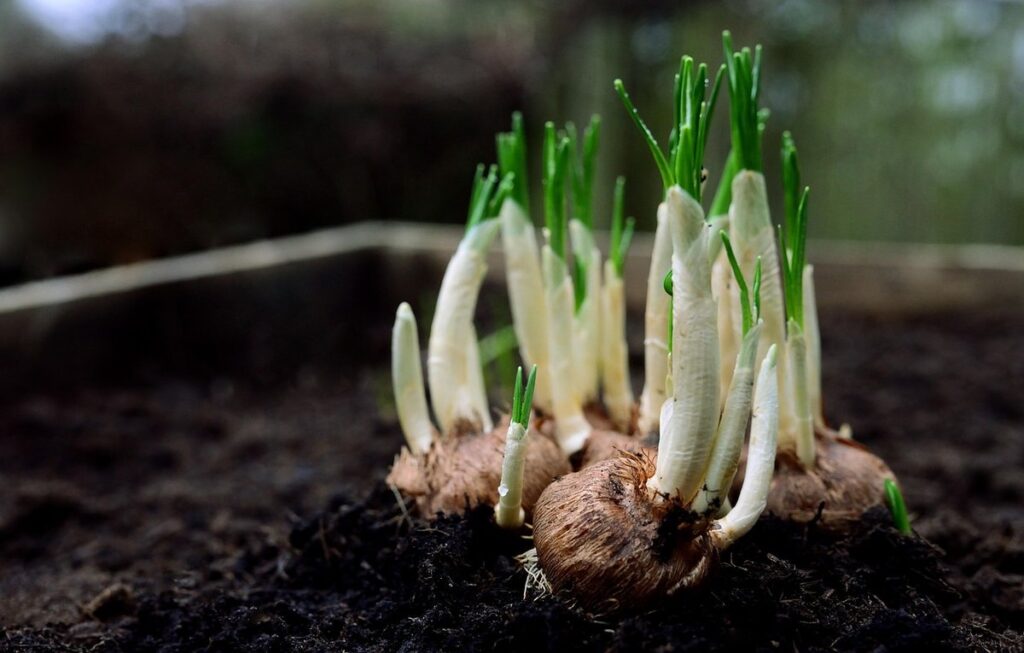
This is because the tiny white sprouts that form on the base of the onion bulb are actually small versions of the mature plant. When separated from the mother bulb, these sprouts can develop into new onions with their own roots and leaves. The science behind this process is rooted in the unique structure of onion bulbs, which contain multiple “eyes” or buds that can produce new growth.
This means that if you have a healthy onion bulb at home, you can use it to grow new onions without having to purchase seeds or seedlings. This method is also incredibly efficient, as each onion scale can produce up to three new plants, making it an excellent way to multiply your crop and save money on seeds.
Choosing the Right Onions for Propagation
When it comes to growing onions from onions in water, selecting the right onion bulb is crucial for success. You’ll want to choose a healthy, disease-free bulb that will yield strong, vigorous growth. To identify a good onion bulb, look for one with firm, dry skin and no signs of mold or mildew. Avoid bulbs with soft spots or wrinkles, as these can indicate rot or decay.
When selecting onion bulbs at the store, opt for those from reputable suppliers who follow proper handling and storage procedures to minimize the risk of disease transmission. You can also check with local farmers’ markets or specialty stores for fresh, locally grown onions that may have been handled more carefully.
When in doubt, inspect the bulb’s roots and base. A healthy onion will have a well-developed root system and a sturdy, compact base. Avoid bulbs with long, thin roots or those that are loose at the base, as these can indicate stress or poor storage conditions.
By choosing healthy, disease-free onion bulbs, you’ll be setting your onions up for success and reducing the risk of common problems like rot, mold, or pest infestations. This simple step is essential to ensure a strong start for your homegrown onions in water.
Preparing the Onion Bulb for Water Rooting
To successfully grow onions from onions in water, you’ll need to carefully prepare the onion bulb before submerging it into the water. This step is crucial for healthy root development and a strong start for your new onions.
Cleaning and Preparing the Onion Bulb
When you’re ready to start growing onions from onions in water, it’s essential to begin by gently cleaning and trimming the onion bulb. This process will remove any excess soil or debris that may be clinging to the roots of the onion.
First, carefully hold the onion bulb under a gentle stream of cold running water to dislodge any loose dirt. Make sure to get into all the nooks and crannies of the onion’s crevices, as well as the base where the roots will emerge. You can also use a soft-bristled brush or a small-toothed comb to gently scrub away any stubborn dirt.
Next, inspect the onion bulb for any visible signs of rot or damage. If you notice any moldy or mushy areas, it’s best to discard the onion as these issues can spread quickly in water. Once your onion is clean, use a pair of sharp kitchen scissors or pruning shears to trim off about half an inch from the top of the bulb. This will help prevent any potentially weak or damaged areas from affecting the growth of your new onions.
Creating a Clean Environment for Propagation
Maintaining a clean and sterile environment is crucial for successful water rooting of onions. This is because the process of germinating onion bulbs in water creates an ideal breeding ground for bacteria and fungi to thrive, potentially harming the developing roots.
To create a clean environment, start by selecting a dedicated workspace or area where you can minimize cross-contamination from other plants or growth mediums. Clean and sanitize any equipment or tools that will come into contact with your onion bulbs, such as scissors, tweezers, and glass containers. Use a 3% bleach solution to disinfect surfaces and equipment.
Next, prepare the glass container by washing it in hot soapy water and rinsing thoroughly. Fill the container with fresh, lukewarm water, making sure to use distilled or rainwater that’s free from chemicals. Avoid tap water as it may contain added minerals that can affect root growth.
Regularly inspect your equipment and workspace for signs of contamination, and maintain a consistent cleaning schedule to prevent the buildup of bacteria and fungi. By following these steps, you’ll be able to create an ideal environment for successful water rooting of onions from bulbils.
Setting Up the Water Rooting System
Now that you have a healthy onion bulb, it’s time to set up your water rooting system, which will help your onion sprout into a brand new plant. Let’s get started by preparing the necessary materials and container.
Selecting the Right Container and Water
When it comes to growing onions from onions in water, using the right container and type of water is crucial for their healthy development. A clean and sanitized container will prevent the growth of bacteria and other microorganisms that can harm your onion roots.
For this purpose, a glass jar or container with a wide mouth is ideal. Avoid using plastic containers, as they can impart chemicals into the water that may harm your onions. Make sure to wash the container thoroughly with soap and warm water before use.
Filtered water is also essential for healthy onion growth. Tap water often contains high levels of chlorine and other chemicals that can inhibit root growth. You can use a water filter or boil the water for 10-15 minutes to remove impurities.
The optimal water-to-onion ratio is around 2-3 inches (5-7.5 cm) deep in the container, with one onion per liter of water. This will provide enough room for the onions to grow without becoming waterlogged.
Providing the Right Conditions for Growth
To promote healthy growth in your water rooting system, it’s essential to provide the right conditions for your onion sprouts. The ideal temperature range for growing onions from onions in water is between 65°F and 75°F (18°C and 24°C). This range allows for optimal germination and development.
Maintaining a humid environment is also crucial, as onions prefer a relatively high humidity level to grow well. You can achieve this by placing the container on a tray filled with water or using a humidifier nearby. Keep in mind that excessive moisture can lead to root rot, so ensure the soil mixture isn’t too wet.
In terms of lighting, onions grown in water require bright, indirect light. A south-facing window is ideal, but be cautious not to expose your onion sprouts to direct sunlight, which can cause scorching. If you’re using grow lights, aim for 12-14 hours of light per day. Avoid placing the container near heating vents or radiators, as this can dry out the soil and hinder growth. By maintaining these optimal conditions, you’ll be well on your way to successfully growing onions from onions in water.
Caring for the Growing Onions
Now that you’ve successfully grown your onions, it’s time to focus on providing them with the right care so they continue to thrive. Here are some essential tips to keep in mind.
Monitoring and Adjusting the Water Level
As you’re growing onions from onions in water, it’s essential to keep an eye on the water level. This might seem like a straightforward task, but failure to monitor and adjust can lead to root rot, a common issue that can be detrimental to your onion crop.
Make sure to check the water level at least once a week, or more often if you notice the onions are growing rapidly. If the roots are floating on top of the water, it’s likely too shallow, while if they’re submerged entirely, it might be too deep. To adjust the water level, carefully lift the onion bulb and add more water as needed. A general rule of thumb is to keep about an inch of space between the water surface and the base of the onions.
Keep in mind that different types of onions have varying growth rates, so adjust your monitoring frequency accordingly. For example, sweet onions typically grow faster than storage onions. By regularly checking the water level and making adjustments as needed, you’ll be well on your way to raising healthy, robust onion bulbs.
Fertilizing and Pruning the Onion Tops
As your onion plants continue to grow in water, it’s essential to provide them with the necessary nutrients and pruning care. Fertilizing promotes healthy growth and development, while pruning encourages the plant to focus its energy on bulb formation.
To fertilize, you can use a balanced liquid fertilizer (such as 20-20-20) following the manufacturer’s instructions. You can also add some beneficial microbes like fish emulsion or compost tea to the water. This will help replenish nutrients and support overall health.
When it comes to pruning, the onion tops require regular maintenance to encourage bulb formation. Start by cutting off about half of the top growth when your onions are around 2-3 inches tall. This helps redirect energy from foliage development towards root and bulb growth. Continue to trim back the tops as they grow, making sure to leave at least an inch or two of greenery above the waterline. Regular pruning will help you achieve larger, healthier bulbs.
Transplanting the Growing Onions into Soil
Now that you’ve got your onions growing well in water, it’s time to transplant them into soil where they’ll thrive and produce delicious bulbs. Next up: learning how to transfer them gently but effectively.
Preparing the Soil for Transplantation
When transplanting growing onions into soil, it’s essential to prepare the soil for their optimal growth. To begin with, loosen the soil to a depth of about 8-10 inches, using a garden fork or shovel. This will help break up any clods and aerate the soil, allowing the onion roots to grow freely.
Next, inspect the soil pH level. Onions prefer a slightly acidic to neutral soil pH (around 6.0-7.0). If your soil is too alkaline or acidic, amend it with lime or sulfur accordingly. You can also add organic matter like compost or well-rotted manure to improve soil structure and fertility.
For a raised bed or container, fill it with a mix of topsoil, compost, and perlite or vermiculite for drainage. Avoid using fresh manure, as it can burn the onion roots. If your soil lacks essential nutrients, consider adding a balanced fertilizer according to the manufacturer’s instructions. Now that your soil is prepared, you’re ready to transplant your growing onions into their new home, where they’ll thrive and produce healthy bulbs.
Planting the Onion Seedlings in the Garden
Now that you’ve successfully grown onion seedlings from onions in water, it’s time to transplant them into the garden. This is a crucial step, as it will determine their long-term health and productivity. To ensure a smooth transition, gently remove the seedlings from the glass or container they’ve been growing in, taking care not to damage their roots.
Hold each seedling by its leaves, rather than its delicate white stem, to avoid causing any harm. This is especially important when planting young onions, as their stems are still fragile and prone to bruising. Once you’re ready to plant, dig a hole that’s about twice as deep as the onion seedling’s height.
Plant the seedlings at the same depth they were in the glass or container, making sure the white base of the stem is fully buried in soil. This will help them establish themselves more easily and prevent them from toppling over. Water the soil well after planting to settle it around the roots.
Common Issues and Troubleshooting
Don’t worry if things don’t go as planned, we’ve got you covered with common issues that might arise when growing onions from onions in water. We’ll walk through some solutions to get your crop back on track.
Identifying and Addressing Pests and Diseases
When growing onions from onions in water, you may encounter some common pests and diseases that can affect their health. Keep an eye out for aphids, mealybugs, and spider mites, which can be found on the leaves and stems of your onion plant. These tiny insects can cause curled or distorted leaves, stunted growth, and even sticky honeydew droplets on the surface.
Fungal diseases like root rot and leaf blight are also common issues that can arise when growing onions in water. To identify these problems, look for soft, mushy roots or a grayish-brown discoloration on the leaves. These conditions often result from overwatering, poor drainage, or high humidity.
To address these issues, ensure good air circulation around your onion plants and maintain clean water by changing it every few days. You can also use insecticidal soap or neem oil to control pests, and treat fungal diseases with a fungicide specifically designed for aquatic plants. Regular monitoring of your onion plants will help you catch any problems early on and take corrective action before they spread.
In severe cases, affected leaves may need to be pruned off to prevent the disease from spreading. However, if left unchecked, these issues can significantly impact your onion plant’s growth and overall health.
Solving Common Problems with Water Rooting
One of the most common issues you may encounter when water rooting onions is root rot. This occurs when the roots become overwatered and start to break down, leading to a foul smell and softening of the plant’s base. To prevent root rot, make sure to change the water in your onion’s container every 1-2 weeks. Also, ensure that the water level is below the soil level, allowing for good air circulation around the roots.
Another issue you may face is slow growth. This could be due to inadequate light or insufficient nutrients. To boost growth, place your onion near a sunny window with direct sunlight or under grow lights. Additionally, fertilize your onion once a week using a balanced water-soluble fertilizer at half the recommended strength.
Keep in mind that onions grown from onions in water may not produce as many bulbs as those grown directly in soil. This is normal and doesn’t affect the flavor or quality of the onion.
Conclusion: Maximizing Success with Onion Propagation
Now that you’ve successfully grown onions from store-bought onions, it’s time to focus on maximizing your yield and preventing common mistakes that can hinder their growth. Let’s discuss how to optimize your onion propagation process for success.
Recap of Key Takeaways
To maximize success with onion propagation, it’s essential to recall the crucial steps covered in this article. Proper techniques are key to successfully growing onions from onions in water. This involves choosing a healthy onion base, preparing it for rooting by trimming its neck and allowing it to heal, and then placing it in a container of water.
Next, creating an ideal environment is vital. This includes providing adequate light – direct sunlight or grow lights work well – and maintaining the right temperature range (around 65-75°F). Water quality also plays a significant role; change the water every 2-3 days to prevent bacterial growth.
Additionally, ensure proper care after your onion has begun to sprout roots. Avoid overwatering, which can lead to rotting of the bulb and stem. By following these key takeaways, you’ll be well on your way to successfully growing onions from onions in water at home. Remember that patience is essential; it may take several weeks for the process to complete, but with dedication and attention to detail, you’ll enjoy a bountiful harvest.
Final Tips and Encouragement
As you’ve made it to the end of this step-by-step guide, I’m sure you’re eager to see your onion seeds sprouting and thriving. Growing onions from onions in water can be a bit more challenging than traditional methods, but with the right mindset and attention to detail, you’ll be enjoying a bountiful harvest in no time.
Here are some final tips to help you overcome common obstacles: Make sure your water change schedule is consistent – this will prevent bacterial growth and keep your onion roots healthy. Also, don’t be discouraged if some of your seeds don’t sprout immediately – it’s not uncommon for onions grown from seed to take a bit longer to mature.
Most importantly, remember that patience is key when growing onions in water. Keep a close eye on your plants’ progress and adjust their environment as needed. With time and practice, you’ll develop the skills and confidence to grow delicious, chemical-free onions right in your kitchen. Good luck, and happy growing!
Frequently Asked Questions
What if I don’t have a sunny windowsill for my water-rooted onions?
You can still grow onions from onions using artificial lighting. Place the container near an east- or west-facing window, or use LED grow lights to provide the necessary light spectrum and intensity.
Can I use any type of onion for water rooting, or are there specific varieties that work better?
Some onion varieties, like sweet onions or shallots, tend to produce more viable growth than others. Look for bulbs with at least three layers, as these will give you a higher success rate when growing from scraps.
How often should I change the water in my container, and what are some signs that it’s time for a fresh batch?
Change the water every 1-2 weeks to prevent bacterial growth and maintain optimal oxygen levels. Look for cloudy or stinky water as indicators that it’s time to replace it with fresh water.
What if I notice yellowing or browning of the onion tops – is this a sign of disease or nutrient deficiency?
Yes, discoloration can be an indication of nutrient deficiencies, such as nitrogen or magnesium deficiency. Research the specific symptoms and adjust your fertilization schedule accordingly.
Can I propagate onions from green onions instead of mature bulbs, and how will this affect my results?
While it’s technically possible to grow onions from green onions, you may experience lower success rates due to the reduced number of viable scales present in the leaves. Mature onion bulbs generally yield more consistent results when propagated for water rooting.