
When it comes to creating a garden that thrives in your specific climate, choosing the right plants is crucial. Native sun plants are an excellent option, offering numerous benefits for both you and the environment. By selecting species that have adapted to your local ecosystem, you’ll not only ensure their success but also contribute to biodiversity and reduce maintenance needs. However, growing native sun plants can be a challenge, especially when it comes to choosing the right varieties and providing them with the care they need. In this article, we’ll explore the ins and outs of growing these wonderful plants, covering topics such as species selection, advanced care techniques, and tips for creating a thriving garden that’s perfect for your climate.
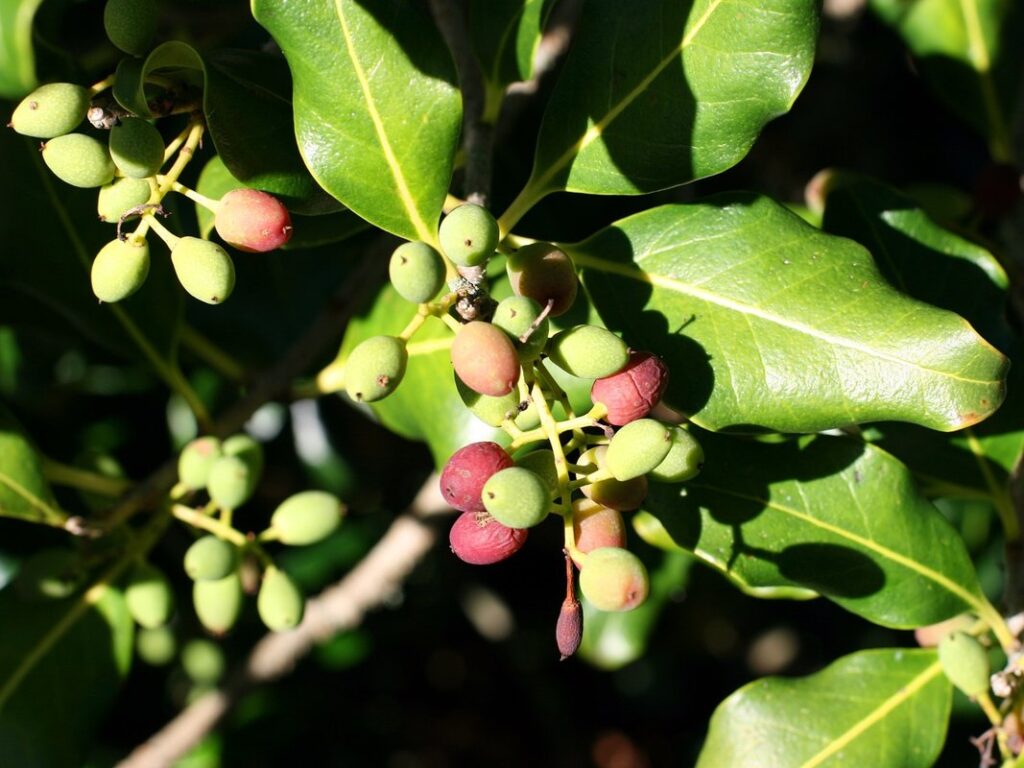
What are Native Sun Plants?
Native sun plants have evolved over centuries to thrive in your local climate, requiring minimal care and maintenance. Let’s explore what makes these resilient plants so well-suited for sunny spots.
Definition and Importance of Native Sun Plants
Native sun plants are a type of plant that is native to a specific region and can thrive in full sunlight. These plants have evolved over time to adapt to the local climate, soil, and environmental conditions, making them ideally suited for their native habitats. Native sun plants play a crucial role in maintaining the balance of ecosystems by providing food, shelter, and habitat for local wildlife.
One of the most significant benefits of native sun plants is their ability to support biodiversity. By attracting pollinators like bees, butterflies, and hummingbirds, these plants help maintain the health and stability of ecosystems. Additionally, native sun plants require less water and maintenance compared to non-native species, making them a more sustainable choice for gardeners.
Incorporating native sun plants into your garden can have a profound impact on the local environment. By planting native species, you’re not only creating a beautiful and low-maintenance landscape but also contributing to the preservation of native ecosystems. This is particularly important in areas where non-native species are threatening the native flora.
Types of Native Sun Plants
When it comes to native sun plants, you’ll find an incredible variety of species that thrive in full sun conditions. Three popular types of native sun plants are succulents, cacti, and flowering plants.
Succulents, such as aloe vera and agave, have adapted to conserve water by storing it in their leaves or stems. These plants are often low-maintenance, requiring infrequent watering and making them perfect for busy gardeners. A great example of a succulent is the prickly pear cactus (Opuntia spp.), native to the southwestern United States.
Cacti, like the saguaro (Carnegiea gigantea), have developed impressive spines to protect themselves from herbivores and intense sunlight. These plants are incredibly resilient and can store water in their stems for extended periods. Some popular cacti species include the pincushion cactus (Mammillaria spp.) and the Christmas cactus (Schlumbergera bridgesii).
Flowering plants, such as the Texas star (Eysimum texanum) and the California poppy (Eschscholzia californica), are a vibrant addition to any native sun garden. These flowers often bloom in shades of pink, purple, and yellow, providing essential nectar for pollinators like bees and butterflies.
When selecting succulents or cacti for your garden, make sure to choose species that are suitable for your local climate and soil conditions. For flowering plants, consider the specific growing requirements for each variety to ensure they receive adequate sunlight and water.
Benefits of Growing Native Sun Plants
Growing native sun plants offers numerous benefits, from attracting pollinators and providing shade to enhancing local ecosystems and requiring less maintenance. Let’s explore these advantages in more detail.
Environmental Benefits
Growing native sun plants not only brings beauty to your garden, but it also provides numerous environmental benefits. One of the most significant advantages is its contribution to soil health. Native sun plants have evolved over time to thrive in local conditions, which means they’re perfectly adapted to our region’s climate and soil type. As a result, they help maintain soil structure, improve fertility, and increase water retention.
By choosing native sun plants, you’ll also be reducing your water consumption. These plants are naturally drought-tolerant, requiring less watering and maintenance than non-native species. In fact, the US Environmental Protection Agency estimates that using drought-resistant plants can save up to 50% of water usage. This not only benefits your garden but also conserves this precious resource for our communities.
Native sun plants also provide vital habitat for local wildlife. Many species rely on native plants for food, shelter, and breeding grounds. By incorporating these plants into your garden, you’ll be creating a welcoming haven for birds, bees, and butterflies. For example, the monarch butterfly relies on milkweed as its primary food source – choosing native sun plants can help support this iconic species’ survival.
By growing native sun plants, you’ll not only enhance your garden’s aesthetic appeal but also contribute to the health of our ecosystem.
Aesthetic Benefits
Native sun plants are often overlooked for their ornamental value, but they offer a unique beauty that can elevate any garden or landscape. One of the most striking aspects of these plants is their distinctive foliage and flower forms, which have evolved to thrive in harsh conditions. For example, the leaves of the Mojave yucca plant are tough and waxy, while those of the prickly pear cactus are thick and fleshy. These adaptations not only make them drought-tolerant but also add visual interest to any garden.
When selecting native sun plants for aesthetic benefits, consider their natural growth habits and flowering times. Some species, like the desert marigold, bloom brightly in shades of yellow and orange, while others, such as the California buckwheat, produce delicate white flowers that attract pollinators. By choosing a mix of species that flower at different times, you can create a dynamic display of color throughout the growing season.
Biodiversity and Ecosystem Services
Growing native sun plants not only adds beauty to your garden but also plays a crucial role in maintaining biodiversity and providing essential ecosystem services. Native plants have co-evolved with local wildlife over thousands of years, making them the perfect food source for pollinators, birds, and other animals.
By incorporating native sun plants into your landscape, you’re contributing to the preservation of local ecosystems. These plants provide habitat and shelter for beneficial insects like bees, butterflies, and ladybugs, which in turn help control pest populations. For example, monarch butterflies rely on milkweed, a native sun plant, as their sole food source during their caterpillar stage.
Native sun plants also offer ecosystem services like soil erosion prevention, air quality improvement, and climate regulation. They have adapted to local conditions, requiring less water and maintenance compared to non-native species. This makes them an excellent choice for sustainable gardening practices. By choosing native sun plants, you’re supporting the health of your local environment and creating a thriving ecosystem that benefits both humans and wildlife.
Choosing the Right Native Sun Plants
When selecting native sun plants for your garden, it can be overwhelming with so many beautiful options to choose from. This section will help you narrow down your choices and find the perfect fit for your space.
Selecting Plants Suitable for Your Climate
When selecting native sun plants, it’s essential to consider the specific climate of your region. Native sun plants have evolved over time to thrive in their local environment, so choosing varieties that match your climate ensures they’ll receive the right conditions to flourish.
First, assess the temperature requirements for the plant you’re interested in. Some native sun plants can tolerate extreme heat or cold, while others prefer milder temperatures. For example, the Mojave Yucca is well-suited to hot desert climates with temperatures often reaching 120°F (49°C), whereas the Texas Sage prefers warmer temperatures but can tolerate light frosts.
Next, consider humidity levels. Some native sun plants thrive in dry conditions, while others require more moisture. The Desert Marigold, for instance, is drought-tolerant and perfect for areas with low rainfall, while the California Buckwheat requires regular watering to keep its foliage healthy.
Sunlight requirements are also crucial when selecting a native sun plant. Some varieties prefer full sun (6+ hours direct sunlight), while others can tolerate partial shade or even deep shade. Research the specific needs of your chosen plant and choose a location that meets those conditions. By taking these climate-specific factors into account, you’ll be well on your way to selecting native sun plants that will thrive in your garden.
Plant Selection Based on Soil Type and Conditions
When selecting native sun plants, it’s essential to consider the soil type and conditions they’ll be growing in. Different soils have unique characteristics that can affect plant growth, so choosing the right species for your specific situation is crucial.
For example, sandy soils drain quickly, making them ideal for plants with deep taproots like cacti or yucca. These plants are designed to thrive in well-draining conditions and can tolerate periods of drought. On the other hand, clay soils retain moisture and may require more frequent watering. Plants like sedges or rushes, which have adapted to these conditions, will do well in these types of soils.
If you’re dealing with alkaline or acidic soils, look for native sun plants that are tolerant of those pH levels. Some species, such as lupines or Indian paintbrush, thrive in slightly acidic soils, while others like milkweed or coral bells prefer more alkaline conditions. Consider the specific soil type and pH level when selecting your native sun plants to ensure they’ll receive the right amount of moisture, nutrients, and support for optimal growth.
When planting in areas with poor soil quality, consider adding organic matter like compost or mulch to improve its structure and fertility. This will help your native sun plants establish a strong root system and promote healthy growth.
Caring for Native Sun Plants
Taking good care of your native sun plants is crucial to their survival and continued growth, so let’s dive into some practical tips for nurturing them.
Watering Requirements
Watering native sun plants requires attention to their specific needs. Overwatering is common and can be detrimental, so it’s essential to get this right. First, understand the plant’s natural habitat and rainfall patterns. If you’re growing a desert succulent from California, for instance, it’ll need far less water than a coastal plant native to Florida.
In general, water your native sun plants when the top 1-2 inches of soil feel dry to the touch. Check the moisture by sticking your finger into the soil or using a moisture meter. Water thoroughly once a week during spring and summer months when growth is at its peak. During fall and winter, reduce watering to every 10-14 days, as plants require less water in dormant periods.
Watering methods can also affect plant health. For example, pouring water directly on the leaves of succulents can lead to rot, whereas watering the soil ensures roots absorb moisture efficiently. Mulching around plants helps retain moisture and suppress weeds. Observe your native sun plant’s response to watering schedules and adjust accordingly. Remember, underwatering is often easier to correct than overwatering, which can be fatal for some species.
Fertilization and Pruning
When it comes to fertilizing and pruning native sun plants, timing is everything. Over-fertilization can damage these sensitive plants, while under-nourishment can stunt their growth. For most native sun plants, a balanced fertilizer during the growing season (spring and summer) is all they need.
To prune native sun plants effectively, follow these steps: inspect the plant for dead or damaged branches, then cut them back to about an inch from the node. This will encourage new growth and prevent disease from spreading. For plants with long stems, like yucca or agave, consider pruning only what’s necessary to maintain shape and size.
Some native sun plants require more attention than others. For example, Texas Sage needs regular pruning to keep it bushy and compact. Conversely, Ocotillo can be left largely unpruned, as it prefers to grow naturally with minimal maintenance. Research specific care requirements for the plant you’re working with, as this will help guide your fertilization and pruning decisions.
Remember, native sun plants are adapted to thrive in local conditions, so trust their natural resilience when deciding how much care they truly need.
Pest Control and Disease Management
When it comes to caring for native sun plants, pest control and disease management are crucial aspects that often get overlooked. However, with a few simple strategies and techniques, you can keep your plants healthy and thriving.
One effective approach is integrated pest management (IPM), which involves using a combination of physical, cultural, biological, and chemical controls to prevent pest problems. For example, hand-picking pests like aphids or whiteflies from your plants can be an effective way to control infestations. You can also use row covers or fine-mesh screens to prevent pests like squash bugs and cucumber beetles from reaching your plants.
Another key aspect of disease management is maintaining good air circulation around your plants, which helps prevent fungal diseases that thrive in humid conditions. Regularly inspecting your plants for signs of disease and taking prompt action can also help prevent the spread of infection. Some common diseases affecting native sun plants include powdery mildew and leaf spot.
To keep pests and diseases at bay, it’s essential to adopt a proactive approach, monitoring your plants regularly and responding promptly to any issues that arise.
Common Challenges and Solutions
As you begin growing native sun plants, you’ll likely encounter some common obstacles that can be frustrating to overcome. Let’s tackle these challenges together and explore practical solutions.
Overwatering and Underwatering
One of the most common challenges gardeners face when growing native sun plants is achieving the perfect balance between watering and allowing for healthy drainage. Overwatering and underwatering can both be detrimental to these plants, so it’s essential to monitor their moisture levels closely.
Overwatering occurs when you provide too much water for the plant to absorb, causing roots to rot and increasing the risk of root disease. Native sun plants are particularly susceptible to this issue because they thrive in well-draining soils and can easily become waterlogged. Symptoms include yellow or droopy leaves, soft stems, and an unpleasant odor from the soil.
Underwatering, on the other hand, is often due to neglect or incorrect watering schedules. While some drought-tolerance is beneficial for native sun plants, prolonged periods of dryness can cause stress and damage to the plant’s delicate root system. Look out for signs such as brittle leaves, wilted stems, and a reduction in leaf size.
To address these issues, ensure you’re checking soil moisture regularly by inserting your finger into the soil up to the first knuckle. Water only when the top 2-3 inches of soil feels dry to the touch. For overwatered plants, allow excess water to drain before repotting with fresh potting mix and improving drainage. For underwatered plants, gradually increase watering frequency while monitoring for signs of recovery.
Sun Scorch and Heat Damage
When growing native sun plants, one of the most common challenges they face is sun scorch and heat damage. This can be particularly problematic for plants that are not accustomed to the intense sunlight found in their natural habitats.
Preventing sun scorch involves selecting plants with adapted tolerances to heat and sun exposure. Some native sun plants have thicker leaves or stems that provide additional protection from direct sunlight. For example, the ‘Desert Willow’ (Chilopsis linearis) has narrow, waxy leaves that help reflect some of the intense desert sun.
When treating sun scorch, it’s essential to act quickly. Remove any damaged or discolored leaves to prevent the spread of decay and promote healthy growth. Apply a balanced fertilizer to give your plant an extra boost during periods of high stress. For severe cases, consider using a product containing seaweed extract to help repair damaged tissues.
To minimize heat damage, provide adequate water supply but avoid overwatering, which can exacerbate the problem.
Insect Pests and Diseases
As you grow and care for your native sun plants, it’s essential to be aware of common insect pests and diseases that can affect them. Some of the most prevalent issues include aphids, whiteflies, spider mites, mealybugs, and scale insects, which can all be identified by their distinctive appearances.
Aphids, for instance, are small, soft-bodied insects with pear-shaped bodies, while whiteflies resemble tiny flying moths. Spider mites, on the other hand, are minuscule, spinning webs on the undersides of leaves. Mealybugs look like white cottony growths, and scale insects appear as brown or tan bumps.
To control these pests, start by inspecting your plants regularly and removing any visible infestations with a gentle stream of water. You can also use neem oil or insecticidal soap to prevent infestations from getting out of hand. Some natural predators like ladybugs and lacewings are also effective at controlling pest populations.
Diseases such as powdery mildew, root rot, and leaf spot are common issues that can arise in native sun plants. These diseases often result from overwatering or poor air circulation, and they can be treated with fungicides. However, it’s best to take preventative measures like improving soil drainage, reducing watering schedules, and ensuring adequate spacing between plants to prevent disease outbreaks.
Some native sun plants are more susceptible to certain pests and diseases than others, such as the Mojave yucca being more prone to root rot due to its shallow roots system. Researching specific plant care requirements will help you anticipate potential problems and take proactive steps in their management.
Advanced Care Techniques
Once you’ve mastered the basics of growing native sun plants, it’s time to take your skills to the next level with advanced care techniques that promote optimal health and thriving.
Propagation Methods
When it comes to propagating native sun plants, you have several methods at your disposal. One of the most straightforward ways is through seed starting. This technique allows you to cultivate new plants from seeds collected from mature specimens. To begin, prepare a seed tray or small pots with well-draining soil and gently sow the seeds about 1/8 inch deep. Keep the soil consistently moist but not waterlogged.
Another method is division, which involves separating established roots from a parent plant. This approach works particularly well for plants like native succulents that often develop offsets. Gently dig up the entire root system, then carefully separate the individual segments using a sterile tool or your fingers. Replant each segment in fresh soil, making sure not to damage any delicate roots.
Grafting is another technique worth exploring. This method involves joining a piece of stem (called a scion) from one plant onto the root system of another (the rootstock). Grafting can be particularly useful for plants that are difficult to propagate through seeds or division, such as certain native grasses and sedges. To graft, prepare both the scion and rootstock by making shallow cuts on either end, then join them together using a twist-tie or wire, securing the connection with moist soil.
Remember to research specific propagation requirements for your particular species of native sun plant, as some may have unique needs or restrictions. By choosing the right method and taking the necessary precautions, you can successfully multiply your favorite native sun plants.
Plant Breeding and Hybridization
Breeding native sun plants can be a valuable tool for horticulturists and gardeners looking to improve their desired traits. By hybridizing two parent plants, you can create offspring with enhanced characteristics such as improved drought tolerance, increased bloom size, or more vibrant colors.
However, breeding native sun plants also comes with its own set of challenges. For instance, ensuring the offspring remains true-to-type is crucial when working with sensitive species. This means that the new generation must retain the essential features and traits of their parent plant without introducing unwanted characteristics. To achieve this, it’s essential to select suitable parents, carefully plan your breeding strategy, and maintain meticulous records throughout the process.
Some gardeners have successfully bred native sun plants using controlled pollination techniques or through grafting. These methods can help speed up the selection process while minimizing the risk of inbreeding depression. Nonetheless, hybridization requires patience, dedication, and a solid understanding of plant genetics to produce offspring that excel in their parent’s most valuable traits.
Conservation Efforts
As we delve into the world of native sun plants, it’s essential to acknowledge the importance of conservation efforts aimed at preserving these unique species. Habitat restoration and preservation programs are crucial initiatives that contribute significantly to the protection of native sun plants.
For instance, the Native Plant Trust is a non-profit organization dedicated to protecting and promoting the use of native plants in landscapes across North America. They have developed various resources and programs to support habitat restoration and conservation efforts, including plant sales, workshops, and educational materials.
To get involved, consider participating in local restoration projects or partnering with organizations like the Native Plant Trust. You can also make a difference by planting native sun species in your own garden or supporting businesses that prioritize sustainable practices. Remember, every small action counts, and collective efforts can lead to significant positive change for our environment.
When restoring habitats, it’s essential to choose native plants carefully. Research local varieties that are well-suited to the specific region and climate, as non-native species may outcompete native plants or introduce invasive species. Additionally, consider using a mix of plants with varying growth habits to create a resilient ecosystem.
Frequently Asked Questions
Can I still grow native sun plants if my garden receives partial shade?
Yes, while native sun plants generally thrive in full sunlight, some species can tolerate partial shade. Research the specific requirements of the plant you’re interested in growing and consider factors like soil quality and moisture levels to ensure success.
How do I know which native sun plants are suitable for my local climate zone?
Check with your local nursery or gardening association for guidance on selecting native plants that thrive in your region. You can also consult online resources, such as the USDA Plant Hardiness Zone Map, to determine the best species for your specific climate zone.
What’s the best way to propagate native sun plants if I don’t have experience with plant breeding and hybridization?
Propagating native sun plants is relatively straightforward and doesn’t require extensive expertise. Try using division or cuttings to reproduce plants from mature specimens in your garden. You can also consult online resources or local gardening groups for guidance on propagation methods.
Can I use commercial fertilizers on my native sun plants, or do they require organic alternatives?
While some commercial fertilizers may work, it’s generally recommended to opt for organic alternatives whenever possible. These will provide nutrients without disrupting the delicate balance of your ecosystem. Look for natural, locally sourced options like compost tea or fish emulsion.
How do I prevent overwatering and underwatering native sun plants in hot climates?
Monitor soil moisture levels regularly by inserting a finger into the soil up to the knuckle. If the soil feels dry, it’s time to water; if it still feels damp, wait another day. Be cautious not to overwater, which can lead to root rot and other issues.