
If you’re like many gardeners and foodies out there, growing your own fresh herbs at home is a must. And among them all, basil stands out as one of the most versatile and delicious choices. Not only does it add a burst of flavor to your favorite dishes, but it’s also relatively easy to grow indoors – as long as you know how to choose the right variety, provide the perfect conditions, and keep those pesky pests at bay. In this comprehensive guide, we’ll take you through everything you need to know about caring for an indoor basil plant, from selecting a suitable potting mix to ensuring it gets just the right amount of light and water. Whether you’re a seasoned green thumb or a beginner, get ready to grow your own thriving basil plant with our expert tips and tricks!
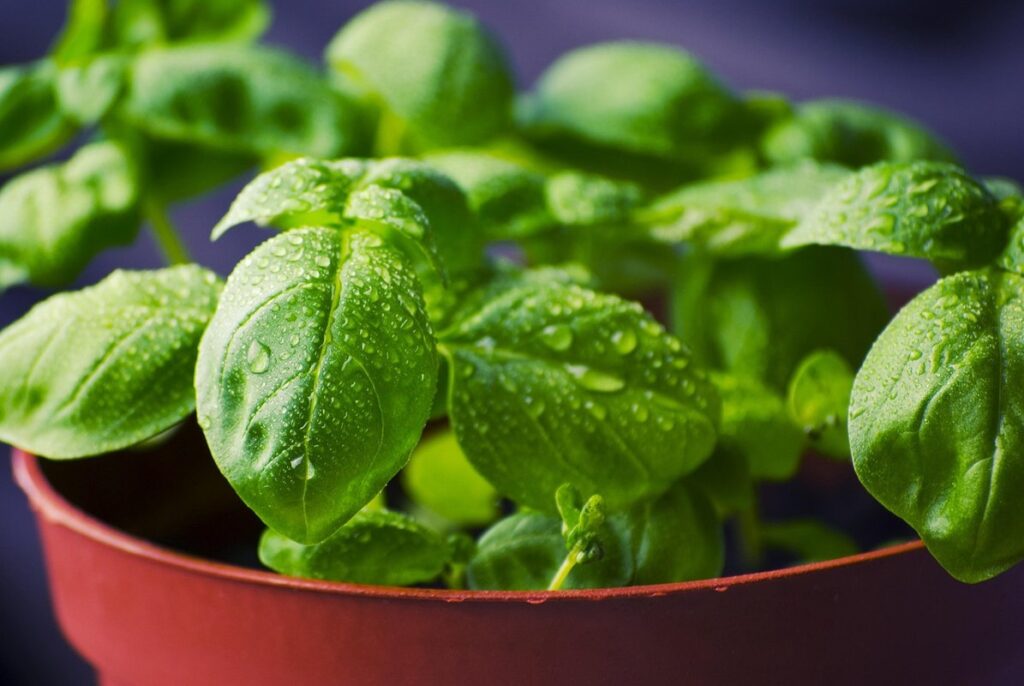
Choosing the Right Variety of Basil
When selecting a basil variety for indoor growing, it’s essential to consider factors such as growth habits, pest resistance, and flavor profiles. This will ensure you choose a type that thrives in your home environment.
Selecting a Compact or Dwarf Variety
When selecting a compact or dwarf variety of basil for indoor growing, it’s essential to choose one that’s specifically bred for this purpose. These varieties have a smaller mature size, typically between 6-12 inches tall, making them perfect for indoor spaces with limited room.
Some popular compact basil varieties include ‘Nana’, ‘Genovese Compact’, and ‘Thai Basil Dwarf’. When shopping for these varieties, look for the keywords “compact” or “dwarf” in their name. This will ensure you’re getting a plant that’s specifically designed to thrive indoors.
Keep in mind that even though these compact varieties are smaller, they still require proper care, including adequate light, water, and nutrients. Make sure to research specific growing requirements for your chosen variety to ensure it receives the right conditions to succeed indoors.
By choosing a compact or dwarf basil variety, you’ll be able to enjoy the benefits of having fresh basil on hand without sacrificing valuable space in your home.
Understanding the Different Types of Basil
When it comes to growing basil indoors, understanding the different types of basil is crucial for success. With so many varieties to choose from, you may be wondering which one is best suited for your indoor space.
There’s sweet basil, the classic and most widely available variety, known for its distinctive flavor and aroma. It’s a popular choice for pesto and caprese salads. Sweet basil prefers well-draining soil and partial shade to full sun. Thai basil, on the other hand, has a more delicate flavor and is often used in Southeast Asian dishes. It requires more humidity than sweet basil and can tolerate partial shade.
Lemon basil adds a bright and citrusy twist to any dish, while purple basil offers a stunning ornamental value with its deep purple leaves. Genovese basil is another popular choice, known for its robust flavor and aroma. When choosing a variety of basil, consider the climate and lighting conditions in your indoor space. Research the specific needs of each type to ensure you can provide optimal care.
Some varieties are more compact or trailing, making them perfect for small pots or hanging baskets. Regardless of which variety you choose, make sure to plant it in well-draining soil with adequate light.
Considering Climate Adaptability
When growing basil indoors, it’s essential to consider climate adaptability. Different climates can significantly impact basil growth, and choosing the right variety for your region is crucial. If you live in a hot and humid climate, such as tropical or subtropical areas, you’ll want to opt for heat-tolerant varieties like ‘Thai Basil’ or ‘African Blue’. These varieties are bred to withstand high temperatures and humidity levels.
In contrast, if you live in a cooler climate with low humidity, like temperate zones, you may prefer compact or dwarf varieties like ‘Genovese’ or ‘Sweet Basil’. These varieties require less heat and light, making them perfect for indoor growing. For those living in areas with mild winters, like Mediterranean climates, ‘Italian Large Leaf’ or ‘Purple Basil’ are excellent choices.
When selecting a variety, remember to check the seed packet or consult with local nurseries for climate-specific recommendations. By choosing the right basil variety for your climate, you’ll be well on your way to enjoying fresh homegrown basil all year round.
Preparing the Potting Mix
Before we dive into planting our basil, let’s talk about creating a potting mix that will give our herb the best chance at thriving indoors. This is where a well-balanced blend comes in handy.
Importance of Well-Draining Soil
When it comes to growing basil indoors, creating an optimal potting mix is crucial for its health and well-being. One key aspect of a good potting mix is its ability to drain excess water efficiently, preventing root rot and promoting healthy roots. Basil plants, like many other herbs, are prone to root rot if the soil becomes waterlogged.
Waterlogged soil can be detrimental to basil’s health as it creates an ideal environment for fungal growth, which can spread quickly and cause significant damage to the plant. A well-draining potting mix helps to prevent this issue by allowing excess water to escape, reducing the risk of root rot and promoting healthy root growth.
To create a well-draining potting mix at home, you can use a combination of perlite or vermiculite and regular potting soil. These additives help to improve drainage without compromising on the nutrients that basil needs to thrive. Aim for a mix that contains between 20-30% of these additives to ensure optimal results.
Adding Organic Matter to the Potting Mix
When adding organic matter to the potting mix for your indoor basil plants, you’re not only enriching the soil’s fertility but also improving its drainage capabilities. This is crucial for basil, which prefers well-draining soil and can be sensitive to waterlogged conditions.
Consider incorporating compost or worm casting into your potting mix. Compost breaks down slowly, releasing nutrients over time, while worm casting provides a more immediate boost of nutrients and microorganisms that benefit the roots. Both options can help reduce the need for synthetic fertilizers, promoting a healthier plant growth cycle.
To incorporate organic matter effectively, start by mixing it with an equal part of potting mix or perlite to prevent compacting the soil. For example, if you’re adding 1 cup of compost, combine it with 1 cup of perlite or potting mix in a separate container before filling your basil plant’s pot. This ensures the organic matter is evenly distributed and doesn’t create an uneven pH level.
Regular addition of small amounts of organic matter can maintain soil fertility and prevent nutrient deficiencies in your indoor basil plants.
pH Balance for Basil
For basil to thrive indoors, it’s essential to understand its preferred pH balance. Basil prefers slightly acidic to neutral soil with a pH range of 6.0-7.0. If the pH level is too high or too low, it can lead to nutrient deficiencies and stunt growth.
To check the pH level of your potting mix, you’ll need a pH meter or testing kit. These tools measure the acidity or alkalinity of the soil based on its electrical conductivity (EC). When using a pH meter, follow these steps: wet the probe according to the manufacturer’s instructions, insert it into the potting mix, and wait for the reading to stabilize.
Most indoor potting mixes have a neutral pH level. However, if you’re using a DIY potting mix or one that contains compost or peat moss, its pH may be higher or lower than expected. To adjust the pH, add dolomitic limestone (for acidic soils) or elemental sulfur (for alkaline soils). Aim for a gradual change, as sudden shifts can harm your basil plant.
A good rule of thumb is to start with a high-quality indoor potting mix and monitor its pH level over time. Basil plants grown in pots with balanced soil will generally require less attention to their nutrient needs and will be more resilient to minor fluctuations in temperature and humidity.
Planting and Transplanting
When it comes time to plant your basil, whether directly into a pot or transplanting from another container, follow these key guidelines for optimal success. Be sure to choose healthy plants.
Sowing Seeds Indoors vs. Direct Sowing
When it comes to growing basil indoors, you have two main options: sowing seeds indoors versus direct sowing. Both methods have their advantages and disadvantages, which we’ll explore below.
Sowing basil seeds indoors allows for more control over the environment and can result in healthier seedlings. You can place them on a sunny windowsill or under grow lights, providing optimal light conditions for germination and growth. Additionally, indoor sowing reduces the risk of pests and diseases that might be present outdoors. However, it requires more time and attention to ensure proper soil temperature, moisture, and humidity levels.
Direct sowing in containers is a faster and more straightforward approach. You can skip the seed starting process altogether and place the seeds directly into a container filled with well-draining potting mix. This method also allows for easier transplanting of established plants to larger pots or outdoors. However, it’s essential to ensure the container has sufficient drainage holes to prevent waterlogged soil.
When choosing between these methods, consider your personal schedule and preferences. If you have limited time or prefer a low-maintenance approach, direct sowing might be the better option. On the other hand, if you’re willing to invest more time in seed care, indoor sowing can provide more control over the growing process.
Transplanting Seedlings into Larger Pots
When it’s time to transplant your indoor basil seedlings into larger pots, you’ll want to do so carefully to avoid disturbing their sensitive roots. This is a critical step in promoting healthy growth and development of your basil plant.
To minimize root disturbance, start by gently removing the seedling from its small pot or cell pack. Hold the seedling by the leaves, rather than the stem, and slide it out slowly. If the seedling is stuck, run a chopstick or similar tool around the inside of the pot to loosen it.
Next, place the seedling in its new pot, making sure the soil level is the same as it was before. Add fresh potting mix, gently firming it around the roots to secure them in place. Water thoroughly to settle the soil and provide enough moisture for establishment.
Some important considerations when transplanting: choose a pot that’s only 1-2 sizes larger than the original one, as this will prevent the soil from becoming too wet or waterlogged. Also, make sure the new pot has good drainage holes to prevent water from collecting in the soil.
Watering Newly Planted Basil
When it comes to newly planted basil, watering is crucial for its survival and healthy growth. Overwatering can lead to root rot and kill the plant, while underwatering may cause stress, stunting its development. To water newly planted basil correctly, you want to mimic the natural rainfall pattern outdoors.
Water your newly planted basil when the top 1-2 inches of soil feels dry to the touch, usually after a few days of being indoors. You can also check by gently sticking your finger into the soil up to the first knuckle. This will give you an idea of how moist the soil is without causing damage.
Water thoroughly but avoid getting water on the leaves to prevent fungal diseases. Instead, direct the flow at the base of the plant. For indoor plants, it’s best to use room temperature water, as cold or hot water can shock the roots.
As a general rule, aim for about 1-2 gallons of water per week, divided into 2-3 sessions. Adjust this amount based on your climate and indoor conditions.
Lighting Requirements
To keep your basil plant thriving indoors, it’s essential to provide it with the right lighting conditions, and we’ll break down the specific requirements you need to follow. This includes the ideal light intensity and duration for optimal growth.
Providing Adequate Light for Indoor Basil
When it comes to providing adequate light for indoor basil, you’ll want to strike a balance between meeting its minimum requirements and giving it enough energy to thrive. Basil needs at least 4-6 hours of direct sunlight per day to grow well, but the ideal scenario is to provide it with bright, indirect light for around 8-12 hours.
If natural light isn’t an option due to limited windows or heavy shading, you can supplement your indoor basil’s lighting needs using LED grow lights. These energy-efficient lights emit a specific spectrum that promotes healthy plant growth and can be adjusted to different intensities.
To give your indoor basil the best chance of success, consider placing it on a south-facing window or under a skylight for optimal natural light exposure. If this isn’t feasible, invest in a high-quality LED grow light that’s specifically designed for indoor gardening. Remember to position the light 6-8 inches above your basil plant to avoid burning its leaves.
When choosing a lighting solution, consider the type of light it emits and its wattage. For example, LED grow lights with a higher lumen output (around 5000-6000 lumens) will provide more intense light for your basil, while those with a lower output (2000-3000 lumens) will be better suited for smaller spaces or seedlings.
Keep in mind that overlighting can lead to weak and leggy stems, so monitor your plant’s response to the lighting conditions and adjust as needed. By providing your indoor basil with the right amount of light, you’ll be rewarded with a healthy, fragrant harvest all year round.
Using Grow Lights for Indoor Basil
Using grow lights for indoor basil can be a game-changer for plant enthusiasts who don’t have access to direct sunlight. These specialized lights provide an intense spectrum of light that’s tailored to promote healthy growth and development in plants like basil.
When choosing grow lights, look for those with a balanced spectrum that includes blue, red, and green wavelengths. This will help your basil plant thrive by promoting photosynthesis and preventing the telltale signs of light stress – yellowing leaves or stunted growth.
One popular option is LED grow lights, which are energy-efficient and emit minimal heat. They’re also often compact and can be placed close to the plants without causing damage.
To maximize the benefits of grow lights, position them about 6-8 inches above the basil plant’s foliage. This will provide an optimal balance between light intensity and heat dissipation.
Balancing Light Intensity with Temperature
When growing basil indoors, it’s essential to strike a balance between light intensity and temperature. Basil plants need bright light to photosynthesize and grow, but too much direct sunlight can cause the leaves to become scorched or discolored.
To achieve the right balance, consider the following tips:
• Monitor your basil plant’s location: Place your basil plant near an east- or west-facing window for gentle, indirect light. Avoid south-facing windows, which receive intense direct sunlight.
• Use grow lights: If you don’t have a suitable window spot, invest in grow lights specifically designed for indoor plants. These can provide the necessary light spectrum and intensity without overheating your basil plant.
Temperature plays a crucial role in balancing light intensity. Keep your basil plant in an area with temperatures between 65°F to 75°F (18°C to 24°C). Avoid placing it near heating vents or radiators, which can cause temperature fluctuations that stress the plant. By balancing light and temperature, you’ll promote healthy growth and prevent common issues like leaf discoloration or stunted growth.
Watering and Humidity
To keep your basil plant thriving indoors, it’s essential to provide the right amount of water and maintain optimal humidity levels around it. This means getting both watering and humidity management just right for a healthy basil plant.
Avoid Overwatering and Underwatering
Overwatering and underwatering are two common mistakes that can be detrimental to basil plants grown indoors. When you overwater, roots rot due to excessive moisture, leading to root decay and fungal diseases. On the other hand, underwatered basil plants may become stressed, and their leaves may turn yellow or wilt.
To avoid these problems, it’s essential to maintain an optimal watering schedule. Check your basil plant every day by inserting a toothpick or skewer into the soil. If the stick comes out dry, water the basil immediately. However, if the stick is still moist, wait another 24 hours before re-checking.
In general, indoor basil plants require more frequent watering during spring and summer months due to warmer temperatures and higher humidity levels. During these seasons, aim to water your basil plant every other day.
Consider using a self-watering pot or a saucer with a built-in reservoir, which will help prevent overwatering by allowing excess moisture to drain into the pan.
Maintaining Proper Humidity Levels
Maintaining proper humidity levels is crucial for indoor basil growth. Basil plants thrive in humid environments, typically between 40-60% relative humidity (RH). If the air is too dry, leaves may become wilted and drop, while excessive moisture can lead to fungal diseases.
To gauge the RH in your space, you can use a hygrometer. For areas with low humidity, you can place the basil plant on a tray filled with water and pebbles or use a humidifier nearby. Conversely, if the air is too humid, ensure good air circulation by opening windows or using fans.
Monitor your plant’s response to these adjustments. If the leaves are still struggling, consider grouping plants together to create a microclimate. This way, you can encourage beneficial transpiration and maintain optimal humidity levels for healthy growth. Remember, basil plants prefer warmer temperatures, so combine these humid conditions with warmth (around 65-75°F) for best results.
Common Pests and Diseases
One of the biggest challenges when growing basil indoors is dealing with pests and diseases that can quickly spread and cause damage to your plant. Keep an eye out for these common issues.
Identifying Common Pests like Aphids, Whiteflies, and Spider Mites
When growing basil indoors, it’s essential to be aware of common pests that can infest your plants and cause damage. Some of the most prevalent pests targeting indoor basil plants are aphids, whiteflies, and spider mites.
Aphids, tiny sap-sucking insects, are often found on new growth, leaves, and stems. They multiply quickly, causing curled or distorted leaves and a sticky substance called honeydew to form on the plant’s surface. To control aphid infestations, isolate infected plants, and use neem oil or insecticidal soap to kill them.
Whiteflies, small winged insects that feed on plant sap, are another common pest affecting indoor basil plants. They lay eggs on the underside of leaves, which hatch into nymphs that suck the plant’s sap. To prevent whitefly infestations, ensure good air circulation around your plants and use yellow sticky traps to capture adult whiteflies.
Spider mites, tiny eight-legged arachnids, feed on plant sap, causing yellowing or bronzing of leaves. They thrive in dry environments and can be controlled by increasing humidity around the plant and using a mild soap solution to kill them.
Regularly inspect your plants for signs of pest infestations, and take action promptly to prevent further damage. Keep your indoor basil plants healthy by maintaining good hygiene practices, such as washing pots and tools regularly, and ensuring optimal growing conditions.
Recognizing and Preventing Root Rot and Other Fungal Infections
One of the most common challenges basil plant owners face indoors is root rot and other fungal infections. These issues can arise when the roots are exposed to excessive moisture, poor air circulation, or contaminated soil. To identify if your basil plant has a fungal infection, look for symptoms such as yellowing leaves, droopy stems, and soft, mushy stems.
Check the soil regularly by sticking your finger into it up to the knuckle. If the soil feels wet or waterlogged, it may be contributing to root rot. Water your basil plant only when the top inch of soil feels dry to the touch. Avoid getting water on the leaves to prevent fungal spores from spreading.
Some common signs of fungal infections include white, cottony growths on the stems and leaves, as well as black or brown spots on the leaves. To prevent these issues, use a sterile potting mix, avoid overwatering, and ensure good air circulation around your plant. By taking these precautions, you can help keep your basil plant healthy and thriving indoors.
Tips for Long-Term Basil Care
Now that you’ve got your basil plant thriving, let’s dive into some valuable tips to keep it healthy and happy long-term. We’ll cover essential care habits to ensure a continuous harvest of fresh flavor.
Pruning Techniques for Encouraging Bushy Growth
Pruning is one of the most crucial aspects of basil care indoors. Regular pruning not only maintains bushy growth but also encourages healthy leaf production and prevents flowering. When you allow your basil plant to grow unchecked, it will eventually start producing flowers instead of leaves. This can be a problem, as flowers divert energy from the leaves, causing them to become weak and sparse.
To encourage bushy growth, prune your basil plant regularly by pinching off flower buds as soon as they appear. You can also trim back the stem tips by about one-third to one-half, making clean cuts just above a node (the point where a leaf meets the stem). This technique helps to control the plant’s height and encourages branching.
Remember to prune your basil plant when it reaches about 6-8 inches in height, or when you notice flower buds forming. Pruning also promotes air circulation around the leaves, reducing the risk of fungal diseases that thrive in humid environments like indoor gardens. With regular pruning, you can enjoy a continuous supply of fresh basil leaves and maintain the health and vigor of your plant.
Feeding Your Indoor Basil Plants
When it comes to feeding your indoor basil plants, providing them with the right nutrients is crucial for optimal growth. A balanced fertilizer will help promote healthy leaves, encourage flowering, and boost the plant’s overall energy levels.
You can use a water-soluble or granular fertilizer that contains a mix of nitrogen (N), phosphorus (P), and potassium (K). Look for a fertilizer with an N-P-K ratio of 20-20-20. This will provide your basil plants with equal amounts of nitrogen, phosphorus, and potassium.
To fertilize your indoor basil plants, start by diluting the fertilizer in water according to the manufacturer’s instructions. Then, use the solution to water your plants once a week. You can also mix 1 teaspoon of balanced fertilizer with 1 gallon of water as an alternative.
Some examples of popular balanced fertilizers for indoor plants include Miracle-Gro Indoor Plant Food and Schultz All Purpose Plant Food. Be sure to follow the instructions on the label and adjust the frequency of fertilization based on your plant’s specific needs.
Keep in mind that over-fertilizing can be detrimental to your basil plants, so it’s essential to monitor their response to fertilizer and adjust accordingly.
Frequently Asked Questions
How often should I prune my indoor basil plant to encourage bushy growth?
Prune your indoor basil plant every 1-2 weeks to maintain a bushy shape and promote healthy growth. Remove any flower buds that form, as they can divert energy from leaf production. Pinch off the top sets of leaves to encourage branching.
Can I use tap water for my indoor basil plants, or should I use filtered water?
While tap water is convenient, it may contain high levels of minerals and chlorine that can harm your basil plant. Consider using filtered water or letting tap water sit overnight to allow some of these impurities to dissipate.
How do I prevent root rot in my indoor basil plant, especially when using a well-draining potting mix?
Root rot is more common in plants grown in containers with poor drainage. To prevent it, ensure your pot has sufficient drainage holes and avoid overwatering. Check the roots regularly by gently removing the plant from its pot; if you notice any signs of root rot, treat the affected area with a fungicide.
Can I propagate my indoor basil plant using stem cuttings, or should I start from seeds?
Both methods are effective for propagating basil. However, stem cuttings tend to produce plants that retain their varietal characteristics more accurately. Take 4-6 inch long stem sections, remove lower leaves, and plant them in a moist potting mix with a clear plastic bag covering the pot.
How do I know if my indoor basil plant is receiving sufficient light, especially when using grow lights?
Check your plant’s color and growth habits to determine if it’s getting enough light. Basil plants exposed to direct sunlight or high-intensity grow lights will typically have darker green leaves and a more compact growth habit. If you notice any discoloration or stretching, adjust the lighting accordingly.