
When growing plants indoors with LED grow lights, one crucial aspect to get right is the optimal distance between your lights and delicate seedlings. Too close, and you risk burning those tender shoots; too far away, and they may not receive enough light for healthy growth. As a beginner or experienced grower, it’s easy to make mistakes that can impact your harvest.
But don’t worry – we’ve got you covered! In this article, we’ll explore the factors influencing optimal grow light distance from seedlings, including considerations like plant type, light intensity, and growing stage. We’ll also provide best practices for placing grow lights to ensure your seedlings receive the right amount of light without being scorched. By following these guidelines, you can promote healthy growth and avoid common issues that may hinder your plants’ development.
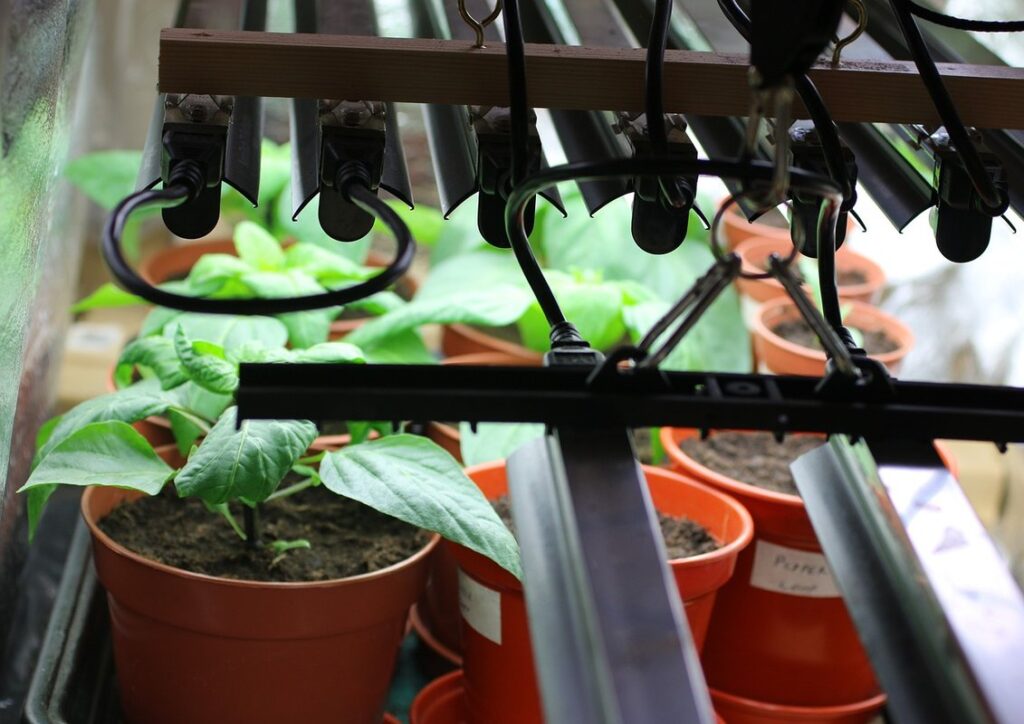
Understanding Grow Light Intensity
To get the most out of your grow lights, it’s essential to understand how intensity affects seedling growth and what you can do to optimize light output. Let’s dive into the science behind grow light intensity.
Types of Grow Light Intensities and Their Effects
When it comes to grow lights distance from seedlings, understanding the type of light intensity is crucial for optimal growth. Grow light intensities are typically categorized into three main types: low, medium, and high.
Low-intensity grow lights (around 1-2 watts per square foot) are ideal for seedlings in their initial stages or for plants that require a more gentle light spectrum. This type of lighting promotes healthy root development and prevents scorching. On the other hand, high-intensity grow lights (4-6 watts per square foot) are best suited for mature plants or those requiring intense light conditions.
To measure light intensity, you can use a lux meter, which provides an accurate reading in lumens per square meter. For example, if your seedling requires 20000-30000 lumens/m2, you can adjust the distance accordingly to achieve this level of light intensity.
It’s essential to monitor and adjust the light intensity to prevent damage or stunted growth. With practice, you’ll be able to determine the perfect light intensity for your specific plants and grow lights setup.
Factors Influencing Optimal Distance for Seedlings
When choosing the optimal distance between grow lights and seedlings, several factors come into play. The type of plant species is one crucial consideration. For example, delicate herbs like basil and mint require closer placement to grow lights, typically within 6-8 inches. On the other hand, larger plants such as tomatoes and peppers can tolerate distances up to 2-3 feet away from the light source.
The age and growth stage of seedlings also impact optimal distance. Seedlings that are just beginning to sprout may need more direct light, whereas older seedlings with developed leaves might require less intense illumination. As a general rule, seedlings under 1 inch tall can benefit from being placed closer to grow lights, around 4-6 inches away.
In addition to plant species and growth stage, other factors such as the type of grow light used also influence optimal distance. For instance, LED grow lights tend to be more energy-efficient and produce less heat than HPS lights, allowing for closer placement to seedlings without causing burning or damage.
Determining the Ideal Grow Light Height
To determine the ideal grow light height for your seedlings, you’ll need to consider their age and growth stage, as well as the type of plants being grown. This section will walk you through the factors to keep in mind.
Measuring Plant Height and Leaf Spacing
Measuring plant height and leaf spacing is crucial to determine the ideal grow light height. In a controlled environment like an indoor garden, plants can grow rapidly without the constraints of natural sunlight. As they mature, their leaves may stretch upwards towards the light source, potentially causing burning or scorching. To avoid this, you need to measure plant height and leaf spacing regularly.
Use a ruler or measuring tape to record the plant’s growth on a daily or weekly basis. For leaf spacing, count the number of leaves per inch or centimeter along the stem. This will give you an idea of how densely packed the foliage is. As plants grow, adjust the grow light height accordingly to prevent damage.
Typically, seedlings require more intense lighting, so maintain them 6-12 inches (15-30 cm) below the recommended height for mature plants. Consider using adjustable arms or chains on your grow lights to easily move them as needed.
Calculating Optimal Distance for Different Plant Types
When it comes to calculating the optimal distance for different plant types under grow lights, understanding their unique characteristics is crucial. Leafy greens like lettuce and kale prefer a closer distance to promote lush growth and tender leaves. For these plants, maintain a distance of 6-8 inches between the light source and the top of the seedlings.
Herbs such as basil and mint also thrive at close proximity to grow lights, typically within 8-10 inches. This allows for optimal photosynthesis and encourages bushy growth.
Flowering plants like tomatoes and peppers require more space to mature properly. For these varieties, maintain a distance of 12-18 inches between the light source and the top of the seedlings. This ensures that they receive sufficient light without overheating or becoming scorched.
To calculate optimal distance for your specific plant type, consider factors such as plant height, growth rate, and light intensity requirements. Research the ideal growing conditions for each variety to make informed decisions about grow light placement.
Effects of Incorrect Grow Light Distance
When you place grow lights too close to your seedlings, it can cause more harm than good. This section will explore the negative effects on plant growth and health when the distance is off.
Stunted Growth and Reduced Yield
When plants are exposed to grow lights at an incorrect distance, it can lead to stunted growth and reduced yield. This is because the optimal spectrum and intensity of light for seedlings are not being met, causing the plant’s cells to divide more slowly or not at all.
One common issue is when grow lights are placed too close to the plants, causing scorching and damage to the leaves. This can happen if you’re using high-intensity LED grow lights without a diffuser or reflector. On the other hand, placing grow lights too far away from seedlings results in weak and spindly growth.
In both cases, the plant’s ability to produce flowers is severely impacted. Flower production is often reduced due to insufficient light energy being absorbed by the leaves, which leads to stunted growth. For example, if your seedling has not reached a height of at least 6-8 inches before flowering, it may not have enough energy to produce quality blooms.
To avoid these issues, ensure that you’re keeping your grow lights at an optimal distance from seedlings based on their age and type. Research the recommended distances for different types of plants and adjust your setup accordingly.
Increased Energy Consumption and Heat Stress
When grow lights are placed too close to seedlings, it can lead to increased energy consumption and heat stress. This is because plants don’t have the same cooling mechanisms as humans, so they rely on evapotranspiration – the process by which water is transported through a plant and then evaporates from its leaves.
As a result, when a grow light is too close, the temperature under the light can rise significantly, causing the plant to lose more moisture than it’s able to absorb. This can lead to heat stress, characterized by wilting, yellowing of leaves, or even complete leaf drop.
To mitigate these issues, reduce the distance between the grow light and seedlings over time. Start with a closer placement (around 12-18 inches) and gradually move the light up to its final position (usually around 24-36 inches). Monitor your plants’ responses, adjusting as needed to find the optimal balance.
Additionally, consider using LED lights or those specifically designed for close-growing applications, which tend to produce less heat than traditional HPS lamps. By paying attention to grow light placement and plant response, you can prevent increased energy consumption and heat stress in your seedlings.
Best Practices for Placing Grow Lights
When it comes to placing grow lights, a few simple yet crucial steps can make all the difference in promoting healthy growth and maximizing your yields. Let’s dive into some best practices for optimal placement.
Positioning Grow Lights for Even Coverage
When positioning grow lights to ensure even coverage of seedlings, it’s essential to consider two critical factors: rotation and angle adjustments. A straightforward approach is to rotate the light 90 degrees every few days to avoid creating hotspots and promote uniform growth.
To achieve this, start by placing the grow light directly above the seedlings at a 45-degree angle. As the plants grow, adjust the angle of the light to about 20-30 degrees to prevent scorching. This is particularly crucial for young seedlings that are more susceptible to damage from intense light.
Regular rotation also helps prevent leaf bleaching and promotes healthy growth patterns. For example, if you’re using a horizontal grow light setup, rotate it so that the light source moves across the plant’s canopy every 3-4 days. This will ensure even coverage and minimize the risk of under- or over-exposure to light.
By implementing these simple yet effective strategies, you can create an ideal growing environment for your seedlings, promoting strong growth and healthy development from the very start.
Regularly Monitoring and Adjusting Distance
As your seedlings grow and develop, it’s crucial to regularly monitor their progress and adjust the distance of your grow lights accordingly. This may seem obvious, but many growers neglect to do so, which can lead to weak or spindly plants that struggle to reach their full potential.
To track your plant’s growth, start by taking regular measurements of its height and leaf spread. You can use a ruler or measuring tape for this purpose. Additionally, keep an eye on the color and texture of your leaves – as plants grow, they often become greener and more robust in appearance.
When it comes to adjusting the distance of your grow lights, look for signs that your plants are receiving too much or too little light. If you notice yellowing or browning leaves, it may be a sign that your lights are too intense, while pale or weak growth can indicate insufficient lighting. To make adjustments, simply raise or lower the lights by 1-2 inches (2.5-5 cm) at a time and observe the effects over the next few days. This will help you find the optimal distance for your specific plants and grow space.
Special Considerations for Hydroponics and Indoor Gardens
When growing hydroponically or indoors, you’ll want to be aware of some special considerations that impact your grow lights distance from seedlings. This can affect plant growth significantly.
Unique Challenges in Indoor Growing Environments
Growing plants indoors can be a rewarding experience, but it also comes with its unique set of challenges. One of the biggest hurdles is limited space, which can lead to overcrowding and competition for resources among seedlings. To combat this issue, consider using vertical gardening techniques or trellises to maximize your growing area. This not only saves floor space but also promotes air circulation, reducing the risk of fungal diseases.
Another challenge indoor growers face is variable lighting conditions. Unlike outdoor environments where sunlight is abundant and consistent, indoor spaces often have limited natural light, making artificial lighting a necessity. However, this can be tricky to manage, as seedlings require specific light spectrums and intensities during different stages of growth. For instance, young seedlings need more diffuse light to prevent burning, while mature plants may benefit from higher intensity lights for optimal photosynthesis.
In the next section, we’ll dive into the specifics of grow lights distance from seedlings, exploring how to choose the right light and placement strategy to support your indoor garden’s unique needs.
Adapting Grow Light Distance for Hydroponic Systems
When it comes to hydroponic systems, adjusting grow light distance is crucial for optimal growth and health of plants. One key factor to consider is water temperature – if the water is too cold or too hot, it can affect photosynthesis and nutrient delivery. As a general rule, keep your grow lights at least 12-18 inches above the water surface to prevent overheating and promote healthy root development.
When adjusting the distance, also take into account the type of nutrients being delivered. For example, if using a nutrient-rich solution, you may need to increase the light distance to prevent burning or promoting excessive growth. On the other hand, if using a balanced formula, a closer proximity (12-18 inches) can encourage healthy growth.
A good starting point is to monitor your plants’ responses to different light distances and adjust accordingly. Keep in mind that hydroponic systems often require more precise control over temperature and lighting compared to traditional soil-based gardens. By paying attention to these factors, you’ll be able to create an optimal growing environment for your plants and achieve maximum yields.
Troubleshooting Common Issues with Grow Light Placement
When using grow lights for your seedlings, you might encounter some issues that can hinder their growth. This section will help you troubleshoot common problems related to placement and distance.
Identifying and Resolving Grow Light-Related Problems
When it comes to grow light placement, there are several common issues that can arise if not addressed properly. Inconsistent lighting patterns and heat buildup are two major concerns that can significantly impact seedling growth.
Inconsistent lighting patterns can be a result of an improper distance between the grow lights and seedlings. If the distance is too close, it may cause hot spots or areas with intense light, while leaving other areas in shade. Conversely, if the distance is too far, the seedlings may not receive enough light to undergo photosynthesis effectively.
To troubleshoot inconsistent lighting patterns:
* Monitor the seedling’s response to the current grow light placement
* Check for signs of burning or discoloration due to excessive heat
* Measure and adjust the grow light distance from the seedlings accordingly
Heat buildup can also be a problem, particularly with high-intensity LED grow lights. This can lead to scorched leaves, reduced growth rates, and even kill seedlings.
To resolve heat buildup:
* Ensure proper ventilation in the growing area
* Monitor temperature levels using thermometers or sensors
* Use reflective materials like Mylar or aluminum foil to direct heat away from seedlings
Regularly inspect your grow light setup for any signs of these issues. Be prepared to adjust and fine-tune as needed to ensure optimal growth conditions. By doing so, you can help prevent stress-related problems and maximize the effectiveness of your grow lights.
Conclusion: Mastering the Optimal Grow Light Distance for Your Seedlings
In conclusion, mastering the optimal grow light distance for your seedlings requires patience, observation, and flexibility. By following the guidelines outlined in this guide, you’ll be able to determine the perfect distance for your specific setup and needs. Remember that it’s essential to check on your seedlings regularly, adjusting the light distance as necessary to prevent burning or under-illumination. For example, if you notice any signs of scorching or yellowing leaves, move the lights further away. Conversely, if you see weak or leggy growth, it may be a sign that the lights are too far away.
Ultimately, achieving the optimal grow light distance will depend on various factors, including your lighting system, plant species, and growing environment. By paying attention to these variables and making adjustments accordingly, you’ll be well on your way to creating an ideal environment for your seedlings to thrive.
Frequently Asked Questions
How do I know if my seedlings are receiving the right amount of light without burning them?
Start by regularly monitoring your seedlings’ response to the grow lights, looking for signs of burning or scorching. If you notice any damage, adjust the distance between the lights and your plants accordingly. You can also use a lux meter to measure the light intensity at different distances.
Can I use the same grow light distance for all types of plants?
No, the optimal grow light distance varies depending on the plant type, its growing stage, and the desired outcome (e.g., seedlings, flowering, or fruiting). Different plants have unique requirements for light intensity, duration, and spectrum. Research specific guidelines for your plant species to ensure you’re providing the right amount of light.
How often should I adjust the grow light distance as my plants grow?
Adjust the grow light distance regularly as your plants grow, ideally every 1-2 weeks during the seedling stage. This ensures that your plants continue to receive the optimal amount of light for their growth phase. Keep an eye on your plant’s height and leaf spacing to determine when adjustments are needed.
Can I use a timer for my grow lights, or do I need to monitor them continuously?
You can use a timer for your grow lights, but it’s essential to check on the plants periodically to ensure they’re not receiving too much or too little light. A timer allows you to automate lighting schedules, making it easier to manage your indoor garden while ensuring optimal plant growth.
How do I prevent heat stress in my plants due to close proximity to the grow lights?
To minimize heat stress, ensure good air circulation around your plants and keep a safe distance between the lights and the plants. Use reflective materials or shading techniques to direct light away from the plants’ leaves, reducing heat buildup. Monitor temperature readings near the plants to prevent overheating.