
When it comes to growing seedlings under LED or HPS lights, getting the optimal grow light distance just right can make all the difference. Too close, and you risk burning those delicate young leaves; too far away, and growth becomes stunted. It’s a fine balance that requires some experimentation, but with the right guidance, you’ll be on your way to increasing yields and reducing energy consumption.
In this comprehensive guide, we’ll dive into the world of grow light distance for seedlings, exploring how to promote healthy growth while maximizing your harvest. We’ll discuss the key factors to consider when determining the ideal distance between your lights and young plants, including the type of lighting you’re using, plant density, and growth stages. By the end of this article, you’ll have a solid understanding of how to optimize grow light distance for seedlings, taking your growing operations to the next level.
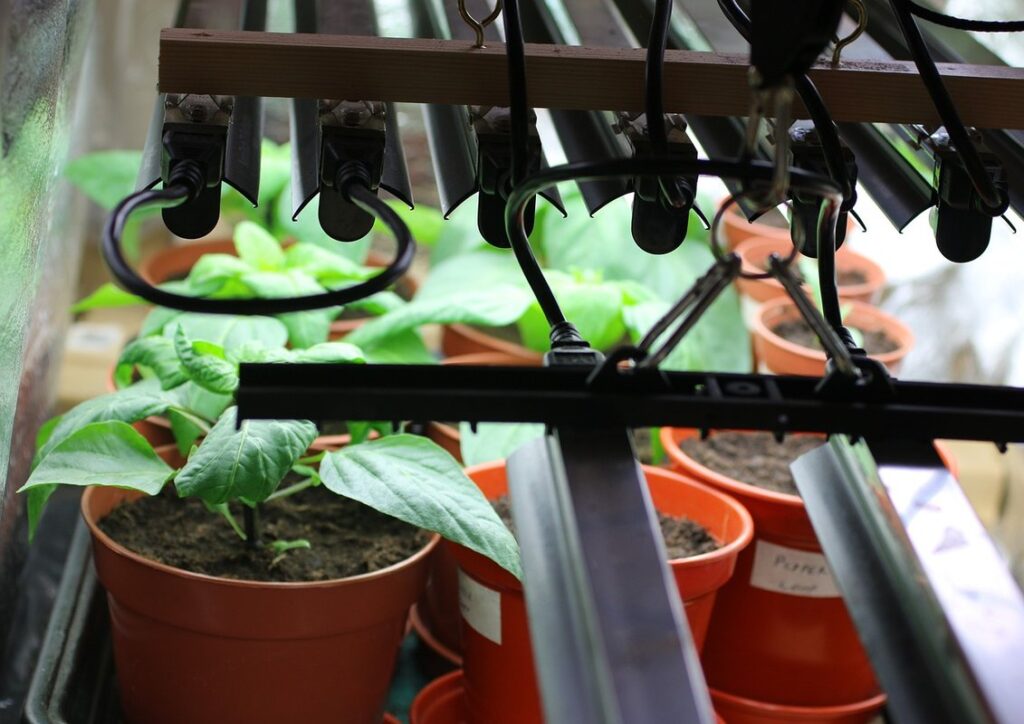
Understanding the Importance of Grow Light Distance
Now that you know how to choose the right grow light for your seedlings, it’s time to focus on a crucial aspect: understanding the importance of maintaining an optimal distance between your plants and their growing lights. In this section, we’ll explore why grow light distance matters.
Benefits of Proper Grow Light Distance
Maintaining an optimal grow light distance for seedlings is crucial for their health and productivity. One of the significant benefits of proper grow light distance is increased yields. When seedlings receive the right amount of light, they’re able to photosynthesize efficiently, leading to faster growth rates and healthier plants. In fact, studies have shown that optimizing grow light distance can increase crop yields by up to 25%.
Another advantage of proper grow light distance is reduced energy consumption. If your lights are too close or too far away from the seedlings, you may end up wasting energy on unproductive lighting. By finding the sweet spot, you can minimize energy waste and save money on your electricity bill.
Proper grow light distance also has a direct impact on plant health. When plants receive too much light, they can become scorched or develop light-induced stress, which can weaken their immune systems and make them more susceptible to pests and diseases. On the other hand, seedlings that receive insufficient light may become leggy or stretched out, making them more vulnerable to damage. By keeping your grow lights at an optimal distance, you can promote healthy growth and prevent these issues from arising.
Risks of Inadequate Grow Light Distance
When grow light distance is inadequate, seedlings can suffer from stunted development, weakened immune systems, and decreased productivity. This is because insufficient light can lead to an imbalance of essential nutrients, including chlorophyll, which is crucial for photosynthesis.
Insufficient light can also increase the risk of fungal diseases in seedlings, as their natural defense mechanisms are weakened. For instance, a study on indoor-grown lettuce found that plants exposed to 12-18 inches of distance from LED grow lights had significantly lower resistance to powdery mildew than those grown at optimal distances.
To avoid these issues, ensure that your grow light is positioned at the recommended height for your specific seedling variety. A general rule of thumb is to start with a distance of around 6-12 inches and adjust as needed based on the plant’s growth rate. Regular monitoring of seedlings’ responses to different light distances can also help you fine-tune their care for optimal growth and development. By paying attention to grow light distance, you can prevent common pitfalls and promote healthy, thriving seedlings.
Measuring Grow Light Distance: Key Factors to Consider
When it comes to measuring grow light distance, there are several key factors to consider for optimal plant growth. Let’s break down these essential considerations together.
Measuring Distance from Seedlings to Grow Lights
When it comes to measuring the distance between grow lights and seedlings, accuracy is crucial for optimal plant growth. You can’t simply eyeball it; you need a reliable method to ensure the right amount of light is reaching your plants without causing damage.
To start, grab a caliper or ruler, as these are the most precise tools for measuring distance in this context. Measure from the center of each grow light fixture to the soil level where the seedlings will be placed. This will give you an accurate reading on the distance between the light source and the plant’s growing area.
For example, if your grow lights are 12 inches apart, but you measure that the seedlings need at least 10-12 inches of space from the light source to avoid burning, you’ll want to adjust the fixture accordingly. You can do this by moving it further away or using a diffuser to spread out the light more evenly.
Make sure to take multiple measurements and average them for an accurate reading. This will give you peace of mind knowing your seedlings are receiving just the right amount of light to thrive.
Accounting for Grow Light Type and Intensity
When selecting a grow light for seedlings, it’s essential to consider not only its intensity but also its type. Different types of grow lights have varying spectral output and heat emission profiles, which can impact optimal growing distances.
For instance, LED grow lights are known for their high PAR (photosynthetic active radiation) values and energy efficiency. Due to their cool operation, they can be placed as close as 6-8 inches above the seedlings without causing burning or scorching. In contrast, HPS (High Pressure Sodium) grow lights produce more heat and have a broader spectrum, requiring a growing distance of around 12-18 inches.
Fluorescent grow lights fall somewhere in between, with optimal distances ranging from 10-14 inches. While these considerations can be made based on the manufacturer’s specifications, it’s also crucial to factor in your specific setup and seedling density when determining the ideal growing distance for your LED, HPS, or fluorescent grow light.
Factors Affecting Optimal Grow Light Distance
When choosing the right distance for your grow lights, several factors come into play that can impact seedling growth and development. Let’s explore these crucial elements together.
Plant Species and Growth Stage
The ideal grow light distance for seedlings can vary significantly depending on the plant species and growth stage. When it comes to delicate seedlings, a closer proximity to the grow lights is often necessary to provide enough light energy for photosynthesis. For example, lettuce and herbs like basil and mint thrive in distances as close as 6-8 inches from the grow lights.
On the other hand, cuttings and young plants require slightly more space to accommodate their expanding root systems and developing leaves. Aim for a distance of around 12-18 inches from the grow lights for these stages. As your plants mature, they will begin to stretch towards the light source, so it’s essential to adjust the distance accordingly.
For mature plants, you can generally move them back by another 6-12 inches, depending on their specific needs and growth habits. For instance, flowering plants like tomatoes and peppers may require more intense light, while leafy greens like kale and spinach prefer milder conditions. By understanding your plant species’ unique requirements, you can fine-tune the grow light distance for optimal growth and development.
Environmental Conditions (Temperature, Humidity)
When it comes to optimal grow light distance, environmental conditions such as temperature and humidity play a crucial role. Temperature affects seedling growth by influencing photosynthesis rates and water loss through transpiration. For most seedlings, an ideal temperature range is between 65°F to 75°F (18°C to 24°C), with some species tolerating temperatures up to 85°F (29°C). Conversely, extreme temperatures can hinder growth or even kill sensitive plants.
Humidity levels also impact grow light distance by influencing plant water retention. If the air is too dry, seedlings may struggle to absorb moisture, leading to reduced growth rates. On the other hand, extremely high humidity can lead to fungal diseases and root rot. To manage these conditions, maintain a humid microclimate around your plants using a propagation tray or misting system.
Monitor temperature and humidity levels in your growing space to ensure they fall within optimal ranges for your specific seedlings.
Growing Techniques for Achieving Optimal Distance
To get the best results from your grow lights, you’ll want to understand how to position them just right. Let’s explore some growing techniques that guarantee optimal distance for seedlings.
Adjusting Grow Light Heights and Angles
Adjusting grow light heights and angles is crucial for seedlings as they require tailored care to prevent burning or weak growth. To begin, place the grow lights at a height that allows them to be within 6-8 inches of the seedling’s leaves. As seedlings grow, adjust the lights upwards by about an inch every 1-2 weeks to maintain optimal growing distance.
Consider the type of plants you’re growing: seedlings prefer gentle light, whereas young fruiting plants require more intense illumination. Be aware that different plant species have unique light requirements; research your specific variety to ensure proper care.
To achieve the right angle, experiment with adjusting the grow lights’ positioning relative to the seedling’s growth direction. Aim for a 90-degree angle between the light source and the leaf tips to promote even growth and prevent stretching. Monitor your seedlings closely, making adjustments as needed to maintain optimal growing conditions.
Using Reflectors or Domes
When using grow lights for seedlings, maintaining an optimal growing distance is crucial for healthy growth. However, this can be a challenge due to the need for direct light and space constraints. One effective way to focus light and maintain a consistent growing distance is by using reflectors or domes.
Reflectors are designed to redirect light back onto plants that may not be receiving enough direct light. By positioning them around your grow lights, you can create a more efficient growing environment with reduced shadowing. Domes, on the other hand, are transparent or translucent covers that fit over your grow lights to prevent stray light from escaping and maintain an optimal distance.
Using reflectors or domes can have several benefits for seedlings under grow lights. They help increase the overall intensity of light available for plants while reducing energy loss. This is particularly useful in small spaces where every bit of light counts. Moreover, by maintaining a consistent growing distance, you can promote even growth and minimize hotspots that may damage your plants.
To get the most out of reflectors or domes, consider the following:
* Position them at an angle to maximize redirected light
* Adjust their placement as needed to avoid blocking air circulation around your plants
* Clean them regularly to maintain optimal performance
Troubleshooting Common Issues Related to Grow Light Distance
When dealing with common issues related to grow light distance, it’s essential to troubleshoot effectively to avoid stressing your seedlings and affecting their growth potential. Let’s explore some practical solutions together!
Insufficient Lighting: Signs and Solutions
When grow lights are too far from seedlings, it can lead to insufficient lighting, stunting plant growth and development. Common signs of inadequate light distance include pale leaves, weak stems, and reduced leaf density. If you notice these symptoms, inspect the grow light setup immediately.
Verify the recommended grow light distance for your specific light fixture, as overestimating this distance can significantly impact plant health. A general rule of thumb is to maintain a distance of 12-24 inches between seedlings and grow lights, depending on the type and intensity of the light. For example, LED grow lights typically require closer spacing than HPS (high-pressure sodium) lights.
If you’ve confirmed your grow light is too far away, adjust its position or add additional lighting to compensate. Consider using supplemental lighting options like fluorescent strips or COBs to bridge gaps in coverage. Monitor your plants’ response and make adjustments as needed to ensure optimal growth.
Overheating and Over-lighting Risks
When it comes to grow light distance and seedling growth, there are two critical risks to be aware of: overheating and over-lighting. These issues can arise when the intensity of the grow light is too high or when it’s placed too close to the plants.
Overheating occurs when the heat emitted by the grow light exceeds a plant’s tolerance level. This can cause leaves to wilt, become scorched, or even drop off. On the other hand, over-lighting happens when seedlings are exposed to excessive light energy, leading to sunburned or bleached-out leaves. To put this into perspective, consider that most young seedlings require about 12-14 hours of moderate light per day.
To mitigate these risks, it’s essential to monitor your grow lights and seedlings closely. A good rule of thumb is to start with a lower intensity setting and gradually increase it as the plants mature. Additionally, ensure you’re using a high-quality grow light specifically designed for young seedlings, rather than repurposing an old light intended for more mature plants. Regularly inspect your plants for signs of distress, such as leaf discoloration or stunted growth, and adjust your setup accordingly.
Optimizing Grow Light Distance in Small-Scale and Commercial Operations
When working with grow lights, getting the distance just right can make a big difference for your plants – let’s dive into optimizing it for both small-scale and large commercial operations.
Application in Home Gardens and Indoor Spaces
When setting up grow lights for your home garden or indoor growing space, it’s essential to optimize the distance between the light source and your seedlings. This will ensure that your plants receive the right amount of light to promote healthy growth.
In a small home garden, consider using LED grow lights with adjustable arms to make it easy to adjust the distance as needed. For example, you can start with a distance of 12-18 inches for young seedlings and gradually increase it to 24-36 inches as they mature.
When growing indoors, take advantage of vertical space by mounting your grow lights on walls or from ceilings. This will not only save floor space but also allow for optimal light distribution. To prevent overheating, ensure that there’s a minimum of 2-3 feet between the light and any nearby surfaces.
Remember to monitor your plants’ response to the light distance and adjust it accordingly. With practice and experimentation, you’ll find the perfect balance for your specific grow space.
Scaling Up to Large-Scale Commercial Operations
As your operation grows from small-scale to large-scale commercial, maintaining optimal grow light distance becomes increasingly crucial. Not only does it ensure consistent growth and yields, but also helps you streamline production processes and reduce waste.
To implement this efficiently on a larger scale, consider the following strategies:
* Divide your operation into zones: Segment your grow space into smaller areas based on plant type, age, or growth stage. This allows for tailored light distances in each zone, minimizing light loss and ensuring optimal growth.
* Invest in efficient grow light systems: Choose lighting solutions that cater to large-scale operations, such as LED grow lights with adjustable spectrum and intensity controls. These systems can be programmed to maintain precise light levels across the entire area.
* Regularly monitor and adjust: Implement a monitoring system to track temperature, humidity, and light levels in real-time. Adjust your light distances accordingly based on data-driven insights, ensuring optimal growth for each zone.
By adopting these strategies, you’ll be able to maintain optimal grow light distance throughout your commercial operation, supporting healthy plant growth and maximizing yields.
Conclusion: Achieving Optimal Grow Light Distance for Seedlings
Now that you’ve learned how to position and adjust your grow light, it’s time to focus on the final piece of the puzzle: achieving optimal growth. Let’s wrap up this guide by discussing the importance of distance in seedling development.
Recap of Key Takeaways
To achieve optimal plant growth with seedlings, it’s essential to grasp the importance of grow light distance. By now, you’ve learned that using the correct distance between the light source and your plants can significantly impact their development.
In our guide, we emphasized that placing grow lights too close to seedlings can cause scorching and reduced yields. Conversely, keeping them at a safe distance can prevent growth stunting due to insufficient light intensity. This delicate balance is crucial for promoting healthy roots, leaf expansion, and overall seedling growth.
Key takeaways from our discussion include the significance of LED grow lights’ wattage and lumens output when choosing the right light source. We also highlighted the importance of adjusting the distance based on your specific setup’s conditions, such as the type of plants and available growing space. By incorporating these factors into your grow light strategy, you’ll be well-equipped to provide your seedlings with an optimal environment for development.
Incorporating these findings will ensure that your young plants receive just the right amount of light to promote balanced growth without any negative effects.
Future Directions and Recommendations
As we conclude our comprehensive guide to optimal grow light distances for seedlings, it’s essential to consider future directions and recommendations for continued research. While significant progress has been made in understanding the impact of distance on plant growth, there is still much to be explored.
One area worthy of further investigation is the effect of grow light distance on specific plant varieties. Different species exhibit varying sensitivity to light intensity, making it crucial to tailor optimal distances for each type. For instance, some plants like lettuce and herbs require more precise light management due to their delicate nature. Further research could provide growers with more tailored guidelines for achieving peak performance in various crops.
Another area of investigation should focus on the interaction between grow light distance and other environmental factors such as temperature, humidity, and CO2 levels. Understanding how these variables interact will allow us to create more comprehensive models predicting optimal growth conditions.
Frequently Asked Questions
What if I don’t have a thermometer to measure temperature? Can I still optimize grow light distance?
You can still estimate the optimal temperature for your seedlings by using an online plant care guide or consulting with a local nursery expert. Keep in mind that most seedlings prefer daytime temperatures between 65-75°F (18-24°C) and nighttime temperatures around 55-65°F (13-18°C). Use this as a starting point to adjust the grow light distance.
How often should I check and adjust the grow light height for optimal seedling growth?
Regularly inspect your plants every 1-2 weeks, taking note of their growth rate and any signs of stress or nutrient deficiencies. Adjust the grow light height accordingly, keeping in mind that seedlings typically require more intense lighting as they mature.
Can I use a single LED grow light for multiple rows of seedlings?
Yes, but be aware that this may lead to inconsistent growth rates due to varying light intensities across each row. Consider using a larger or multiple smaller lights to maintain uniform coverage and prevent hotspots.
What’s the best way to handle plants that are growing unevenly under the grow lights?
Assess whether the issue is due to inadequate lighting, temperature fluctuations, or pests. Make adjustments accordingly, such as adjusting the light height, monitoring temperature, or treating for pests. If issues persist, consider rotating your seedlings to ensure even growth.
Can I use reflectors or domes with any type of grow light?
No, not all grow lights are compatible with reflectors or domes. Check the manufacturer’s instructions and recommendations before using these accessories, as they can sometimes cause more harm than good. Some LED grow lights may have built-in diffusers or lenses that should be used instead.