
Are you struggling to keep your indoor lemon tree healthy and thriving? One of the most crucial factors in its success is providing optimal lighting. Lemon trees, like many citrus varieties, require specific light conditions to grow well indoors. Unfortunately, this can be a challenge, especially if you’re new to caring for plants or have limited natural light. In this article, we’ll explore the world of indoor lights and show you how to select the right fixtures and adjust settings for maximum growth. From troubleshooting common issues like yellowing leaves to maintaining a balanced growing environment, we’ve got expert tips to help your lemon tree flourish indoors. Whether you’re a seasoned gardener or just starting out, this guide is perfect for anyone looking to give their citrus plant the best chance at success.
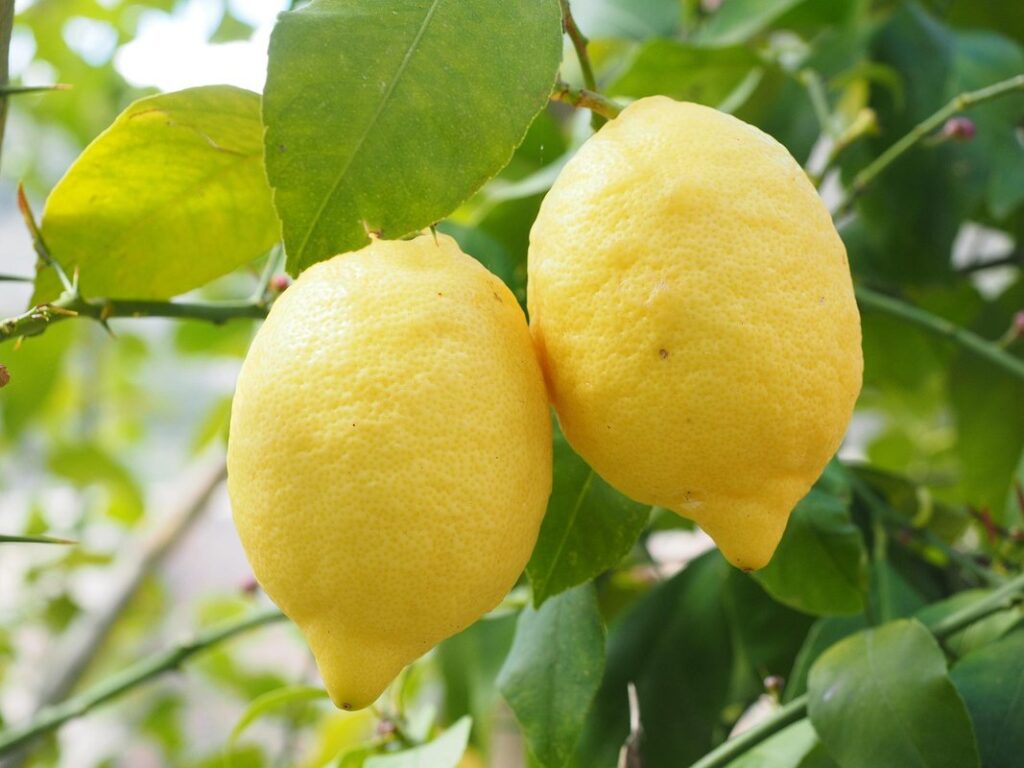
Benefits of Proper Lighting for Lemon Trees
Having proper lighting is crucial for your lemon tree’s health and productivity, and we’ll explore how it can positively impact fruit yield and overall growth. Let’s dive into the benefits of correct illumination!
Understanding the Importance of Light Intensity
Light intensity plays a crucial role in determining the overall health and productivity of your lemon tree. Lemon trees require sufficient light to undergo photosynthesis, which is essential for plant growth and development. In fact, citrus trees like lemons have been found to exhibit increased yields when exposed to high light intensities.
When it comes to indoor lighting, you’ll want to ensure that your lemon tree receives the right amount of photons to support its growth. Too little light can lead to stunted growth, weak roots, and reduced fruit production, while too much light can cause scorching or bleaching of leaves. Aim for a balance by providing 12-14 hours of light per day.
In terms of specific light intensity, aim for a range between 20,000-40,000 lux. This is equivalent to placing your lemon tree about 2-3 feet away from a south-facing window during peak sunlight hours. You can also consider using grow lights to supplement natural light and achieve the desired intensity.
Common Lighting Issues Affecting Lemon Tree Health
Proper lighting is crucial for lemon trees to thrive indoors. However, common lighting issues can negatively impact their health and productivity. One of the most significant problems is inadequate lighting, which can lead to stunted growth, weak branches, and reduced fruit production. Lemon trees typically require at least 4-6 hours of direct sunlight or 12-14 hours of supplemental lighting per day.
On the other hand, excessive lighting can cause scorching of leaves, particularly if the tree is exposed to intense artificial light sources like LED grow lights. This can be mitigated by adjusting the light spectrum and intensity. An improper light spectrum can also cause problems, as lemon trees require a balance of blue, red, and green light for optimal growth.
To avoid these common issues, it’s essential to choose the right lighting setup for your indoor lemon tree. Consider using LED grow lights with adjustable spectrums and dimmable options to accommodate different stages of growth. Regularly inspect your tree’s response to its current lighting conditions and make adjustments accordingly. By providing the right amount and quality of light, you can help your lemon tree flourish indoors.
Choosing the Right Indoor Lighting for Lemon Trees
When it comes to selecting the perfect indoor lighting for your lemon tree, there are several factors to consider to ensure optimal growth and fruit production. Let’s dive into the specifics of choosing the right light type.
Types of Lighting Fixtures Suitable for Lemon Trees
When it comes to choosing the right lighting fixtures for your indoor lemon tree, you have several options to consider. LED grow lights are an excellent choice, as they provide high-intensity light while using minimal energy. They’re also relatively inexpensive and come in a variety of colors, allowing you to tailor the spectrum to your plant’s specific needs.
Fluorescent lights are another popular option for indoor gardens, offering a balanced spectrum that promotes healthy growth. However, they tend to be less efficient than LED grow lights and may not provide as much light intensity.
Incandescent bulbs can also work well for lemon trees, but they’re typically less energy-efficient and produce more heat, which can be detrimental to the plant’s health.
When selecting lighting fixtures for your indoor lemon tree, consider factors such as the plant’s size, growth stage, and the available space in your home. You may need to experiment with different options before finding the perfect combination that meets your plant’s needs.
Factors to Consider When Selecting Lighting for Lemon Trees
When selecting lighting for your lemon tree, several key factors come into play to ensure optimal growth and health. First and foremost, consider the light spectrum. Lemon trees require a balanced mix of blue, red, and green light to undergo photosynthesis efficiently. A full-spectrum LED grow light that mimics natural daylight is an excellent option.
The intensity of the light is also crucial. Lemon trees prefer bright light, but direct sunlight can be too harsh for indoor conditions. Aim for an intensity of around 20-30 watts per square foot. Some growers even use supplemental lighting to provide a boost during periods of low natural light.
Timer settings are another essential consideration. Set your timer to mimic the natural day-night cycle of your region, typically 12 hours of light and 12 hours of darkness. This helps regulate your tree’s growth patterns and prevents over-illumination. You can adjust these settings as needed based on your specific climate and growing conditions.
Setting Up the Perfect Indoor Lighting System
Now that we’ve covered the importance of light for your lemon tree, let’s set up a lighting system that will provide the perfect balance of brightness and warmth. This section walks you through setting up a customizable indoor lighting solution.
Designing an Optimal Lighting Layout
When designing an optimal lighting layout for your indoor lemon tree, it’s essential to ensure even coverage and prevent hot spots that can cause damage to the leaves. Start by visualizing a grid pattern around the tree, using string or tape to mark out the positions of the lights. This will help you determine the most efficient placement of fixtures.
Typically, a 3-foot radius is recommended for each light source, with multiple lights arranged in a circular pattern around the tree. Positioning lights too close can create hot spots, while those that are too far away may not provide adequate coverage. As a general rule, aim for one to two watts per square foot of plant area.
To achieve optimal lighting distribution, consider using LED grow lights, which offer high intensity and low heat emission. These can be placed at the same height as the tree or slightly above, ensuring that light is directed towards the leaves rather than the trunk. By thoughtfully arranging your lighting fixtures around the lemon tree, you’ll create an environment that promotes healthy growth and abundant fruit production.
Adjusting Light Intensity and Spectrum for Different Growth Stages
As your lemon tree grows and matures, its lighting needs will change. It’s essential to adjust the light intensity and spectrum to meet these shifting requirements.
During the seedling stage (1-3 months), lemons need bright but gentle light. Aim for an intensity of 2,000-4,000 lux, with a balanced spectrum that includes blue, red, and green wavelengths. This will help promote healthy root growth and leaf development. A fluorescent or LED grow light with a color temperature around 6500K would be suitable.
As the tree grows (3-6 months), you can gradually increase the light intensity to 4,000-8,000 lux. The spectrum should remain balanced, but you may want to add more blue and red wavelengths to promote fruiting.
During the mature stage (6+ months), lemons require even higher light intensities (8,000-12,000 lux) and a slightly reduced spectrum with less blue and more green and red wavelengths. This will help optimize fruit production and ripening. Consider using high-intensity LED grow lights or HPS (High Pressure Sodium) lamps.
Remember to monitor your tree’s response to lighting changes and adjust accordingly. Keep an eye on its growth, leaf color, and fruit production to ensure you’re providing the optimal lighting conditions for your lemon tree.
Using Color Temperature and Spectrum Effectively
When it comes to growing a healthy lemon tree indoors, using color temperature and spectrum effectively is crucial to promote photosynthesis and prevent deficiencies. This means understanding how to utilize different light types for optimal growth.
Understanding the Impact of Color Temperature on Plant Growth
When it comes to growing lemon trees indoors, the impact of color temperature on plant growth is often overlooked. However, it plays a crucial role in determining the overall health and productivity of your tree. Color temperature refers to the warmth or coolness of light emitted by a bulb, measured in Kelvin (K). Warm white bulbs (2700K-3000K) produce a yellowish glow, while cool white bulbs (3500K-5000K) have a bluish tint.
Understanding how different color temperatures affect plant growth is essential for optimal results. Photosynthesis, the process by which plants convert light into energy, occurs best in the blue and red spectrum. Cool white bulbs provide more of these beneficial wavelengths, promoting healthy chlorophyll production and increasing photosynthetic rates. On the other hand, warm white bulbs tend to suppress photosynthesis due to their higher emission of yellow light.
To optimize your lemon tree’s growth with indoor lighting, we recommend using cool white bulbs (around 4100K) for at least 12 hours a day. This will provide the necessary blue and red spectrum wavelengths for healthy chlorophyll production and promote vigorous growth.
Selecting Lighting with the Right Spectrum for Lemon Trees
When it comes to selecting lighting with the right spectrum for your lemon tree, you have several options to consider. One popular choice is LED grow lights, which offer adjustable spectrum outputs tailored specifically to the needs of citrus trees like lemons. For example, some LED grow lights come in “bloom” or “veg” modes that provide a specific balance of blue, red, and green light spectrums.
To choose the right spectrum for your lemon tree, consider its growth stage. During the vegetative phase, plants require more blue light (around 400-500nm) to promote healthy leaf growth. In contrast, during flowering and fruiting phases, plants benefit from increased red light (around 600-700nm) to stimulate blooming and fruit production.
When selecting an LED grow light for your lemon tree, look for one that offers adjustable spectrum outputs or a combination of blue, red, and green LEDs. Some popular options include LED grow lights with specific spectrum outputs like 3-band (blue, red, and UV), 4-band (adds green to the mix), or even specialized citrus-specific spectrums.
It’s also essential to consider the light intensity and duration your lemon tree requires. A general rule of thumb is to provide 12-14 hours of light per day, with a recommended intensity of around 20-40 watts per square foot. By choosing an LED grow light that matches these requirements and provides the right spectrum for your lemon tree’s growth stage, you can help promote healthy growth, blooming, and fruit production.
Maintaining and Monitoring Indoor Lighting Systems
To ensure your lemon tree thrives, it’s crucial to maintain and monitor your indoor lighting system properly, making adjustments as needed for optimal growth. Regular checks will help you troubleshoot any issues that may arise.
Tips for Regular Maintenance and Cleaning
Cleaning and maintaining your indoor lighting fixtures is crucial to ensure they continue to provide optimal conditions for your lemon tree’s growth. A dirty light can lead to reduced light output, heat buildup, and even damage to the lights themselves. To prevent this, set aside some time each month to give your lights a good clean.
Start by turning off the power supply to the lights at the electrical panel or breaker box. Then, gently remove any glass covers or shades to access the bulbs. Use a soft-bristled brush or a dry cloth to wipe away any dust or debris that has accumulated on the light fixtures. For tougher stains, mix baking soda and water to create a paste, which can be applied to the affected area.
Regular maintenance will also help extend the lifespan of your indoor lighting system. Check for loose connections and replace any damaged cords or bulbs promptly. By taking these simple steps, you’ll ensure that your lemon tree receives the right amount of light it needs to thrive, while also keeping your lights in good working condition.
Monitoring and Adjusting Lighting Settings
As you continue to nurture your indoor lemon tree, it’s essential to monitor its growth and adjust lighting settings accordingly. This is crucial for promoting healthy growth, fruiting, and overall well-being of your citrus plant. To do this effectively, invest in a few tools that will help you make informed decisions about your tree’s lighting needs.
A pH meter is an excellent tool for monitoring the acidity levels in your soil. Lemon trees prefer slightly acidic to neutral soil pH (around 6.0-7.0), and frequent testing can prevent nutrient deficiencies and root problems. Additionally, a light meter will allow you to measure the intensity of your current lighting setup and adjust it as needed.
Adjusting your lighting settings too frequently can be detrimental, so start by assessing your tree’s responses to different lighting scenarios. Monitor its growth rate, leaf color, and fruit production over time. This data will help you identify areas for improvement and inform adjustments to your lighting schedule.
Troubleshooting Common Indoor Lighting Issues
When issues arise, it can be frustrating. This section will walk you through common indoor lighting problems and their solutions to get your lemon tree back on track.
Identifying and Resolving Inadequate Lighting Problems
When it comes to growing lemon trees indoors, inadequate lighting is one of the most common issues that can hinder their growth and fruit production. Low light intensity or incorrect spectrum can lead to weak and spindly growth, reduced leaf size, and decreased fruit yield.
To identify if your lemon tree is suffering from inadequate lighting, look for signs such as pale or yellowing leaves, stunted growth, or a decrease in fruit production. You can also use a light meter to measure the intensity of the light in your growing area. Most indoor plants prefer bright, indirect light, with an intensity of around 20-40 watts per square foot.
If you determine that your lemon tree is receiving inadequate lighting, there are several options available to address this issue. You can either move the tree to a brighter location or supplement its natural light with artificial lighting, such as LED grow lights. When choosing a lighting solution, consider the spectrum of the light – lemons prefer full-spectrum light that includes UV and blue wavelengths, but not too much intense red light which can promote vegetative growth over fruiting.
In some cases, you may need to balance the natural light from your windows with artificial lighting. For example, if you have a large window on one side of the room, you could use LED grow lights on the opposite side to ensure uniform light distribution and prevent uneven growth patterns.
Solving Over-Lighting Problems and Their Consequences
Over-lighting can be detrimental to lemon tree health, leading to issues such as leaf scorch, reduced growth rates, and decreased fruit production. Lemon trees need around 12-14 hours of bright light per day to photosynthesize efficiently, but direct sunlight for extended periods can cause damage.
To determine if your lemon tree is receiving too much light, look for signs like yellowing leaves or scorched tips. If this is the case, consider reducing the intensity of the lighting by adjusting the distance between the light source and the tree or using a shade cloth to filter the light.
A common strategy to avoid over-lighting is to use LED grow lights, which provide focused and adjustable light spectrums. You can also experiment with different light schedules, such as simulating natural daylight patterns to mimic a 24-hour cycle.
For example, you can set up a timer to provide 12 hours of bright light in the morning and 2-3 hours of gentle light in the evening to promote healthy growth and fruiting. By monitoring your lemon tree’s response to different lighting scenarios, you can find the optimal balance for your indoor environment.
Frequently Asked Questions
Can I use a single type of lighting fixture for my entire lemon tree, or do I need to mix and match different types?
You can experiment with a single type of lighting fixture, but it’s generally recommended to combine multiple fixtures with varying light intensities and spectrums. This allows you to mimic the natural sunlight patterns that your lemon tree would experience outdoors. Mixing different types of lighting will also help prevent over-reliance on a single source and promote more balanced growth.
How often should I adjust the lighting settings for my lemon tree as it grows and changes?
Adjusting light intensity and spectrum regularly is essential to support your lemon tree’s changing needs. Typically, you’ll need to adjust settings every 2-4 weeks during the growing season (spring-fall) and less frequently in winter when growth slows down. Monitor your plant’s response and adjust accordingly – if it’s showing signs of over-exposure or under-exposure, fine-tune the lighting until you find the sweet spot.
Can I use smart bulbs that automatically adjust light intensity and spectrum for my lemon tree?
Yes! Smart bulbs can be a fantastic option for indoor gardening. These bulbs often come with built-in sensors that monitor the environment and adjust the light output accordingly. They’re an excellent choice if you want to automate lighting adjustments, ensuring your lemon tree receives optimal conditions without manual intervention.
How do I know which color temperature is best suited for my lemon tree’s growth stage?
For most citrus trees, including lemons, a balanced spectrum with a slight emphasis on blue light (around 4000-5000K) during the vegetative phase and warmer tones (2700K-3000K) during flowering and fruiting stages works well. However, experiment with different color temperatures to see which yields the best results for your specific plant – every tree is unique!
What’s the ideal distance between my lemon tree and its lighting fixture to prevent burning or under-illumination?
A general rule of thumb is to maintain a safe distance of 12-18 inches (30-45 cm) between the light source and your lemon tree. This ensures even distribution and minimizes risks associated with intense heat or inadequate illumination. Monitor your plant’s response, adjusting distances as needed – if you notice scorching or weak growth, reassess the lighting configuration.