
Indeterminate tomatoes are a gardener’s dream come true – their vines continue to grow and produce throughout the season, providing an abundance of juicy fruits. However, as they grow, these vigorous plants can become unruly, taking up valuable space in your garden bed. That’s where trellising comes in – a simple yet effective way to keep indeterminate tomatoes organized, healthy, and thriving. But how do you prepare the soil, train those vines, and troubleshoot common issues that arise? In this article, we’ll take you through the step-by-step process of trellising indeterminate tomatoes, from preparation to pruning, providing expert advice on how to make your plants reach their full potential.
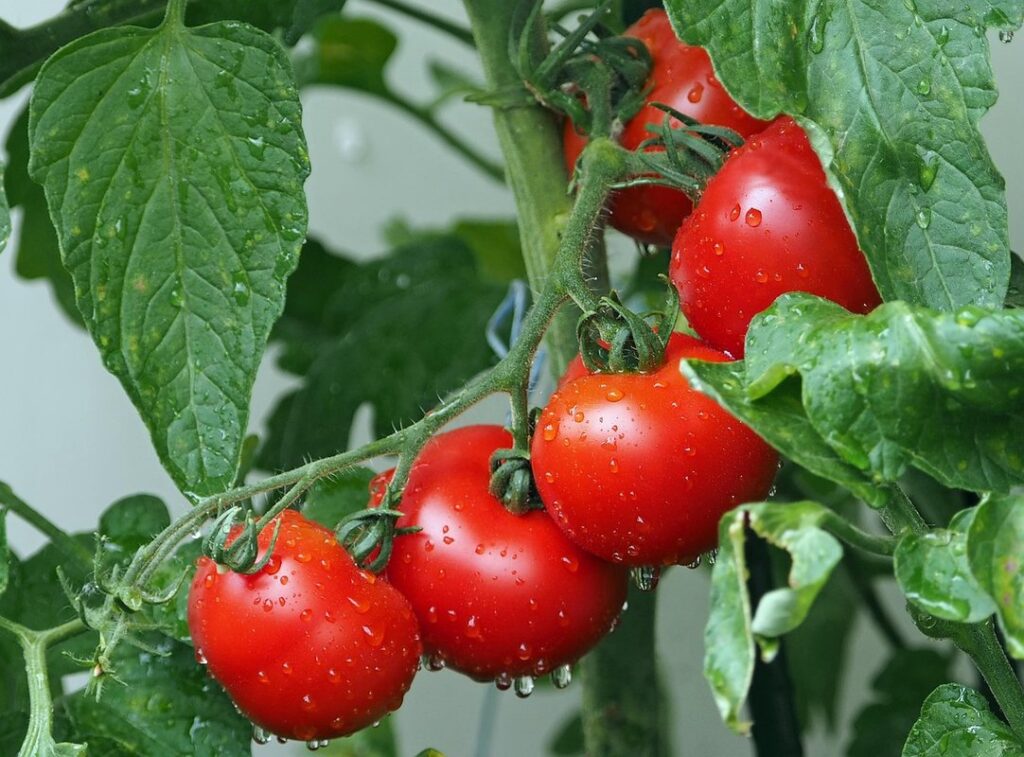
Understanding Indeterminate Tomatoes and Why They Need Support
As you plant indeterminate tomatoes, it’s essential to understand why these varieties need support to thrive. Without it, they can become tangled and vulnerable to disease.
What are Indeterminate Tomatoes?
Indeterminate tomatoes are a type of tomato plant that will continue to grow throughout the season, producing fruit until frost. These plants have a few key characteristics that set them apart from determinate varieties.
One of the most notable features of indeterminate tomatoes is their vining habit. They tend to spread out and produce long stems, often reaching 6 feet or more in height. This growth habit requires regular support to keep the plant upright and promote healthy fruiting. Indeterminate tomatoes are also known for their high yield potential, producing multiple harvests throughout the season.
In contrast to determinate varieties, indeterminate tomatoes have a continuous growth cycle, meaning they will continue to produce new growth and flowers throughout the season. This can be both an advantage and a disadvantage, as it requires more maintenance but also allows for multiple harvests.
Characteristics of Indeterminate Tomato Plants
Indeterminate tomato plants are characterized by their vining habit, which sets them apart from determinate varieties. These plants will continue to grow and produce new flowers and fruit throughout the season, rather than producing a single large harvest all at once. As a result, indeterminate tomatoes require support as they can become quite heavy with fruit and can spread out significantly.
One of the key characteristics of indeterminate tomato plants is their need for staking or other forms of support. Without this, the plant’s stems can become weighed down by the weight of the fruit, leading to reduced yields and increased risk of disease. Indeterminate tomatoes can grow up to 6 feet tall or more, making it essential to provide a sturdy trellis or stake system.
In contrast to determinate varieties, indeterminate tomato plants are often used in commercial production due to their high yields. In fact, with proper support and care, an indeterminate tomato plant can produce upwards of 20 pounds of fruit per season. By understanding the characteristics of these plants, you can better prepare your garden for a successful harvest.
Advantages of Growing Indeterminate Tomatoes
Growing indeterminate tomatoes has its fair share of advantages. One of the most significant benefits is the increased yield potential. Indeterminate varieties continue to grow and produce fruit throughout the season, whereas determinate varieties stop producing once they reach a certain size. This means you can expect a higher volume of fresh tomatoes from your indeterminate plants.
Another advantage of growing indeterminate tomatoes is their adaptability to container gardening. Since they require support as they grow, they can thrive in smaller spaces like containers or raised beds. This makes them an excellent choice for gardeners with limited space. Additionally, indeterminate tomatoes are more resistant to disease and pests compared to determinate varieties.
To maximize the benefits of growing indeterminate tomatoes, it’s essential to provide them with adequate support using trellises or cages. Regular pruning and training can also help promote healthy growth and encourage fruiting on multiple branches. By doing so, you’ll be rewarded with a bountiful harvest of delicious, juicy tomatoes all season long.
Benefits of Trellising Indeterminate Tomatoes
Trellising indeterminate tomatoes can have numerous benefits for your garden, from improved yields to reduced disease susceptibility and increased fruit quality. By understanding these advantages, you’ll be motivated to give trellising a try in your own tomato patch.
Why Use a Trellis for Your Tomato Plants?
When you think of supporting indeterminate tomato plants, a trellis often comes to mind. But why is it so beneficial for these types of tomatoes? For one, using a trellis improves air circulation around the plant. By keeping the foliage off the ground, you prevent moisture from accumulating and creating an environment conducive to fungal diseases. This simple yet effective approach can significantly reduce the risk of diseases like early blight and septoria leaf spot.
A trellis also increases yields by promoting even growth and allowing for more sunlight to reach the fruit. When indeterminate tomatoes are left to sprawl on the ground, their fruits often don’t get enough light, resulting in smaller or misshapen produce. By providing support with a trellis, you can direct the plant’s energy towards producing more, healthier fruits.
By investing in a good quality trellis and following proper pruning techniques, you can create an environment that encourages healthy growth, reduces disease risk, and boosts yields – ultimately giving you the best possible chance of a successful harvest.
Types of Trellises Suitable for Tomato Plants
When it comes to choosing the right trellis for your indeterminate tomato plants, you have several options available. One of the simplest and most cost-effective methods is using a single stake system. This involves driving a sturdy stake into the ground near the plant and tying the stem to it with twine or wire. Single stake systems are easy to set up and can be used for small gardens or individual plants.
Another option is tomato cages, which provide more support and structure for the plant as it grows. Cages come in different sizes and materials, such as metal or plastic, and can be placed around the plant at planting time or installed later in the season. Tomato cages are a good choice for larger gardens or for plants that need extra support.
More elaborate trellis designs can also be used to support indeterminate tomato plants. These include A-frame trellises, obelisk trellises, and teepee trellises, among others. While they may require more setup time and space, these trellises offer the advantage of maximizing vertical growing space and providing excellent air circulation around the plant.
It’s essential to consider factors such as plant size, garden layout, and available space when choosing a trellis for your indeterminate tomatoes. Some plants may need extra support due to their size or growth habits, so it’s crucial to select a trellis that can accommodate these needs.
Designing Your Tomato Trellis
When it comes to designing your tomato trellis, there are several factors to consider. First and foremost, you’ll want to choose a location that receives plenty of sunlight and has good air circulation – essential for healthy growth.
Consider using sturdy materials like wood or bamboo for the trellis frame. These will be able to support the weight of heavy indeterminate tomatoes as they grow. Make sure to anchor the trellis securely in the ground to prevent it from toppling over in the wind.
You’ll also want to think about how you’ll train your tomato plants to climb up the trellis. Many gardeners find it helpful to use twine or clips to gently guide the stems onto the supports. For a more rustic look, you could try using wire to create a simple grid for your tomatoes to grow on.
Ultimately, the key is to create a supportive structure that allows your indeterminate tomatoes to grow freely while keeping them organized and easy to manage.
Preparing the Soil and Planting Tomatoes for Trellising
Before planting your indeterminate tomatoes, it’s essential to prepare the soil correctly and choose a suitable location for trellising. This section will guide you through those critical steps.
Creating a Suitable Environment for Indeterminate Tomatoes
Before planting indeterminate tomatoes, it’s essential to create a suitable environment for them to thrive. This begins with preparing the soil. Start by testing the pH levels of your soil using a soil testing kit or sending a sample to a laboratory for analysis. The ideal pH range for tomatoes is between 6.0 and 7.0.
If your soil’s pH level is too high or too low, add organic matter such as compost or well-rotted manure to adjust it. A general rule of thumb is to add 2-3 inches of compost on top of the soil and mix it in. This will not only improve the soil structure but also provide essential nutrients for your plants.
Good drainage is also crucial, as indeterminate tomatoes don’t tolerate waterlogged conditions well. Check if your soil drains properly by digging a hole about 6-8 inches deep. Fill the hole with water and observe how long it takes to drain completely. If it takes more than an hour, consider improving drainage by adding organic matter or installing a French drain.
To further enhance soil health, incorporate a cover crop such as winter rye or clover into your rotation plan. These crops help replenish nutrients, suppress weeds, and attract beneficial insects. By creating a well-balanced environment for indeterminate tomatoes, you’ll set them up for success and encourage healthy growth throughout the season.
Planting Techniques for Optimal Growth
When planting indeterminate tomatoes for trellising, it’s essential to use techniques that promote optimal growth and support. A common mistake is overcrowding the area, which can lead to reduced yields and increased disease susceptibility.
To avoid this, plant seedlings 18-24 inches apart in rows spaced 3-4 feet apart. This allows for proper air circulation and sunlight penetration, reducing the risk of fungal diseases. Make a small hole in the soil with your finger or a blunt instrument, and gently place the seedling in the hole.
Next, firm the soil around the stem to secure it. The soil level should be at the same height as it was in the pot. Water thoroughly after planting, and provide adequate support with a sturdy stake or trellis within 24 hours of transplanting. Keep the area consistently moist but not waterlogged, and mulch around the plants to retain moisture and suppress weeds.
As you start to see new growth, begin training the stems onto the trellis using twine or clips. By doing so, you’ll encourage a more upright growth habit and reduce the risk of branches breaking under their own weight.
Building and Installing Your Tomato Trellis System
To get your tomato plants off the ground, you’ll need to choose a sturdy trellis system that suits your garden’s needs and install it correctly. Let’s dive into the details of building and installing your trellis.
Materials Needed for a Basic Trellis System
To build a basic trellis system for indeterminate tomatoes, you’ll need to gather the right materials. Start by selecting sturdy stakes that are at least 6 feet tall and can be anchored firmly into the ground. You’ll also need some sort of twine or wire to tie the plants to the stakes as they grow.
For a simple setup, use a combination of wooden or metal stakes, spaced about 3-4 feet apart, depending on the mature size of your tomato plant. For larger varieties, consider using T-posts or corner posts for added stability.
In addition to stakes and twine/wire, you may also want to have some extra support structures on hand, such as cross-beams or horizontal wires, to help keep the plants upright and promote vertical growth. A basic trellis system should be easy to assemble and disassemble, making it a great option for gardeners who plan to reuse their setup year after year.
Keep in mind that you can always customize your trellis system with additional features, such as a top beam or netting, to suit the needs of your specific tomato variety.
Step-by-Step Instructions for Assembling a Trellis
When it’s time to assemble your trellis, you’ll want to make sure everything is in place before planting. Start by unpacking all the components of your trellis system and laying them out on a flat surface. Take a moment to review the manufacturer’s instructions for any specific assembly requirements.
To begin assembling the frame, attach the corner posts to the side panels using the provided screws or brackets. Make sure they’re securely fastened before moving on to the next step. Next, attach the horizontal bars to the side panels, spacing them evenly apart to provide support for your tomato plants as they grow. Use wire or twine to connect the bars together and create a sturdy framework.
Finally, double-check that all connections are secure and tighten any loose screws or bolts. This will help prevent the trellis from shifting or toppling over in strong winds. With these steps complete, you’ll have a solid foundation for your indeterminate tomatoes to climb on as they grow.
Training the Tomato Plants to the Trellis
Now that you have your trellis set up, it’s time to gently guide those indeterminate tomato plants onto their support system, where they’ll thrive and grow. In this section, we’ll walk through the process step-by-step.
How to Train Vines to Grow Up the Trellis
To train indeterminate tomato vines to grow up the trellis, you’ll need to gently guide the stems and secure them to the support as they grow. Start by identifying the main stem of the plant, which is typically the tallest stem that has been pruned to encourage vertical growth. Gently twine this stem around the trellis using a soft material like twine or a trellis clip.
As new stems emerge from the sides of the plant, repeat the process, securing them to the trellis using clips or twine. Make sure to leave enough space between each stem for air circulation and sunlight penetration. This will help prevent disease and promote healthy growth.
Be careful not to tie the stems too tightly, as this can cause damage to the stem and potentially even lead to the plant toppling over under its own weight. Instead, gently guide the stems around the trellis, leaving a small amount of slack for flexibility. With regular guidance and support, your indeterminate tomato vines should be growing up the trellis in no time, producing an abundance of fruit throughout the season.
Regular Maintenance Tasks for a Healthy Trellis System
A trellis system is only as good as its maintenance. Regular upkeep ensures that the trellises remain sturdy, and your indeterminate tomato plants continue to thrive. To keep your trellis system healthy, inspect it at least once a week during peak growing seasons.
Start by checking for any signs of damage or wear on the wooden or metal components. Look for loose screws, rust spots, or broken wires that could compromise the structure’s integrity. Address these issues promptly to prevent further damage.
Regularly clean the trellis system to remove debris and encourage air circulation around the plants. Use a gentle brush or soft cloth to wipe away dirt, dust, and pollen buildup. Prune any overgrown vines to maintain an optimal balance of foliage and fruit production.
By dedicating time to regular maintenance tasks, you’ll enjoy a robust and productive trellis system that rewards your efforts with abundant harvests season after season.
Monitoring and Adjusting Your Trellis System as Needed
As your tomato plants continue to grow, it’s essential to regularly inspect and adjust their trellis system to ensure optimal support and airflow. Let’s explore how to monitor and make adjustments on an ongoing basis.
Common Issues with Tomato Trellises and How to Troubleshoot Them
Growing indeterminate tomatoes on a trellis system can be a wonderful way to maximize space and promote healthy growth. However, like any gardening endeavor, it’s not without its challenges. One of the most common issues you may encounter is uneven growth. This can be caused by inadequate pruning or inconsistent watering habits.
To troubleshoot uneven growth, take a closer look at your trellis system. Are the plants receiving even sunlight and water? Make sure to prune your tomatoes regularly to encourage balanced growth. Another issue that may arise is inadequate support for the plant’s weight. Tomatoes can produce quite a bit of fruit, which can put pressure on the stem if not properly supported.
If you notice that your tomato plants are toppling over or showing signs of strain, consider installing additional support stakes or adjusting the angle of your trellis to distribute the weight more evenly. This will help prevent damage to the plant and ensure a bountiful harvest.
Tips for Adapting Your Trellis Design Based on Plant Performance
As you monitor the performance of your indeterminate tomato plants on their trellis, it’s essential to adapt your design based on their growth patterns and needs. This will ensure optimal fruit production and a healthy plant structure.
Start by assessing the vigor of each plant – are they growing rapidly or struggling to reach the top? If one plant is lagging behind, consider providing additional support with stakes or ties to prevent damage from wind or weight. On the other hand, if a particularly vigorous plant is dominating the trellis, prune it back to encourage even growth and prevent overcrowding.
Keep an eye out for signs of stress, such as leaf drop or yellowing leaves, which can indicate inadequate air circulation or waterlogging. Prune select branches to improve airflow and promote healthy root development. By making adjustments on the fly, you’ll create a more balanced trellis system that supports each plant’s unique needs.
Use this opportunity to train your plants onto the trellis in a way that optimizes space and sunlight exposure. For example, if one plant is receiving too much shade from its neighbor, consider relocating it or training the surrounding foliage for better light penetration.
Frequently Asked Questions
Can I use a tomato trellis for other types of vining plants, such as peas or cucumbers?
Yes, you can repurpose a tomato trellis for other climbing plants like peas, cucumbers, and beans. Just keep in mind that these plants have different growth habits and may require adjustments to the trellis system. For example, pea plants tend to grow more upright than tomatoes, so you might need to add support at the base of the plant.
How do I prevent my indeterminate tomato vines from getting tangled around each other?
To prevent tangling, make sure to train your tomato vines to grow up and along the trellis in a way that allows for easy access between plants. You can also use twine or clips to gently guide wayward stems back onto the trellis.
What is the ideal spacing for indeterminate tomatoes on a trellis system?
The ideal spacing will depend on the specific variety of tomato you’re growing and how much support it requires. Generally, you’ll want to plant indeterminate tomatoes 2-3 feet apart from each other, with the plants spaced evenly along the trellis.
Can I use a pre-made trellis or should I build one from scratch?
Both options are viable! If you’re short on time, consider using a pre-made trellis that’s specifically designed for indeterminate tomatoes. However, if you have some carpentry skills and want to save money, building your own trellis can be a fun and rewarding DIY project.
How do I know when it’s time to prune my indeterminate tomato vines?
Pruning is an ongoing process with indeterminate tomatoes! Check the plants regularly for signs of overgrowth or disease. Remove any weak or spindly growth, and trim back longer stems to encourage bushy growth and promote more fruiting.