
Are you looking for a low-maintenance and versatile plant to add some beauty to your garden? Look no further than hostas! These stunning plants come in a variety of shapes, sizes, and colors, making them perfect for adding texture and visual interest to your outdoor space. But growing hostas can be a bit tricky if you don’t know where to start. In this article, we’ll take the guesswork out of growing these gorgeous plants, covering everything from choosing the right variety to pruning and common problems that may arise. We’ll also provide expert tips on how to care for your hostas, so they thrive in their new environment. By following our guide, you’ll be well on your way to enjoying these beautiful plants in all their glory.
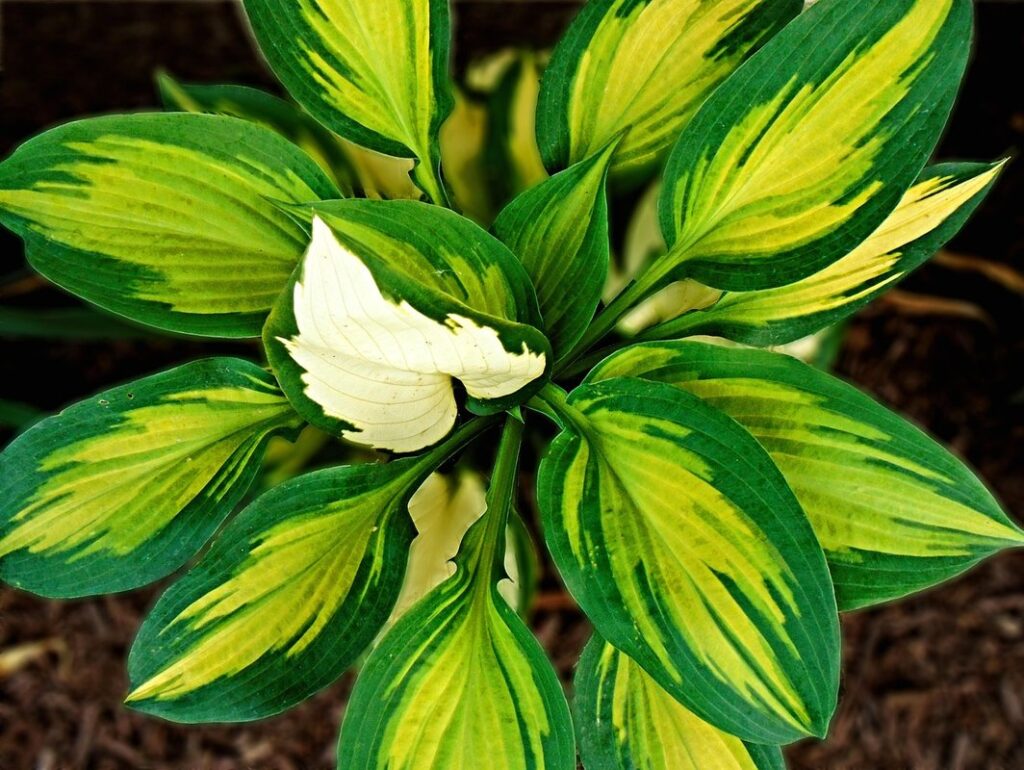
Choosing the Right Variety
When selecting hosta varieties for your garden, it’s essential to consider factors such as size, foliage color, and hardiness to ensure a thriving display.
Selecting Hosta Species for Your Climate
When selecting hosta species for your garden, it’s essential to choose ones that are adapted to your local climate. There are over 70 different types of hostas, each with its unique characteristics and growth habits. In temperate climates, you’ll want to focus on varieties like ‘Blue Mouse Ears’, ‘Gold Standard’, or ‘Sum and Substance’ that thrive in cooler temperatures.
In warmer climates, look for heat-tolerant species such as ‘September Sun’, ‘Patriot’, or ‘Mystery’. These hostas have been bred to withstand the intense sunlight and high temperatures of regions like Southern California or the Southeastern United States. Be sure to check the specific hardiness zone rating for each variety to ensure it will perform well in your area.
It’s also crucial to consider factors like soil quality, moisture levels, and sunlight exposure when selecting hosta species. For instance, if you have heavy clay soil, choose a hosta that prefers moist conditions, such as ‘Blue Fountain’ or ‘Gold Ledge’. By choosing the right hosta for your specific climate and growing conditions, you’ll be well on your way to growing stunning hostas like a pro!
Understanding Hosta Size and Growth Habits
When selecting hosta varieties for your garden, it’s essential to consider their size and growth habits to ensure they fit seamlessly into your landscape design. Hostas come in a range of sizes, from miniature (less than 6 inches tall) to medium (12-24 inches tall), and large (over 2 feet tall). Understanding these differences will help you choose the right hosta for your space.
Miniature hostas are perfect for small containers or edging along walkways. They require less maintenance and produce smaller foliage, making them ideal for areas with limited sunlight. Medium hostas, on the other hand, offer a moderate growth habit and are suitable for most garden settings. They require regular watering and fertilization but provide beautiful, large leaves.
Large hostas, as their name suggests, can grow quite tall (up to 4 feet or more) and wide. These plants require ample space and prefer partial shade to full sun. To accommodate larger hostas, choose a location with good air circulation and adequate room for growth.
Consider your garden’s specific conditions, including sunlight, soil quality, and available space, when selecting hosta size. This will ensure you’re choosing a variety that thrives in its environment, ultimately providing years of beauty and low-maintenance enjoyment.
Planting Hostas: Tips and Tricks
To give your hosta plants a strong start, you’ll want to follow some key tips for planting them correctly, from choosing the right location to digging the perfect hole.
Preparing the Soil for Hosta Success
When it comes to growing hostas like a pro, preparing the soil is just as important as selecting the right variety. Hostas thrive in well-draining soil with a slightly acidic pH between 6.0 and 7.0. If your soil is too alkaline or heavy clay, amend it with organic matter such as compost or peat moss to improve drainage and structure.
In addition to pH levels, hostas also require good air circulation around the roots to prevent fungal diseases like crown rot. To achieve this, add a layer of organic mulch around 2-3 inches thick after planting. This will help retain moisture, suppress weeds, and regulate soil temperature.
A minimum of 6-8 hours of direct sunlight is essential for hosta growth. However, make sure to provide partial shade in warmer climates to prevent scorched leaves. Before planting, test your soil’s pH level and adjust it accordingly. You can also add a balanced fertilizer during the growing season to promote healthy foliage and blooming.
For optimal results, mix 2-3 inches of compost or well-rotted manure into the top 6-8 inches of soil before planting hostas. This will provide essential nutrients and improve water retention in the soil.
Planting Hostas at the Right Time
When it comes to planting hostas, timing is everything. The ideal time to plant hostas depends on your region and climate. In areas with mild winters, such as USDA zones 8-10, you can plant hostas in the fall or early spring. This allows the plants to establish themselves before the heat of summer.
In cooler climates, like USDA zones 3-7, it’s best to wait until late spring to early summer when the soil has warmed up and the risk of frost has passed. Planting at this time gives hostas a head start on their growth cycle, allowing them to thrive throughout the season.
When handling roots during planting, be gentle but thorough. Inspect the roots for any circling or damage, and trim them if necessary to prevent the plant from becoming waterlogged. This will help ensure your hosta gets off to a healthy start. By choosing the right time to plant and caring for those delicate roots, you’ll be well on your way to growing luscious, thriving hostas like a pro!
Caring for Your Hostas
To keep your hostas thriving, it’s essential to provide them with proper care, including watering, fertilizing, and protecting from pests and diseases that can harm their delicate foliage. Regular maintenance is key.
Watering: The Key to Healthy Hostas
Proper watering is one of the most critical aspects of hosta care. Hostas are adapted to moist soils, but they don’t like being waterlogged. Overwatering can lead to root rot, which is often fatal for these plants.
When it comes to frequency, the general rule of thumb is to provide 1-2 inches of water per week. This can be achieved through rainfall or irrigation. However, it’s essential to check the soil moisture before watering by inserting a finger into the soil up to the first knuckle. If the soil feels dry, it’s time to water.
As for depth, hostas prefer moist soils but not saturated ones. Water at the base of the plant, avoiding the leaves and flowers to prevent fungal diseases. A good way to gauge whether you’re watering too much is by looking for signs like yellowing leaves or a soft, mushy texture.
Remember that hostas are dormant during winter, so reduce watering significantly during this period. By following these simple guidelines, you’ll be able to provide your hostas with the right amount of water and keep them healthy and thriving throughout the growing season.
Fertilization: Providing Nutrients for Optimal Growth
When it comes to growing hostas like a pro, providing them with the right nutrients is essential for optimal growth. Fertilization is a crucial aspect of hosta care that’s often overlooked by gardeners.
The best fertilizers for hostas are those that provide a balanced mix of nitrogen, phosphorus, and potassium (NPK). A water-soluble fertilizer with a 20-20-20 NPK ratio is ideal for hostas. You can also use an organic option like compost or fish emulsion, which are slow-release fertilizers that promote healthy soil biota.
As for how often to fertilize, it’s recommended to feed your hostas in the spring and summer months when they’re actively growing. A general rule of thumb is to fertilize once a month during the growing season. However, be careful not to over-fertilize, as this can damage the roots and cause more harm than good.
To prevent nutrient deficiencies, make sure to test your soil pH regularly and adjust it if necessary. Hostas prefer slightly acidic to neutral soil with a pH between 6.0-7.0. By providing your hostas with the right nutrients at the right time, you’ll be well on your way to growing these beautiful plants like pros.
Pruning and Dividing Hostas
When it comes to caring for your hosta plants, pruning and dividing them is essential to keep them healthy and thriving. Learn how to prune and divide your hostas like a pro in this next crucial step!
Pruning Techniques for Shaping and Promoting Healthy Growth
When it comes to pruning hostas, many gardeners assume that simply cutting off dead or dying leaves is enough. However, regular pruning can do much more than just maintain appearance – it plays a crucial role in promoting healthy growth and controlling size.
To shape and control the size of your hostas, start by removing any dead or damaged leaves to prevent the spread of disease. Cut back stems to about one-third of their height to encourage new growth and prevent legginess. This technique is called “tip-cutting” and can help maintain a more compact form. For larger hosta varieties, consider using “topping,” where you remove the top quarter of the plant to promote bushy growth.
It’s also essential to prune for air circulation, which helps prevent disease. Make sure to leave enough space between plants for good airflow, and don’t be afraid to thin out overcrowded areas. Regular pruning will not only keep your hostas healthy but also encourage vibrant blooms in the summer months.
Dividing and Repotting: When and How to Do It
When hosta plants become overcrowded or outgrow their containers, it’s time to divide and repot them. One of the key signs that division is necessary is when the plant produces fewer flowers than usual or when the leaves start turning yellow due to lack of space.
To divide hostas safely, begin by watering the plant thoroughly a day before dividing to make the soil easier to work with. Next, carefully dig around the plant, making sure not to damage its roots. Gently lift the clump out of the ground and wash away any excess dirt. Then, use a sharp, clean knife or garden tool to separate the offsets from the mother plant.
Some hosta varieties can become pot-bound quickly due to their rapid growth rate, so it’s essential to divide them every 2-3 years to maintain healthy growth. A general rule of thumb is to divide hostas in early spring when new growth begins, and repot them in a slightly larger container with fresh potting mix. This will give the plant room to grow and thrive for another season.
For repotting, choose a container that’s about 1-2 sizes larger than the original one, taking care not to damage the roots during the process. Add a layer of fresh compost at the bottom of the new pot before gently placing the hosta in its new home.
Common Problems and Solutions
We’ve all been there – a perfectly healthy hosta plant suddenly develops brown leaves or fails to thrive. In this next part, we’ll tackle some common issues that may arise when growing hostas.
Identifying and Treating Common Hosta Diseases
Hosta diseases can be a significant challenge for gardeners, but with proper identification and treatment, you can keep your plants healthy. Powdery mildew is one of the most common hosta diseases, causing a white powdery coating on leaves that can spread quickly if not treated promptly. To prevent powdery mildew, ensure good air circulation around your hostas by spacing them far enough apart and avoiding dense plantings.
Rust and leaf spot are other common issues affecting hostas. Rust causes orange or yellow spores to form on the underside of leaves, while leaf spot appears as small black spots on the surface of leaves. To treat these diseases, remove affected areas from your plants using sterile pruning shears, and consider applying fungicides specifically designed for outdoor use.
Prevention is key when it comes to hosta diseases. Keep your garden clean by removing weeds and debris that can harbor fungal spores. Water your hostas in the morning to give them time to dry before nightfall, reducing the risk of moisture-related diseases.
Managing Pests: Insects and Animals That Affect Hostas
Hostas are often targeted by various pests that can cause significant damage to their leaves and flowers. One of the most common culprits is slugs and snails, which feed on hosta leaves at night using their radula, a rough tongue-like structure with tiny teeth. These pests are attracted to moist environments and can quickly multiply in ideal conditions.
To control these pests, consider using organic methods such as copper tape around planters or barriers around individual plants to deter them from crossing over. You can also try hand-picking them at night under bright lights or using beer traps baited with a sweet liquid that attracts snails and slugs.
Insects like aphids, spider mites, and scale insects are also common pests of hostas. These tiny creatures feed on plant sap, causing curled or distorted leaves, yellowing, or white powdery patches. To control infestations, use insecticidal soap or neem oil according to the product’s instructions. Regularly inspect your plants for signs of pest activity and take prompt action to prevent damage from escalating.
Prevention is key in managing pests on hostas. Plant your hostas in well-draining soil to discourage slugs and snails, and avoid watering them at night when possible. This will reduce the likelihood of attracting these pests to your garden.
Frequently Asked Questions
Can I grow hostas indoors if I don’t have a garden?
Yes, it is possible to grow hostas indoors, but they require bright, indirect light and consistent moisture levels. Choose compact varieties like ‘Blue Mouse Ears’ or ‘Gold Standard’, which thrive in containers.
How often should I fertilize my hostas for optimal growth?
Hostas benefit from regular fertilization during the growing season (spring-fall). Feed them with a balanced, water-soluble fertilizer (20-20-20) once a month. You can also use an organic alternative like compost tea or fish emulsion.
What’s the best way to control pests that target hostas?
Hostas are susceptible to slugs and snails, which can cause significant damage. Use physical barriers like copper tape or crushed eggshells around plant stems to deter these pests. You can also try introducing beneficial nematodes or natural predators like hedgehogs.
Can I divide and replant hostas in the fall or spring?
While it’s best to divide and replant hostas during their dormant season (winter), you can still do so in early spring or late summer/early fall. Just be sure to water them thoroughly after replanting, and keep the soil consistently moist until they establish themselves.
How long does it take for hostas to recover from division or replanting?
Hostas typically take 2-3 months to recover from division or replanting, during which time they may appear stressed. Be patient and provide them with optimal growing conditions, including sufficient water, nutrients, and light. With proper care, your hostas should bounce back quickly.