
Caring for your aloe vera plant can be a bit of a mystery, especially if you’re new to indoor gardening. With its beautiful succulent leaves and medicinal properties, it’s no wonder why many people want to grow their own aloe vera at home. However, without proper care, your aloe vera can quickly become stressed, develop brown tips or fall victim to pests.
In this article, we’ll break down the essential steps for growing healthy aloe vera indoors. From lighting and watering schedules to propagation techniques and pest control methods, we’ve got you covered. We’ll share expert tips on how to create an optimal environment for your aloe vera plant to thrive, including how often to water, repot, and prune it. By following these simple care instructions, you can enjoy the benefits of aloe vera’s medicinal properties while also adding some greenery to your home decor.
Understanding Aloe Vera
Let’s dive into the world of aloe vera and explore its unique characteristics, benefits, and requirements for thriving plants. Get familiar with what makes aloe vera special and how to care for it effectively.
Types of Aloe Vera
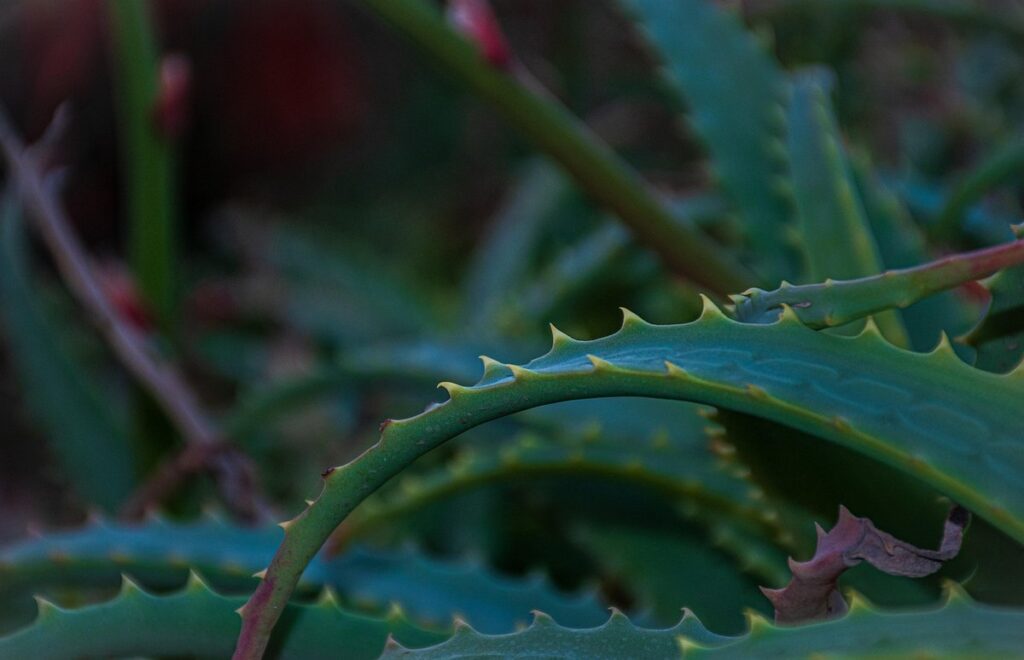
There are over 500 species of aloe vera plants, but some of the most commonly found and used types include Aloe barbadensis, also known as Aloe vera, and Aloe ferox. Aloe barbadensis is widely cultivated for its medicinal properties and is often found in home gardens. It has thick, fleshy leaves that are a deep green color and can grow up to 2 feet tall.
Aloe ferox, on the other hand, is a smaller species with shorter, more rounded leaves that are a darker green color. It’s native to South Africa and is often used in traditional medicine. Aloe aristata is another popular type of aloe vera, known for its blue-green leaves and compact growth habit.
When choosing an aloe vera plant for your garden or indoor space, consider the climate and growing conditions you have available. For example, Aloe barbadensis prefers well-draining soil and full sun to partial shade, while Aloe ferox can tolerate more shade and cooler temperatures. Make sure to research the specific needs of the type of aloe vera plant you’re interested in to ensure it thrives under your care.
Some popular varieties include Aloe aristata, which is ideal for indoor containers due to its compact growth habit, and Aloe striatula, which has beautiful yellow flowers that bloom in mid-summer. By selecting the right type of aloe vera for your space and providing proper care, you can enjoy the benefits of these amazing plants all year round.
Aloe Vera Benefits
In addition to its care requirements, aloe vera offers numerous benefits that make it a valuable plant for both indoor and outdoor spaces. When properly cared for, this succulent can provide an array of health benefits, ranging from skin and hair care to medicinal applications.
Aloe vera’s gel has been used topically to soothe burns, cuts, and scrapes due to its anti-inflammatory properties. Studies have shown that the aloe vera gel reduced pain and inflammation in patients with second-degree burns by 20% more than standard burn treatments (1). Moreover, its antibacterial properties make it an effective remedy for acne-prone skin.
For hair care, aloe vera’s hydrating properties can help to lock in moisture, reduce frizz, and add shine. Mixing aloe vera gel into your shampoo or conditioner can also promote healthy scalp maintenance by reducing dandruff and itchiness (2). In terms of medicinal applications, the plant has been used for centuries to treat various ailments, including digestive issues, wounds, and even skin conditions like psoriasis.
To make the most of your aloe vera’s benefits, use it as an ingredient in homemade skincare products or hair masks. Be sure to only apply pure, distilled aloe vera gel directly to the affected area, avoiding any potential allergens found in commercial products (3).
Lighting Requirements
When it comes to caring for your aloe vera plant, providing the right lighting conditions is crucial. Learn how to create an optimal lighting environment for your plant’s needs.
Direct Sunlight vs. Indirect Light
When it comes to providing your aloe vera plant with the right amount of sunlight, it’s essential to strike the perfect balance. Direct sunlight is necessary for photosynthesis and healthy growth, but too much of it can be detrimental.
Aloe vera plants typically require 4-6 hours of direct sunlight per day, depending on their age and climate. During the summer months, this is usually sufficient, and your plant should thrive under a south-facing window or outside in a shaded area. However, as winter approaches, the amount of sunlight decreases significantly, making it necessary to switch to indirect light.
Over-exposure to direct sunlight can cause sunburned leaves, brown spots, and even kill your plant. If you notice your aloe vera is getting scorched, reduce its exposure or move it to a shadier spot. To ensure your plant receives the right amount of light, consider using sheer curtains or blinds to filter out intense rays during peak hours.
In general, if you’re unsure whether your aloe vera needs more direct or indirect light, observe how it responds to different conditions over time.
East- or West-Facing Windowsills
When it comes to placing your aloe vera on windowsills, the direction of the window can make all the difference. East- or west-facing windows receive gentle morning or afternoon sun, making them ideal for aloe vera plants.
East-facing windowsills are great options because they receive soft, indirect sunlight in the morning. This is perfect for aloe vera, as it allows the plant to photosynthesize without getting scorched by intense midday sun. Place your aloe on an east-facing window that receives direct sunlight for about 4-6 hours a day.
West-facing windowsills also work well, but keep in mind that they receive more intense afternoon sunlight. Make sure to provide some shade or use a sheer curtain to filter the light, especially during peak summer months. This will prevent your aloe from getting too much direct sun and becoming scorched. By placing your aloe on an east- or west-facing windowsill with gentle morning or afternoon sun, you’ll be giving it the perfect conditions for healthy growth and development.
Watering and Humidity
When it comes to aloe vera care, getting the right balance of water and humidity is crucial. Learn how to water your aloe vera correctly and maintain the perfect humid environment for healthy growth.
Overwatering Risks
Overwatering is one of the most common mistakes that can be detrimental to an aloe vera plant’s health. When the soil is consistently too wet, it creates an ideal environment for root rot and other problems to develop. Root rot occurs when the roots are submerged in water for too long, causing them to decay and ultimately killing the plant.
To check soil moisture without damaging your aloe vera’s roots, gently insert a finger into the soil about an inch deep. If the soil feels dry, it’s time to water. However, if it still feels damp or soggy, wait another day or two before checking again. Be cautious not to stick your finger too far in, as this can damage the delicate roots.
Some signs of overwatering include yellowing leaves, soft and mushy stems, and a foul odor emanating from the soil. If you suspect that your aloe vera has been overwatered, repot it immediately into well-draining soil and reduce watering frequency to prevent further damage.
Humidity Levels
Maintaining optimal humidity levels is crucial for the health and well-being of your aloe vera plant. The ideal range for aloe vera is between 50-70% relative humidity. To achieve this, you can use humidifiers, which are especially helpful during dry winter months or in arid climates. Place the humidifier near the plant to ensure it receives the moisture it needs.
Another way to maintain humidity levels is by grouping plants together. This technique is called a “microclimate.” By placing multiple plants in close proximity, you create a shared environment that retains moisture and maintains humidity. This method is especially effective for indoor gardens with limited space.
Keep in mind that aloe vera plants can thrive in drier conditions if the soil has good drainage and air circulation around the roots. However, prolonged exposure to dry air can cause stress, leading to leaf yellowing or scorching. Monitor your plant’s response to humidity levels and adjust as needed to ensure it remains healthy and happy.
Soil and Repotting
When it comes to caring for your aloe vera plant, choosing the right soil and knowing when to repot is crucial to its overall health and happiness. Let’s dive into the nitty-gritty of soil selection and repotting.
Well-Draining Soils
When it comes to growing healthy aloe vera plants, one of the most critical factors is having well-draining potting mixes. Aloe vera roots are prone to rot if the soil retains too much water, leading to root decay and other issues that can be fatal for the plant.
To promote healthy drainage, look for ingredients like perlite or sand in your potting mix. Perlite is a volcanic glass that helps to improve aeration while also allowing excess water to pass through easily. Adding a 10-20% ratio of perlite to regular potting soil can make all the difference. Sand, on the other hand, works similarly by increasing the drainage capacity and preventing moisture from getting trapped in the soil.
When repotting your aloe vera, be sure to choose a well-draining mix specifically designed for cacti and succulents. Some popular options include Miracle-Gro Cactus, Palm & Succulent Potting Mix or Black Kow All Purpose Potting Mix with perlite added. By using these ingredients, you’ll be giving your aloe vera the best chance to thrive in its new home.
Repotting Considerations
When it comes to repotting your aloe vera plant, timing is everything. Generally, you should repot your aloe vera every 1-3 years, depending on its growth rate and pot size. Younger plants or those that have outgrown their containers may need to be repotted more frequently.
The best time for repotting an aloe vera is during the spring and summer months when the plant is actively growing. Avoid repotting in the fall or winter, as this can cause stress to the plant during its dormant period. When choosing a new pot, select one that is only slightly larger than the original container, as aloe veras prefer to be slightly root-bound.
When repotting your aloe vera, gently remove any dead or damaged leaves and trim back the roots if necessary. Use a well-draining potting mix and water sparingly after repotting to prevent rot and other problems. By following these guidelines, you can give your aloe vera plant the best chance at thriving in its new home.
Some key things to consider when repotting an aloe vera include:
* Checking for root bound conditions by gently removing the plant from its pot
* Avoiding over-handling the roots during repotting
* Watering sparingly after repotting to prevent rot
Pest Control and Pruning
To keep your aloe vera plant thriving, it’s essential to address any unwanted pests and prune damaged or overgrown leaves regularly. Regular maintenance helps prevent disease and promotes healthy growth.
Common Pests
When it comes to keeping your aloe vera plant healthy, pest control is just as important as watering and pruning. Unfortunately, these lovely plants are susceptible to common pests that can cause harm if left unchecked. Some of the most prevalent pests you might encounter when caring for an aloe vera plant include mealybugs, spider mites, scale insects, and aphids.
Mealybugs, in particular, can be difficult to spot at first glance as they tend to congregate on the underside of leaves. To get rid of them, try spraying your plant with neem oil or insecticidal soap. This will help suffocate the pests without harming your aloe vera.
Another common pest is spider mites, which thrive in hot and dry environments. If you suspect your aloe vera has been infested, look for fine webbing between the leaves. Isolate your plant immediately to prevent the pests from spreading to other plants. Treat with a mixture of water and mild dish soap, making sure not to overwater, as this can exacerbate the problem.
Scale insects and aphids are also known to affect aloe vera plants. To keep these pesky critters at bay, ensure good air circulation around your plant and maintain optimal watering habits.
Pruning Techniques
Proper pruning is essential to maintain your aloe vera plant’s shape and promote healthy growth. Over time, aloes can become leggy or develop brown tips, which not only affect their appearance but also reduce photosynthesis efficiency.
When pruning an aloe vera, start by removing any dead or damaged leaves. Use clean scissors or pruning shears to avoid spreading diseases. Cut the leaf as close to the base as possible, leaving about 1-2 inches of stem intact. This will allow for new growth and help maintain the plant’s natural shape.
To control your aloe’s size and promote branching, remove the tallest leaves from the center of the plant. This technique is called “topping.” Cut the leaf at an angle, about 1 inch above a node (where a leaf meets the stem). This will encourage new growth to emerge from the node and create a fuller plant.
Prune your aloe vera during its dormant season, typically in the fall or winter months, to minimize stress on the plant. Regular pruning also helps prevent pests like mealybugs and spider mites that thrive on overgrown leaves.
Propagation and Multiplication
Now that you’ve got a healthy aloe vera plant, let’s focus on how to multiply it and share it with friends, using simple propagation methods. This is where the fun really begins!
Leaf or Stem Cuttings
When it’s time to propagate new aloe vera plants, taking leaf or stem cuttings is a popular method that’s both easy and effective. To do this, select mature leaves from the mother plant, making sure they’re plump and free of any signs of damage or pests. Use a sharp knife or pruning tool to snip off the leaf as close to its base as possible.
Alternatively, you can take stem cuttings by cutting back the aerial roots at the base of the plant. This will encourage new growth and allow for the propagation of new plants. Place the cut ends in water or a rooting hormone powder to help stimulate root development.
For successful rooting, provide bright indirect light and maintain a temperature between 65-75°F (18-24°C). Water sparingly, allowing the soil to dry slightly between waterings. Once roots have developed, typically within 1-3 weeks, transfer the cutting to a well-draining potting mix in a larger container.
Keep in mind that propagation through leaf or stem cuttings can be a slow process. Be patient and maintain consistent care conditions for optimal results.
Asexual Reproduction Methods
If you’re looking to multiply your Aloe Vera plants without using seeds, alternative propagation methods are a great option. Division is one of the most common and effective techniques. To divide an Aloe Vera plant, carefully remove it from its pot, gently separate the offsets (small plants that have grown from the mother plant), and replant them in fresh soil. This method allows you to create multiple new plants while preserving the health and vigor of the parent plant.
Another technique is layering, where a stem or leaf section is placed in soil, allowing it to root before being separated from the mother plant. While this method can be time-consuming, it’s ideal for propagating Aloe Vera hybrids. Keep in mind that layering may not produce plants with the same vigor as division.
Tissue culture is another advanced method that involves growing plant tissue under sterile conditions. This technique allows you to mass-produce high-quality plants and can be particularly useful for commercial growers. However, it requires specialized equipment and expertise, making it less accessible to home gardeners.
When using these alternative methods, remember to choose healthy parent plants with plenty of offsets or a robust stem section to increase the chances of success.
Troubleshooting Common Issues
We’ve all been there – a struggling aloe vera plant that just won’t thrive. This section will walk you through common problems and their easy-to-implement solutions to get your plant back on track.
Yellowing Leaves
Yellowing leaves can be a worrying sight for any aloe vera owner. But don’t worry, it’s often easy to fix! The most common causes of yellow leaves are overwatering and underwatering. If you’re guilty of giving your aloe vera too much water, the roots will start to rot, causing the leaves to turn yellow. On the other hand, if your plant is not getting enough water, the leaves may also turn yellow due to drought stress.
To identify which one is the culprit, take a closer look at the leaves. If they’re soft and mushy, it’s likely overwatering. But if they’re crispy and dry, underwatering might be the issue. To recover from overwatering, repot your plant in well-draining soil and give it some space to breathe. You can also try trimming off any affected leaves to prevent the rot from spreading.
To prevent yellowing leaves altogether, stick to a consistent watering schedule and make sure not to get water on the leaves themselves, as this can cause spotting and discoloration. Water your aloe vera when the soil feels dry to the touch, usually every 7-10 days in the summer and less often in the winter. By following these simple tips, you’ll be well on your way to growing healthy, thriving aloe vera plants.
Pests or Diseases
Pests and diseases can be a significant threat to your aloe vera plant’s health. To identify potential issues, inspect your plant regularly for signs of infestation or infection. Look for white powdery patches (powdery mildew), black spots (leaf spot), or yellowing leaves that could indicate fungal infections.
If you suspect an infestation, treat the affected area with neem oil or insecticidal soap according to the product’s instructions. For example, mix neem oil with water at a ratio of 2:1 and spray it on the plant’s leaves, avoiding the soil and roots. Repeat this process every week for three weeks.
To prevent future infestations, maintain good air circulation around your plant and ensure it’s not overcrowded. Water your aloe vera plant correctly, as overwatering can lead to root rot and create an environment conducive to pest growth. Monitor for pests like mealybugs, spider mites, or scale insects by checking the undersides of leaves and stems.
Some common diseases that affect aloe vera plants include root rot, leaf spot, and powdery mildew. Be cautious when transporting your plant to avoid damaging its roots, which can lead to infection.
Frequently Asked Questions
Can I use a regular potting mix for my aloe vera plant, or do I need to get a special one?
Yes, you can use a regular potting mix for your aloe vera plant, but it’s recommended to use a well-draining soil specifically designed for cacti and succulents. This type of soil will help prevent waterlogged soil and root rot.
How often should I repot my aloe vera plant, and what are the signs that it needs to be repotted?
Repot your aloe vera plant every 2-3 years in the spring when it becomes pot-bound. Signs that your plant needs to be repotted include slow growth, waterlogged soil, or visible roots growing out of the drainage holes.
My aloe vera plant has developed brown tips on its leaves. Is this a sign of overwatering?
Yes, brown tips on aloe vera leaves can be a sign of overwatering. To prevent this issue, make sure to water your plant sparingly and only when the soil is dry to the touch. Also, ensure good air circulation around the plant.
Can I propagate my aloe vera plant using leaf cuttings, or do I need to use stem cuttings?
Both leaf and stem cuttings can be used for propagation, but leaf cuttings are more common and preferred. To take a leaf cutting, simply twist the leaf off at its base, allow it to dry out for 2-3 days, and then plant it in well-draining soil.
How do I know if my aloe vera plant is receiving enough humidity? What are the signs of low humidity?
Aloe vera plants prefer a relatively low humidity environment, typically between 40-50%. Signs of low humidity include wrinkled or shriveled leaves, and may also indicate the presence of pests like spider mites. To increase humidity around your plant, you can place it on a tray filled with water and pebbles.