
Are you ready to grow your own delicious ground cherries in a raised bed? These small, round fruits are packed with flavor and nutrition, making them a perfect addition to any garden. But before you can enjoy their sweet taste, you need to know how to plant, care for, and harvest them successfully.
That’s where this article comes in – your ultimate guide to growing ground cherries in raised beds. We’ll take you through the process of selecting the right variety for your climate, preparing the perfect soil mix, managing pests and diseases, and even preserving your bounty for later use. By following our expert tips, you’ll be enjoying a bountiful harvest of ground cherries in no time, and we’ll show you how to make the most of them throughout the year.
Choosing the Right Variety and Climate
When planting ground cherries, selecting the right variety for your climate is crucial, as some varieties are more tolerant of heat or cold than others. Let’s dive into choosing the perfect variety and climate combination.
Understanding the Different Types of Ground Cherries
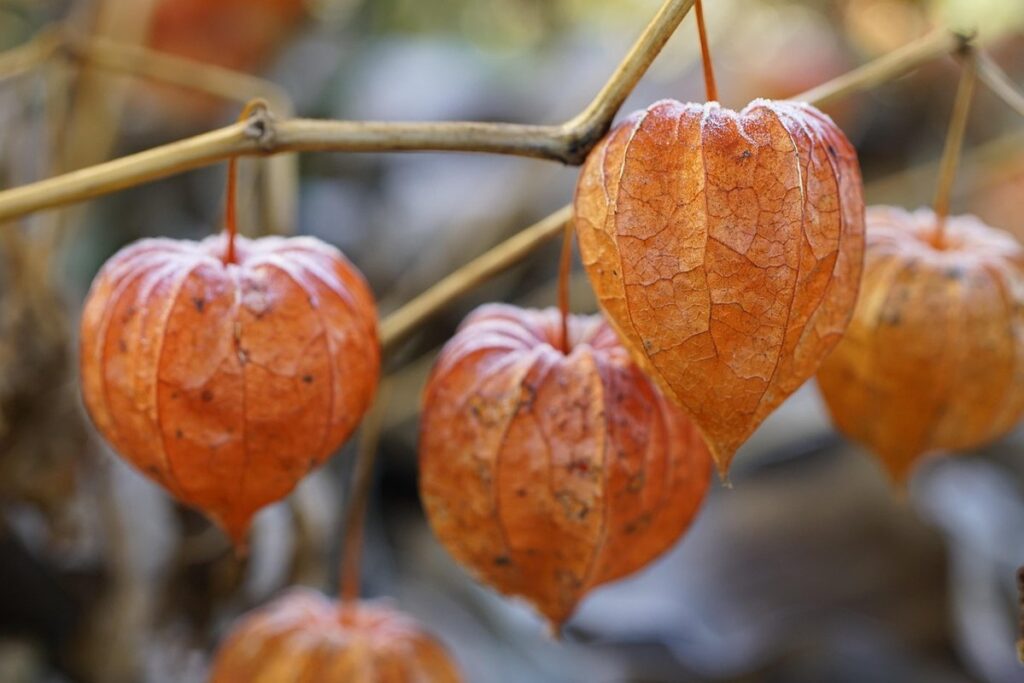
There are several types of ground cherries to choose from, each with its unique characteristics and growth habits. One popular variety is the Ground Cherry (Physalis pruinosa), also known as Strawberry Tomatoes. This type has a papery husk that encases the fruit and grows on a compact vine. It prefers well-drained soil and full sun to partial shade.
Another common variety is the Goldenberry (Physalis peruviana), which produces small, yellow fruits with a sweet taste. Goldenberries are more tolerant of cooler temperatures and can grow in a range of soils. They have a climbing habit and require support as they grow.
If you live in areas with hot summers, consider growing the Cape Gooseberry (Physalis minima). This type has smaller fruits than Ground Cherry but is more heat-tolerant. It also prefers well-drained soil and full sun to partial shade. When choosing a ground cherry variety, select one that suits your climate and available space.
For example, if you live in USDA Hardiness Zone 3-5, the Goldenberry might be a better choice due to its tolerance of cooler temperatures. Similarly, if you have limited space, the compact Ground Cherry could be a good option.
Selecting a Suitable Ground Cherry Variety for Your Region
When selecting a suitable ground cherry variety for your region, it’s essential to consider three key factors: regional climate, soil type, and desired harvest time. This will ensure that you choose a variety that thrives in your specific growing conditions.
Start by checking the frost tolerance of different varieties. If you live in an area with harsh winters, look for ground cherry varieties that can withstand temperatures as low as 10°F (-12°C). ‘Red Mammoth’ and ‘Yellow Globe’ are two popular varieties known for their cold hardiness. On the other hand, if you live in a region with mild winters, you may opt for more sensitive varieties like ‘Purple Haze’ or ‘White Pear’.
Next, consider your soil type. Ground cherries prefer well-draining soil that is rich in organic matter. If you have heavy clay or sandy soil, choose a variety that’s tolerant of those conditions. For example, ‘Red Mammoth’ can grow in a wide range of soils, while ‘Yellow Globe’ prefers slightly acidic soil.
Lastly, think about your desired harvest time. Do you want to enjoy fresh ground cherries throughout the summer, or do you prefer to harvest them in the fall? Some varieties, like ‘Purple Haze’, produce multiple crops throughout the season, while others, like ‘White Pear’, ripen all at once. By considering these factors, you can choose a ground cherry variety that meets your specific needs and ensures a bountiful harvest.
Preparing the Raised Bed for Planting
Before you start planting your ground cherry seeds, it’s essential to prepare the raised bed by loosening the soil and removing any debris. Let’s get started with this crucial step!
Soil Preparation and Fertilization
Proper soil preparation is essential for optimal growth and healthy plant development. Before adding your ground cherry plants to their new home, it’s crucial to test the pH levels of your raised bed soil. Ground cherries prefer a slightly acidic to neutral soil pH, ranging from 6.0 to 7.0. You can purchase a soil testing kit or send a sample to a lab for analysis.
Once you have an accurate reading, amend your soil with organic matter such as compost or well-rotted manure. This will help improve the soil‘s structure, increase its water-holding capacity, and provide essential nutrients for your plants. Aim to add 2-3 inches of compost on top of the existing soil before planting.
Consider adding a balanced fertilizer specifically designed for fruiting plants like ground cherries. Follow the manufacturer’s instructions for application rates to avoid over-fertilizing, which can harm your plants. With proper soil preparation, you’ll set your ground cherry plants up for success and enjoy a bountiful harvest.
Creating a Suitable Microclimate in Your Raised Bed
Creating an ideal microclimate within your raised bed is crucial for optimal ground cherry growth. This involves considering factors such as temperature, light exposure, and moisture levels. One effective way to manage these variables is by using row covers. These lightweight fabrics allow sunlight to reach the plants while maintaining a warm microclimate during cooler nights.
For regions with intense sunlight, providing shade can be beneficial in preventing scorching of leaves or fruits. Use twine or stakes to create a partial canopy above the raised bed, ensuring it doesn’t obstruct plant growth. Managing moisture levels is equally important, as ground cherries prefer well-drained soil but also require adequate water during hot spells.
To regulate moisture, consider installing a drip irrigation system or a soaker hose that delivers water directly to the roots. This technique reduces evaporation and prevents waterlogged soil, which can lead to fungal diseases like powdery mildew. By creating an ideal microclimate within your raised bed, you’ll be providing ground cherries with optimal conditions for growth and fruit production.
Planting Ground Cherries in Your Raised Bed
When planting ground cherries in your raised bed, it’s essential to understand the specific needs of these unique plants, which thrive in well-drained soil and full sun. Make sure you’re prepared with the right conditions for optimal growth.
Spacing and Sowing Seeds or Seedlings
When planting ground cherries in your raised bed, it’s essential to consider proper spacing to ensure healthy growth and optimal fruit production. For direct sowing, space seeds about 12-18 inches apart in rows that are 3 feet apart. This will give the plants room to spread out as they mature.
If you’re transplanting seedlings into the raised bed, space them 18-24 inches apart, depending on their size and vigor. Keep in mind that ground cherry plants can grow quite large, so it’s better to err on the side of caution and provide more space between each plant.
Another critical aspect is the layout of your raised bed. Consider creating a grid pattern with rows running north-south and beds running east-west. This will help ensure even sunlight distribution and prevent shade from one plant affecting another.
Mulching and Watering Techniques for Optimal Growth
Mulching around ground cherry plants is an essential practice that not only retains moisture but also suppresses weeds and regulates soil temperature. Organic mulches like straw, bark chips, or grass clippings are excellent choices for raised beds. Apply a 2-3 inch layer of mulch around the plants, keeping it a few inches away from the stem to prevent rot.
Watering ground cherries efficiently is crucial to avoid overwatering issues. Ground cherry plants prefer well-drained soil and can be susceptible to root rot if the soil is too moist. Water them when the top 2-3 inches of soil feels dry to the touch, usually every 7-10 days during hot summer months. Be mindful of rainfall and adjust your watering schedule accordingly.
To water effectively, place a drip irrigation system or soaker hose near the plants to deliver water directly to their roots, reducing evaporation and runoff. If using a traditional watering can, aim for gentle, deep watering sessions rather than frequent shallow ones. This promotes healthy growth, prevents overwatering issues, and encourages the plants to develop a strong root system.
Managing Pests, Diseases, and Weeds in Your Raised Bed
When it comes to growing ground cherries in your raised bed, knowing how to manage pests, diseases, and weeds is crucial for a healthy crop. Let’s dive into some essential tips on keeping these unwanted visitors under control.
Identifying Common Problems Affecting Ground Cherries
As you tend to your ground cherry plants in your raised bed, it’s essential to be aware of common pests, diseases, and weeds that can impact their growth. Some of the most common problems affecting ground cherries include:
Aphids are a significant threat to ground cherry plants, sucking sap from leaves and stems and leaving behind sticky honeydew. Signs of an aphid infestation include curled or distorted leaves, white powdery patches, and a sweet, sticky substance on plant surfaces.
Powdery mildew is another disease that can affect ground cherries, causing white powder to form on leaves and stems. This fungal disease thrives in humid environments and can be prevented by providing good air circulation and removing infected plants.
Weeds like crabgrass and purslane can compete with your ground cherry plants for water and nutrients, while also providing a habitat for pests that prey on cherries. Regularly weeding your raised bed and using mulch to suppress weed growth will help prevent these issues.
Common weeds to watch out for in your raised bed include clover, dandelions, and plantain, which can spread quickly if not controlled.
Organic Pest Control Methods for Your Raised Bed
When it comes to managing pests and diseases in your raised bed, there are many effective organic methods that can help you control infestations without harming your plants. One of the most popular methods is introducing beneficial insects into your garden. For ground cherry plants, ladybugs and lacewings are excellent choices as they prey on common pests like aphids and whiteflies.
Another method is using neem oil, a natural insecticide derived from the seeds of the neem tree. Mix 2-3% neem oil with water according to the label instructions and spray it directly on affected plants or areas. Neem oil can help control a wide range of pests, including spider mites, mealybugs, and scale insects.
To keep your raised bed free from pests, also make sure to maintain good garden hygiene practices, such as removing weeds regularly and disposing of infested plants promptly. Additionally, practice crop rotation and companion planting to reduce the risk of pest buildup in your garden. By incorporating these organic methods into your gardening routine, you’ll be able to enjoy a healthy and thriving ground cherry crop without using harsh chemicals.
Harvesting and Enjoying Your Ground Cherry Crop
Now that your ground cherry plants have matured, it’s time to reap the rewards of your labor and enjoy the fruits of your hard work. We’ll walk you through the harvesting process and share tips on how to prepare and savor these unique treasures.
Timing and Techniques for Maximizing Yield
To determine when ground cherries are ripe and ready for harvest, gently lift one off the plant. If it comes away from the stem easily, it’s ready to pick. You can also check the color; ripe ground cherries will be a deep red or yellow, depending on the variety.
When harvesting, start by checking the plants in the morning, as this is usually when the fruit has sweated overnight and is at its most tender. Be gentle when picking the fruit to avoid bruising it. You can also use scissors to snip off the stem close to the plant, leaving a small piece of stem attached to the cherry.
To maximize yield and minimize waste, aim to harvest ground cherries every 3-4 days during the peak season. This will encourage the plants to produce more fruit. Also, make sure to remove any weeds or debris from around the plants to promote healthy growth and prevent disease. By following these strategies, you’ll be able to enjoy your bountiful ground cherry crop all season long!
Preserving Ground Cherries: Tips and Recipes
Preserving ground cherries is an excellent way to enjoy their sweet and tangy flavor throughout the year. With a little creativity and effort, you can preserve these delicious fruits using various methods.
Freezing is one of the easiest ways to preserve ground cherries. Simply wash and dry them thoroughly, then spread them out on a baking sheet lined with parchment paper. Place the sheet in the freezer until they’re frozen solid, about 2-3 hours. Transfer the frozen ground cherries to an airtight container or freezer bag for long-term storage.
You can also make jam using ground cherries. Combine 1 cup of sugar, 1/4 cup water, and 2 cups of chopped ground cherries in a saucepan. Bring the mixture to a boil over medium heat, then reduce the heat and simmer for about 10-15 minutes or until the jam has thickened.
Dehydrating is another method for preserving ground cherries. Slice them thinly and place them on dehydrator trays. Dehydrate at 135°F (57°C) for 6-8 hours, or until they reach your desired level of dryness. Store dried ground cherries in an airtight container for up to six months.
Consider making the following recipe: Ground Cherry Jam Bars. Combine 2 cups of chopped ground cherries with 1 cup of sugar and 1/4 cup water. Bring the mixture to a boil, then reduce heat and simmer until thickened. Press into a lined baking dish, top with another layer of dough, and bake at 375°F (190°C) for 35-40 minutes.
Frequently Asked Questions
What’s the ideal temperature range for ground cherry growth?
Ground cherries thrive in temperatures between 65°F to 75°F (18°C to 24°C), making them suitable for most temperate climates. Avoid planting in areas with prolonged periods of frost or extreme heat. Check your local climate conditions and choose a variety that tolerates the temperature fluctuations.
Can I grow ground cherries in containers instead of raised beds?
Yes, ground cherries can be grown in containers if you provide adequate support for the vines to climb. Use a large container (at least 12 inches deep) with well-draining soil mix and a trellis or obelisk for the plants to climb on. Make sure the container has enough space for air circulation to prevent fungal diseases.
How often should I water my ground cherries, especially during hot summer months?
Water your ground cherries regularly, providing about 1-2 inches of water per week. Increase watering frequency during extremely dry or hot periods, but avoid overwatering, which can lead to root rot and other problems. Monitor soil moisture by sticking your finger into the soil up to the knuckle.
Can I use companion planting with ground cherries to deter pests?
Yes, certain plants like basil, mint, and nasturtiums repel aphids and other pests that target ground cherries. Plant these companions around the perimeter of your raised bed or near the ground cherry plants to create a pest-repellent environment.
How can I store ground cherries after harvesting to extend their shelf life?
Store ground cherries in a cool, dry place (around 50°F/10°C) with good air circulation. You can also freeze them by washing and drying the fruits thoroughly before placing them in an airtight container or freezer bag. Another option is to make jam or preserves using your freshly harvested ground cherries.