
Growing your own ground cherries can be a fun and rewarding experience, especially if you’re new to gardening. But where do you start? With their unique flavor and versatility in both sweet and savory dishes, it’s no wonder why ground cherries have gained popularity among gardeners and food enthusiasts alike.
However, growing ground cherries requires some knowledge of the right climate conditions, soil preparation, and pest management techniques. This is where our comprehensive guide comes in – covering everything you need to know about growing and harvesting these delicious fruits successfully. From selecting the perfect climate for your ground cherry plants to mastering the art of pest control, we’ll take you through each step of the process, ensuring that you’re equipped with all the necessary information to enjoy a bountiful harvest. Let’s get started on this journey together!
What are Ground Cherries?
So, you’re curious about these mysterious fruits – let’s start with the basics and explore what ground cherries are and where they come from. They might just surprise you!
Introduction to Ground Cherries
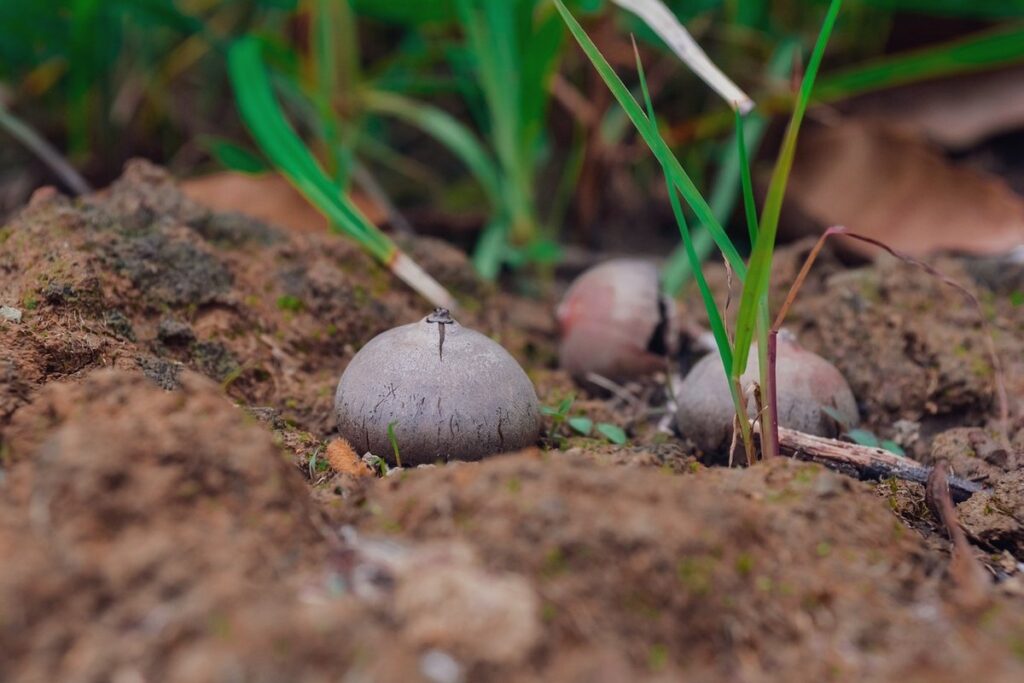
Ground cherries are a type of small, round fruit that belongs to the nightshade family. They’re also known as Physalis pruinosa, which might sound familiar if you’ve ever heard of the tomatillo or the cape gooseberry. What sets ground cherries apart from their cousins is their unique papery husk, which encases a sweet and tangy fruit that’s often described as a combination of pineapple, strawberry, and lemon.
One of the most distinctive features of ground cherries is their growth habit. They’re an annual vine that grows up to 3 feet tall, with delicate leaves and small white flowers that bloom in mid-summer. As the fruit ripens, it turns from green to yellow or red, depending on the variety. The papery husk begins to dry out, making it easy to spot ripe ground cherries on the plant.
Ground cherries are native to South America but have been cultivated in North America for centuries. They’re a great choice for gardeners who want to grow something new and exciting, as they’re relatively low-maintenance and can thrive in containers or in the ground with minimal care.
History of Ground Cherry Cultivation
Ground cherries have a rich history that dates back centuries. Native to North America, these small, round fruits were first cultivated by indigenous cultures long before European settlers arrived. In fact, many Native American tribes considered ground cherries a staple food, using them not only for their sweet taste but also for medicinal purposes. For instance, the Ojibwe tribe used ground cherry leaves and stems to treat fever and skin conditions.
Early European settlers were introduced to ground cherries by Native Americans and quickly adopted their cultivation techniques. Ground cherries became a valuable addition to many colonial-era gardens, prized for their flavor, versatility, and hardiness. In fact, Benjamin Franklin was known to have grown ground cherries at his estate in Pennsylvania. Today, ground cherry cultivation remains popular among gardeners and small-scale farmers due to its ease of growth and adaptability to various climates.
Ground cherries were also used as a natural remedy by early European settlers. They made use of the fruit’s juice, leaves, and stems for treating ailments such as rheumatism, sore throats, and skin irritations. This legacy of using ground cherries for medicinal purposes is still remembered today, with some modern gardeners experimenting with their own recipes for ground cherry-based remedies.
Choosing the Right Variety for Your Climate
When it comes to growing ground cherries, selecting a variety that thrives in your specific climate is crucial. This section will help you find the perfect fit for your region’s unique conditions.
Understanding USDA Hardiness Zones
To grow ground cherries successfully, you need to understand your local climate conditions. The United States Department of Agriculture (USDA) has created a hardiness zone map to help you determine your area’s specific growing conditions. This map is based on the average annual extreme minimum temperature in your region.
To find your USDA hardiness zone, visit the USDA website and enter your zip code or city and state. You can also use online maps that provide an interactive view of the zones. For example, if you live in zone 5b, it means that the average minimum winter temperature is -10 to -15°F (-23 to -26°C). Ground cherries prefer cooler temperatures and can tolerate light frosts.
Keep in mind that even within a hardiness zone, microclimates can vary significantly. For example, a south-facing slope or a nearby body of water can create a warmer or colder environment than the surrounding area. When choosing a variety of ground cherry, consider its specific requirements for temperature, sunlight, and moisture to ensure success in your garden.
Selecting Ground Cherry Varieties Suitable for Your Zone
When selecting ground cherry varieties suitable for your zone, it’s essential to consider the specific climate and growing conditions in your area. Different varieties have varying levels of cold hardiness, disease resistance, and growth habits.
For example, ‘Purple Peruvian’ is a popular variety that thrives in warm climates with temperatures above 65°F (18°C). This variety produces small, round fruits with a deep purple color and is well-suited for USDA zones 5-10. On the other hand, ‘Red Santa’ is a cold-hardy variety that can tolerate temperatures as low as -20°F (-29°C) making it an excellent choice for cooler climates.
In general, ground cherry varieties can be divided into three categories: warm-season, cool-season, and hybrid. Warm-season varieties like ‘Purple Peruvian’ prefer full sun and well-drained soil, while cool-season varieties like ‘Red Santa’ prefer partial shade and moist soil. Consider your local climate, frost dates, and available growing space when selecting a variety that suits your needs.
Some other popular ground cherry varieties worth considering include ‘White Pineapple’, ‘Black Cherry’, and ‘Yellow’. Research each variety’s specific requirements to ensure you choose the best one for your zone and growing conditions.
Preparing the Soil and Planting Ground Cherries
Before you can enjoy those delicious ground cherries, it’s essential to prepare your soil properly for optimal growth. Let’s dive into how to create a fertile environment for these little gems to thrive.
Understanding Ground Cherry Growing Conditions
To grow ground cherries successfully, it’s essential to provide them with the right conditions. Ground cherry plants require full sun to partial shade, so choose a location that receives at least 6 hours of direct sunlight per day. However, be aware that excessive heat can lead to scorching, so some afternoon shade is beneficial.
In terms of soil pH, ground cherries prefer slightly acidic to neutral soil with a pH between 6.0 and 7.0. If your soil is too alkaline or acidic, it may affect the plant’s nutrient uptake and overall health. Test your soil pH before planting and amend it if necessary.
Temperature-wise, ground cherry plants thrive in temperatures between 65°F (18°C) and 75°F (24°C). They are sensitive to frost, so wait until the last frost date has passed before transplanting them outside. By providing these ideal growing conditions, you’ll be well on your way to a bountiful harvest of delicious ground cherries.
How to Prepare Your Soil for Ground Cherry Planting
Before planting ground cherries, it’s essential to prepare your soil for optimal growth. A healthy and fertile soil will ensure a bountiful harvest of these delicious fruits.
Firstly, test the pH levels of your soil to determine if it’s acidic, alkaline, or neutral. Ground cherries prefer slightly acidic to neutral soil with a pH range of 6.0-7.0. You can purchase a DIY soil testing kit or send a sample to a laboratory for analysis. Based on the results, you may need to adjust the pH levels by adding lime to raise it or sulfur to lower it.
To add organic matter and improve soil structure, mix in compost, well-rotted manure, or peat moss at a depth of 8-10 inches. These amendments will also help to retain moisture and suppress diseases. Make sure to remove any debris, rocks, and weeds from the area before preparing the soil.
Finally, consider getting a soil test for nutrient deficiencies, such as nitrogen, phosphorus, or potassium. Based on the results, you can apply fertilizers accordingly to ensure your ground cherry plants receive the necessary nutrients for healthy growth. By following these steps, you’ll be well on your way to creating an ideal environment for your ground cherry plants to thrive in.
Caring for Your Ground Cherry Plants
To ensure a healthy and thriving crop, it’s essential that you provide your ground cherry plants with proper care, including regular watering and fertilization.
Watering and Irrigation Strategies
Water is essential for ground cherry plants, especially during their fruiting stage. Proper watering and irrigation techniques can significantly impact the plant’s growth, health, and ultimately, its yield. Unlike many other fruits, ground cherries require consistent moisture levels to thrive.
To achieve this, consider installing a drip irrigation system specifically designed for your garden bed. This efficient method delivers water directly to the roots, minimizing evaporation and runoff. You can also use soaker hoses or sprinklers, but be cautious not to overwater, which can lead to root rot and other problems.
When using a drip irrigation system, ensure the emitters are spaced about 6-8 inches apart to cover the plant’s root zone effectively. Check your plants’ soil moisture by inserting your finger into the soil up to the knuckle; if it feels dry, it’s time to water. Water your ground cherry plants deeply once or twice a week, depending on weather conditions and soil type.
Fertilization and Mulching Best Practices
When fertilizing ground cherry plants, it’s essential to provide them with the right nutrients at the right time. Start by using a balanced fertilizer (10-10-10 NPK) once a month during the growing season. You can also use compost tea or fish emulsion for an organic alternative.
As for mulching, it’s one of the best practices you can follow to ensure your ground cherry plants stay healthy and productive. Mulch helps retain moisture in the soil, suppresses weeds, and regulates soil temperature. To mulch effectively, apply a 2-3 inch layer around the base of each plant, keeping it a few inches away from the stem. You can use organic materials like wood chips, bark, or straw for this purpose.
Some additional tips to keep in mind: avoid over-fertilizing your ground cherry plants, as this can lead to weak growth and disease susceptibility. Also, replenish the mulch layer as needed to maintain its effectiveness. By following these best practices, you’ll be able to give your ground cherry plants the support they need to thrive throughout the growing season.
Pest and Disease Management for Ground Cherries
As you tend to your ground cherry plants, it’s essential to be aware of common pests and diseases that can affect their growth and productivity. This section will cover how to identify and manage these issues effectively.
Common Pests Affecting Ground Cherry Plants
As you tend to your ground cherry plants, keep an eye out for common pests that can cause significant damage. Among these, aphids and whiteflies are two of the most notorious culprits. These tiny insects feed on plant sap, causing curled or distorted leaves, stunted growth, and reduced fruit production.
Aphid colonies can quickly multiply, spreading diseases like plant viruses and honeydew, which fosters the growth of sooty mold. To control aphids, use neem oil or insecticidal soap, spraying it directly on affected areas. Encourage beneficial insects like ladybugs and lacewings, which feed on aphids.
Whiteflies are another problem that can infest ground cherry plants, particularly in warm weather. These insects pierce plant tissue to feed, leaving behind a sticky substance called honeydew. Remove infected leaves, and use yellow traps or fine mesh to keep whiteflies away from your plants. Slugs, too, can be a threat, especially at night when they emerge to feed on soft tissues.
For effective control, hand-pick slugs, setting traps with beer or copper barriers around plant bases. Monitor for these pests regularly, taking swift action to prevent infestations and protect your ground cherry crop.
Fungal Diseases: Causes, Symptoms, and Treatment Options
Fungal diseases are one of the most common threats to ground cherry plants, and can quickly spread if not addressed promptly. Two of the most prevalent fungal diseases affecting ground cherries are powdery mildew and leaf spot.
Powdery mildew appears as a white, powdery coating on the leaves and stems of the plant, often accompanied by yellowing or browning of the affected areas. This disease thrives in warm, humid environments and can be spread through contact with infected plants or contaminated soil.
Leaf spot, on the other hand, presents itself as small, circular lesions on the leaves that can eventually merge to form larger patches. Leaf spot is often caused by fungal spores that enter the plant through wounds or natural openings.
To treat powdery mildew and leaf spot, remove any infected areas from the plant, and ensure good air circulation around the affected plants. Apply a fungicide specifically designed for ground cherries, following the product’s instructions carefully to avoid harming your plants. Regularly inspect your plants for signs of disease and take action early to prevent the spread.
In addition to treatment, there are steps you can take to prevent fungal diseases from occurring in the first place. Planting resistant varieties, practicing good sanitation, and maintaining optimal growing conditions can all help keep your ground cherry plants healthy and thriving.
Harvesting and Storing Ground Cherries
Now that you’ve grown your ground cherries, it’s time to harvest them at their peak ripeness. In this next step, we’ll cover how to pick and store these delicious fruits.
When to Harvest Ground Cherries for Optimal Flavor
When it’s time to harvest ground cherries, you’ll want to do so at just the right moment to capture their optimal flavor and texture. The ideal time for harvesting is when the fruit has changed color from green to a deep red or yellow, depending on the variety.
Check your ground cherry plants regularly as they ripen, typically around 90-120 days after planting. A ripe ground cherry will be slightly soft to the touch but still firm enough to hold its shape. If you’re unsure whether it’s ready, gently twist and pull the fruit from the plant. If it comes off easily, it’s likely ripe.
Harvest your ground cherries in the morning, when they are at their sweetest. Avoid harvesting during hot afternoons or late evenings, as this can cause the fruit to become overripe quickly. For the best flavor and texture, harvest them when they’re slightly under-ripe rather than overripe. This will also help extend their shelf life.
Tips for Preserving Ground Cherries
Preserving ground cherries is an essential step in enjoying their flavor and nutrition throughout the year. With proper preservation methods, you can enjoy these delicious fruits even when they’re out of season. Here are some effective ways to preserve ground cherries:
Freezing is a simple method for preserving ground cherries. Rinse and pat dry the cherries, then place them on a baking sheet lined with parchment paper in a single layer. Put the baking sheet in the freezer until the cherries are frozen solid, about 2-3 hours. Then, transfer the frozen cherries to an airtight container or freezer bag for long-term storage.
Canning is another popular method for preserving ground cherries. Sterilize jars and lids according to your canner’s instructions, then fill the hot sterilized jars with ground cherry puree or whole cherries. Process the sealed jars in a boiling water bath for 10-15 minutes, adjusting for altitude as needed.
Dehydrating is ideal for making dried ground cherry powder or fruit leather. Slice the cherries thinly and dry them using a food dehydrator or your oven on its lowest temperature setting. Store the dried cherries in airtight containers to preserve their flavor and nutrients.
Pickling is a great way to add some tanginess to your ground cherries. Slice the cherries thinly and soak them in a brine solution made from vinegar, sugar, salt, and spices for at least 24 hours. Transfer the pickled cherries to an airtight container and store them in the refrigerator.
When using any preservation method, be sure to follow proper food safety guidelines to ensure your ground cherries remain safe to eat.
Troubleshooting Common Problems with Ground Cherry Growth
If you’re encountering issues with your ground cherry plants, don’t worry – we’ve got some troubleshooting tips to help you get back on track. Let’s dive into common problems and their solutions.
Dealing with Ground Cherry Leaf Drop or Wilting
If you notice that your ground cherry plants are experiencing leaf drop or wilting, it’s essential to identify and address the underlying cause promptly. One potential reason for this issue is overwatering, which can lead to root rot and nutrient deficiencies. To prevent this, ensure that your plants receive well-draining soil and avoid watering them excessively.
Another possible cause of leaf drop or wilting in ground cherry plants is pests or diseases such as aphids, whiteflies, or powdery mildew. Regularly inspect your plants for signs of infestation or infection, and take action by spraying them with neem oil or using fungicides if necessary.
In addition to these external factors, internal causes like nutrient deficiencies can also contribute to leaf drop or wilting. For example, a lack of magnesium can cause yellowing leaves and stunted growth. To prevent this, fertilize your plants regularly with a balanced fertilizer that contains all essential nutrients.
If you suspect that your ground cherry plants are experiencing any of these issues, carefully examine the soil, inspect the plant’s leaves and stems for signs of pests or diseases, and adjust your care routine accordingly to ensure optimal health and growth.
Addressing Blossom End Rot on Ground Cherries
Blossom end rot is a common issue that can affect ground cherries, just like other types of fruit. It’s a physiological disorder that causes the blossom end (the side opposite to where the stem attaches) of the fruit to rot and become soft. If you’re experiencing this problem with your ground cherry plants, don’t worry – it’s usually not a sign of disease or pests.
Symptoms of blossom end rot include:
* A soft, leathery patch on the blossom end of the fruit
* Fruit that’s typically firm and vibrant in color, but develops a brown or grayish discoloration around the blossom end
* The affected area may feel mushy to the touch
To prevent blossom end rot from occurring in the first place, focus on providing your ground cherry plants with optimal growing conditions. This includes:
* Maintaining consistent moisture levels – ground cherries need about 1 inch of water per week, either through rainfall or irrigation
* Ensuring adequate calcium intake – calcium is crucial for cell wall development and can help prevent blossom end rot; consider adding crushed eggshells or dolomitic limestone to the soil
* Avoiding extreme temperature fluctuations – sudden changes in temperature can cause stress to the plant, leading to blossom end rot
Frequently Asked Questions
How Often Should I Water My Ground Cherry Plants?
Water your ground cherry plants regularly, but avoid overwatering. Aim for about 1 inch of water per week, either through rainfall or irrigation. Keep the soil consistently moist during the first few months after planting, then adjust to less frequent watering as the plants mature.
Can I Grow Ground Cherries in Containers or Do They Require a Lot of Space?
Ground cherries can thrive in containers, making them an excellent choice for small gardens or urban spaces. Use a container that’s at least 12-14 inches deep and has good drainage holes to accommodate the plant’s extensive root system.
How Can I Protect My Ground Cherry Plants from Fungal Diseases Like Powdery Mildew?
To prevent fungal diseases like powdery mildew, ensure your ground cherry plants receive adequate air circulation. Prune nearby foliage, remove weeds that can harbor disease, and avoid overhead watering, which can spread the infection. Regularly inspect your plants for early signs of disease and take action promptly if you notice any issues.
Can I Grow Ground Cherries with Other Vegetables in the Same Bed?
Yes, ground cherries can be grown alongside other vegetables, but choose compatible companions that won’t compete for resources or attract pests. Some good neighbors include tomatoes, peppers, and herbs like basil and mint. Avoid planting ground cherries near members of the Brassica family (broccoli, cauliflower, etc.), as they may be susceptible to similar pests.
What Are Some Common Mistakes New Ground Cherry Growers Make?
New growers often make mistakes by underestimating the plant’s space requirements or overwatering during hot weather. Additionally, neglecting to provide sufficient support for the plants can lead to lodging and reduced yields. Regularly inspect your plants, provide adequate care, and address any issues promptly to avoid common pitfalls and ensure a successful harvest.