
Are you tired of buying green onions at the grocery store, only to have them wilt away before you can use them? Growing your own green onions from seed is easier than you think, and with this guide, you’ll be harvesting fresh scallions in no time. Choosing the right variety for your climate and cooking needs is key – we’ll cover popular options like ‘Beltsville Bunching’ and ‘Evergreen Hardy White’. Before sowing seeds, it’s essential to prepare the soil correctly, and we’ll walk you through that process as well. From planting to harvesting, our step-by-step guide will take you through everything you need to know to grow green onions from seed like a pro. Whether you’re a seasoned gardener or just starting out, this article has got you covered.
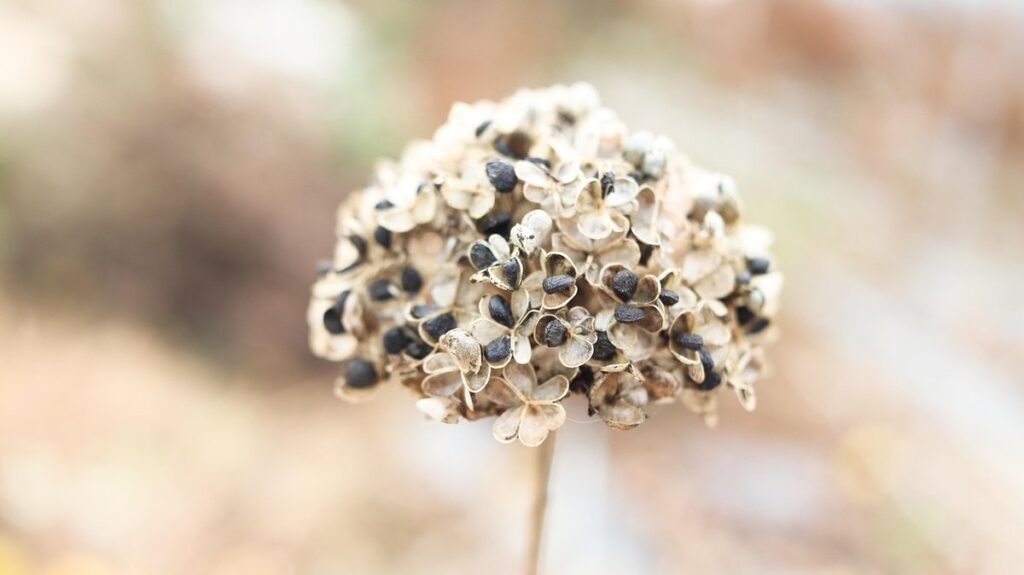
Choosing the Right Variety and Seeds
When it comes to growing green onions from seed, selecting the right variety is crucial for success. Let’s explore the factors to consider when choosing the perfect seeds for your needs.
Understanding Green Onion Varieties
When growing green onions from seed, it’s crucial to choose a variety that suits your needs and growing conditions. There are numerous types of green onions, each with its unique characteristics, growth habits, flavors, and uses.
For indoor growing, compact varieties like ‘Beltsville Bunching’ or ‘Evergreen Hardy White’ are ideal due to their smaller size and slower growth rate. These varieties thrive in containers and can be harvested continuously, making them perfect for small spaces.
On the other hand, outdoor growers can opt for larger varieties such as ‘Ebenezer’ or ‘Giant Beltsville’, which grow up to 12 inches tall and produce a more robust flavor. They require deeper soil and more space to spread out but are better suited for hot summer weather.
When selecting a green onion variety, consider the intended use. Some varieties have a stronger flavor profile, making them ideal for cooking, while others have a milder taste suitable for salads or garnishes.
Regardless of the variety, ensure it’s disease-resistant and suitable for your climate to minimize maintenance and ensure optimal growth.
Selecting High-Quality Seeds
When it comes to growing green onions from seed, selecting high-quality seeds is crucial for a successful harvest. A reputable supplier can make all the difference in ensuring that your seeds meet the required standards of freshness and germination rates.
One key factor to consider when choosing seeds is their age. Freshness matters – look for suppliers who ship new stock regularly or those that clearly label their seed packets with the production date. Seeds that are too old may have reduced viability, leading to lower germination rates and weaker seedlings.
Another consideration is the type of seed: heirloom versus hybrid. Heirloom seeds offer a range of benefits, including better flavor and texture. They also allow for saving and replanting your own seeds from harvest, which can be a cost-effective option in the long run. However, they may have lower germination rates compared to hybrids. Hybrid seeds, on the other hand, are bred specifically for high yields and disease resistance but may not produce as robust or flavorful bulbs.
When selecting seeds, research reputable suppliers like Seed Savers Exchange or Baker Creek Heirloom Seeds, who specialize in organic, non-GMO options. These companies have a track record of providing high-quality, fresh seeds that will give you the best chance at success.
Preparing the Growing Medium
Before we dive into sowing those seeds, let’s create a perfect growing environment by preparing the medium that our green onions will call home. This involves mixing specific ingredients to achieve optimal drainage and fertility.
Soil Requirements for Green Onions
When it comes to growing green onions, soil quality plays a crucial role in their success. To ensure optimal growth, you’ll want to focus on creating a well-balanced and nutrient-rich environment.
The ideal pH range for growing green onions is between 6.0 and 7.0. This slightly acidic to neutral range allows for the best absorption of nutrients by the roots. If your soil’s pH falls outside this range, you can easily adjust it with lime or sulfur. To test your soil, use a DIY kit or send a sample to a lab for analysis.
In terms of nutrient requirements, green onions are relatively low-maintenance and don’t need a lot of added fertilizers. However, they do benefit from a balanced diet of nitrogen (N), phosphorus (P), and potassium (K). You can add a 5-10-5 NPK fertilizer at planting time to give your seedlings a boost. If you’re using potting mix, look for one that’s specifically designed for green onions and contains the necessary nutrients.
Regular soil testing will help you catch any nutrient deficiencies or pH imbalances early on, ensuring your green onions get everything they need to thrive.
Hydroponic vs. Soil-Grown Options
When it comes to growing green onions, you have two primary options: hydroponic systems and traditional soil-based methods. Both have their advantages and disadvantages that can impact the health and flavor of your crop.
Hydroponic systems offer several benefits, including increased yields, faster growth rates, and reduced water consumption. These systems allow for precise control over nutrient delivery, which is especially important for green onions, as they require a balanced diet to grow well. Additionally, hydroponics can be more space-efficient, making it ideal for small gardens or indoor growing setups.
On the other hand, traditional soil-based methods have their own advantages. Soil provides natural nutrients and support for plant roots, which can result in a more robust flavor profile. However, this method requires more maintenance, as you’ll need to ensure the soil remains well-draining and nutrient-rich.
In reality, many gardeners choose a hybrid approach that combines elements of both systems. This may involve using hydroponics for seedlings and then transferring them to a soil-based bed. Ultimately, the choice between hydroponic and soil-grown green onions depends on your specific needs and preferences.
Sowing Seeds for Optimal Growth
When sowing seeds for optimal growth, it’s essential to choose a location with plenty of indirect light and maintain a consistent moisture level. This helps ensure healthy germination and strong onion development.
Seed Starting Techniques
When it comes to growing green onions from seed, getting them started off right is crucial for optimal growth. One of the most common methods is direct sowing – simply planting seeds directly into a pot or garden bed. This method has its benefits: it’s quick and easy, and requires minimal equipment. Seeds can be sown as soon as they’re ready to plant, and you’ll have onions in as little as 6-8 weeks.
Another popular technique is the sow-and-let-them-grow approach. Similar to direct sowing, but with a twist – seeds are planted close together, so eventually, you’ll end up with a batch of scallions that can be harvested all at once. This method works well if you’re short on space or want a rapid harvest.
Using a propagation tray is another effective way to start your green onions from seed. These trays typically feature small individual cells where seeds are sown, then placed in a warm location until germination occurs. The benefits of using a propagation tray include precise control over temperature and moisture levels, which can be especially helpful for sensitive varieties. However, these trays also tend to be more expensive than other options.
Providing Adequate Light and Temperature
Providing adequate light and temperature is crucial for healthy growth of green onion seedlings. Green onions require bright, indirect light to photosynthesize efficiently. Direct sunlight can be too intense, causing scorching and weak stems. For optimal growth, place seedlings 6-8 inches away from a sunny windowsill or under grow lights with a low-medium intensity setting.
Maintain a temperature between 65°F (18°C) and 75°F (24°C). Avoid placing seedlings near heating vents or radiators, as sudden changes in temperature can cause stress. Cooler temperatures below 55°F (13°C) will slow down growth, while temperatures above 85°F (29°C) may lead to bolting.
Water your seedlings when the top inch of soil feels dry. Monitor their response to changing light and temperature conditions. If you notice any issues, adjust the lighting or move them to a more suitable location. By providing these optimal growing conditions, you’ll be well on your way to nurturing healthy, crunchy green onions from seed.
Caring for Green Onion Seedlings
Now that your green onion seedlings are germinated and growing, it’s time to focus on providing them with the right care to ensure a healthy harvest. This section will cover essential tips for maintaining optimal growth and preventing common issues.
Watering and Humidity Management
Maintaining the right watering schedule and humidity levels is crucial for young green onion seedlings. Overwatering can lead to waterlogged soil, causing roots to rot, while underwatering can result in weak and spindly growth.
Water your green onion seedlings when the top inch of soil feels dry to the touch. Check the moisture by sticking your finger into the soil up to the first knuckle. Water thoroughly, making sure not to wash away the delicate seeds. Aim for about 1-2 inches of water per week, either from rain or irrigation.
Humidity levels should be kept around 60-70% during the day and slightly lower at night. You can achieve this by placing the seedlings on a tray filled with water and pebbles or using a humidifier nearby. Avoid overwatering in low-humidity environments, as this can lead to fungal diseases.
Keep an eye out for signs of drying out, such as yellowing leaves or droopy stems, and adjust your watering schedule accordingly. With the right balance of moisture and humidity, your green onion seedlings will thrive and be ready for harvest within 20-25 days.
Fertilizing for Maximum Growth
When it comes to fertilizing your green onion seedlings, timing and type are crucial for maximum growth. One popular method is liquid feeding, where you apply a balanced fertilizer directly to the soil at 1-2 week intervals. This approach allows for quick absorption by the roots.
For a more natural approach, consider using organic options like compost tea or fish emulsion. These alternatives promote beneficial microbial activity and provide essential nutrients without burning your seedlings’ delicate roots. When using organic fertilizers, start with a dilute solution (about 10%) to avoid over-fertilizing.
Another option is soil amendments, such as adding well-rotted manure or worm casting to the potting mix. These natural additives improve drainage and aeration while providing slow-release nutrients. To promote healthy root development, avoid over-watering and ensure your seedlings receive adequate light.
Some key tips to keep in mind: start with a balanced fertilizer (10-10-10 NPK), apply at half-strength for the first month or so, and monitor your plants’ response. If you notice yellowing leaves or stunted growth, reduce fertilization frequency or switch to an organic option.
Pruning and Harvesting Green Onions
Now that you’ve got your green onions growing, it’s time to harvest them at their peak flavor and freshness. Learn how to properly prune and harvest for a continuous supply of delicious homegrown onions.
How to Prune for Continuous Harvests
Pruning green onions to encourage bushy growth and maximize harvest yields is an art that requires regular attention. To achieve continuous harvests, you need to prune the onions at the right time, removing only what’s necessary to promote healthy regrowth.
When pruning green onions, it’s essential to remove the flower stalk as soon as it appears. This will redirect the plant’s energy towards producing new leaves and stems instead of seeds. Simply snip off the flower head about an inch above the onion bulb, making sure not to damage any surrounding foliage. Remove any weak or spindly growth to maintain a bushy shape and encourage the onions to focus their energy on developing new shoots.
By pruning regularly, you’ll be able to harvest individual leaves as needed, while also encouraging the onions to produce more and more new growth over time. In fact, some gardeners find that pruning every week or two is enough to keep their green onion crop thriving and productive throughout the growing season.
Tips for Successful Harvesting
Identifying when green onions are ready to be harvested can be a challenge, but there are some key signs to look out for. Check the size and color of the leaves; when they reach about 6-8 inches tall and have a good balance of green and white, it’s time to harvest. You can also gently dig around the base of the plant with your fingers to feel if the bulb has formed.
When harvesting, make sure to cut off the onions at the base of the stem, leaving about an inch of stem intact. This will help prevent damage to the bulb and allow the plant to continue growing new leaves. To avoid spreading diseases, it’s essential to harvest regularly, taking only what you need, rather than waiting until they’re fully mature.
Cutting off just the green leaves can also be a good option for continuous harvesting. Simply snip off the tops, leaving about half an inch of stem intact, and the plant will continue to produce new growth from the center. This technique is ideal for small-scale harvests or when you want to encourage regrowth.
Troubleshooting Common Issues
Don’t worry if things don’t go as planned, we’ve got you covered. This section will tackle common issues that can arise when growing green onions from seed and offer solutions to get your crop back on track.
Identifying Pests and Diseases
When growing green onions from seed, it’s essential to keep an eye out for common pests and diseases that can affect your young seedlings. One of the most prevalent pests is the aphid, which feeds on the sap of the plants, causing curled or distorted leaves. Whiteflies are another culprit, spreading disease as they feed on plant juices.
Diseases such as powdery mildew and downy mildew can also infect green onion seedlings, weakening their growth and potentially killing them if left untreated. Organic control methods include introducing beneficial insects like ladybugs or lacewings to prey on aphids and whiteflies. You can also use neem oil or insecticidal soap to manage pest infestations.
For diseases, try improving air circulation around your seedlings by thinning out plants and increasing space between pots. Remove any infected leaves or stems immediately to prevent the spread of disease. If necessary, apply a fungicide specifically designed for green onions to treat powdery mildew or downy mildew infections. Regular monitoring and early intervention can save your crop from these common issues.
Dealing with Nutrient Deficiencies
As you nurture your green onion seedlings, it’s essential to recognize potential nutrient deficiencies that can hinder their growth. Nutrient deficiencies can arise from soil composition, watering habits, or insufficient fertilization. To address these issues, let’s examine the most common nutrient deficiencies affecting green onions.
Nitrogen Deficiency: A lack of nitrogen can cause stunted growth, pale leaves, and delayed bulb formation. To rectify this, add a balanced fertilizer with an NPK ratio (e.g., 10-10-10) to your soil once a month. Alternatively, side-dress with a high-nitrogen fertilizer (such as 20-5-5) to promote green growth.
Phosphorus Deficiency: Insufficient phosphorus can lead to slow bulb formation and weak roots. Apply a starter fertilizer containing phosphorus (e.g., 10-20-10) at planting time or once the seedlings reach about 6 inches tall.
Regular monitoring of your plants’ appearance, soil pH, and nutrient levels will help you catch any potential deficiencies early on. Adjusting your fertilization schedule accordingly will prevent nutrient imbalances from affecting your green onion crop’s growth.
Conclusion: Growing Green Onions from Seed Success Tips
Now that you’ve successfully grown your green onions from seed, it’s time to keep them thriving. One key tip is to harvest them regularly, as this will encourage new growth and prevent them from flowering prematurely. To do this, simply cut off the leaves at the base of the stem using a pair of scissors or pinch them off with your fingers. By doing so, you’ll be able to enjoy a continuous supply of fresh green onions.
Keep in mind that it’s also essential to provide your green onions with adequate light and water. A well-draining potting mix and consistent moisture will help prevent root rot and other issues that can plague young seedlings. Additionally, be patient – it may take 7-10 days for the seeds to germinate, so don’t get discouraged if you don’t see immediate results. With a little care and attention, your green onions should continue to grow strong and healthy.
Frequently Asked Questions
Can I grow green onions indoors year-round with minimal light?
Yes, varieties like ‘Beltsville Bunching’ and ‘Evergreen Hardy White’ are ideal for indoor growing due to their compact size and slower growth rate. These varieties can thrive in low-light conditions, making them perfect for indoor gardens during the winter months or in areas with limited natural light.
How often should I water green onion seedlings?
Water your green onion seedlings when the top inch of soil feels dry to the touch. Water gently but thoroughly, making sure not to overwater, which can lead to root rot and other issues. The frequency of watering will depend on the climate, humidity, and growth stage of your plants.
What’s the best way to prevent pests from attacking my green onions?
To prevent pests like aphids and spider mites, keep your green onion beds clean and free of debris. Use neem oil or insecticidal soap to control infestations, and introduce beneficial insects like ladybugs or lacewings to your garden to help maintain a balance of nature.
Can I grow green onions in a hydroponic system?
Yes, green onions can be grown successfully in a hydroponic system. In fact, hydroponics can provide more precise control over nutrient delivery and water levels, which can lead to healthier and more consistent growth. Make sure to choose a variety that’s well-suited for hydroponic growing.
How long does it take to harvest green onions from seed?
The time to harvest will depend on the variety you’re growing and the conditions in your garden. Generally, it takes around 60-90 days from sowing seeds to harvesting green onions. Some varieties like ‘Beltsville Bunching’ can be harvested continuously, while others may require more time between harvests.