
If you’re looking for a cost-effective way to add flavor to your cooking, growing garlic from a clove is an excellent option. Not only is homegrown garlic delicious, but it’s also surprisingly easy to cultivate. However, with so many varieties of garlic available, it can be daunting to know where to start.
In this comprehensive guide, we’ll walk you through the process of growing garlic from a clove, covering essential topics such as selecting the right variety for your climate and needs, preparing the soil for optimal growth, planting techniques, and harvesting tips. By following our step-by-step instructions, you’ll be able to enjoy a bountiful harvest of fresh, fragrant garlic right in your own backyard. Whether you’re a seasoned gardener or just starting out, this guide has everything you need to know about growing garlic from a clove.
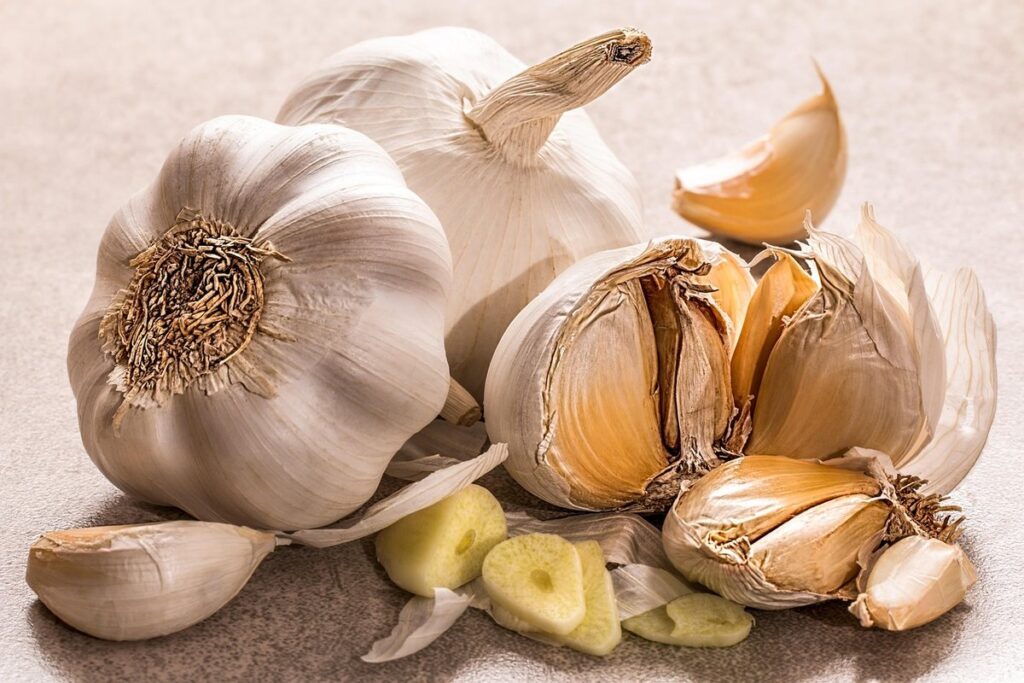
Choosing the Right Garlic Variety
When it comes to growing garlic from a clove, selecting the right variety is crucial for success. Let’s take a look at the different types of garlic and their unique characteristics.
Selecting the Correct Type of Garlic for Your Region
When selecting garlic for your region, it’s essential to consider the type that will thrive best in your climate. In temperate regions with mild winters and warm summers, Hardneck Garlic is an excellent choice. Its stouter neck allows it to grow better in cooler temperatures, making it ideal for areas like the northern United States or Europe.
In contrast, Softneck Garlic performs well in warmer climates with hot summers and mild winters. It’s more tolerant of heat and requires less maintenance than hardneck varieties. This type is suitable for regions like California or Florida, where temperatures rarely drop below 30°F (-1°C).
If you live in areas with extremely cold winters or short growing seasons, Elephant Garlic might be the better option. Its thick layers provide natural insulation against frost, allowing it to survive temperatures as low as -20°F (-29°C). However, its growth is slower and more labor-intensive.
Consider your region’s specific climate conditions when choosing a garlic type. Some nurseries also offer hybrid varieties that combine desirable traits from different types, making them suitable for broader climates.
Factors to Consider When Buying Garlic Cloves
When buying garlic cloves for growing, it’s essential to consider a few key factors to ensure you get high-quality bulbs that will thrive. First and foremost, check the freshness of the cloves. Fresh garlic should have a pungent aroma and feel firm to the touch. Avoid cloves with soft spots or a weak smell, as they may be past their prime.
When it comes to size, larger cloves tend to produce better results. This is because they contain more nutrients and energy for the plant to grow. Opt for cloves that are around 1-2 inches in diameter, as these will give you the best chance of success.
Lastly, inspect the quality of the garlic. Look for bulbs with no visible signs of mold or rot. The skin should be intact, and the cloves should be evenly sized. If possible, choose organic or heirloom varieties, which tend to have more complex flavor profiles and better nutritional content.
Remember, investing in high-quality garlic cloves will pay off in the long run with a healthier, more productive harvest.
Preparing the Soil and Climate
Before planting your garlic clove, let’s get your soil and climate ready for optimal growth – a great foundation is essential to producing robust and healthy bulbs. We’ll cover all you need to know in this crucial step.
Creating an Ideal Environment for Garlic Growth
To create an ideal environment for garlic growth, it’s essential to consider three critical factors: sunlight, temperature, and soil type. Garlic needs plenty of sunlight to grow well, so choose a spot that receives at least six hours of direct sunlight per day. However, be cautious not to expose the bulbs to intense afternoon sun, which can cause them to become scorched.
Temperature is also crucial for garlic growth. In temperate climates, plant garlic in fall or early spring when temperatures range from 40°F to 70°F (4°C to 21°C). Avoid planting in areas with frost or extreme heat. Garlic prefers well-draining soil that’s rich in organic matter and has a pH between 6.0 and 7.0.
When selecting a location, consider the soil type as well. Garlic grows best in sandy loam or clay-loam soils. If your soil is heavy clay or sandy, amend it with compost or well-rotted manure to improve its structure. Ensure the area is free from standing water, which can lead to rot and disease.
Tips for Improving Your Soil’s Fertility for Garlic Cultivation
To grow garlic successfully, it’s essential to prepare your soil for optimal fertility. Garlic thrives in well-draining, rich soil with a pH between 6.0 and 7.0. To achieve this, you can add organic matter such as compost or well-rotted manure to your soil. A general rule of thumb is to mix in 2-3 inches of compost into the top 8-10 inches of soil. This will improve drainage, increase nutrient availability, and support beneficial microbial activity.
When testing your soil pH, keep in mind that garlic can tolerate a slightly acidic to neutral soil environment. If your soil is too alkaline or acidic, you may need to adjust it before planting. For example, if your soil test reveals a pH of 8.0, you may want to add elemental sulfur to lower the pH.
In addition to adjusting pH levels and adding organic matter, consider incorporating other nutrients such as calcium and magnesium into your soil. These elements are crucial for garlic growth and can be added through natural fertilizers or commercial products. By preparing your soil with these simple steps, you’ll set your garlic crop up for success.
Planting Garlic Cloves
To plant garlic cloves, start by loosening the soil and creating a small hole that’s just deep enough to accommodate the clove’s roots. Place the clove in the hole, pointed end up.
The Correct Method for Planting Individual Cloves
When planting individual cloves, it’s essential to follow a specific method to ensure successful growth. Start by selecting a location with well-draining soil and full sun to partial shade. Make a small incision at the top of each clove, just deep enough to expose the white base. This will help the clove develop roots more easily.
Plant the cloves 4-6 inches apart, depending on the variety you’re growing. For smaller varieties, space them 3-4 inches apart, while larger varieties require 6-8 inches of space. Plant them 2-3 inches deep, making sure the pointed end is facing upwards. Cover the clove with a thin layer of soil and gently firm it in place.
As you plant each clove, make sure to leave about an inch between each one to allow for air circulation and easy harvesting. It’s also essential to space them evenly to prevent overcrowding, which can lead to disease and pest issues. By following these simple steps, you’ll be well on your way to growing healthy garlic from individual cloves.
Best Practices for Sowing Garlic in Large Quantities
When it’s time to plant multiple garlic cloves at once, you’ll want to consider strategies that optimize growth. To start, choose a location with well-draining soil and full sun – ideal conditions for a thriving garlic crop.
For sowing large quantities of garlic, plan the spacing carefully. Aim for about 4-6 inches between each clove, ensuring proper air circulation and room for growth. This will also prevent overcrowding, which can lead to fungal diseases and reduced yields.
Another crucial aspect is soil preparation. Before planting, loosen the top 8-10 inches of soil to allow roots to grow freely. Mix in compost or well-rotted manure to enrich the soil with essential nutrients. You can also use a balanced fertilizer specifically designed for garlic to give your crop an extra boost.
Consider sowing in rows, allowing you to plant multiple cloves at once while maintaining the necessary spacing between each one. For example, if you’re planting 50 cloves, divide them evenly across five rows with ten cloves per row.
Caring for Your Garlic Crop
Now that your garlic has sprouted, it’s essential to provide it with proper care to ensure a bountiful harvest. In this next step, we’ll cover how to nurture and protect your crop.
Watering and Mulching Techniques for Healthy Growth
When it comes to growing garlic from a clove, providing the right conditions for optimal growth is crucial. Proper watering and mulching techniques play a significant role in this process. Garlic needs consistent moisture levels throughout its growth cycle, especially during the first 6-8 weeks after planting.
To achieve healthy growth, water your garlic crop when the top inch of soil feels dry to the touch. Avoid overwatering, as this can lead to root rot and other issues. Instead, focus on providing a steady supply of moisture by watering every 2-3 days during hot or dry spells.
Mulching around the base of your garlic plants is also essential for retaining moisture and suppressing weeds. Organic mulch materials like straw, wood chips, or leaves are excellent choices. Apply a 2-inch layer around the base of each plant, keeping it several inches away from the cloves to prevent rot.
Regularly inspect your mulched area for signs of weed growth and remove them promptly to maintain optimal growing conditions. By incorporating proper watering and mulching practices into your garlic-growing routine, you’ll be well on your way to harvesting a healthy and thriving crop.
How to Control Pests and Diseases Affecting Garlic Plants
Garlic plants are susceptible to various pests and diseases that can significantly impact their growth and yield. Among the most common problems faced by garlic growers are aphids, spider mites, and root maggots. Aphids are small, soft-bodied insects that feed on plant sap, causing curled or distorted leaves. To control aphid infestations, spray your plants with a mixture of soap and water.
Spider mites are tiny arachnids that feed on plant juices, causing yellowing or bronzing of leaves. Check for spider mite infestations by gently shaking the leaf over a white sheet of paper – if you see moving dots, it’s likely an issue. To treat spider mites, use neem oil as a pesticide.
Root maggots are larvae that feed on plant roots, causing stunted growth and yellowing leaves. Prevent root maggot infestations by ensuring proper soil drainage and a balanced fertilizer routine.
Harvesting and Storing Garlic
Now that your garlic is mature, let’s move on to harvesting it carefully to preserve its flavor and quality. Proper storage techniques will also keep your harvest fresh for months to come.
Timing the Perfect Moment for Harvesting Your Garlic Crop
Knowing when to harvest your garlic crop is crucial to ensuring its quality and flavor. As your plants approach maturity, there are several visual cues you can look out for to determine if they’re ready.
Start by checking the foliage. When the leaves begin to yellow and fall over, it’s a sign that the bulbs are fully formed underground. This process usually takes around 3-4 months after planting, depending on weather conditions. Next, carefully dig up one of your garlic plants, being careful not to damage the bulb. If the cloves feel large and firm to the touch, with papery skin starting to form, it’s likely that they’re ready.
For a more accurate assessment, perform a taste test by gently peeling one of the cloves and taking a small bite. If it’s sweet and has a strong garlic flavor, it’s ready for harvest. Avoid waiting too long, as this can cause the bulbs to become woody and lose their flavor. Typically, garlic is harvested in mid-summer when the foliage has died back completely, but check your specific variety for optimal harvesting time.
Tips for Properly Storing and Preserving Your Harvested Garlic
Once you’ve successfully harvested your garlic, it’s essential to store and preserve it properly to maintain its quality and flavor. If not stored correctly, garlic can become moldy, develop an unpleasant flavor, or even sprout.
To prevent these issues, make sure the harvested bulbs are cured completely, with no signs of moisture or green shoots. Then, separate the individual cloves, making sure each one is clean and dry. You can store them in paper bags or breathable containers like mesh bags or a ventilated plastic bag.
For long-term storage, you’ll want to keep your garlic cool, dark, and dry. A temperature between 40°F (4°C) and 50°F (10°C) is ideal. Avoid storing garlic near potatoes as they release moisture that can cause the garlic to sprout. Instead, store them in a location with good air circulation, such as a pantry or cupboard.
It’s also crucial to check on your stored garlic regularly for any signs of spoilage. If you notice mold or an off smell, remove the affected cloves immediately to prevent the issue from spreading.
Troubleshooting Common Issues with Garlic Growth
We’ve covered the basics of growing garlic from a clove, but we know that things don’t always go as planned. Let’s tackle some common issues you might encounter along the way.
Identifying and Resolving Common Problems Affecting Garlic Plants
Garlic growth can be affected by various issues, making it essential to identify and resolve them promptly. Poor germination is one common problem that occurs when cloves fail to sprout or grow. This can be due to factors such as low-quality cloves, insufficient moisture, or inadequate temperature conditions.
Pests like aphids, spider mites, and thrips can also impact garlic growth by damaging the leaves and causing yellowing or discoloration. Regularly inspect your plants for signs of infestation and use organic pest control methods like neem oil or insecticidal soap to address these issues.
Diseases such as fungal infections (e.g., downy mildew, leaf spot) and bacterial blights can also affect garlic growth. These are often caused by overwatering, poor air circulation, or contaminated soil. Practice good sanitation habits, avoid overhead watering, and maintain a healthy balance of nutrients in the soil to prevent these issues.
Monitoring your plants regularly and taking prompt action when problems arise will help ensure successful garlic growth.
Strategies for Optimizing Your Garlic Harvest and Yields
To maximize your garlic harvest and yields, it’s essential to employ some strategic techniques. First, pruning is crucial for promoting healthy growth and preventing bulb splitting. Prune the garlic plants when the tops begin to yellow and fall over, leaving about an inch of stem attached to the bulb. This will direct the plant’s energy towards bulbing, resulting in larger cloves.
Regular fertilization is also vital for optimal yields. Feed your garlic plants with a balanced fertilizer once a month, starting from the time they reach 6-8 inches tall. You can also side-dress with a high-phosphorus fertilizer to promote flowering and seed production.
Another key factor is adequate moisture. Garlic needs about 1 inch of water per week, either from rainfall or irrigation. Be sure to mulch around the plants to retain soil moisture and suppress weeds.
To further enhance your yields, consider planting garlic varieties specifically bred for high yields, such as ‘Elephant’ or ‘Rocambole’. These varieties tend to produce more cloves per bulb than others.
Frequently Asked Questions
What happens if I don’t separate the garlic cloves correctly before planting?
When separating garlic cloves, make sure to leave a small amount of papery skin intact on each clove, as this helps prevent moisture loss and promotes healthy growth.
Can I grow garlic in containers or is it strictly for ground cultivation?
Yes, you can grow garlic in containers! Choose a container that’s at least 6-8 inches deep and has good drainage holes. Use well-draining potting mix and follow the same care instructions as for ground-grown garlic.
How do I identify potential pests or diseases affecting my garlic crop?
Regularly inspect your garlic plants for signs of pests like aphids, spider mites, or slugs. Look for symptoms like yellowing leaves, black spots, or powdery mildew. If you notice any issues, take action promptly by removing infected plants and applying organic pest control methods.
Can I grow garlic year-round in tropical climates?
No, it’s best to plant garlic in the fall or early spring in tropical climates, as this allows the crop to mature before the heat of summer sets in. Planting during these times also reduces the risk of pests and diseases that thrive in warmer temperatures.
What are some tips for improving soil fertility for optimal garlic growth?
Add well-rotted compost or manure to improve soil structure and fertility. Also, incorporate a balanced fertilizer specifically formulated for vegetables into your soil preparation routine. This will provide your garlic plants with the necessary nutrients for healthy growth.