
If you’re looking to get started with growing your own fruit, but don’t have a lot of space or time to wait for harvests, fast-growing fruits are the way to go. Not only do they produce delicious and nutritious crops in as little as 60 days, but they also require minimal care and can thrive in a variety of conditions. The key to growing quick-harvesting fruits is choosing the right climate and soil conditions. With expert advice on how to select the perfect variety for your needs, you’ll be well on your way to enjoying a bountiful harvest of juicy berries, crisp apples, or sweet citrus.
In this article, we’ll explore some of the top fast-growing fruit varieties, including tips on how to choose the right climate and soil conditions. You’ll also learn expert advice on caring for quick-harvesting fruits, from planting and maintenance to harvesting and enjoying your homegrown produce. By the end of this article, you’ll be equipped with everything you need to start growing delicious and nutritious fruit in no time!
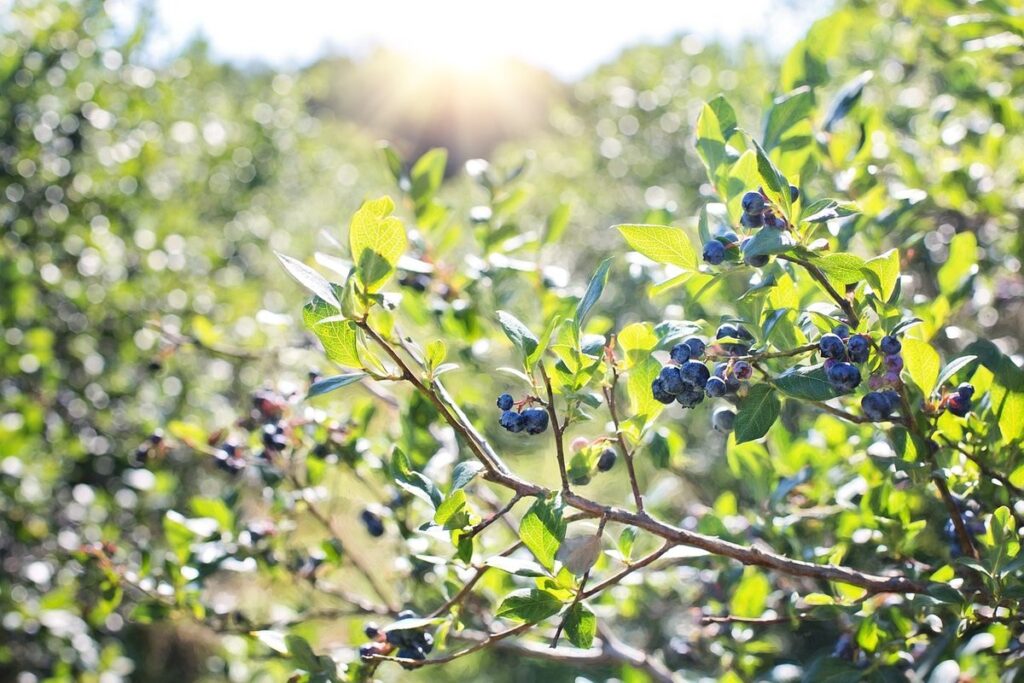
Choosing the Right Quick-Growing Fruit Varieties
When selecting quick-growing fruit varieties, consider factors such as climate, space, and intended use to ensure you choose the best fruits for your needs. This selection process can make all the difference in a bountiful harvest.
Understanding the Importance of Climate and Soil Conditions
When growing quick-growing fruits, it’s essential to consider the impact of climate and soil conditions on their growth rates. The optimal environment for these fruits is characterized by a warm temperature range between 65°F to 75°F (18°C to 24°C), adequate sunlight, and well-draining fertile soil.
However, not all climates are suitable for growing quick-growing fruits. For instance, areas with extremely cold winters or hot summers may require special care or protection. In such cases, selecting varieties that are tolerant of these conditions can be beneficial.
In less-than-ideal environments, you can still adapt by providing the necessary support and care. For example, if your soil is heavy clay or sandy, mix in compost to improve its structure. Regular watering, pruning, and fertilization can also compensate for suboptimal climate conditions.
Some quick-growing fruit varieties are more forgiving than others when it comes to environmental stressors. Look for varieties that have been bred specifically for their adaptability, such as citrus or grapes. By understanding the specific needs of your chosen variety and taking steps to mitigate adverse conditions, you can still achieve a successful harvest despite challenging climate or soil conditions.
Fast-Growing Fruit Trees vs. Bushes: What’s the Difference?
When it comes to quick-growing fruit varieties, two popular options are fast-growing fruit trees and bushes. While both can provide a bountiful harvest in a short period, they have distinct growth habits that may suit different spaces and needs.
Fast-growing fruit trees tend to grow upwards, often requiring support as they mature. They offer a more substantial yield per plant but take up more space due to their vertical growth. For instance, dwarf citrus trees can produce an abundance of oranges or lemons within 2-3 years and reach heights of around 6-8 feet. On the other hand, bushes like strawberries or blueberries are compact, spreading types that require minimal support. They may need regular pruning to maintain shape but can thrive in smaller spaces.
Consider your available space and desired harvest size when choosing between fast-growing fruit trees and bushes. If you have room for a more substantial tree, it might be the better option. However, if you’re working with limited space, compact bushes could be the way to go. Ultimately, selecting the right type of quick-growing fruit will depend on your specific needs and circumstances.
Top 5 Fruits That Grow Quickly
When it comes to growing your own fruits, there are some incredible options that will reward you with a harvest in no time. Let’s take a look at our top picks for fast-growing fruits!
1. Strawberries – The Quickest Fruit to Harvest
Strawberries are undoubtedly one of the quickest fruits to harvest. They have an incredibly fast growth rate and can produce multiple harvests throughout a single growing season. Typically, strawberry plants take only 60-90 days from planting to producing their first crop. Not only is this impressive, but it also means you’ll be enjoying fresh strawberries in no time.
To encourage frequent harvesting, make sure your strawberry plants receive at least six hours of direct sunlight each day and are watered consistently. It’s essential to keep the soil moist but not waterlogged, as this can lead to root rot. As for fertilization, use a balanced fertilizer once a month to promote healthy growth. When it comes to harvesting, you’ll know it’s time when the berries start to turn red or yellow, depending on their specific variety.
Some strawberry varieties are bred specifically for their rapid production, such as ‘Albion’ and ‘Fern’. These plants can produce up to three harvests in a single season. By planting multiple rows with different varieties, you can extend your strawberry harvest period even further. With proper care, strawberries will continue to thrive, making them an excellent choice for gardeners seeking fast-growing fruits.
2. Citrus Fruits (Oranges, Lemons, Limes)
When it comes to quick-growing citrus fruits, oranges, lemons, and limes are popular choices among gardeners. These plants thrive in full sun, requiring at least 6 hours of direct sunlight per day. Water needs for citrus fruits vary depending on the climate and soil type, but they generally prefer well-draining soil and moderate watering.
Common pests affecting citrus trees include aphids, whiteflies, and mealybugs. Regular pruning and monitoring can help prevent infestations. Fungal diseases like root rot and leaf spot can also be problematic; ensure good air circulation around the plants to reduce the risk of infection.
To grow healthy citrus fruits quickly, choose a variety that suits your climate and provides the necessary conditions for optimal growth. For example, dwarf varieties like ‘Dwarf Washington’ navel orange or ‘Meyer’ lemon are compact and produce fruit within 2-3 years.
When planting citrus trees, space them at least 10-15 feet apart to allow for proper air circulation and easy access for pruning. By understanding the specific needs of quick-growing citrus fruits, you can create a thriving and productive garden that yields delicious fruit in no time. Regular fertilization with a balanced citrus fertilizer will also promote healthy growth and fruiting.
3. Grapes – A Fast-Growing Fruit Perfect for Small Spaces
Grapes are an excellent choice for small spaces due to their compact growth habits and adaptable nature. They can thrive in containers as small as 6-8 inches deep, making them perfect for balconies, patios, or tiny gardens. In fact, many grape varieties have been bred specifically for container growing, such as the ‘Red Globe’ and ‘Thompson Seedless’ types.
To grow grapes in a small space, start by selecting a self-fertile variety to avoid the need for multiple plants. Plant one vine per 6-8 inch container, using a well-draining potting mix specifically designed for fruiting plants. Water regularly, but avoid overwatering, which can lead to root rot and other issues.
Provide a trellis or support system for your grapevine to grow upwards, keeping the roots contained within the pot. Prune your vine regularly to encourage bushy growth and prevent it from becoming too leggy. With proper care and attention, you can expect to harvest delicious grapes in as little as 6-8 months after planting.
How to Encourage Rapid Growth in Fruits
To encourage rapid growth in fruits, you’ll want to focus on providing optimal growing conditions and techniques that promote healthy plant development from seed to harvest. Let’s dive into the specifics!
Providing the Right Nutrients for Quick Growth
When it comes to encouraging rapid growth in fruits, providing the right nutrients is crucial. Nitrogen, phosphorus, and potassium are essential macronutrients that play a significant role in promoting healthy fruit growth. Nitrogen promotes leafy green growth, while phosphorus encourages root development and flower formation. Potassium helps with overall plant health and resistance to disease.
Micronutrients such as boron, copper, iron, manganese, molybdenum, zinc, and magnesium are also vital for fruit production. These micronutrients help regulate various physiological processes within the plant, ensuring it grows and produces fruits efficiently.
To support quick-growing fruits, consider using soil amendments that release nutrients slowly over time. For example, adding compost or well-rotted manure to the soil can provide a steady supply of essential nutrients. You can also use fertilizers specifically formulated for fruiting plants. A balanced fertilizer with a ratio of 10-10-10 (nitrogen-phosphorus-potassium) is an excellent choice.
Remember to follow the instructions on the fertilizer package and adjust application rates according to your plant’s specific needs. By providing the right nutrients, you’ll be well on your way to harvesting delicious fruits in no time!
Watering Strategies for Fast-Growing Fruits
When it comes to encouraging rapid growth in fruits, watering is a crucial aspect that often gets overlooked. However, the right watering strategy can make all the difference between a bountiful harvest and a disappointing yield. The frequency of watering depends on various factors such as climate, soil type, and the specific fruit variety.
In hot climates with well-draining soil, fast-growing fruits like strawberries and melons require consistent moisture to thrive. Aim to water them every 2-3 days during peak summer months. In contrast, fruits like citrus trees prefer a more relaxed watering schedule due to their drought tolerance. Water them only when the top inch of soil feels dry.
Soil type also plays a significant role in determining watering frequency. Sandy soils drain quickly and require more frequent watering, while clay soils retain moisture and should be watered less often. Pay attention to your fruit’s specific needs and adjust your watering schedule accordingly. For example, if you’re growing grapes in a region with low rainfall, consider installing an irrigation system to ensure consistent moisture levels.
Caring for Quick-Growing Fruit Plants
Now that you’ve got a bounty of quick-growing fruits, let’s dive into how to care for them to ensure they thrive and produce an abundance of delicious fruit. Proper care makes all the difference in getting the most out of these fast-harvesting plants.
Common Pests and Diseases Affecting Fast-Growing Fruits
When it comes to quick-growing fruits, they can be just as susceptible to pests and diseases as their slower counterparts. As a grower of these fast-harvesting fruits, it’s essential to know how to identify common issues and implement effective management strategies.
One of the most common pests affecting fruit plants is aphids. These small, soft-bodied insects feed on plant sap, causing curled or distorted leaves. Spider mites are another prevalent issue, feeding on plant fluids and leaving behind fine webbing. To manage these pests, use neem oil or insecticidal soap to control infestations.
Diseases can also impact your quick-growing fruits. Powdery mildew is a fungal disease that appears as white, powdery patches on leaves and stems. Root rot, caused by overwatering, leads to soft, mushy roots and plant collapse. Regularly inspect your plants for signs of disease, such as yellowing or dropping leaves.
To prevent diseases like root rot, ensure proper drainage in containers and avoid watering at night. Remove any infected areas, and maintain good air circulation around your plants. For fungal diseases like powdery mildew, use a fungicide specifically designed to target this issue.
Some quick-growing fruits are more prone to specific pests or diseases than others. Strawberries, for example, can be susceptible to aphids and powdery mildew, while blueberries may experience root rot due to acidic soil conditions. By understanding the common issues affecting your chosen fruit varieties, you’ll be better equipped to provide them with optimal care.
In addition to monitoring for pests and diseases, maintain a clean growing environment by disposing of debris and removing weeds. Regularly inspect your plants, taking action promptly if you spot any signs of distress.
Harvesting Your Quick-Growing Fruit
Now that you’ve planted and nurtured your quick-growing fruit, it’s time to reap the rewards – let’s dive into the best ways to harvest these tasty treats!
Timing the Perfect Harvest for Optimal Taste and Quality
When it comes to harvesting quick-growing fruits, timing is everything. Picking them at the right moment can make all the difference in their taste, texture, and overall quality. For instance, strawberries are ready to be harvested within 60 days of planting, while raspberries can produce two crops a year.
The key to harvesting quickly growing fruits is to check on them regularly, preferably daily. This will give you an idea of when they’re ripe and ready to pick. A simple test is to gently twist the fruit – if it comes off easily, it’s ready. For more delicate varieties like grapes or kiwis, a gentle tug should be enough.
To avoid over-maturity, harvest your fruits in the morning after the dew has dried but before the sun gets too strong. Overripe fruits can quickly spoil and lose their flavor. In contrast, under-ripe fruits will continue to ripen off the plant but may not develop their full potential.
For example, blueberries are typically ready 30 days after planting and should be picked when they’re firm but yield slightly to pressure. If you wait too long, their sweetness will decrease and their texture become unpleasantly tart.
Timing your harvest also depends on the specific weather conditions in your area. Droughts or extreme temperatures can affect fruit ripening, so it’s essential to stay vigilant and adapt your harvesting schedule accordingly. By keeping a close eye on your quick-growing fruits and checking for the right signs of ripeness, you’ll be able to enjoy them at their peak flavor and quality.
Conclusion: Enjoying the Fruits of Your Labor
As you’ve made it through this guide on quickly growing fruits, you’re probably eager to taste the fruits of your labor. Now that you know which fast-harvesting fruits to grow and how to care for them, it’s time to enjoy the rewards. Harvesting your fruits is a thrilling experience, especially when they ripen quickly like strawberries or blueberries. Take a moment to appreciate the process from planting to harvesting – it’s a true accomplishment.
To get the most out of your harvest, consider preserving some fruits through canning, freezing, or dehydrating. This way, you can enjoy your favorite fruits throughout the year, even when they’re not in season.
Frequently Asked Questions
Can I grow quick-growing fruits in containers or indoors?
Yes, many fast-growing fruit varieties can thrive in containers or indoor spaces with proper care and attention to climate and soil conditions. Make sure the container is at least 6-8 hours a day of direct sunlight and has good drainage to promote healthy growth.
How often should I water my quick-growing fruits to encourage rapid growth?
Water your fast-growing fruits regularly, but avoid overwatering, which can lead to root rot and other problems. Aim for about 1 inch of water per week, either from rainfall or irrigation, and adjust based on climate and soil conditions.
Can I grow multiple types of quick-growing fruits in the same garden bed?
Yes, many fast-growing fruit varieties can be grown together in the same garden bed, but consider factors like mature plant size, sunlight requirements, and nutrient competition. For example, strawberries and citrus trees have different spacing needs and light requirements.
How do I know when my quick-growing fruits are ready for harvest?
Check your plants regularly for signs of ripeness, such as color change (for strawberries and citrus), or tender skin (for grapes). Harvest your fast-growing fruits at the optimal time to ensure optimal taste and quality, usually within 60-90 days of planting.
Can I use organic methods to control pests and diseases on my quick-growing fruits?
Yes, many organic methods can help control pests and diseases on your fast-growing fruits. Consider using neem oil, diatomaceous earth, or introducing beneficial insects like bees or ladybugs to promote a healthy ecosystem and reduce chemical usage.