
As a gardener, you know that unexpected frosts can be devastating to your hard work. But what if you could protect your harvest and continue growing even when the temperatures drop? Frost-tolerant vegetables are just as delicious and nutritious as their non-frost-resistant counterparts, but they’re specifically bred to withstand chilly conditions.
In this article, we’ll explore how to choose the right varieties of frost-tolerant veggies for your garden, including brassicas like broccoli and kale, root crops like beets and carrots, and leafy greens. We’ll also share expert tips on using mulching and row covers to protect your plants from damage. Whether you’re a seasoned gardener or just starting out, this guide will help you prepare for unexpected frosts and enjoy a bountiful harvest all season long.
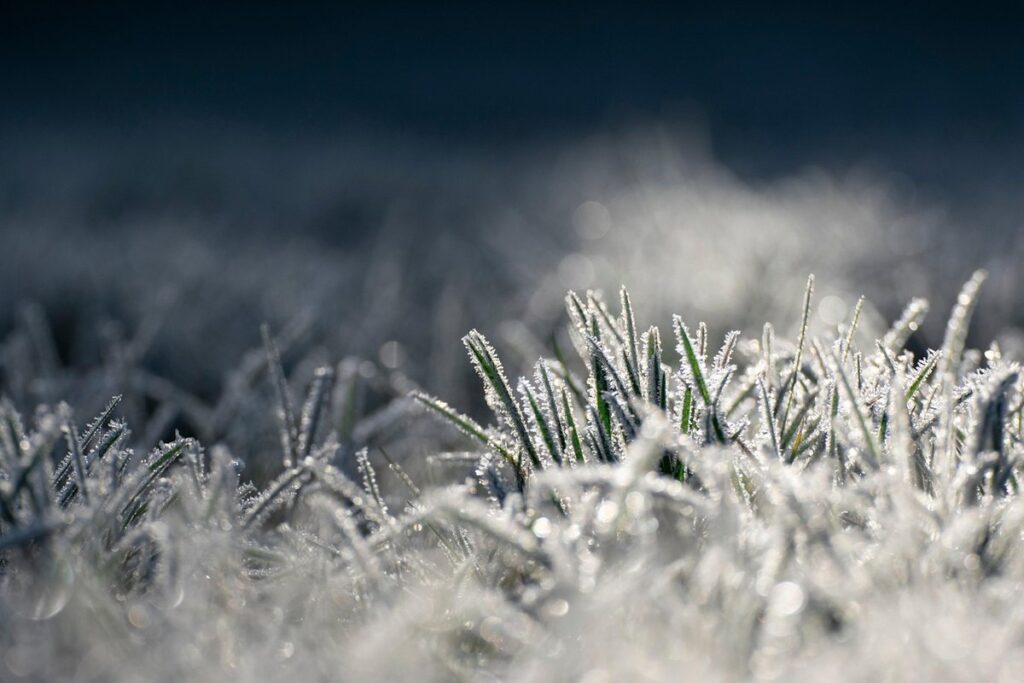
Understanding Frost Damage
When it comes to growing frost-tolerant vegetables, understanding how frost damage occurs is crucial for making informed decisions about your garden. In this next part of our guide, we’ll dive into what causes frost damage and its effects on plants.
Causes of Frost Damage to Vegetables
When plants are exposed to frost, the water inside their cells freezes, causing cellular damage and ultimately leading to tissue death. This type of damage can occur quickly, often within minutes, depending on the severity of the cold snap.
There are two primary types of frost damage: necrosis, which is visible as browning or blackening of leaves, and desiccation, where water is pulled out of cells, causing shriveling and wilting. The extent of damage depends on various factors, including temperature, duration, and intensity of the cold spell.
Temperature plays a crucial role in frost damage. Even light frosts can cause damage to sensitive plants, while prolonged exposure to temperatures below 25°F (-4°C) can lead to significant tissue death. Duration matters as well – even brief periods of extreme cold can be detrimental to certain crops.
In addition to temperature and duration, other factors contribute to the severity of frost damage, including plant variety, soil moisture, and wind chill.
How Frost Affects Different Types of Vegetables
When frost hits, different types of vegetables react differently. Leafy greens like kale and spinach are highly susceptible to damage from even a light frost. The cold temperatures cause the leaves to become brittle and eventually wilt, making them unpalatable for consumption.
Brassicas such as broccoli, cauliflower, and cabbage can tolerate some frost but prolonged exposure will still lead to significant damage. These vegetables have a harder outer layer that protects them from extreme cold, but repeated frosts can cause irreparable harm.
Root vegetables like carrots and beets are less affected by frost than other types of vegetables. Their underground storage organs protect them from the cold temperatures, allowing them to survive light frosts without sustaining significant damage.
However, even for frost-tolerant vegetables, prolonged exposure to freezing temperatures will still have an impact. To minimize damage, it’s essential to take preventative measures such as covering plants with a layer of mulch or using row covers to trap warm air close to the soil surface.
For those vegetable varieties that are not tolerant of frost, the best course of action is to remove any remaining damaged leaves and use them in cooked dishes where their texture will be less noticeable. This can help salvage what would otherwise be spoiled produce.
Choosing Frost-Tolerant Vegetable Varieties
When selecting vegetables for your garden, choosing varieties that can withstand frost is crucial. Here’s how to pick out the best options for a successful harvest in chilly climates.
Identifying Frost-Tolerant Varieties
When selecting frost-tolerant vegetable varieties, it’s essential to identify which specific plants can withstand light frosts. One of the most straightforward ways to do this is by checking plant tags or seed catalogs for detailed information about each variety.
Start by inspecting the plant labels at your local nursery or gardening store. Look for keywords like “frost-tolerant,” “cold-hardy,” or “winter-kale” that indicate a plant’s ability to resist frost damage. You can also search online for seed catalogs, which often provide detailed descriptions of each variety’s frost tolerance.
Pay attention to the specific temperature ranges mentioned in these resources, as some plants may only be able to withstand light frosts (26-32°F) while others can tolerate more severe frosts (-2-25°F). This information will help you choose varieties that match your climate and weather conditions. Consider factors like average winter temperatures and frost frequencies in your area when making your selection.
By taking the time to identify frost-tolerant varieties, you’ll be better equipped to grow a successful crop despite unpredictable spring weather.
Examples of Frost-Tolerant Vegetable Varieties
If you’re planning to grow frost-tolerant vegetables, knowing which varieties can withstand the cold is essential. Fortunately, there are many excellent options available. ‘Russian Red’ kale, for instance, is a popular choice for its robust texture and deep red color. It remains tender even in temperatures as low as 20°F (-7°C), making it an ideal choice for winter harvests.
Another option is ‘Winterkeeper’ broccoli, which can tolerate light frosts and remain productive until the first significant snowfall. Its compact growth habit and early maturity make it perfect for smaller gardens or for getting a head start on the growing season. In addition to these two popular varieties, other frost-tolerant options include ‘Brussels Champion’ sprouts, ‘Ruby Red’ cabbage, and ‘Stupice’ tomatoes.
When selecting frost-tolerant vegetables, look for varieties that have been bred specifically for their ability to withstand cold temperatures. Check the seed package or consult with a local nursery for recommendations on which varieties perform best in your specific region. By choosing the right frost-tolerant vegetables, you can enjoy a bountiful harvest even in the coldest months of the year.
Growing Methods for Frost Protection
To keep your frost-tolerant veggies safe, it’s essential to know how to protect them from harsh winter weather. We’ll explore growing methods that safeguard your harvest through even the chilliest nights.
Mulching and Covering
Mulching and covering are two effective methods to protect your frost-tolerant vegetables from damage. Mulch acts as a physical barrier between the plant’s roots and freezing temperatures, while also retaining moisture and regulating soil temperature. Apply 2-3 inches of organic mulch like straw, bark chips, or leaves around your plants, keeping it a few inches away from stems to prevent rot.
Covering is another excellent method for frost protection. Use lightweight row covers or frost blankets specifically designed for plant protection. These breathable materials allow water and air to reach the plants while shielding them from harsh winds and extreme temperatures. For best results, cover your plants when the temperature drops below 40°F (4°C) and remove them once the danger of frost has passed.
Keep in mind that mulching or covering is most effective for mature plants rather than seedlings. Young plants may be vulnerable to damage if buried under thick layers of mulch or covered with heavy row covers.
Row Covers and Frost Blankets
When it comes to protecting your frost-tolerant vegetables from chilly nights, there are additional measures you can take beyond choosing hardy varieties. Row covers and frost blankets are two effective tools that can shield your plants from damage.
Row covers, made of lightweight, porous materials like polyester or cotton, allow light and water to reach your plants while keeping frost at bay. These breathable fabrics are perfect for delicate vegetables like lettuce, spinach, and herbs. Simply drape the row cover over the plant bed at night, securing it with rocks or soil weights to prevent it from blowing away in the wind.
Frost blankets, on the other hand, are heavier-duty and provide more insulation. They’re ideal for larger plants like broccoli, cauliflower, and kale. These blankets can be used in conjunction with row covers for extra protection. To use a frost blanket, lay it over your plant bed at night, weighing down the edges with rocks or soil to prevent lift-off.
Remember to remove these protective coverings as soon as the sun rises to allow for photosynthesis and healthy growth. With row covers and frost blankets, you can enjoy a longer growing season and bountiful harvests from your frost-tolerant vegetables.
Preparing Your Garden for Frost
Before the frost hits, it’s essential to prepare your garden by taking a few crucial steps to protect your plants and keep them thriving until warmer weather returns. Let’s dive into these simple yet effective preparations now.
Planning Ahead
Planning ahead is crucial when it comes to growing frost-tolerant vegetables. The key to preventing damage from frosts is to carefully select planting dates that avoid the coldest periods of the year. In temperate climates, this typically means avoiding the last week of October and the first two weeks of March, as these are usually the times when frost events occur.
One effective technique for extending the growing season is using cold frames or hoop houses. These structures allow you to control the temperature inside, keeping it several degrees warmer than the outside air. This enables you to grow a wider range of crops and extends the harvest period into the winter months. For example, by using a cold frame, you can enjoy lettuce and spinach throughout December in USDA Hardiness Zone 5.
To make the most of these techniques, consider creating a frost plan that takes into account your specific climate and soil conditions. This may involve planting cool-season crops earlier or later than usual, or using row covers to protect plants from unexpected frosts.
Creating a Frost Protection Plan
Creating a frost protection plan is crucial to safeguarding your garden from potential damage. Start by conducting a thorough assessment of your garden to identify vulnerable plants that are most susceptible to frost. Take note of the mature size and growth habits of each plant, as well as their specific frost tolerance levels.
Prioritize protecting sensitive crops such as seedlings, young fruit trees, and delicate herbs like basil or mint. These plants may require more extensive measures to prevent damage. For example, you can use row covers or individual cloches to shield them from harsh winds and extreme temperatures.
To implement preventive measures effectively, create a schedule that accounts for specific weather forecasts and frost alerts in your area. This will enable you to take proactive steps when necessary. Consider using frost cloth, bubble wrap, or even old sheets to protect plants during prolonged periods of freezing temperatures.
Maintaining Your Frost-Tolerant Garden
Now that you’ve got your frost-tolerant veggies thriving, it’s time to focus on maintaining their health and productivity through the winter months. This section will share expert tips on protecting your garden from extreme cold snaps.
Monitoring Weather Conditions
Monitoring weather conditions is crucial to ensure the health and survival of your frost-tolerant vegetables. A single unexpected frost can be devastating to your garden, causing damage or even wiping out your crop altogether. By keeping a close eye on temperature forecasts, you can anticipate potential frosts and adjust your protection strategies accordingly.
Use online resources such as weather apps, websites, or local news channels to stay informed about impending cold snaps. Many gardening communities also offer frost alerts that you can join to receive notifications when a frost is predicted in your area. Be sure to check the forecast regularly, especially during peak frost seasons (usually late winter and early spring).
When a frost warning is issued, take immediate action to protect your plants. Cover them with breathable materials like burlap or row covers, or bring potted plants indoors if possible. Remember that some frost-tolerant vegetables can still be damaged by prolonged exposure to cold temperatures, so it’s essential to monitor their condition closely and adjust your protection measures as needed.
Post-Frost Care and Recovery
After a frost event has passed, it’s essential to assess damage and implement recovery measures to help your frost-tolerant garden bounce back. Start by carefully inspecting your plants for signs of frost damage, such as yellowing leaves, blackened stems, or premature fruit drop.
If you notice significant damage, prune affected areas to prevent the spread of disease and encourage new growth. For example, if a frost-tolerant broccoli plant has been damaged, remove any severely affected florets and trim back to the base of the plant to promote new crown growth.
Next, provide your garden with optimal conditions for recovery. This includes ensuring proper soil moisture by watering lightly but thoroughly, and maintaining air circulation to prevent fungal diseases that thrive in damp conditions. You can also apply a balanced fertilizer to give your plants an extra boost as they recover from the frost stress.
In addition, monitor your garden’s temperature and precipitation levels closely, taking note of any signs of recovery or further damage. With patience and proper care, your frost-tolerant garden will be back on track in no time.
Frequently Asked Questions
Can I use frost-tolerant varieties in containers as well as in-ground gardens?
Yes, many frost-tolerant vegetable varieties can thrive in containers just as well as in the ground. However, keep in mind that container soil warms up faster than in-ground soil, which may reduce the risk of damage from early frosts.
How do I know if my garden is prone to frost pockets or cold air drainage?
Frost pockets occur when cold air settles in low-lying areas of your garden. Look for natural depressions, north-facing slopes, or areas with dense plantings that can trap cold air. Consider using row covers or mulching these areas to protect plants from potential damage.
Can I use regular row covers or do I need specialized frost blankets?
Regular row covers can work well for protecting against light frosts (below 25°F). However, if you live in an area with frequent heavy frosts, it’s worth investing in specialized frost blankets that provide extra insulation and protection. Be sure to follow the manufacturer’s guidelines for proper use.
What’s the difference between mulching and covering, and which method is most effective?
Mulching involves applying a thick layer of organic material (such as straw or wood chips) around your plants to insulate them from cold temperatures. Covering involves using row covers, frost blankets, or other materials to physically shield plants from frost damage. The most effective approach often combines both methods – mulch in the warmer months and cover during frosts.
How far in advance should I plan my garden to account for potential frost events?
It’s a good idea to review your local weather forecast and frost forecasts starting 4-6 weeks before your typical last frost date. This allows you to adjust planting schedules, choose frost-tolerant varieties, and implement protective measures as needed.