
Are you tired of buying fresh herbs every week, only to watch them wilt away in your kitchen? Or perhaps you’re itching to bring some greenery into your home without sacrificing valuable space? Creating a window sill herb garden is the perfect solution! Not only will it save you money on frequent grocery trips, but it’ll also add a touch of natural beauty to your living space.
With a little planning and maintenance, you can enjoy a thriving window sill herb garden all year round. In this beginner’s guide, we’ll walk you through everything you need to know to get started. From selecting the perfect herbs for your climate to tips on how to keep them healthy and happy, we’ve got you covered. By the end of this article, you’ll be well on your way to becoming a window sill herb garden pro!
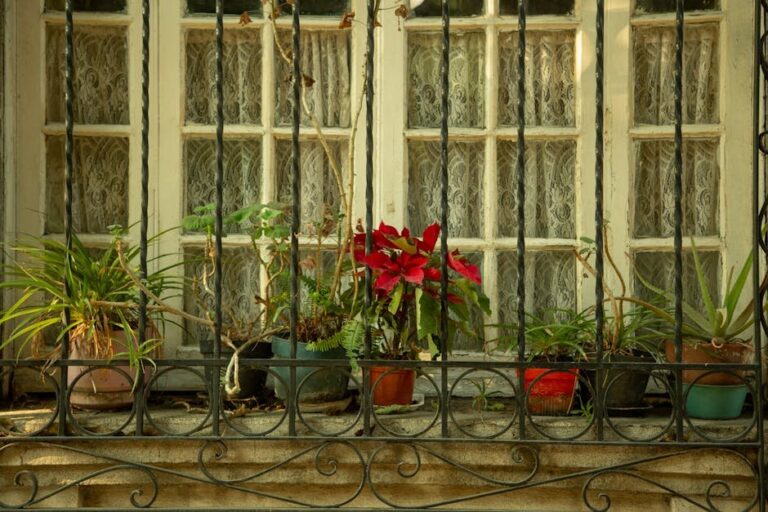
Planning Your Window Sill Herb Garden
To plan a thriving window sill herb garden, start by measuring your windowsill and choosing herbs that fit within its length. Select varieties that require similar growing conditions and care.
Choosing the Right Window Location
When selecting a window location for your indoor herb garden, it’s crucial to consider the amount of natural light and temperature control the area provides. Herbs require at least 4-6 hours of direct sunlight per day to thrive, so choose a window that receives plenty of natural light. East- or west-facing windows are ideal, as they provide gentle, indirect sunlight throughout the day.
If you have a south-facing window, be mindful of potential scorching during peak sun hours. North-facing windows can work too, but may require additional lighting to supplement the limited natural light. Ensure your chosen window location also allows for easy temperature control. Most herbs prefer daytime temperatures between 65-75°F (18-24°C) and nighttime temperatures around 55-60°F (13-15°C).
Consider factors like drafty areas or cold spots near windows, as these can impact your herb garden’s growth. Optimize your window location by adjusting the position of your plants to maximize light exposure while maintaining a comfortable temperature range. This simple consideration will set your indoor herb garden up for success and help you enjoy fresh herbs year-round.
Selecting the Perfect Window Box or Planter
When it comes to selecting the perfect window box or planter for your indoor herb garden, you’re spoiled for choice. There are various types available, each with its own set of pros and cons, making it essential to consider a few key factors before making a decision.
For instance, wooden window boxes offer a classic look and can be made from sustainably sourced materials. However, they may require more maintenance than other options as wood needs protection against rot and insects. On the other hand, plastic or metal planters are lightweight and easy to clean but might not have the same aesthetic appeal.
Consider the size of your window box or planter in relation to the herbs you want to grow. A larger container allows for better root growth but may take up more space on your windowsill. Conversely, smaller ones can be a good option if you’re short on space but will need to be watered and fertilized more frequently.
Think about the material’s durability and how easy it is to clean and maintain. Some planters have built-in water reservoirs or self-watering systems which can be beneficial for busy gardeners or those prone to forgetfulness.
Selecting the Right Herbs for Your Window Sill
When it comes to setting up your window sill herb garden, choosing the right herbs is crucial. Let’s explore some popular and easy-to-grow options perfect for indoor gardens.
Popular Herb Varieties Suitable for Indoor Growing
When it comes to growing herbs indoors on your window sill, you have a wide variety of options to choose from. Some popular herb varieties that thrive in indoor conditions include basil, mint, parsley, rosemary, thyme, and oregano.
Basil is a classic choice for indoor herb gardens, and with good reason – it’s easy to grow and can be harvested in as little as 6-8 weeks. To keep your basil healthy and pest-free, make sure to prune it regularly and provide it with plenty of light.
Mint is another popular choice that’s perfect for indoor growing. It’s hardy and can thrive in low-light conditions, making it an ideal option for rooms with limited natural light. However, be aware that mint can spread quickly, so consider containing it in a separate pot to prevent it from taking over your window sill.
Parsley is a slow-growing herb that prefers cooler temperatures and high humidity – perfect conditions for indoor growing. It’s also rich in nutrients and adds a delicious flavor to salads and soups.
Rosemary and thyme are both drought-tolerant herbs that can thrive in indoor conditions with minimal watering. They prefer well-draining soil and plenty of light, making them ideal choices for sunny windowsills.
Oregano is another versatile herb that grows well indoors. It’s relatively low-maintenance and requires minimal pruning – just be sure to keep the soil moist but not waterlogged.
Considerations for Choosing Low-Light Herbs
When choosing herbs for your window sill garden, it’s essential to consider those that can thrive in low-light conditions. If you don’t have a spot with direct sunlight, don’t worry – there are plenty of options available.
Thai basil and lemongrass are two popular choices for indoor herb gardens, as they can tolerate lower light levels. Thai basil requires at least 2-3 hours of indirect sunlight per day, making it an excellent option for rooms with north-facing windows or shaded areas. To ensure optimal growth, keep the soil consistently moist but not waterlogged.
Lemongrass is another low-maintenance herb that can adapt to low-light conditions. It prefers well-draining soil and moderate watering. While lemongrass can grow in partial shade, it will still benefit from some indirect sunlight – ideally 1-2 hours per day. Be cautious not to overwater, as this can lead to root rot.
When selecting herbs for your window sill garden, remember that even low-light varieties require some light to photosynthesize and grow. Research the specific needs of each herb to ensure you provide the right conditions for success.
Preparing Your Window Sill for Planting
Before you start planting, make sure your window sill is clean and free of any debris that could harbor pests or diseases. This ensures a healthy growing environment for your herbs to thrive.
Cleaning and Disinfecting the Window Sill Area
Before planting your herbs on the window sill, it’s essential to clean and disinfect the area thoroughly. This step may seem mundane, but trust me, it’s crucial for preventing pests and diseases from affecting your plants. A dirty or contaminated surface can be a haven for fungus gnats, spider mites, and other unwanted critters that feed on plant sap.
To clean the window sill area, start by removing any debris, dust, or dirt that may have accumulated over time. Use a soft-bristled brush to gently sweep away any loose particles. Next, mix 1 part white vinegar with 2 parts water in a spray bottle and spritz the solution onto the surface. Let it sit for about 10-15 minutes, allowing the acid in the vinegar to break down any remaining dirt or grime.
After the solution has sat for a while, use a clean, damp cloth to wipe down the area thoroughly. This will help remove any stubborn stains and leave the surface sanitized. Finally, allow the area to air dry completely before planting your herbs. By taking this crucial step, you’ll be giving your plants the best chance to thrive and grow strong, healthy roots.
Ensuring Proper Drainage and Aeration
When it comes to growing herbs on your window sill, proper drainage and aeration are crucial for their survival. If you don’t provide them with enough oxygen and water that can drain freely, you’ll likely end up with root rot and stunted growth.
To prevent this, start by using a well-draining potting mix specifically designed for indoor plants. This type of soil will help to reduce the risk of waterlogged soil, which can be detrimental to your herbs’ health. You should also make sure that the pots you use have drainage holes in the bottom to allow excess water to escape.
In addition to using a well-draining potting mix and pots with drainage holes, you’ll want to ensure that your window sill herb garden receives adequate airflow. This can be achieved by placing the plants at least 6-8 inches away from any walls or obstructions to allow for good air circulation around each plant.
Planting and Maintenance Tips
To successfully grow a thriving window sill herb garden, it’s essential to follow proper planting and maintenance techniques. We’ll cover these key tips in more detail below.
Soil Selection and Fertilization
When selecting potting mix for your window sill herb garden, look for a well-draining blend that’s specifically designed for indoor plants. A general-purpose potting soil will work fine, but you can also opt for a more specialized mix labeled as ‘herb’ or ‘indoor garden’. Some popular options include Miracle-Gro Indoor Potting Mix and Black Kow All Purpose Potting Soil.
When it comes to fertilizing your herbs, remember that they don’t require a lot of nutrients. Feed them once a week with a balanced fertilizer (10-10-10 NPK). You can also use a liquid fertilizer like fish emulsion or seaweed extract for an organic boost. Start with a small amount and adjust as needed – over-fertilizing can lead to weak growth.
Some additional soil-related considerations include repotting every 1-2 months, pruning roots when pot-bound, and ensuring good air circulation around the plants. By selecting the right potting mix and fertilizing your herbs regularly, you’ll set them up for success in their new indoor home.
Watering and Pruning Techniques
Watering and pruning are crucial aspects of maintaining your window sill herb garden. When it comes to watering, it’s essential to strike a balance between keeping the soil moist but not waterlogged. Check the top 1-2 inches of soil daily, and water only when it feels dry to the touch. Avoid getting water on the leaves or crown of the plant to prevent fungal diseases.
As for pruning, aim to prune your herbs every 7-10 days during their active growth phase. Remove any dead or wilted leaves, as well as any leggy stems that may be taking up too much space. Prune in a way that encourages bushy growth by cutting back the tips of branches and trimming off any weak or spindly stems. For example, basil is typically pruned to maintain its shape and encourage new growth. Regular pruning will not only keep your herbs looking healthy but also promote continuous harvesting.
Troubleshooting Common Issues
Don’t worry if things don’t go as planned, we’ve got you covered – this section tackles common problems and offers practical solutions to keep your window sill herb garden thriving.
Identifying and Addressing Pests and Diseases
As you start growing herbs on your window sill, it’s essential to be aware of common pests and diseases that can affect them. These unwelcome visitors can quickly spread and damage your plants, causing frustration and disappointment.
Some common indoor herb garden pests include spider mites, mealybugs, and aphids. To prevent these pesky critters from taking over, make sure to inspect your plants regularly. Look for tiny eggs, white powdery residue, or actual insects on the leaves and stems. If you catch them early, a gentle spray of water or neem oil can help control the infestation.
Diseases like root rot, leaf spot, and powdery mildew can also affect indoor herbs. To prevent these issues, ensure good air circulation around your plants and maintain proper watering schedules. Waterlogged soil is often the culprit behind root rot, so make sure to let the top layer of soil dry out between waterings.
If you do encounter a pest or disease issue, don’t panic! Isolate infected plants, and treat them with a fungicide or insecticidal soap as needed. Regular pruning and repotting can also help prevent problems from developing in the first place.
Overcoming Lighting Challenges
Growing fresh herbs indoors on your window sill can be a delightful experience, but it’s not without its challenges. One of the most common issues you may face is adjusting to changing lighting conditions. This can be due to seasonal changes or even a shift in the direction of sunlight entering your home.
To overcome this challenge, consider using grow lights as a supplement. These are specifically designed for indoor gardening and can provide your herbs with the necessary light spectrum for optimal growth. When choosing grow lights, look for LED options as they use less energy and produce minimal heat.
Another strategy is to rotate your herb planters every 1-2 weeks to ensure all sides of the plants receive equal light exposure. This will prevent any one side from becoming leggy or weak. Monitor your herbs’ response to changing lighting conditions by observing their growth, color, and overall health.
By implementing these strategies, you can keep your window sill herb garden thriving even in varying lighting conditions.
Harvesting and Enjoying Your Window Sill Herbs
Now that your herbs are thriving, it’s time to harvest them for use in cooking, so let’s explore how to enjoy their fresh flavors. You’ll be surprised at just how easy it is!
Timing and Frequency of Harvests
Harvesting at the right time and frequency is crucial for maximizing yields from your window sill herb garden. It’s essential to understand that most herbs are ready to be harvested when they’re around 6-8 inches tall, but some like basil and mint can be picked even before they reach their full height.
For optimal flavor and aroma, harvest herbs in the morning after the dew has dried, but before the heat of the day. This is usually around 7-9 am, depending on your location and window’s exposure to sunlight. Pinching or cutting off individual leaves encourages bushy growth, while harvesting entire stems promotes a continuous supply.
To ensure you’re getting the most out of your herb garden, plan to harvest your herbs every few days, especially for leafy varieties like basil, mint, and parsley. For root-based herbs like thyme and oregano, consider snipping off just the top leaves or pinching back stems to encourage new growth. Regular pruning also helps maintain a neat appearance and prevents overgrowth.
Preserving and Storing Freshly Harvested Herbs
Preserving and storing freshly harvested herbs is crucial to maintain their flavor and aroma for extended periods. When harvesting your window sill herbs, it’s essential to handle them gently to prevent bruising and damage. To preserve the herbs’ natural oils, which are responsible for their fragrance, you should harvest them in the morning after the dew has dried but before the heat of the day.
To store fresh herbs, tie them in small bunches with twine or rubber bands, and place them upside down in a paper bag or a breathable container. This will prevent moisture from accumulating and causing the herbs to become soggy. You can also trim the ends of the stems at an angle, which helps the herbs absorb water better.
When storing fresh herbs for an extended period, consider using containers with tight-fitting lids, such as glass jars or plastic containers with silicone seals. This will keep the air out and prevent moisture from entering.
Conclusion: Maximizing Your Window Sill Herb Garden’s Potential
Now that you’ve learned how to set up and care for your window sill herb garden, it’s time to maximize its full potential. Let’s explore some expert tips for ultimate success.
Recap of Key Takeaways
In this beginner’s guide to growing fresh herbs indoors on your window sill, we’ve covered key considerations for creating a thriving and productive space. To recap, the most essential points for success include selecting the right herbs for your climate and lighting conditions, providing optimal care such as watering and pruning, and ensuring adequate air circulation and temperature control.
It’s also crucial to choose containers that are at least 5-7 inches deep to accommodate the herb roots’ growth. A good rule of thumb is to plant multiple small pots rather than a single large one, which can lead to overcrowding and poor air circulation. Additionally, be mindful of pests such as spider mites and mealybugs, which can infest indoor plants.
Some popular herbs for beginners include basil, mint, parsley, and cilantro, all of which are relatively easy to care for and can thrive in a well-lit window sill space. By following these key takeaways, you’ll be well on your way to enjoying fresh, fragrant herbs from the comfort of your own home year-round.
Encouragement to Experiment and Enjoy
As you continue to nurture your window sill herb garden, don’t be afraid to get creative and try new things. Experimenting with different varieties can be a fun and rewarding experience that adds an extra layer of enjoyment to gardening indoors.
Consider trying some unusual or exotic herbs like lemongrass, kaffir lime leaves, or Thai basil – not only will they add unique flavors to your dishes, but you’ll also get to enjoy the thrill of watching them thrive in their new environment. To take it a step further, try combining different herbs with complementary scents and textures to create a visually appealing display.
One way to encourage yourself to experiment is to set small goals and challenges for your garden. For example, aim to grow five new herb varieties within the next month or try to successfully propagate an herb from cuttings. Not only will this help keep you engaged with your garden, but it’ll also give you a sense of accomplishment as you overcome any obstacles that come up along the way.
By embracing experimentation and having fun with the process, you’ll find that growing your own herbs indoors becomes an even more enjoyable and rewarding experience.
Frequently Asked Questions
Can I use a window box or planter with poor drainage for my herb garden?
Yes, but you’ll need to take extra precautions to ensure proper drainage. Consider adding a layer of small rocks or broken pottery at the bottom of the planter to improve water flow and prevent root rot. This will help your herbs thrive even in a planter that doesn’t have built-in drainage.
How often should I harvest my window sill herbs?
You can typically start harvesting individual leaves or stems once they reach 2-3 inches in length, depending on the herb variety. For herbs like basil and mint, you may need to prune them back regularly to encourage new growth and prevent them from becoming leggy. Harvesting at the right time will not only keep your herbs healthy but also promote continuous production.
What if I don’t have a window with direct sunlight? Can I still grow herbs indoors?
Yes, many herb varieties can thrive in low-light conditions. Consider using LED grow lights or placing plants near an east- or west-facing window to provide supplemental lighting. Some popular low-light herbs include mint, parsley, and chives.
How do I prevent pests like spider mites, mealybugs, and aphids from infesting my window sill herb garden?
To prevent pests, maintain good hygiene by regularly cleaning and disinfecting the window sill area and surrounding surfaces. Keep an eye out for signs of infestation, such as white powdery residue or sticky honeydew droplets. If you notice any issues, treat your plants with neem oil or insecticidal soap to prevent further damage.
Can I use potting soil that’s designed for outdoor gardens in my window sill herb garden?
While general-purpose potting soil can work, it may not provide the best results for indoor herb gardens. Consider using a high-quality potting mix specifically formulated for indoor plants or herbs. This will ensure your plants receive the right balance of nutrients and moisture levels to thrive in their new environment.