
Fennel plants have been a staple in many cuisines for centuries, but their uses go far beyond just cooking. Not only is this versatile herb a key ingredient in various Mediterranean dishes, but it’s also packed with numerous health benefits and has been used in traditional medicine for generations. From its natural anti-inflammatory properties to its ability to aid digestion, fennel plants have earned a reputation as a valuable addition to any kitchen or wellness routine. In this ultimate guide, we’ll delve into the world of fennel plants, covering their uses in cooking and traditional medicine, as well as providing expert tips on how to grow your own at home. Whether you’re looking to boost your health or simply add some new flavors to your recipes, read on to discover the many wonders of fennel plants.
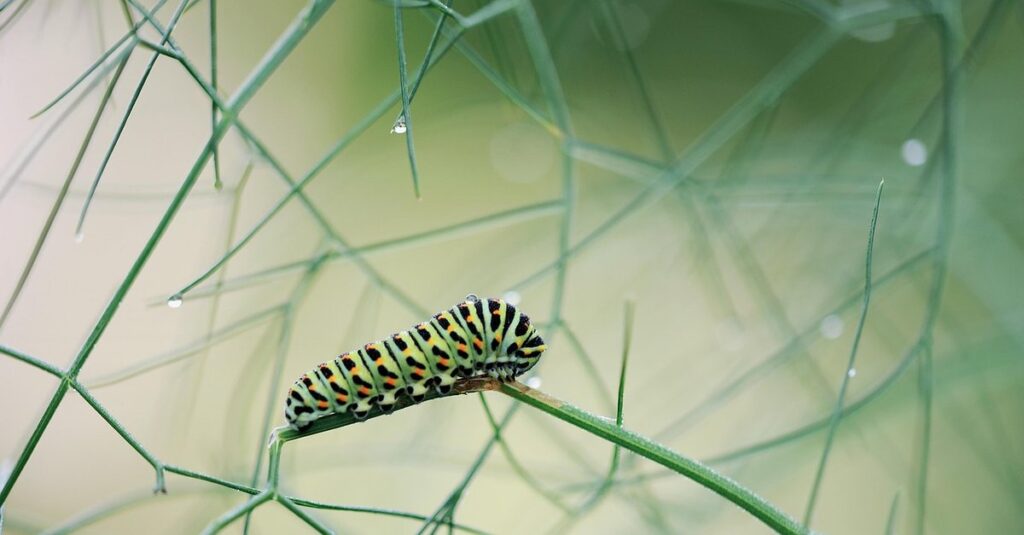
Introduction to Fennel
Welcome to our exploration of fennel plants, where we’ll introduce you to the fascinating world of this versatile and nutritious herb. Let’s start by getting familiar with its unique characteristics and uses.
What is Fennel?
Fennel has been a staple ingredient in Mediterranean cuisine for centuries, and its uses extend far beyond the kitchen. Native to this region, Foeniculum vulgare, the botanical name for fennel, is a perennial herb that has been cultivated for its medicinal properties and as a natural remedy.
In cooking, fennel’s anise-like flavor adds depth to soups, salads, and seafood dishes. Its versatility makes it a popular choice among chefs, who use it to enhance both sweet and savory flavors. But fennel’s benefits don’t stop at the plate. Its essential oils have been used in traditional medicine for centuries to alleviate digestive issues, such as bloating and cramps.
The medicinal properties of fennel are due in part to its high content of vitamin C, potassium, and fiber. These nutrients not only aid digestion but also support immune function and reduce inflammation. As a natural remedy, fennel tea is often used to soothe respiratory issues like asthma and bronchitis. With its many uses and health benefits, it’s no wonder that fennel has been a prized ingredient in Mediterranean cooking for so long.
Brief History of Fennel Use
Fennel has been a treasured crop for thousands of years, with its use dating back to ancient civilizations. The Romans were particularly fond of fennel, using it not only as a flavoring agent in their cuisine but also as a medicinal herb. They believed that fennel had the power to cure a variety of ailments, from indigestion and bloating to respiratory problems.
The Greeks and Egyptians also utilized fennel in various ways. In Greek mythology, fennel was associated with the goddess Artemis, who wore a crown made of fennel flowers. The Egyptians, on the other hand, used fennel as an offering to their gods and even buried it with the dead to protect them from evil spirits.
Fennel’s versatility and multiple uses were likely reasons why it was highly valued by these ancient cultures. Its seeds, leaves, and bulbs all have unique properties that make it a valuable addition to any kitchen or medicine cabinet.
Benefits of Growing Fennel
Growing fennel has numerous advantages, from its ability to repel pests and improve digestion to adding a fresh flavor to your favorite dishes. Let’s explore these benefits in more detail!
Health Benefits of Fennel
Fennel has been hailed as a superfood for good reason. Not only does it add flavor and crunch to salads, soups, and other dishes, but it also packs a punch when it comes to our health. Studies have shown that fennel’s active compounds, such as anethole and fenchone, have potent anti-inflammatory properties. This means that consuming fennel can help reduce inflammation in the body, which is linked to various chronic diseases, including arthritis, diabetes, and heart disease.
In addition to its anti-inflammatory benefits, fennel also supports healthy digestion. The seeds of the fennel plant contain oils that have been shown to ease digestive issues such as bloating, gas, and indigestion. Fennel’s active compounds can even help regulate bowel movements and reduce symptoms of IBS (Irritable Bowel Syndrome). By incorporating fennel into your diet, you may find that your digestive system runs more smoothly.
Fennel also has immune-boosting properties, which is especially important during the cold and flu season. The plant’s active compounds have been shown to stimulate white blood cell production, helping to fight off infections and keep illnesses at bay. To reap fennel’s health benefits, try adding it to your meals in moderation – use it as a finishing spice or add it to soups and salads for added nutrition and flavor.
How to Incorporate Fennel into Your Diet
Fennel can be a game-changer for home cooks, offering endless opportunities to add flavor and nutrition to various dishes. To start incorporating fennel into your diet, consider its versatility as both a raw and cooked ingredient.
You can use fresh fennel leaves as a fragrant herb in salads, sauces, or marinades, adding a mild anise flavor that pairs well with fish, chicken, and vegetables. Simply chop the leaves finely and mix them into your favorite recipes or use them as a garnish for added visual appeal. Alternatively, you can roast or sauté fennel bulbs to bring out their natural sweetness, making them a great side dish or addition to roasted meats.
Some popular ways to use cooked fennel include adding it to pasta sauces, soups, and stews, while also using it as a topping for pizzas, salads, or flatbreads. Experiment with different cooking methods – such as braising or grilling – to discover new textures and flavors that suit your taste preferences.
When shopping for fennel, look for bulbs with firm, green leaves and no signs of wilting. Choose the freshest possible ingredients to ensure maximum flavor and nutritional value.
Uses for Fennel
Fennel is a versatile ingredient that can add depth and flavor to a wide range of dishes, from soups to salads to roasted meats. Let’s explore some creative ways to use fennel in your cooking.
Culinary Uses of Fennel
Fennel is a versatile herb that adds depth and complexity to a wide range of dishes. In Mediterranean cuisine, it’s often used as a key ingredient in salads, soups, and sauces. Simply chop the fresh fennel bulb and add it to your favorite salad recipe for a burst of anise flavor.
In Italian cooking, fennel is commonly paired with seafood, particularly in pasta dishes like spaghetti alle vongole (spaghetti with clams). The anise flavor complements the brininess of the clams perfectly. You can also use dried or fresh fennel seeds to add a subtle licorice taste to your tomato sauces.
In Indian cuisine, fennel is used in spice blends like garam masala and as a key ingredient in curries. The seeds have a warm, slightly sweet flavor that pairs well with rich, creamy sauces. To incorporate fennel into your cooking, try adding the seeds or chopped bulb to your favorite stir-fry recipe for added depth of flavor.
When using fresh fennel, be sure to chop it just before serving to preserve its texture and flavor. You can also dry or freeze the seeds for later use in soups, stews, or curries.
Non-Culinary Uses of Fennel
Fennel has been a staple in herbal medicine for centuries, and its uses extend far beyond the kitchen. As it turns out, fennel’s natural properties make it an excellent remedy for various health issues.
One of the most well-known benefits of fennel is its ability to soothe digestive problems. Fennel seeds have carminative properties, which help to ease bloating, gas, and indigestion. In fact, a study published in the Journal of Ethnopharmacology found that fennel extract significantly reduced symptoms of irritable bowel syndrome (IBS) in patients. To reap these benefits, you can try making a tea by steeping fennel seeds in hot water or adding them to your favorite smoothie.
Fennel is also an effective natural remedy for allergies and respiratory issues. The herb’s expectorant properties help to thin mucus, making it easier to cough up and breathe. You can use fennel essential oil in a diffuser or apply it topically to alleviate congestion. Additionally, fennel’s anti-inflammatory properties make it a great addition to skincare routines, helping to reduce redness and irritation.
To incorporate fennel into your daily routine, start by infusing its seeds into your cooking or making a tea as mentioned earlier. You can also add fennel essential oil to your diffuser or apply it topically after consulting with a healthcare professional. Remember to always use high-quality, organic fennel products to ensure maximum benefits and safety.
Growing and Care of Fennel Plants
To grow healthy and delicious fennel, you’ll want to know how to sow seeds correctly and provide your plants with the right amount of sunlight, water, and nutrients. Let’s dive into these essential care tips.
How to Plant Fennel
Sowing fennel seeds is a straightforward process that requires attention to timing and soil preparation. When planning to sow seeds outdoors, wait until the last frost has passed and the soil temperature reaches at least 55°F (13°C). You can also start fennel indoors 4-6 weeks before this date, providing you with a head start on the growing season.
To sow seeds directly in the ground, create shallow trenches about 1/8 inch deep. Place one or two seeds per trench and cover them with soil. Water gently but thoroughly to settle the soil. Keep the soil consistently moist during the first few weeks after sowing.
For indoor seed starting, use a good quality potting mix and small pots or cell trays. Sow fennel seeds 1/4 inch deep in the soil and keep it at around 65-70°F (18-21°C). Once seedlings emerge, thin them out to about 6 inches apart to prevent overcrowding. Transplant them outdoors when the weather permits, hardening off the young plants before exposing them to direct sunlight.
Caring for Fennel Plants
To ensure that your fennel plants thrive, it’s essential to provide them with the right growing conditions. Fennel requires full sun to produce its characteristic anise flavor and aroma, so choose a spot that receives at least six hours of direct sunlight per day. However, if you live in a hot climate, consider providing some afternoon shade to prevent scorching.
In addition to plenty of sunlight, fennel needs well-draining soil to prevent root rot. If your soil is heavy clay or prone to waterlogging, mix in some organic matter like compost or perlite to improve drainage. Water your fennel plants regularly, but avoid overwatering, which can lead to fungal diseases.
To give your fennel plants the best chance of success, aim to provide about 1-2 inches of water per week, either from rainfall or irrigation. You can also mulch around the base of the plants to retain moisture and suppress weeds. By providing the right balance of sunlight, soil, and water, you’ll be well on your way to growing healthy and flavorful fennel.
Pest and Disease Management for Fennel
When it comes to growing fennel, pest and disease management are crucial steps to ensure your plants stay healthy and thrive. Let’s talk through common issues and how to tackle them effectively.
Common Pests Affecting Fennel
Fennel is a beloved herb in many gardens, but like any other crop, it’s not immune to pests. Some of the most common pests that can affect fennel plants are aphids, whiteflies, and spider mites. These tiny critters may seem insignificant, but they can cause significant damage to your fennel crop if left unchecked.
Aphids are one of the most common pests affecting fennel, and they’re often accompanied by ants that feed on their sweet secretions. To manage aphid infestations, try introducing natural predators like ladybugs or lacewings into your garden. You can also use neem oil or insecticidal soap to control populations.
Whiteflies are another pest that can affect fennel, and they’re known for spreading diseases like tomato spotted wilt virus. To prevent whitefly infestations, ensure good air circulation around your plants and avoid overwatering, which can create an ideal environment for these pests.
Spider mites are a common problem in dry weather conditions, and they cause yellowing of fennel leaves by sucking their sap. Use neem oil or horticultural oil to control spider mite populations, and keep your garden humid to prevent infestations. Regularly inspect your plants for signs of pests, and take action at the first sign of an infestation.
Diseases That Can Affect Fennel Plants
Fennel plants can be susceptible to certain diseases that may compromise their growth and health. One of the most common issues is powdery mildew, a fungal disease that causes a white, powdery coating to form on the leaves. This can lead to reduced photosynthesis and an increased risk of other infections. To prevent powdery mildew, make sure your fennel plants have good air circulation and are not overwatered.
Another potential problem is root rot, which occurs when the roots of the plant become waterlogged and begin to decay. This can be caused by excessive watering or poor drainage. If you notice yellowing leaves or a soft, mushy stem, it may be a sign that your fennel plant is suffering from root rot. To treat this issue, reduce watering and ensure that the soil drains properly.
Leaf spot is another disease that can affect fennel plants, causing small, circular spots to appear on the leaves. These spots may be yellow or brown in color and can eventually cause the affected areas to die. This fungal disease can be spread by water splashing onto the plant, so make sure to use a fungicide if you notice leaf spot starting to develop.
Fennel in Traditional Medicine
For centuries, fennel has been used by various cultures around the world as a natural remedy for digestive issues and other health concerns. Let’s explore its uses in traditional medicine.
History of Fennel Use in Herbalism
Fennel has been a staple in traditional medicine for centuries, with its use dating back to ancient civilizations. In Greek mythology, fennel was associated with the goddess Artemis and was believed to possess magical properties. The plant’s seeds, leaves, and bulbs were used by the Egyptians, Greeks, and Romans to treat a variety of ailments, from indigestion and bloating to respiratory issues and skin conditions.
In ancient Greece, Hippocrates wrote about fennel’s medicinal properties, recommending it for treating coughs and colds. The Roman naturalist Pliny the Elder also praised fennel’s digestive benefits, suggesting it be used to alleviate flatulence and indigestion. As a result of its perceived health benefits, fennel was highly valued in traditional medicine, with some cultures even using it as an offering to their gods.
Today, we can learn from these ancient practitioners by incorporating fennel into our own natural remedies. By understanding the historical context of fennel’s use, we can appreciate its versatility and effectiveness in promoting overall health and wellness. Whether you’re looking to soothe digestive issues or alleviate respiratory problems, fennel is a plant worth exploring further.
Modern Research on Fennel’s Health Benefits
In recent years, modern research has shed light on fennel’s potential health benefits, confirming what traditional medicine has known for centuries. Studies have shown that fennel possesses anti-inflammatory properties, which can help alleviate symptoms of conditions such as arthritis and other inflammatory diseases. By reducing inflammation in the body, fennel may also contribute to improved cardiovascular health.
Fennel has also been found to improve digestion, making it an excellent herb for individuals with irritable bowel syndrome (IBS) or other digestive issues. Its carminative properties help ease bloating and gas, while its antioxidant properties promote the growth of beneficial gut bacteria. For example, a study published in the Journal of Ethnopharmacology found that fennel extract significantly reduced symptoms of IBS in participants.
To harness fennel’s health benefits, you can try incorporating it into your diet through teas, soups, or salads. You can also use fennel essential oil topically to reduce inflammation and improve skin health. As with any new supplement or treatment, consult with a healthcare professional before adding fennel to your routine, especially if you have underlying medical conditions or are taking medications.
Conclusion: Harnessing the Power of Fennel Plants
Now that you’ve learned how to grow and utilize fennel plants, let’s discuss how to harness their full potential in your cooking and garden. Here are some final tips for maximizing fennel plant benefits.
Recap of Key Takeaways
As you navigate through this comprehensive guide to fennel plants, it’s essential to recap the key takeaways. Fennel is indeed a versatile plant that offers numerous benefits and uses, making it an excellent addition to any garden or kitchen. Its diverse range of applications extends beyond its culinary value, with potential health benefits and ornamental appeal.
To effectively harness the power of fennel plants, remember these crucial points:
• They require well-drained soil and full sun exposure for optimal growth.
• Regular harvesting encourages bushy growth and prevents flowering.
• Fennel’s aniseed flavor can be used to complement a variety of dishes or as a natural breath freshener.
• Its essential oils possess anti-inflammatory properties, making it a promising ingredient in herbal remedies.
By incorporating these key takeaways into your fennel care routine and exploring its various uses, you’ll unlock the full potential of this remarkable plant. Whether you’re a seasoned gardener or an adventurous cook, fennel is sure to impress with its adaptability and benefits.
Final Thoughts on Incorporating Fennel into Your Life
As you’ve learned about the numerous benefits and uses of fennel plants, it’s time to think about incorporating them into your daily life. Remember, fennel is a versatile ingredient that can be used in both cooking and herbal remedies. Start by experimenting with different recipes that feature fennel as a main ingredient, such as sautéed fennel and cherry tomatoes or roasted fennel soup.
In addition to its culinary uses, consider growing your own fennel plant at home. Not only will this provide you with a constant supply of fresh fennel, but it also allows you to harvest the seeds for use in teas and other remedies. To get started, choose a sunny spot in your garden and follow proper planting and care instructions.
Lastly, remember that fennel’s benefits extend beyond its uses as an ingredient or herbal remedy. The plant itself can be used to repel pests and improve soil health, making it a valuable addition to any garden. By incorporating fennel into your life, you’ll not only be enjoying the numerous benefits of this incredible plant but also creating a more sustainable and healthy environment for yourself and those around you.
Frequently Asked Questions
Can I grow fennel plants indoors, or do they require a specific climate?
Yes, you can grow fennel plants indoors, but they do prefer a sunny spot with temperatures between 65°F to 75°F (18°C to 24°C). If growing outdoors, ensure your region has a Mediterranean climate, as this allows for the optimal growth of fennel. Make sure to provide adequate light and maintain consistent moisture levels.
How long does it take for fennel plants to mature?
Fennel plants typically take around 90-120 days to mature from sowing seeds. However, this can vary depending on factors such as climate, soil quality, and specific growing conditions. Make sure to research the specific variety you’re growing for more accurate maturation times.
Can fennel be used in conjunction with other herbs, or does it overpower their flavors?
Fennel pairs well with many herbs, such as rosemary and thyme, adding a unique depth of flavor to dishes. However, its anise-like taste can overpower lighter herbs like parsley. Experiment with different combinations to find the perfect balance for your recipe.
Can I use fennel seeds instead of leaves in cooking?
Yes, fennel seeds can be used as a substitute for fresh or dried fennel leaves. They have a more intense flavor and aroma but can add a delightful anise-like taste to dishes like soups, stews, or roasted vegetables.
How do I store fennel plants during the winter months?
To preserve fennel plants during the winter, you can harvest the bulbs before the first frost, allowing them to dry in a cool, dark place. You can also replant seeds indoors 8-10 weeks before the last frost date or store fresh leaves in an airtight container in the refrigerator.