
Are you eager to add some fresh flavor to your garden, but unsure where to start with growing fennel? With its delicate aniseed taste and crunchy texture, it’s no wonder many home cooks and gardeners are looking to cultivate this versatile herb. However, cultivating a thriving crop of fennel can be a challenge, especially for beginners. That’s why we’ve put together the ultimate guide to growing fennel – covering everything from selecting the right variety for your climate and taste preferences to preparing the perfect soil and providing expert care tips. Whether you’re new to gardening or looking to expand your knowledge, this comprehensive resource will walk you through every step of the process, ensuring a bountiful harvest that’s bursting with flavor.
Choosing the Right Variety
When selecting a fennel variety, consider factors such as climate, space constraints, and desired harvest season to ensure you choose the best fit for your garden. With so many options available, making an informed decision is crucial.
Understanding Fennel Types
When it comes to growing fennel, understanding the different types can make all the difference. There are several varieties of fennel, each with its own unique characteristics and uses.
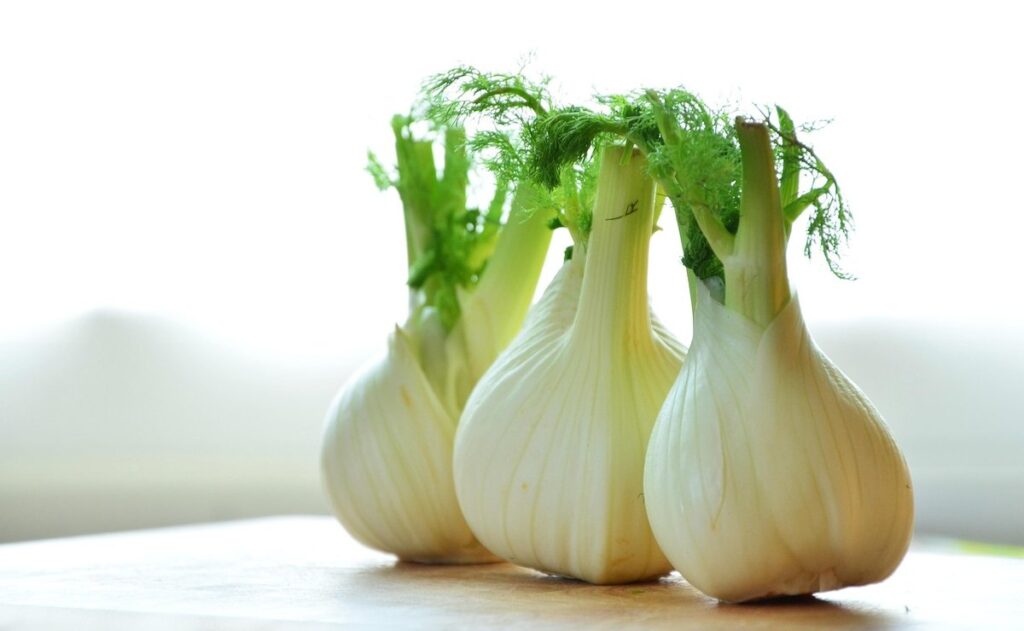
Bulb fennel is one of the most common types, prized for its large, edible bulb that’s perfect for roasting or sautéing. Florence fennel, on the other hand, has a smaller bulb but is known for its delicate flavor and crunchy texture. It’s often used as a crudité for dips and spreads.
Anise fennel varieties have a stronger licorice flavor than bulb fennel and are often used in savory dishes like stews and soups. They also tend to be more compact, making them ideal for container gardens or small spaces.
When choosing a variety of fennel, consider the space you have available, your desired harvest time, and how you plan to use the crop. If you’re short on space or want a fast harvest, Florence fennel may be the way to go. But if you’re looking for a more substantial bulb for roasting, bulb fennel is likely your best bet.
By selecting the right type of fennel for your needs and climate, you can enjoy a bountiful harvest that meets your expectations.
Selecting Seeds or Seedlings
When it comes to growing fennel, selecting high-quality seeds or seedlings is crucial for a successful harvest. You’ll want to look for seeds or seedlings that have a good germination rate, which typically ranges from 80% to 90%. This means that out of every 100 seeds, you can expect between 80 and 90 to sprout.
When evaluating disease resistance, consider factors such as powdery mildew and bulb rot. Some fennel varieties are bred to be more resistant to these diseases, making them a better choice for areas with high humidity or poor air circulation. For example, the ‘Zefa Faden’ variety is known for its high resistance to powdery mildew.
In terms of growth habits, consider whether you prefer a compact or tall variety. Compact varieties like ‘Triomphe de Flore’ are ideal for small gardens or containers, while taller varieties like ‘Giant Bronze’ can be grown in larger spaces. Be sure to check the specific growing requirements for the variety you choose to ensure it thrives in your climate and garden conditions.
Preparing the Soil
Before planting, it’s essential to prepare your soil for fennel’s deep taproots and sensitive seeds. Choose a spot with well-draining earth and amend as necessary to ensure optimal growing conditions.
Soil Requirements for Fennel
Fennel is a versatile herb that prefers well-draining soil with specific pH levels to thrive. The ideal pH range for fennel growth is between 6.0 and 7.0, slightly acidic to neutral. If your soil’s pH is too high (above 8.0), it may lead to nutrient deficiencies and affect the plant’s overall health.
Fennel requires a balanced mix of nutrients to grow robustly. It needs an average of 2-3 grams of nitrogen per square meter every month, which can be achieved by incorporating compost or well-rotted manure into your soil. Phosphorus is also essential for root development and flower production; aim for about 1 gram per square meter every two weeks.
Common soil issues that may impact fennel growth include waterlogging, which can lead to fungal diseases like powdery mildew, and nutrient deficiencies such as potassium or magnesium insufficiency. Test your soil regularly to identify any potential problems and address them before planting fennel.
Aerate the soil by loosening it with a fork or spade before sowing seeds to ensure good drainage and root penetration. This simple step can significantly improve fennel’s chances of success in your garden.
Amending Your Garden Bed
When preparing your garden bed for fennel planting, it’s essential to focus on creating an optimal environment that will support healthy growth and development. Start by removing any weeds or debris from the area, as these can compete with your fennel plants for water and nutrients.
Composting is a crucial step in amending your garden bed. Add a 2-3 inch layer of compost to the soil, mixing it well to ensure it’s evenly distributed. You can also use worm castings or manure tea for added fertility. Fennel prefers slightly acidic to neutral soil pH (around 6.0-7.0), so adjust your compost accordingly.
Tilling is another key technique for preparing your garden bed. Use a garden fork or tiller to loosen the soil, but avoid over-tilling, which can damage the soil structure. Add a 2-inch layer of organic matter like peat moss or coconut coir to improve drainage and retain moisture.
Some other techniques worth considering are mulching around plants to retain moisture and suppress weeds, and using row covers to protect your fennel from pests and diseases. By implementing these strategies, you’ll be well on your way to creating a thriving environment for your fennel crop.
Planting Fennel
When planting fennel, it’s essential to choose a location that provides full sun and well-draining soil to promote healthy growth. Follow these simple steps to get your fennel off to a great start.
Direct Sowing vs. Transplanting
When it comes to planting fennel, you have two primary options: direct sowing and transplanting. While both methods can produce successful harvests, they each come with their own set of benefits and drawbacks.
Direct sowing involves scattering fennel seeds directly into the garden bed where they will mature. This method allows for a more natural growth process, as the seedlings develop in the same location where they’ll eventually be harvested. Additionally, direct sowing eliminates the need to handle fragile seedlings, reducing transplant shock and increasing overall plant health.
However, there are situations where direct sowing may not be ideal. For example, if you live in an area with poor soil quality or high pest pressure, it’s often better to start fennel indoors or in a controlled environment before transplanting them into the garden bed. This allows you to provide optimal growing conditions and protect your seedlings from potential threats.
Transplanting, on the other hand, involves starting fennel seeds indoors or in a separate location and then transferring them to the garden when they reach a certain size. While this method requires more care and handling of fragile seedlings, it provides greater control over soil quality and climate conditions. It’s also useful for gardeners who want to jump-start their fennel crop by giving it an early start in a greenhouse or indoor growing space.
Ultimately, the choice between direct sowing and transplanting comes down to your specific gardening needs and preferences. By understanding the benefits and drawbacks of each method, you can make informed decisions about how best to plant your fennel for a bountiful harvest.
Spacing and Depth Considerations
When it comes to planting fennel, spacing and depth considerations are crucial for optimal growth. A general rule of thumb is to plant fennel seeds 1-2 inches deep and 6-8 inches apart. This allows the taproot to develop without overcrowding or competition from weeds.
If you’re starting with seedlings, space them slightly farther apart, around 10-12 inches. Make sure the soil is well-draining and has a pH between 6.0 and 7.0. Plant fennel in an area that receives full sun to partial shade, depending on your climate.
To minimize competition from weeds, create a physical barrier by spreading a layer of mulch around the plants. This will also help retain moisture and regulate soil temperature. Another tip is to plant fennel in raised beds or containers, which allows for better drainage and easier access for weeding. By following these guidelines, you’ll be well on your way to growing healthy, robust fennel with minimal maintenance.
Caring for Your Fennel Crop
To ensure a thriving fennel crop, learn how to identify and prevent common pests and diseases that can damage your plants and reduce yields. Keep your fennel healthy and robust with these essential care tips.
Watering and Moisture Requirements
Watering and moisture levels are crucial for a healthy fennel crop. Fennel requires consistent moisture, especially during its first few weeks of growth. Aim to provide about 1-2 inches of water per week, either through rainfall or irrigation. It’s essential to establish a watering schedule that takes into account the soil type and weather conditions.
To maintain optimal moisture levels, make sure to check the soil regularly by inserting your finger into the soil up to the knuckle. If the soil feels dry, it’s time for watering. Water deeply but avoid overwatering, which can lead to root rot and other problems. You can also use mulch or a drip irrigation system to conserve water and maintain consistent moisture levels.
Fennel is sensitive to waterlogging, so ensure that your soil drains well. If you’re growing in containers, be mindful of the pot size and drainage holes to prevent water from accumulating in the soil. By providing adequate moisture and maintaining a consistent watering schedule, you’ll help promote healthy growth and prevent common issues like bolting or root rot.
Common Pests and Diseases
As you nurture your fennel crop, it’s essential to be aware of common pests and diseases that can threaten its health. Among the most prevalent threats are aphids, those tiny sap-sucking insects that can weaken plants by transmitting plant viruses. To manage an aphid infestation, inspect your plants regularly for white, cottony patches or ants marching along stems. Use neem oil or insecticidal soap to control outbreaks.
Another pest to watch out for is the slug, which can cause significant damage to fennel foliage and stalks at night. Hand-picking slugs from the garden after dark or using copper tape around planters to deter them are effective prevention methods. Powdery mildew, a fungal disease that causes a white powdery coating on leaves, is another common issue. To prevent it, ensure good air circulation by thinning out nearby plants and avoiding overhead watering.
Regularly inspect your crop for signs of these pests or diseases, and take action promptly to prevent infestations from getting out of hand.
Harvesting and Storing Fennel
Now that you’ve cultivated your fennel crop, it’s time to reap the rewards by learning how to harvest and store these delicate bulbs for maximum flavor and longevity. In this next step, we’ll guide you through the process.
When to Harvest Fennel
When it comes to harvesting fennel, timing is everything. You want to pick it at the optimal stage of maturity when the bulbs are full and the leaves are still crisp. This usually occurs between 100 to 120 days after sowing, depending on the variety and growing conditions.
To check for readiness, gently dig around the base of the plant with a fork to avoid damaging the bulb. If the bulb comes out easily and has a firm, compact feel, it’s ready to harvest. The leaves should still be bright green and relatively free of yellowing or wilted tips. On the other hand, if you notice any soft spots, bruises, or mold on the bulb, wait another week or two for it to mature further.
Remember that fennel bulbs continue to develop even after they’re harvested, so it’s better to err on the side of caution and check for readiness regularly. Regular harvesting also encourages the plant to produce more new growth, resulting in a longer harvest season and increased crop yields.
Preserving Fennel for Year-Round Use
Preserving fennel is an excellent way to enjoy its unique flavor and nutrients throughout the year. With proper techniques, you can preserve fennel through various methods, ensuring a steady supply for your kitchen.
Freezing is one of the simplest ways to preserve fennel. Simply chop or slice the bulbs, removing any tough outer layers, and spread them out on a baking sheet in a single layer. Place the sheet in the freezer until the fennel is frozen solid, then transfer it to an airtight container or freezer bag for storage. Frozen fennel is perfect for soups, stews, and sautés.
Drying is another effective method, ideal for preserving fennel’s delicate flavor and crunchy texture. You can use a food dehydrator or simply slice the bulbs thinly and dry them in a low oven (150°F – 200°F) for several hours. Store dried fennel in airtight containers to use as a seasoning or add to recipes.
Canning and pickling are also great options, allowing you to enjoy fennel’s flavor year-round while retaining its texture. When canning, ensure you follow safe canning procedures to avoid spoilage. For pickling, slice the bulbs thinly and soak them in a brine made with vinegar, salt, and spices.
By preserving fennel using these methods, you’ll be able to enjoy this versatile vegetable throughout the seasons, adding its distinctive flavor to your favorite recipes.
Troubleshooting Common Issues
Even the most seasoned gardeners can encounter problems when growing fennel, but don’t worry, we’ve got solutions for common issues that might be plaguing your crop. Let’s troubleshoot together!
Addressing Common Growth Problems
One of the most frustrating things that can happen when growing fennel is encountering common growth problems. If you’ve noticed yellowing leaves on your fennel plants, it’s likely due to overwatering or underwatering. To prevent this, make sure to check the soil moisture regularly and water only when necessary. Fennel needs about 1 inch of water per week, either from rainfall or irrigation.
Another issue that may arise is stunted growth, which can be caused by a lack of nutrients in the soil. Fennel is a heavy feeder and requires regular fertilization to promote healthy growth. You can use a balanced fertilizer once a month to provide your plants with the necessary nutrients.
Poor pollination is also a common problem when growing fennel. Since fennel is a member of the carrot family, it relies on wind or insects for pollination. To improve pollination, try planting multiple varieties near each other or using a small brush to transfer pollen from one plant to another. By addressing these common growth problems, you can ensure that your fennel plants receive the care they need to thrive and produce a bountiful harvest.
Overcoming Specific Challenges
Poor soil quality can hinder fennel growth, so it’s essential to address this issue. To improve soil fertility, add compost or well-rotted manure to the planting area. This will increase the nutrient levels and structure of the soil, allowing roots to grow deeper and stronger.
If your garden receives inadequate sunlight, consider growing fennel in a container that can be moved to a sunnier location during peak hours. Alternatively, choose a variety that is more tolerant of shade, such as ‘Fino’ or ‘Anise’.
Extreme weather conditions like frost, heatwaves, or heavy rainfall can also affect fennel growth. To combat these challenges, consider using row covers to protect plants from frost and heat stress. For areas prone to heavy rainfall, construct a raised bed or use a well-draining potting mix to prevent waterlogged soil.
When faced with any of these challenges, remember that prevention is key. By taking proactive steps to mitigate potential issues, you can ensure a healthy and productive fennel crop.
Frequently Asked Questions
Can I grow fennel indoors, or is it best suited for outdoor gardens?
Yes, you can grow fennel indoors if you have a sunny windowsill or a greenhouse with adequate ventilation. However, be aware that indoor conditions may affect the plant’s growth and flavor. Choose compact varieties like ‘Bronze’ or ‘Zefa Fino’ that are specifically bred for container growing.
How do I know when my fennel crop is mature enough to harvest?
Check your fennel plants regularly, as they can quickly become overgrown and fibrous. Harvest the bulbs when they reach 2-3 inches in diameter and the stems start to yellow. For Florence fennel, wait until the bulbs are about 1 inch thick.
Can I grow multiple varieties of fennel together, or will this lead to cross-pollination issues?
Yes, you can grow different types of fennel together, but be aware that some may have different growth habits and space requirements. However, there is little risk of cross-pollination affecting the flavor or texture of your crops.
How do I preserve my harvested fennel for year-round use?
To preserve fennel, blanch it in boiling water for 2-3 minutes to inactivate enzymes, then chill it immediately in an ice bath. You can also freeze or dry fennel, but blanching is the best method for retaining its flavor and texture.
Can I replant fennel seeds from my harvested crop, or will this affect their viability?
While you can replant fennel seeds from your harvested crop, the quality and germination rate of these seeds may be compromised. It’s recommended to save seeds from healthy, disease-free plants for optimal results, or purchase fresh seeds each season.