
If you’re looking to add some delicious homegrown plums to your garden, but don’t have a large space to work with, growing a dwarf plum tree might be just the solution. These compact trees offer all the benefits of a traditional plum tree, including sweet and juicy fruit, without taking up too much room in your yard.
But before you bring one home, it’s essential to understand what you’re getting into. Dwarf plum trees can be a bit finicky, requiring regular pruning to keep them healthy and productive. Plus, there are many different varieties to choose from, each with its own unique characteristics. In this article, we’ll dive into the benefits and challenges of growing dwarf plum trees, including popular varieties, planting tips, pruning techniques, and disease management strategies to help you get started.
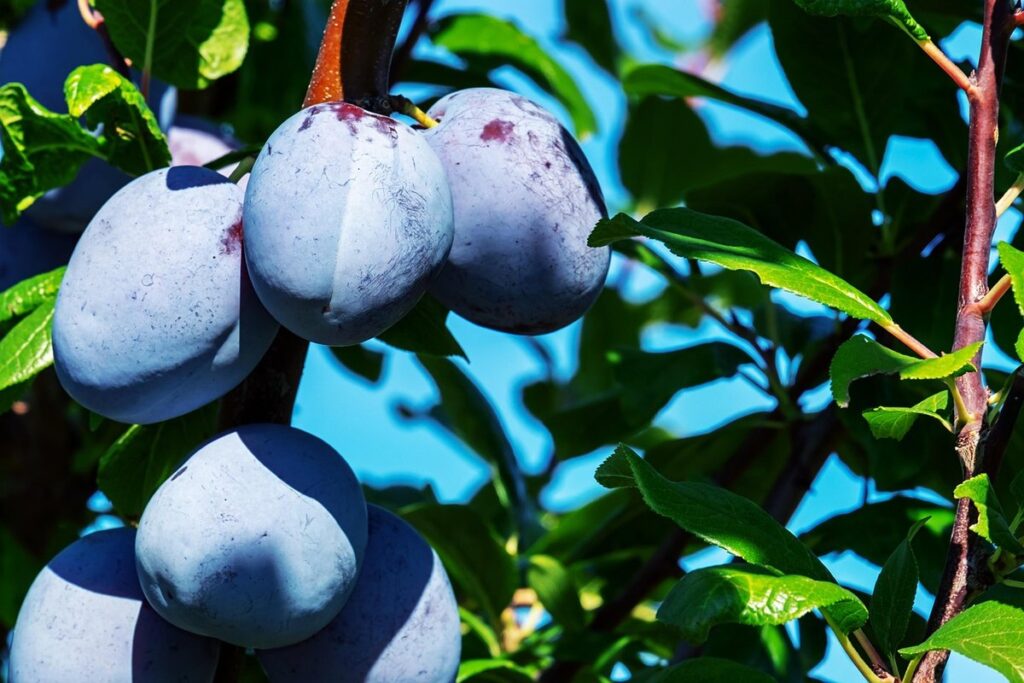
What are Dwarf Plum Trees?
So, you’re new to dwarf plum trees and want to know where to start? Let’s dive into what these compact trees are all about.
Characteristics of Dwarf Plum Trees
Dwarf plum trees are distinct from standard plum trees due to their compact growth habit. This characteristic makes them ideal for small gardens and spaces where regular-sized plum trees might overwhelm the area. Dwarf plum trees typically grow between 6-10 feet tall, allowing for easy maintenance and pruning.
Another notable feature of dwarf plum trees is their smaller fruit size compared to standard plum varieties. While they may not produce as much fruit overall, the individual fruits are often sweeter and more flavorful due to the tree’s compact growth. Home gardeners can expect a moderate harvest from these trees, making them perfect for small families or those with limited space.
Pruning requirements for dwarf plum trees differ significantly from standard plum varieties. Regular pruning is necessary to control their size and encourage fruiting. Prune your dwarf plum tree annually during its dormant season to maintain its shape, promote healthy growth, and ensure a bountiful harvest.
Benefits of Growing Dwarf Plum Trees
Growing dwarf plum trees can be an incredibly rewarding experience for gardeners of all levels. One of the primary advantages of these compact trees is their space-saving nature. Unlike standard plum trees that can grow up to 20 feet tall, dwarf plum trees typically reach a mature height of around 6-10 feet. This makes them perfect for small gardens, balconies, or even container growing.
Another significant benefit of dwarf plum trees is their ease of maintenance. With proper care, they require minimal pruning and training, making them ideal for busy gardeners. Additionally, their compact size means they are less prone to disease and pests, reducing the need for pesticides and other chemicals.
One of the most surprising benefits of growing dwarf plum trees is their potential for higher yields per square foot. Due to their smaller size, more trees can be planted in a given area, increasing overall production. According to some studies, dwarf plum trees can produce up to 2-3 times more fruit than standard varieties when grown intensively. With careful planning and pruning, you can enjoy a bountiful harvest from your own backyard.
Choosing the Right Dwarf Plum Tree Variety
When selecting a dwarf plum tree, it’s essential to consider factors such as maturity height, fruit quality, and disease resistance. This helps ensure you choose a variety that suits your needs and preferences.
Popular Dwarf Plum Tree Varieties
When it comes to choosing a dwarf plum tree variety, you’ll want to consider options that thrive in different climates and regions. Let’s take a look at three popular varieties: ‘Methley’, ‘Stanford’, and ‘Santa Rosa’.
‘Methley’ is a great choice for cooler climates with moderate summers. This English variety produces delicious red plums with sweet-tart flavor, perfect for eating fresh or using in baking. It grows to around 6-8 feet tall and 4-5 feet wide, making it an excellent option for smaller spaces.
‘Stanford’ is another popular variety that tolerates heat well, making it suitable for warmer climates. This American plum produces large, juicy red plums with a sweet flavor. It grows to around 10-12 feet tall and 8-10 feet wide, providing plenty of shade and fruit.
‘Santa Rosa’ is a good choice for regions with mild winters and cool summers. This California variety produces medium-sized, red plums with a tangy flavor. It grows to around 6-8 feet tall and 4-5 feet wide, making it an ideal option for smaller gardens.
These varieties are just a few examples of the many options available when choosing a dwarf plum tree. Consider your local climate and growing conditions to ensure you choose a variety that will thrive in your area.
Factors to Consider When Selecting a Dwarf Plum Tree
When selecting a dwarf plum tree, there are several key factors to consider. One of the most crucial considerations is disease resistance. Plum trees are susceptible to various diseases such as powdery mildew and black knot, which can significantly impact fruit quality and tree health. Look for varieties that have built-in disease resistance or are bred to be more resistant.
Another critical factor is cold hardiness. If you live in an area with harsh winters, choose a variety that can tolerate temperatures below 0°F (-18°C). Some popular dwarf plum tree varieties like ‘Methley’ and ‘Stanley’ are known for their cold hardiness. Consider the climate in your region and select a variety that can thrive in those conditions.
Lastly, fruit quality is also an essential consideration. Think about what you want to use your dwarf plum tree’s fruit for – eating fresh, baking, or making jam. If you plan to eat them fresh, choose a variety with sweet, flavorful fruit like ‘Santa Rosa’ or ‘Italian Prune’.
Planting and Care of Dwarf Plum Trees
When it comes to successfully growing your dwarf plum tree, proper planting and care are crucial for a healthy and thriving fruit-bearing plant. This section will walk you through the essential steps.
Preparing the Soil for Your Dwarf Plum Tree
When planting a dwarf plum tree, it’s essential to prepare the soil correctly. Dwarf plum trees require well-draining, fertile soil with a slightly acidic pH level between 6.0 and 7.0 for optimal growth.
To determine your soil’s pH level, you can purchase a DIY testing kit or send a sample to a lab for analysis. Based on the results, you may need to adjust the pH by adding lime (to raise) or sulfur (to lower). Dwarf plum trees also require essential nutrients like nitrogen, phosphorus, and potassium.
You can test your soil’s nutrient levels using a similar DIY testing kit. If it lacks sufficient nutrients, consider amending with compost, well-rotted manure, or balanced fertilizer according to the manufacturer’s instructions. Avoid over-fertilizing, as this can lead to weak growth and reduced fruit production.
For example, if your soil test reveals low nitrogen levels, you can add a balanced fertilizer (e.g., 10-10-10 NPK) during planting time, following the recommended application rates. This will provide essential nutrients for healthy root development and tree establishment.
Watering and Fertilization Needs of Dwarf Plum Trees
When it comes to watering and fertilizing your dwarf plum tree, understanding its specific needs is crucial for optimal growth. Dwarf plum trees require consistent moisture, especially during their first year after planting. Water them deeply once or twice a week, depending on weather conditions. However, be cautious not to overwater, as this can lead to root rot.
For the first growing season, use a balanced fertilizer (10-10-10 NPK) according to the manufacturer’s instructions. You can also opt for an organic fertilizer like fish emulsion or compost tea, which promote healthy microbial activity in the soil. After the first year, switch to a fruit tree-specific fertilizer with higher phosphorus content (e.g., 15-30-15 NPK). This will support blooming and fruiting.
In terms of frequency, fertilize your dwarf plum tree in early spring and again after harvesting. Avoid overfertilizing, as this can damage the tree’s roots and reduce its overall health. Monitor soil pH levels, aiming for a slightly acidic to neutral range (6.0-7.0). By following these watering and fertilization guidelines, you’ll set your dwarf plum tree up for success and enjoy bountiful harvests in years to come.
Pruning and Training Dwarf Plum Trees
When growing dwarf plum trees, pruning and training play crucial roles in maintaining their shape and promoting healthy growth. Regular pruning will also help control the tree’s size while encouraging more fruit production.
Pruning Techniques for Dwarf Plum Trees
When it comes to pruning dwarf plum trees, the goal is to promote healthy growth, encourage fruiting, and maintain a compact shape. One effective technique is tip pruning, where you remove the growing tip of the branch to control height and encourage branching. This method also helps to reduce vegetative growth, directing more energy towards fruit production.
Another essential technique is thinning, which involves removing select branches to allow sunlight and air circulation to reach inner parts of the tree. Prune out crossing or rubbing branches, as well as any weak or damaged limbs. Remove about one-third to one-half of the oldest canes to encourage new growth from the base of the plant.
For compact growth, consider using a technique called ‘tip-backing.’ This involves pruning the tips of all the branches to around 6-8 inches above the last bud eye. This method helps control height while promoting lateral branching and encourages fruiting. Regular pruning will help maintain your dwarf plum tree’s shape, promote healthy growth, and encourage an abundance of delicious fruit.
Training Systems for Dwarf Plum Trees
When it comes to training dwarf plum trees, there are several systems you can use to maximize space and promote healthy growth. Espalier is a popular method for growing fruiting shrubs like dwarf plums against a wall or fence. This system involves training the branches to grow in a specific pattern, often in a flat plane. To espalier your dwarf plum tree, start by selecting a few sturdy branches and securing them to the support using twine or wire.
Another option is to use a trellis system. Dwarf plums can be trained to climb up a trellis, providing a unique vertical display of fruiting branches. Simply place the tree near the trellis and gently tie the branches to the structure as they grow. Cordon systems are also effective for growing dwarf plums, where you train the branches to grow along a single stem or arm. This system is perfect for smaller spaces.
Remember to choose a sturdy support that can hold the weight of the tree and its fruit. Regular pruning will also be necessary to maintain the shape and promote healthy growth. With regular training and care, your dwarf plum tree should thrive in no time!
Pests and Diseases Affecting Dwarf Plum Trees
Dwarf plum trees can be susceptible to certain pests and diseases that may affect their growth and productivity, so it’s essential to know what to watch out for. Common issues include aphids, scale insects, and fungal infections.
Common Pests of Dwarf Plum Trees
Dwarf plum trees are generally low-maintenance and hardy, but they’re not immune to pests. Some of the most common pests that can affect these trees include aphids, codling moths, and scale insects.
Aphids are small, soft-bodied insects that feed on plant sap, causing curled or distorted leaves. They can also spread diseases like viral mosaic virus. To control aphid populations, use neem oil or insecticidal soap, and ensure your tree is well-watered to prevent stress.
Codling moths lay eggs in fruit, which then hatch into caterpillars that burrow into the flesh of the plum. This can lead to significant damage and reduce fruit quality. Monitor your trees regularly for signs of codling moth infestations, and use Bt (Bacillus thuringiensis) or pyrethrin sprays to control the population.
Scale insects are another common problem, feeding on sap and causing yellowing leaves or stunted growth. Treat scale infestations with horticultural oil or insecticidal soap, making sure to cover all areas of the tree’s bark.
Keep an eye out for these pests and take action promptly if you notice any signs of infestation. Regular pruning and maintenance can also help prevent pest issues from arising in the first place.
Managing Disease in Dwarf Plum Trees
Managing disease in dwarf plum trees requires a multi-faceted approach that includes prevention methods, fungicides, and integrated pest management techniques. One of the most effective ways to prevent disease is through good hygiene practices. This includes removing weeds, debris, and fallen fruit from around the tree to reduce the risk of fungal spores spreading.
Fungicides can be used to control diseases such as powdery mildew, scab, and brown rot. However, it’s essential to use them judiciously and only when necessary, as excessive use can harm beneficial microorganisms in the soil. Integrated pest management (IPM) techniques involve using a combination of methods to manage disease, including crop rotation, pruning, and biological control.
To prevent disease, it’s crucial to choose dwarf plum tree varieties that are resistant to common diseases. For example, ‘Methley’ is known for its resistance to powdery mildew, while ‘Shirofude’ has a natural resistance to scab. By selecting the right variety and following good hygiene practices, you can significantly reduce the risk of disease in your dwarf plum tree.
When using fungicides, it’s essential to follow the manufacturer’s instructions carefully and apply them at the correct time to maximize effectiveness.
Frequently Asked Questions
Can I grow a dwarf plum tree in containers if I have limited space?
Yes, you can definitely grow a dwarf plum tree in a container if you don’t have enough yard space. Make sure to choose a variety that is compact and has a smaller root system, such as ‘Santa Rosa’ or ‘Methley’. Use a large container with good drainage and follow the same pruning and care routine as for in-ground trees.
How often should I water my dwarf plum tree, especially during hot summer months?
Water your dwarf plum tree regularly, but avoid overwatering. Aim to provide about 1-2 inches of water per week, either from rainfall or irrigation. During hot summer months, increase watering frequency to every 3-4 days to ensure the tree stays hydrated.
Can I grow multiple dwarf plum trees together in the same space?
Yes, you can grow multiple dwarf plum trees together, but make sure to provide enough space between them for good air circulation and sunlight penetration. Aim for at least 6 feet of clearance between each tree. This will help prevent disease spread and promote healthy growth.
How do I know if my dwarf plum tree is getting too much or too little light?
If your dwarf plum tree is not producing fruit, it may be due to insufficient light. Dwarf plum trees need full sun to produce well, so choose a location that gets at least 6 hours of direct sunlight per day. On the other hand, if the leaves are scorched or discolored, it may be getting too much light.
Can I prune my dwarf plum tree during its first year after planting?
Yes, you can prune your dwarf plum tree during its first year after planting to establish a strong shape and promote healthy growth. Prune in late winter or early spring, removing any dead, diseased, or damaged branches. This will help the tree develop a sturdy framework for future fruiting.