
Are you ready to bring a burst of sunshine into your home with a thriving dwarf citrus tree? Growing these tiny trees indoors can be a game-changer, especially for urban gardeners or those who want to enjoy fresh citrus fruits year-round. Not only do they add a touch of tropical flair to any room, but they’re also surprisingly easy to care for and require minimal space. With the right variety and some basic know-how, you can successfully grow your own dwarf citrus tree indoors and enjoy a bountiful harvest of juicy oranges, lemons, limes, or kumquats. In this article, we’ll guide you through the process of choosing the perfect variety, providing optimal growing conditions, and maximizing fruit production to ensure your dwarf citrus tree thrives indoors.
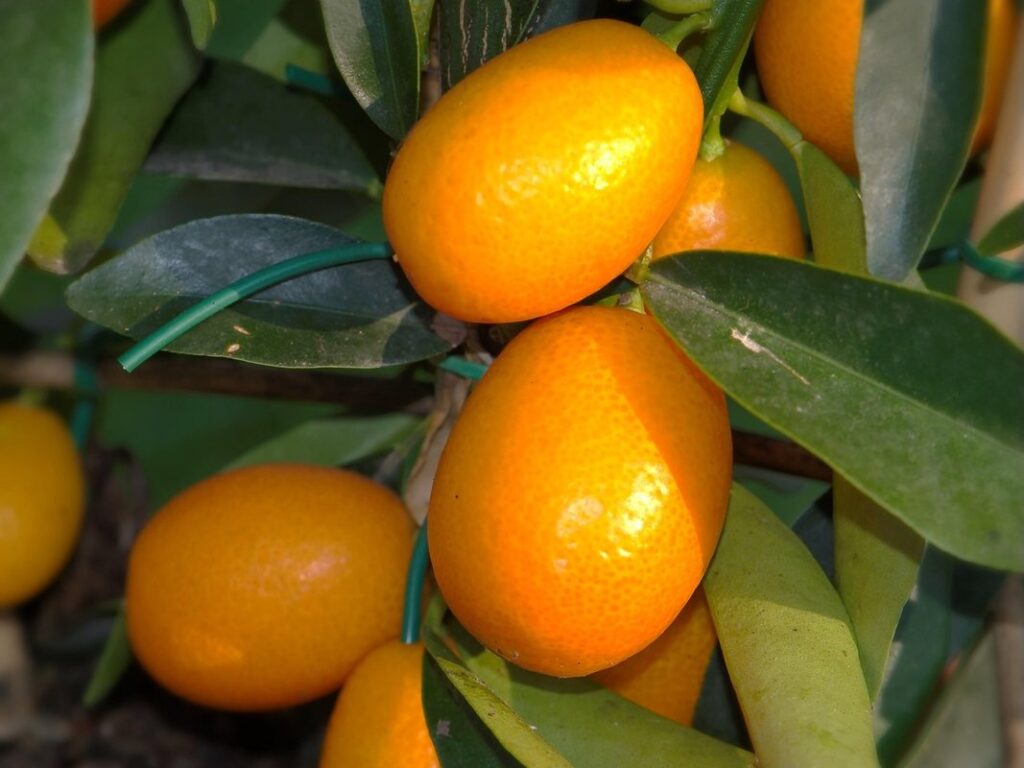
Introduction to Dwarf Citrus
Welcome to our guide on dwarf citrus varieties for indoor growing! In this section, we’ll introduce you to the basics of these compact and versatile trees.
What are Dwarf Citrus Trees?
Dwarf citrus trees are compact, ornamental varieties of citrus plants that have been bred specifically for their smaller size and adaptability to indoor spaces. Unlike standard citrus trees, which can grow up to 20 feet tall, dwarf citrus trees typically reach a maximum height of around 6-10 feet.
One of the unique characteristics of dwarf citrus trees is their ability to thrive in containers. This makes them perfect for small gardens, indoor spaces, or even as a decorative element on a balcony or patio. Their compact growth habit also means they require less pruning and maintenance compared to standard citrus trees.
Dwarf citrus trees come in a variety of species, including dwarf Washington navel orange, dwarf Meyer lemon, and dwarf kumquat. They are relatively low-maintenance plants that can tolerate some shade and require regular watering but not frequent fertilization. By choosing the right dwarf citrus tree for your indoor space, you can enjoy fresh fruit and beautiful blooms year-round. With proper care, a dwarf citrus tree can live for up to 10 years or more, making it a long-term addition to your home or office.
Benefits of Growing Dwarf Citrus Indoors
Growing dwarf citrus indoors is an excellent idea for several reasons. One of the most significant benefits is its space-saving potential. Dwarf citrus varieties are compact and can thrive in small containers on a windowsill or balcony, making them perfect for urban dwellers or those with limited outdoor space.
Another advantage of growing dwarf citrus indoors is year-round fruit production. Unlike their full-sized counterparts, which often go dormant during winter months, dwarf citrus trees continue to produce fruit throughout the year. This means you can enjoy fresh citrus fruits 365 days a year, regardless of the season. To maximize fruit production, be sure to provide your tree with plenty of light and maintain a consistent temperature between 65-75°F (18-24°C).
In addition to these benefits, growing dwarf citrus indoors also offers protection from harsh weather conditions, pests, and diseases that can affect outdoor trees. With proper care, indoor dwarf citrus trees can live for many years, providing you with a continuous supply of fresh citrus fruits.
You can expect to harvest your first crop within 1-2 years after planting, depending on the variety and growing conditions.
Choosing the Right Variety for Indoor Growth
When it comes to growing dwarf citrus trees indoors, choosing the right variety is crucial for success. With numerous options available, selecting a tree that suits your climate, space constraints, and personal preferences can be overwhelming.
Considerations such as cold hardiness, growth rate, fruit size, and pest resistance should guide your decision-making process. For example, if you live in an area with limited natural light, opt for varieties like ‘Dwarf Washington’ or ‘Dwarf Meyer’, which are more tolerant of low light conditions.
On the other hand, if you have a larger indoor space, consider trees like ‘Dwarf Blood Orange’ or ‘Dwarf Satsuma’, which can grow up to 3-4 feet tall and provide a higher yield. Another factor to consider is the maturity period; some dwarf citrus varieties are ready to produce fruit in as little as 6-8 months, while others may take up to 2 years.
When selecting a variety, research its specific needs and ensure you can meet them. This will not only guarantee your tree’s survival but also encourage healthy growth and maximize fruit production.
Popular Dwarf Citrus Varieties Suitable for Indoors
If you’re looking to bring a burst of citrus flavor into your home, here are some popular dwarf varieties that thrive in indoor conditions. These compact trees offer endless possibilities for your small space.
1. Dwarf Washington Navel Orange
The Dwarf Washington Navel Orange is one of the most sought-after dwarf citrus varieties for indoor cultivation. This compact tree grows to a maximum height of 6-8 feet, making it an ideal choice for small spaces and containers. Its unique growth habit allows it to thrive in a variety of lighting conditions, from bright indirect light to partial shade.
One of the standout features of the Dwarf Washington Navel Orange is its exceptionally high fruit yield. Expect to harvest juicy, seedless navel oranges from November to May, with some trees producing up to 2-3 crops per year. This variety’s compact size and prolific fruiting make it a favorite among indoor citrus growers.
To get the most out of your Dwarf Washington Naval Orange, be sure to provide it with well-draining soil and regular fertilization. Prune the tree regularly to maintain its shape and encourage new growth. With proper care, this dwarf variety will reward you with an abundance of delicious, homegrown navel oranges for years to come.
2. Dwarf Meyer Lemon
The Dwarf Meyer Lemon is a popular choice for indoor citrus growers due to its compact size and high tolerance for cooler temperatures. This variety can thrive in containers as small as 7-10 gallons and can be pruned to maintain a manageable height of around 6-8 feet.
One of the key benefits of growing Dwarf Meyer Lemons indoors is their ability to tolerate temperatures as low as 40°F (4°C), making them an excellent choice for growers who live in areas with cold winters. They also require less chill hours compared to other citrus varieties, which means they can produce fruit more quickly and with less dormancy.
To grow a healthy Dwarf Meyer Lemon indoors, it’s essential to provide it with plenty of bright, indirect light. Aim for at least 4-6 hours of direct sunlight per day or supplement with grow lights if natural light is scarce. Regular watering and fertilization will also promote healthy growth and fruiting. With proper care, you can enjoy a bountiful harvest of Dwarf Meyer Lemons in as little as 2-3 years after planting.
Tips for Growing Dwarf Citrus Indoors
Now that you’ve chosen your perfect dwarf citrus variety, let’s dive into the nitty-gritty of growing them indoors – tips and tricks to ensure their success. We’ll cover essential care requirements for a thriving indoor garden.
Soil and Fertilization Requirements
When growing dwarf citrus indoors, it’s essential to get the soil and fertilization right for optimal growth. Well-draining soil is crucial to prevent waterlogged conditions that can lead to root rot and other issues. You’ll want to choose a potting mix specifically designed for indoor plants or make your own blend using perlite, vermiculite, and peat moss.
Regular fertilization is also vital for producing healthy fruit and vibrant growth. A balanced citrus fertilizer (10-10-10) applied during the growing season will provide necessary nutrients like nitrogen, phosphorus, and potassium. You can also supplement with a calcium-rich fertilizer to prevent blossom end rot and promote strong root development. Aim to fertilize your dwarf citrus tree once a month during spring and summer when it’s actively producing new growth.
It’s worth noting that over-fertilization can be detrimental to your plant’s health. So, make sure to follow the recommended application rates on the fertilizer label, and avoid fertilizing during the dormant season. With proper soil care and regular fertilization, you’ll be well on your way to enjoying a thriving dwarf citrus tree indoors.
Pruning and Training Techniques
When it comes to growing dwarf citrus indoors, pruning and training are crucial techniques that help maintain a healthy tree shape and promote fruiting. Proper pruning can control the size of the tree, encourage new growth, and increase yields.
For compact dwarf varieties like ‘Dwarf Washington’ or ‘Dwarf Meyer’, you can prune them regularly to keep them bushy and around 3-4 feet tall. Prune back any leggy stems, reducing their length by about one-third. Remove any dead or diseased branches, making clean cuts just above a leaf node.
To promote an open center shape and encourage fruiting, consider a central leader training method. This involves pruning the strongest stem to become the main trunk, while removing lower branches. Regularly prune lateral shoots, cutting them back by about one-quarter of their length. This technique helps control the tree’s width and directs energy towards fruit production.
By implementing these pruning and training techniques, you’ll be rewarded with a thriving dwarf citrus tree that produces an abundance of delicious fruits indoors all year round.
Common Problems and Solutions When Growing Dwarf Citrus Indoors
Growing dwarf citrus indoors can be a rewarding experience, but it’s not without its challenges. In this section, we’ll address some common problems you might encounter and offer practical solutions to overcome them.
Pests and Diseases
As you care for your dwarf citrus tree indoors, it’s essential to be aware of potential pests and diseases that can affect its health. Common pests like mealybugs, spider mites, and scale insects feed on the sap of the tree, weakening it over time. To identify these pests, look for white, cottony patches or fine webbing on the leaves and stems.
Diseases such as root rot and leaf spot are also prevalent indoors. Root rot is caused by overwatering, leading to soft, mushy roots that can’t absorb nutrients. Leaf spot appears as yellow or brown spots on the leaves, often with a white powdery coating. To treat these issues, adjust your watering schedule, prune affected areas, and apply fungicides.
Prevention is key: maintain good air circulation around your tree, keep the soil moist but not waterlogged, and inspect your tree regularly for signs of pests or disease. For severe infestations, consider using insecticidal soap or neem oil to control pest populations.
Nutrient Deficiencies and Toxicities
When growing dwarf citrus indoors, it’s essential to be aware of potential nutrient deficiencies and toxicities that can affect their health. Dwarf citrus trees are prone to overwatering, which can lead to root rot and other problems. To avoid this, make sure the soil is well-draining and water only when the top 1-2 inches of soil feel dry.
Nutrient deficiencies can be caused by poor soil quality or inadequate fertilization. Common deficiencies include nitrogen (N), iron (Fe), magnesium (Mg), and potassium (K). If you notice yellowing leaves, it may indicate a lack of N or Fe. On the other hand, if the leaves are pale green or yellowish-green, it could be due to Mg deficiency.
Toxicities can occur when the trees are exposed to excessive amounts of certain nutrients, such as fluoride (F) or boron (B). Prolonged exposure to F can lead to brown tips on leaves and stunted growth. To prevent these issues, use a balanced fertilizer during the growing season, and ensure proper soil pH between 6-7.
Regularly inspect your tree for signs of nutrient deficiencies or toxicities, and adjust your care routine accordingly. This may involve repotting with fresh potting mix, adjusting fertilization schedules, or monitoring water intake more closely.
Advanced Tips for Maximizing Fruit Production and Tree Health
To take your dwarf citrus trees to the next level, we’ll dive into expert strategies for boosting yields and maintaining optimal tree health in even the most challenging indoor environments.
Propagation Methods
Propagating dwarf citrus trees from stem cuttings is an excellent way to multiply these valuable plants. To get started, choose healthy and vigorous stems with at least two sets of leaves. Remove lower leaves to prevent root rot and reduce moisture loss, then dip the cut end into a rooting hormone powder or liquid to increase the chances of successful propagation.
Next, plant the stem cutting in a well-draining potting mix, firming the soil gently but thoroughly around the cutting. Water sparingly until roots develop, which can take anywhere from 2-6 weeks depending on factors like temperature and humidity.
Alternatively, you can propagate dwarf citrus trees from seed. Sow seeds about ¼ inch deep in a seed starting mix and keep the soil consistently moist but not waterlogged. It’s essential to note that seed-grown trees may not retain the desirable traits of the parent plant, such as compact growth or specific fruit characteristics.
Be patient and monitor your progress closely – with proper care, you can successfully grow new dwarf citrus trees from stem cuttings or seeds in just a few weeks.
Winter Protection Strategies
When it comes to maximizing fruit production and tree health for your dwarf citrus indoor varieties during the winter months, protection strategies become even more crucial. The cold temperatures and dry air can be detrimental to these delicate plants.
One key strategy is to maintain a consistent temperature between 40°F and 70°F (4°C and 21°C) near your citrus trees. This will help prevent damage from sudden drops in temperature. You can achieve this by placing the potted trees away from drafts, radiators, or air conditioning vents.
Another essential consideration is humidity levels. Dwarf citrus trees prefer a humid environment, typically between 50-60% relative humidity. To combat dry winter air, you can place the pots on trays filled with water and pebbles or use a humidifier nearby. This will maintain a healthy moisture level around your trees and prevent leaf drop.
Monitor your tree’s watering needs carefully during this period, as dry soil can exacerbate cold stress. Also, ensure that your citrus varieties receive sufficient indirect light to promote continued growth and fruiting. By implementing these winter protection strategies, you’ll be well on your way to a thriving and productive indoor citrus garden year-round.
Conclusion and Final Thoughts on Growing Dwarf Citrus Indoors
Growing dwarf citrus indoors can be a rewarding experience, providing you with fresh fruit right in your home. To sum up our guide, remember that proper light is essential for these plants. If possible, place them near a south-facing window or invest in high-intensity grow lights. Make sure to water and fertilize regularly, as the nutrient-rich soil will promote healthy growth. By following these simple tips and selecting a variety suitable for your climate, you’ll be on your way to enjoying delicious citrus fruits year-round.
Remember that dwarf citrus plants are relatively low-maintenance compared to their outdoor counterparts. However, they still require attention and care to thrive indoors. Don’t be discouraged if you encounter any issues along the way – research and adjust as needed until you achieve success. With patience and dedication, your indoor dwarf citrus will reward you with a bountiful harvest.
Frequently Asked Questions
Can I grow dwarf citrus trees indoors year-round, regardless of the climate or region?
Yes, one of the advantages of growing dwarf citrus trees indoors is their ability to thrive in a controlled environment, unaffected by harsh weather conditions outside. As long as you provide optimal growing conditions, including sufficient light and nutrients, your dwarf citrus tree can produce fruit throughout the year.
How often should I water my indoor dwarf citrus tree?
Watering frequency will depend on factors such as temperature, humidity, and pot size. A general rule of thumb is to water your dwarf citrus tree when the top 1-2 inches of soil feels dry to the touch. Be cautious not to overwater, which can lead to root rot and other issues.
Can I use any type of fertilizer for my indoor dwarf citrus tree?
No, you should choose a balanced, water-soluble fertilizer specifically formulated for citrus trees. These fertilizers contain essential nutrients like nitrogen, phosphorus, and potassium that promote healthy growth and fruit production. Always follow the manufacturer’s instructions for application rates and frequency.
How do I know if my indoor dwarf citrus tree is receiving sufficient light?
Dwarf citrus trees typically require at least 4-6 hours of direct sunlight per day or a combination of bright indirect light. If you’re growing your tree in a shaded area, consider using grow lights to supplement the natural light and promote healthy growth.
Can I propagate my indoor dwarf citrus tree by cutting branches from an existing tree?
Yes, one common method for propagating dwarf citrus trees is through stem cuttings or grafting. However, it’s essential to choose a reliable and disease-free parent plant to ensure successful propagation. For best results, consult with a horticultural expert or follow reputable online resources for detailed instructions on the process.