
Growing your own delicious cucumbers can be a thrilling experience, but it requires some careful planning, especially when done in containers. If you’re looking to add fresh and crunchy goodness to your salads or sandwiches, growing cucumbers in pots is definitely worth considering. Not only does container gardening save space, but it also allows for better control over the soil quality and fertilization.
In this article, we’ll walk you through the essential steps of growing cucumbers in containers, from selecting the right pot to preparing the perfect soil mix. We’ll cover tips on how to ensure proper watering and fertilization, as well as common mistakes to avoid when growing these delicious vegetables in pots. Whether you’re a seasoned gardener or just starting out, our comprehensive guide will help you succeed in growing cucumbers that are ripe for the picking!
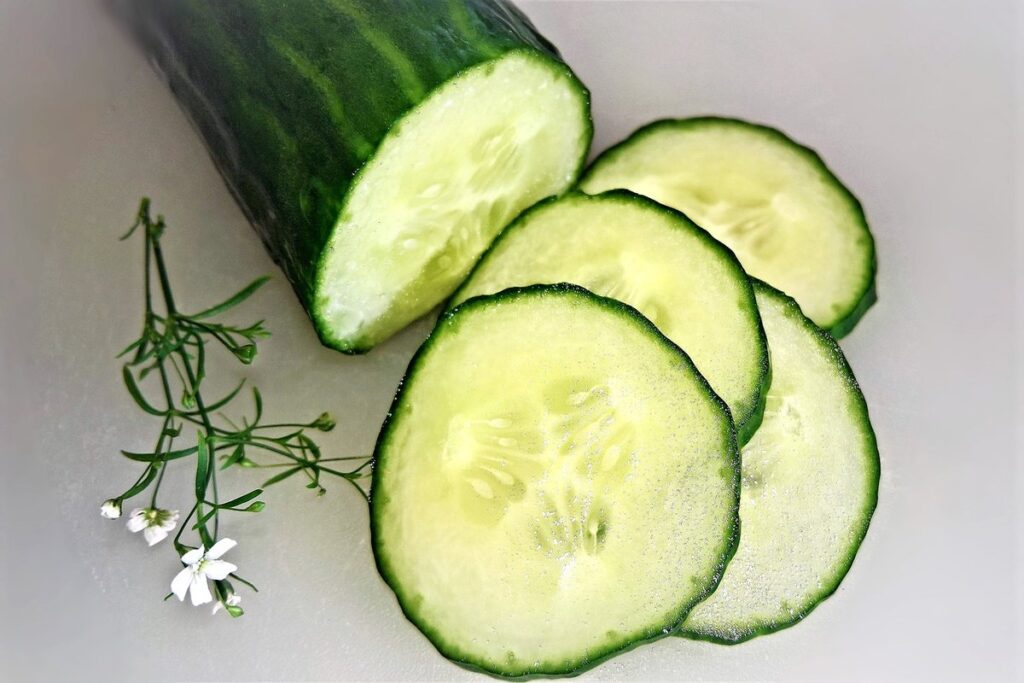
Choosing the Right Container and Location
When growing cucumbers in containers, selecting a suitable vessel and location is crucial for optimal growth. In this next step, we’ll explore container choices and ideal placement options.
Selecting the Perfect Container
When selecting a container for growing cucumbers, it’s essential to consider size, material, and drainage requirements. A minimum container size of 5 gallons is recommended, as this provides enough space for the roots to grow and absorb nutrients. However, larger containers can be beneficial if you plan to train your cucumber vines to climb up a trellis or other support.
In terms of material, look for containers made from breathable, durable materials such as plastic, wood, or terra cotta. These materials allow for good air circulation, which is crucial for preventing fungal diseases that thrive in humid environments. Avoid using containers with small drainage holes, as this can lead to waterlogged soil and root rot.
When choosing a container, ensure it has at least 2-3 inches of space between the top of the soil and the rim. This allows for easy watering and prevents the soil from becoming too wet. Additionally, consider the location’s climate and choose a container that can withstand extreme temperatures. For example, if you live in an area with intense sunlight, opt for a container with UV protection to prevent degradation.
Where to Place Your Container
When selecting a location for your container-grown cucumbers, sunlight and warmth are essential. Choose a spot that receives at least 6 hours of direct sun per day to ensure healthy growth. Aim for a south-facing wall or a spot with unobstructed sun exposure. If you’re growing in a shaded area, consider supplementing with grow lights.
Temperature plays a crucial role in cucumber cultivation. Opt for a location with consistent warmth above 60°F (15°C). Avoid areas prone to frost or extreme temperature fluctuations. A sunny spot on a patio, balcony, or rooftop can work well, but ensure it’s not exposed to harsh winds.
Proximity to a water source is vital, especially when growing in containers. Position your cucumbers near a garden hose or a nearby watering station for effortless maintenance. Accessibility is also key – place your container in an area where you can easily inspect and tend to the plants without straining yourself. This will ensure regular pruning, fertilization, and harvesting, ultimately leading to healthier and more productive cucumbers.
Preparing the Soil and Fertilizer
Before planting your cucumber seeds, it’s essential to prepare a nutrient-rich soil mix and select the right fertilizer for optimal growth. We’ll walk you through both steps in this crucial section.
Using a Well-Draining Potting Mix
When it comes to growing cucumbers in containers, using the right potting mix is crucial. A good potting mix should have a pH level between 6.0 and 7.0, which is slightly acidic to neutral. This range allows for optimal nutrient uptake by your cucumber plants.
If you’re looking to create your own potting mix, you can combine perlite or vermiculite with peat moss or coconut coir. Aim for a mix that contains around 20-30% organic matter, which will help retain moisture and suppress diseases. Additionally, make sure the mix has a balanced fertilizer content, such as a 10-10-10 NPK ratio.
You can also purchase a pre-mixed potting soil specifically designed for containers. Look for products that are labeled “well-draining” or “container-friendly.” Some popular options include Miracle-Gro, Pro-Mix, and Espoma Organic Potting Mix. When shopping for a pre-made mix, be sure to read the ingredient list and look for certifications like OMRI (Organic Materials Review Institute) or USDA Organic.
When using either a homemade or store-bought potting mix, make sure to follow the manufacturer’s instructions for any fertilizers that come with it. This will help you avoid over-fertilizing your plants and causing more harm than good.
Fertilizing Your Cucumber Plant
Fertilizing your cucumber plant is essential for optimal growth and fruit production. Since container-grown cucumbers rely on a limited amount of soil, it’s crucial to provide them with the right nutrients to thrive.
There are two main types of fertilizers: organic and synthetic. Organic fertilizers, such as compost tea or worm castings, promote healthy microbial activity in the soil, improving its structure and fertility. They’re also environmentally friendly and slow-release, providing a steady supply of nutrients over time. On the other hand, synthetic fertilizers are fast-acting but can burn your cucumber’s roots if applied excessively.
When to apply fertilizer is just as important as what type to use. Start with a balanced, water-soluble fertilizer (10-10-10 NPK) at half strength when you first plant your cucumber seeds or seedlings. As the plant grows, switch to an organic fertilizer like compost tea once a week during the fruiting stage. This will provide the necessary boost of nutrients for optimal fruit production and prevent over-fertilization.
Keep in mind that container-grown cucumbers have different nutrient requirements than those grown in the ground. They need more frequent fertilization due to their compact root system.
Sowing Seeds and Seedlings
When it comes to growing cucumbers in containers, sowing seeds and seedlings correctly is crucial for a successful harvest. Let’s dive into the essential steps for preparing your cucumber plants for growth.
Starting from Seeds vs. Seedlings
When it comes to growing cucumbers in containers, one of the most crucial decisions you’ll make is whether to start from seeds or seedlings. Both methods have their advantages and disadvantages, which we’ll delve into below.
Starting from seeds allows for more control over the soil quality and nutrient intake, as you can tailor your potting mix specifically for cucumber growth. Additionally, sowing seeds directly in the container eliminates the need for transplanting, reducing stress on the plant. However, this method requires patience, as it takes around 7-10 days for seeds to germinate.
On the other hand, purchasing seedlings saves time and allows you to get a head start on the growing season. Seedlings are typically 4-6 weeks old and have already developed their root system, giving them an advantage in terms of growth rate. However, transplanting can be stressful for young plants, so it’s essential to choose healthy seedlings with well-developed roots.
If you do decide to start from seeds, sow them directly into a container filled with moist potting mix. Cover the seeds with a thin layer of soil and keep the soil consistently moist until germination occurs. If you prefer to purchase seedlings, make sure to handle them gently and avoid exposing their sensitive roots to dry air.
Providing Adequate Space and Support
When sowing cucumber seeds or seedlings in containers, it’s essential to provide adequate space for them to grow. A general rule of thumb is to allocate around 3-4 square feet per plant, which allows the vines to spread out and receive sufficient air circulation. This is particularly crucial when growing cucumbers in small containers, as overcrowding can lead to disease and pest issues.
To promote vertical growth and prevent stem damage, you’ll need a reliable support system. Trellises are an excellent option, as they allow the cucumber vines to climb upwards while keeping them off the ground. You can use a freestanding trellis or attach one to the container itself using twine or wire. Another alternative is to use cages, which provide structural support and keep the stems upright. Stakes are also effective for smaller containers, where you can gently tie the stem to the stake with soft material like twine or a soft cloth.
It’s worth noting that some cucumber varieties are naturally more compact or bush-like, requiring less space than others. Always research the specific needs of your chosen variety to ensure you’re providing the right amount of support and space for optimal growth.
Watering and Irrigation
Now that you have your container garden up and running, it’s time to think about how to keep those cucumbers hydrated and thriving. This section covers the essential watering and irrigation techniques for container-grown cucumbers.
Understanding Cucumber Water Requirements
Maintaining consistent moisture levels is crucial for optimal cucumber production. Cucumbers need about 1-2 inches of water per week, either from rainfall or irrigation. To ensure you’re not overwatering or underwatering, it’s essential to check the soil moisture regularly.
To do this, stick your finger into the soil up to the first knuckle. If the soil feels dry, it’s time to water. If it’s already moist, wait another day or two before checking again. You can also use a soil probe or a moisture meter for more accurate readings.
Keep in mind that cucumbers prefer well-draining soil and can be susceptible to root rot if the soil is too wet. In hot weather, you may need to water your cucumber plants daily, while in cooler weather, they might only require watering every other day.
Monitor your plant’s response to your watering schedule and adjust as needed. If leaves start to wilt or turn yellow, it may be a sign that the soil is too dry. Conversely, if the leaves are constantly soggy or develop brown spots, the soil may be too wet.
Using Drip Irrigation or Soaker Hoses
When it comes to watering your container-grown cucumbers, you’ll want to consider using an efficient irrigation system. One popular option is drip irrigation, which delivers water directly to the roots of the plant. This method reduces evaporation and runoff, making it perfect for containers where space is limited.
Drip irrigation systems consist of a network of tubes and emitters that release water at regular intervals. They’re easy to install and require minimal maintenance. For example, you can place a drip irrigation system in a long container of cucumbers, allowing each plant to receive exactly the right amount of water without wasting any on surrounding soil.
Another option is soaker hoses, which are flexible tubes that release water as they run through the soil. Soaker hoses are great for larger containers or for areas where you need to water multiple plants at once. They’re also relatively inexpensive and easy to install. Just be sure to bury them 6-8 inches deep to prevent clogging.
When choosing between drip irrigation and soaker hoses, consider your specific container-grown cucumber setup. If space is limited, drip irrigation might be the better choice. But if you have a larger area or need to water multiple plants, soaker hoses could be the way to go.
Pest and Disease Management
When growing cucumbers in containers, it’s essential to stay on top of potential pests and diseases that can harm your crop, from aphids to powdery mildew.
Common Pests Affecting Cucumbers
When growing cucumbers in containers, it’s essential to be aware of common pests that can infest these plants. Among the most notorious culprits are aphids, whiteflies, and spider mites. These tiny insects feed on plant sap, causing curled or distorted leaves, stunted growth, and reduced fruit production.
Aphids, for instance, are often found in clusters on stems and leaves, while whiteflies hover above plants, sucking sap from the undersides of leaves. Spider mites spin fine webs on the foliage, making it difficult to spot them at first glance. Organic control methods include introducing beneficial insects like ladybugs or lacewings that prey on these pests.
Integrated Pest Management (IPM) strategies can also be employed to prevent infestations. Regularly inspect your plants for signs of pest activity and wash leaves with a gentle stream of water. Use neem oil or insecticidal soap as needed, following the product’s instructions carefully. By being proactive and monitoring your plants closely, you can minimize the risk of pest outbreaks and ensure a healthy, productive harvest from your container-grown cucumbers.
Preventing and Treating Fungal Diseases
Fungal diseases like powdery mildew and downy mildew can be devastating to container-grown cucumbers. These diseases thrive in warm, humid conditions, making them a common problem for container gardeners. Powdery mildew is characterized by a white, powdery coating on the leaves, while downy mildew appears as yellowing or curling leaves with a fuzzy growth on the underside.
To prevent fungal diseases, make sure to provide good air circulation around your cucumber plants. This can be achieved by keeping them at least 6-8 inches apart and providing adequate space between containers. Water your cucumbers in the morning, allowing the soil to dry out slightly between waterings. Avoid getting water on the leaves or crown of the plant, as this can create an ideal environment for fungal growth.
If you do notice signs of fungal disease, there are still treatment options available. Start by removing any affected areas and disposing of them to prevent the spread of the disease. You can also use a fungicide specifically labeled for use on cucumbers. Apply it according to the product’s instructions, taking care not to spray the bees that may be visiting your plants. Some gardeners have also had success using neem oil or baking soda to treat fungal diseases.
Harvesting and Storage
Now that you’ve grown delicious cucumbers in your container, let’s talk about how to harvest them at their peak flavor and store them for a longer shelf life. Proper storage techniques will keep your fresh produce safe and edible.
When to Expect Your First Harvest
When you’re growing cucumbers in containers, it’s essential to know when to expect your first harvest. Generally, it takes around 50-60 days from sowing seeds to harvesting cucumbers. However, this timeframe can vary depending on factors such as weather conditions, soil quality, and the specific cucumber variety you’re cultivating.
To determine if your cucumbers are ready for harvest, gently check their color and size. Typically, a ripe cucumber will be around 6-8 inches long and have a dark green or yellow skin. Some varieties may turn from bright green to more muted tones as they mature.
When harvesting cucumbers, use a sharp knife or pruning shears to minimize damage to the plant. Twist or cut off the fruit at an angle, leaving about half an inch of stem attached. This helps the plant focus its energy on producing new growth rather than trying to recover from over-harvesting.
Timing is crucial when harvesting cucumbers, as they can become seedy and lose their flavor if picked too late. Be sure to monitor your plants regularly to catch them at the peak of ripeness and enjoy those fresh, crunchy cucumbers!
Storing Freshly Harvested Cucumbers
Proper storage of freshly harvested cucumbers is crucial to maintaining their quality and extending shelf life. Immediately after harvesting, gently wash the cucumbers with cold water to remove dirt and debris. Avoid using hot water, as it can cause the cucumber skin to become soft and develop brown spots.
Next, pat dry the cucumbers with a clean towel or let them air-dry for about an hour. This step helps prevent excess moisture from accumulating, which can lead to mold and spoilage. When storing, keep cucumbers away from direct sunlight and heat sources, as high temperatures can accelerate ripening and deterioration.
Store cucumbers in the refrigerator at a consistent temperature between 40°F (4°C) and 50°F (10°C). You can also store them in a breathable container or bag to maintain humidity levels. Check on your stored cucumbers regularly to remove any that show signs of spoilage, such as softening, mold, or an off smell.
By following these simple steps, you can enjoy your homegrown cucumbers for several days longer and preserve their freshness and flavor.
Frequently Asked Questions
Can I grow cucumbers indoors year-round?
Yes, you can grow cucumbers indoors year-round using a well-ventilated area with a minimum of 4-6 hours of direct sunlight per day. Make sure to use a high-quality grow light and maintain optimal temperature conditions (around 65-75°F) for your cucumber plants.
How often should I check the soil moisture in my container-grown cucumbers?
It’s essential to check the soil moisture daily, especially during hot weather or when using well-draining potting mixes. Use a finger test to determine if the top 2-3 inches of soil are dry to the touch; if they are, it’s time to water your cucumber plants.
What are some common pests that target container-grown cucumbers?
Common pests like aphids, whiteflies, and spider mites often affect container-grown cucumbers. Inspect your plants regularly for signs of infestation and take action promptly using neem oil or insecticidal soap to control pest populations.
Can I use regular potting soil instead of a well-draining mix for growing cucumbers in containers?
No, it’s not recommended to use regular potting soil as it can compact and prevent proper drainage. Instead, opt for a high-quality well-draining potting mix that contains perlite or vermiculite to ensure your cucumber roots receive adequate air and water.
How long does it take for my container-grown cucumbers to produce fruit?
The time it takes for your container-grown cucumbers to produce fruit depends on factors like variety, soil quality, and temperature conditions. Typically, you can expect to see your first harvest within 50-60 days after sowing seeds or transplanting seedlings into containers.