
Growing your own food and medicine at home can be incredibly rewarding, but not all plants are suited for indoor cultivation. Comfrey, however, is an exception. This nutrient-rich perennial has been prized by gardeners and herbalists for centuries due to its versatility in cooking, herbal remedies, and natural fertilizer potential. But did you know that comfrey can thrive indoors? With the right guidance, you can unlock its medicinal properties and enjoy a bountiful harvest of this nutritious houseplant. In this article, we’ll share expert advice on choosing the right variety, preparing your space, planting, caring for, feeding, fertilizing, pruning, and harvesting comfrey indoors. Whether you’re a seasoned gardener or just starting out, we’ll cover everything you need to know to successfully grow comfrey in your home.
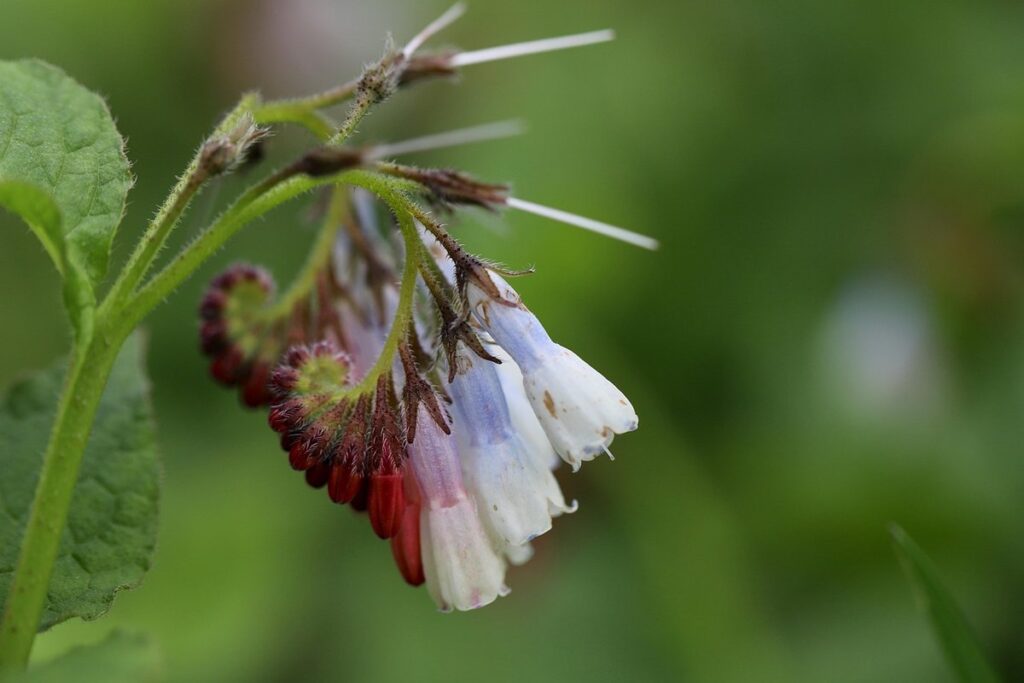
Understanding Comfrey as a Houseplant
Growing comfrey indoors can be rewarding, but it requires understanding its unique needs and characteristics to thrive. In this section, we’ll delve into what makes comfrey a great houseplant and how to care for it successfully.
Benefits of Growing Comfrey Indoors
Comfrey’s unique characteristics make it an excellent choice for indoor cultivation. As you grow comfrey indoors, you’ll reap numerous benefits, making it a valuable addition to your indoor garden.
One of the most significant advantages of growing comfrey indoors is its ability to act as a natural fertilizer plant. Comfrey’s roots are capable of absorbing nutrients from the soil and storing them in its leaves, which can then be used as a nutrient-rich compost. This process is called “comfrey tea,” and it’s an excellent way to recycle kitchen scraps and create a liquid fertilizer for your indoor plants.
In addition to its fertilizing properties, comfrey also has medicinal benefits. Its leaves contain allantoin, a compound that promotes tissue repair and can be used to soothe skin irritations and wounds. You can use the leaves in salads or as a natural remedy for minor scrapes and cuts.
To utilize the benefits of your indoor comfrey plant, make sure to harvest its leaves regularly to encourage new growth and prevent it from flowering. This will allow you to collect the nutrient-rich leaves and use them to create comfrey tea for your other plants.
Choosing the Right Variety for Indoor Growth
When it comes to growing comfrey indoors, choosing the right variety is crucial for success. There are several types of comfrey that are suitable for indoor growth, each with its unique characteristics.
‘Bocking 14’ is a popular choice among gardeners due to its hardiness and high yields. This perennial variety thrives in partial shade and can tolerate some frost, making it an excellent option for indoor growth. Russian Comfrey, on the other hand, is more compact and produces smaller leaves. It’s ideal for small spaces or containers and prefers full sun to partial shade.
Other varieties like ‘Napoleon’ and ‘Icelandic Seedling’ are also worth considering. They offer a mix of growth habits and leaf sizes, allowing you to choose what suits your space best. When selecting a comfrey variety for indoor growth, consider factors such as light exposure, temperature tolerance, and desired foliage size.
By choosing the right comfrey variety, you’ll be well on your way to enjoying its benefits indoors. Remember to research specific growing requirements for each variety to ensure optimal results in your indoor garden.
Preparing Your Space for Comfrey Indoors
When preparing to grow comfrey indoors, selecting the right location is crucial for optimal growth. Comfrey requires bright, indirect light to photosynthesize effectively. A south-facing window with a sheer curtain or a spot under grow lights that provide 12-14 hours of light per day will suffice. East- or west-facing windows can also work, but ensure they receive at least four hours of direct sunlight.
In addition to adequate lighting, comfrey thrives in temperatures between 65°F and 75°F (18°C and 24°C). Avoid placing your plant near heating or cooling vents, fireplaces, or drafty areas. Maintaining a consistent temperature will promote healthy growth and prevent shock.
Humidity levels also play a significant role in comfrey’s indoor success. Average humidity levels (40-50%) are suitable for comfrey growth. To maintain optimal humidity, you can place the pot on a tray filled with water and pebbles or use a humidifier nearby. Monitor your plant regularly to ensure it’s not developing issues related to extreme temperatures or humidity fluctuations.
Planting and Caring for Comfrey Indoors
To successfully grow comfrey indoors, you’ll need to follow some specific guidelines when planting and caring for these plants in your home. Here are some key tips to get started.
Propagation Methods for Indoor Comfrey
Propagating comfrey indoors is relatively easy and can be done through division, cuttings, or seed starting. When using the division method, wait until the plant has reached a decent size, around 6-8 inches tall. Carefully dig up the entire root system, gently wash away any excess soil, and separate the sections into individual plants. This is usually most effective during spring or fall when the plant is less active.
For cuttings, use healthy stems with at least two sets of leaves. Remove lower leaves to prevent moisture loss and place the cutting in a pot filled with moistened compost or perlite. Keep the soil consistently damp but not waterlogged until roots develop and new growth appears.
Seed starting can be more challenging due to comfrey’s specific germination requirements – requiring 65-75°F (18-24°C) temperatures and high humidity. Sow seeds directly into a pot filled with seed-starting mix, approximately ¼ inch deep. Keep the soil moist but not waterlogged until germination occurs within 1-3 weeks.
Soil Requirements for Healthy Comfrey Growth
Comfrey is a hardy perennial that can thrive indoors with the right soil conditions. When it comes to growing comfrey indoors, you’ll want to create a rich and fertile environment that mimics its natural habitat. The ideal pH range for comfrey is between 6.0 and 7.0, slightly acidic to neutral. Avoid using alkaline soils, as this can lead to nutrient deficiencies and reduced plant growth.
In terms of nutrients, comfrey is a heavy feeder and requires a balanced diet to produce its robust foliage. Add a general-purpose potting mix with compost or manure tea to provide essential micronutrients. You can also supplement with a balanced fertilizer (5-5-5 NPK) once a month during the growing season.
Be mindful of potential soil contaminants, such as heavy metals or pesticides, which can harm comfrey and your indoor environment. Use fresh potting mix each time you repot comfrey to avoid cross-contamination. Regularly test your soil pH and nutrient levels to ensure optimal conditions for healthy growth.
Watering and Humidity Management for Indoor Comfrey
Watering comfrey indoors can be tricky, as it thrives in moist environments but is prone to root rot if the soil becomes too waterlogged. To strike a balance, start by watering your comfrey plant when the top 1-2 inches of soil feel dry to the touch. Water thoroughly, allowing excess moisture to drain from the pot before returning it to its saucer.
Maintain a consistent humidity level around 40-50% for optimal growth. You can achieve this through misting or placing the pot on a tray filled with water and pebbles. Be cautious not to overdo it – high humidity can encourage fungal diseases and pests. Monitor your plant’s response, adjusting humidity levels accordingly.
Keep in mind that comfrey plants prefer temperatures between 65°F to 75°F (18°C to 24°C), which is ideal for indoor growing conditions. Avoid placing the pot near heating vents or drafty areas, as this can dry out the soil and lead to under-watering issues. By balancing watering schedules with humidity levels, you’ll create an environment conducive to healthy root development and overall comfrey growth indoors.
Feeding and Fertilizing Your Indoor Comfrey
To keep your indoor comfrey thriving, it’s essential to provide the right nutrients through feeding and fertilizing, but how often should you do this? A balanced approach will make a big difference in its growth.
Compost Tea as a Natural Fertilizer
Compost tea is a liquid fertilizer made by steeping compost-rich materials in water. As you’re growing comfrey indoors, this natural approach to fertilization can be especially beneficial. Compost tea is an excellent way to provide your plants with essential nutrients without the risk of burning their roots.
To make compost tea at home, start by filling a bucket with 1-2 gallons of water and adding a handful of comfrey leaves. Let it steep for 24 hours in a shaded area or under direct sunlight. The resulting liquid is rich in beneficial microbes, which will help break down nutrients into a form your plants can easily absorb.
This approach has several benefits. For one, compost tea reduces the risk of nutrient burn and promotes healthy root development. It also encourages beneficial microbial growth, which helps maintain soil health and supports plant immunity. By using compost tea as a fertilizer, you’ll be creating an environment that fosters balanced growth and robust plant health.
Using Comfrey Leaves in Cooking and Herbal Remedies
When it comes to using comfrey leaves in cooking and herbal remedies, the possibilities are endless. Not only is comfrey a nutrient-rich food source for humans and animals alike, but its leaves also possess remarkable healing properties that can be utilized in various ways.
In cooking, comfrey leaves can be used as a nutritious addition to salads, smoothies, and sautés. Simply chop them finely and add them to your favorite recipes for an extra boost of vitamins A, C, and K, as well as minerals like calcium and iron. You can also make teas by infusing dried comfrey leaves in hot water, which is said to aid digestion and reduce inflammation.
For herbal remedies, comfrey leaf is often used topically to soothe skin irritations and wounds. Make a compress by steeping fresh or dried comfrey leaves in hot water, then apply it directly to the affected area for 15-20 minutes. This remedy can also be used internally, where it’s believed to help with bone health, reducing joint pain and inflammation.
One of the most notable benefits of using comfrey leaves is their ability to act as a natural fertilizer when added to compost piles or used as a mulch. The leaves are rich in nitrogen, phosphorus, and potassium – making them an excellent addition to any garden or indoor growing system.
Pruning and Harvesting Your Indoor Comfrey
To keep your indoor comfrey healthy and thriving, you’ll need to prune it regularly, which also marks the perfect time for harvesting its nutrient-rich leaves.
Timing for Optimal Growth and Yield
When it comes to pruning and harvesting comfrey leaves for maximum growth and nutrient yield, timing is everything. As an indoor grower, you’ll want to harvest your comfrey leaves at the right moment to stimulate new growth and prevent the plant from becoming too woody.
Typically, comfrey leaves are ready to harvest when they reach 6-8 inches in length. You can start harvesting individual leaves as soon as they’re large enough, usually within 4-6 weeks after planting. Harvesting at this stage will encourage the plant to produce new growth and prevent it from flowering prematurely.
As a general rule, aim to prune your comfrey plants every 2-3 weeks during the growing season. This will help maintain their shape, promote healthy growth, and ensure a continuous supply of nutrient-rich leaves for composting or cooking. By pruning regularly, you’ll also reduce the risk of pests and diseases that can affect indoor plants.
To optimize growth and yield, harvest comfrey leaves in the morning after they’ve reached maximum water content. This will make them easier to chop and incorporate into your recipes or compost pile.
Tips on Maximizing Leaf Production
Proper pruning techniques can significantly impact comfrey’s leaf production. To maximize leaf growth, prune your comfrey plant regularly to encourage new growth and prevent it from flowering. This is because comfrey allocates its energy towards producing seeds when it flowers, diverting resources away from leaf production.
Prune your comfrey plants every 4-6 weeks during the growing season by cutting back the tips of the stems to about one-third of their height. This encourages lateral growth and increases leaf density. Make clean cuts just above a node using sharp pruning shears or loppers, making sure not to crush the stem.
Regular pruning also helps control the plant’s size and promotes air circulation, reducing the risk of disease. Remove any weak or spindly growths, as these can compromise the plant’s overall health. By following this regular pruning schedule, you can enjoy a bountiful harvest of comfrey leaves throughout the growing season.
Common Issues and Solutions for Indoor Comfrey
As you navigate growing comfrey indoors, you’ll inevitably encounter some common problems that can be frustrating to resolve. This section addresses frequently encountered issues and provides solutions to get your indoor comfrey thriving again.
Addressing Pests, Diseases, and Nutrient Deficiencies
When growing comfrey indoors, you may encounter some common challenges that can affect its health and productivity. One of the most significant issues is pests, which can be difficult to manage in indoor environments. Check for aphids, whiteflies, and spider mites on the leaves and stems, and treat infestations promptly with neem oil or insecticidal soap.
Diseases like powdery mildew and leaf spot are also possible, especially if the comfrey is exposed to high humidity or poor air circulation. To prevent these issues, ensure good air movement around the plant by placing it at least 6-8 inches away from any surfaces. Regularly inspect your comfrey for signs of disease, and treat fungal infections with a fungicide specifically designed for indoor plants.
Nutrient deficiencies can also occur when growing comfrey indoors, especially if the soil lacks essential micronutrients. Monitor your plant’s color, growth rate, and leaf shape to identify potential nutrient deficiencies. For example, yellowing leaves may indicate a lack of nitrogen, while stunted growth could be due to inadequate phosphorus or potassium levels. Address these issues by fertilizing with a balanced indoor plant fertilizer according to the manufacturer’s instructions.
Overcoming Lighting Limitations in Low-Light Spaces
Comfrey can thrive indoors with minimal light, but its growth may be hindered by low-light conditions. To overcome this limitation, you can utilize grow lights to supplement the available natural light. Consider investing in LED grow lights, which are energy-efficient and emit less heat than traditional options.
Alternatively, optimize your plant’s placement within the space. Position comfrey near a south-facing window or under skylights to maximize its exposure to indirect sunlight. You can also place plants on a shelf or ladder to lift them closer to the available light source.
To further enhance growth in low-light conditions, prune your comfrey regularly to encourage bushy growth and prevent it from becoming leggy. This will help distribute energy more evenly throughout the plant, allowing it to thrive even with limited light. By implementing these strategies, you can successfully grow comfrey indoors despite challenging lighting conditions.
Conclusion: Unlocking the Potential of Indoor Comfrey
By now, you should have a solid understanding of how to grow comfrey indoors and unlock its full potential. With proper care and attention, this incredible plant can thrive in your indoor space, providing a multitude of benefits for your plants, soil, and even yourself. You’ve learned about the various types of comfrey, how to prepare the soil, and the best methods for propagation and harvesting. Remember that comfrey is a dynamic accumulator, meaning it can improve the health of your soil over time. So, don’t be afraid to experiment with different combinations and techniques. By incorporating comfrey into your indoor garden or houseplant setup, you’ll not only create a more diverse and resilient ecosystem but also harvest its nutritious leaves for teas, salads, and other uses. With patience and practice, the possibilities are endless when it comes to growing comfrey indoors.
Frequently Asked Questions
Can I grow comfrey indoors without providing direct sunlight?
Yes, comfrey can tolerate low light conditions but will not produce as much biomass as it would with direct sunlight. Consider using grow lights to supplement natural light if you’re growing in a low-light space.
How often should I fertilize my indoor comfrey plant?
Fertilize your indoor comfrey every 2-3 weeks during the active growth phase, typically from spring to autumn. You can use compost tea or a balanced fertilizer specifically designed for plants like comfrey. Monitor your plant’s response and adjust fertilization frequency accordingly.
What are some common pests that target indoor comfrey?
Aphids, spider mites, and mealybugs are common pests that can infest indoor comfrey plants. Inspect your plant regularly, and use organic pest control methods such as neem oil or insecticidal soap to prevent infestations.
Can I propagate comfrey using leaf cuttings, or is division the only method?
Yes, you can propagate comfrey using leaf cuttings, but it may be more challenging than division. Take 2-3 inch stem sections with leaves attached and plant them in a pot filled with moist compost or perlite. Keep the soil consistently moist until roots develop.
How long does it take for indoor comfrey to mature and produce usable leaves?
Indoor comfrey typically takes 6-8 weeks to reach maturity after planting, depending on factors like light exposure, temperature, and fertilization. Once established, comfrey plants can continue producing leaves throughout the year with proper care.