
As winter sets in, our minds often turn to hearty meals made with fresh produce. But have you ever stopped to think about growing your own cold-weather vegetables? Not only can they add crunch and flavor to soups, stews, and salads, but they’re also incredibly resilient and can thrive in frosty conditions. Broccoli, kale, carrots, and other leafy greens are perfect examples of veggies that love the cold. In this article, we’ll explore how to grow these winter wonders, choose the freshest varieties at the market, and care for them so they remain healthy and delicious all season long. We’ll also share some expert tips on how to incorporate these nutritious staples into your meals and make the most of their flavors and textures.
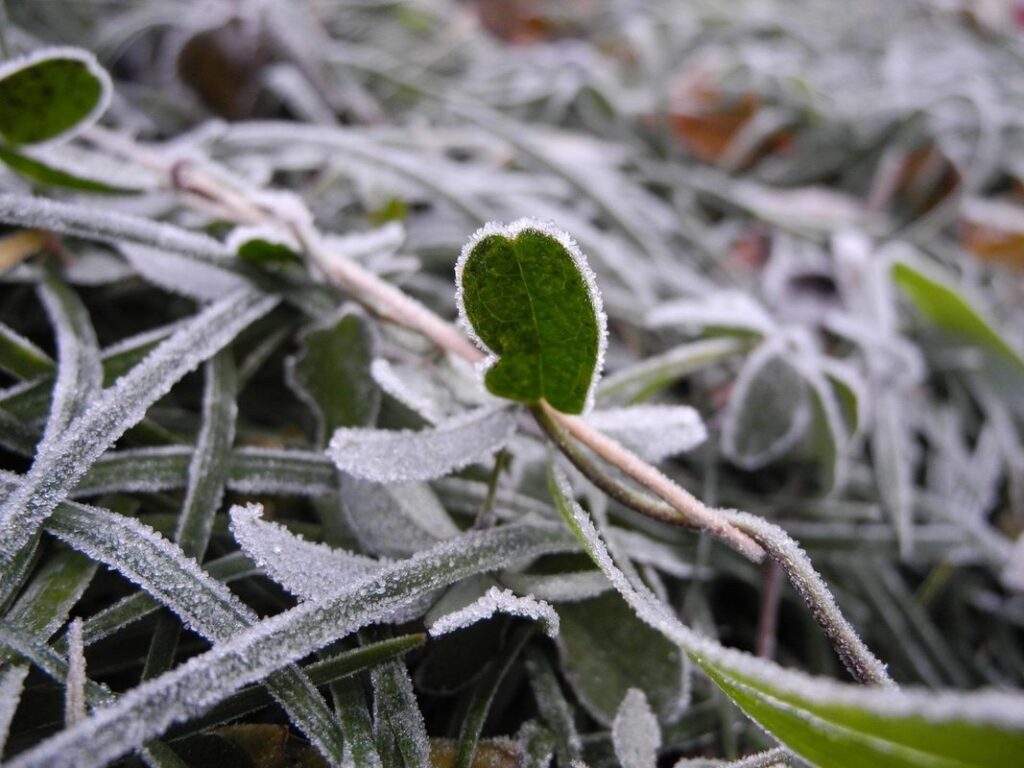
Understanding Cold Weather Vegetable Crops
When it comes to growing cold weather vegetables, understanding which varieties thrive in frosty conditions is crucial for a successful harvest. Let’s explore some essential factors to consider when selecting and growing these hardy crops.
Characteristics of Hardy Vegetables
When selecting vegetables for cold weather gardens, it’s essential to choose varieties that exhibit hardiness traits. These characteristics enable certain vegetables to thrive in cooler temperatures and withstand frost. Key indicators of a vegetable’s ability to cope with cold conditions include its temperature tolerance, adaptability to shorter days, and resistance to disease.
Temperature tolerance is a critical factor in determining a vegetable’s hardiness. Some vegetables can survive light frosts (around 25-32°F or -4°C), while others are more sensitive and will succumb to temperatures above freezing. Brassicas like broccoli, cauliflower, and kale are excellent choices for cold weather gardens due to their ability to tolerate temperatures as low as 14°F (-10°C).
In addition to temperature tolerance, adaptability to shorter days is another crucial characteristic of hardy vegetables. Vegetables that can grow well in low-light conditions tend to perform better in the cooler, darker months. Leafy greens like spinach, lettuce, and chard are great examples of vegetables that excel in short-day conditions.
Vegetable breeders have developed new varieties specifically for cold climates. These hardy varieties often exhibit improved disease resistance and can thrive in poorer soil conditions. Look for these specific types when selecting vegetables for your cold weather garden to ensure optimal growth and yields.
Common Types of Cold-Hardy Vegetables
When it comes to growing cold-hardy vegetables, you’ll want to focus on varieties that thrive in chilly temperatures. One of the most popular groups is brassicas, which includes broccoli, cauliflower, and cabbage. These cool-season crops love the cold and can tolerate light frosts, making them perfect for early spring or late fall planting.
Another group of veggies that excel in cold weather are root vegetables like carrots and beets. They’re hardy and can withstand temperatures as low as 25°F (-4°C) before needing protection. These roots also do well in the cooler temperatures, allowing you to enjoy fresh flavors from your garden even when it’s snowing outside.
Leafy greens are yet another excellent option for cold-hardy veggies. Kale and spinach are two of the most popular varieties that grow exceptionally well in chilly conditions. They’re easy to care for and can be harvested continuously throughout the growing season, making them a great addition to any winter garden.
These three groups offer some of the best options for growing cold-hardy vegetables.
Planning a Cold Weather Vegetable Garden
Before you start planting, let’s take a closer look at how to plan and prepare your cold weather garden for optimal growth and harvest. This involves selecting the right site and layout for your winter crops.
Choosing the Right Location for Your Garden
When choosing the right location for your cold weather vegetable garden, several factors come into play. First and foremost, consider the soil type. Cold-tolerant vegetables like kale, spinach, and Brussels sprouts prefer well-draining, fertile soils with a pH between 6.0 and 7.0. Avoid areas with heavy clay or sandy soils that can lead to waterlogging or drought stress.
Sunlight exposure is another crucial factor to consider. Most cold weather vegetables require at least six hours of direct sunlight per day. However, some varieties like lettuce and radishes can tolerate partial shade. Make sure to check the specific sunlight requirements for each variety you plan to grow.
Proximity to a water source is also essential. Ensure that your garden is within easy reach of a hose or watering can, especially during cold snaps when plants may require more frequent watering. Additionally, consider the orientation of your garden bed. A south-facing slope receives more direct sunlight and can be ideal for cold weather vegetables.
Preparing the Soil for Cold-Weather Planting
Preparing the soil is an essential step before planting cold-weather crops. As you’re choosing varieties that thrive in chilly conditions, it’s equally important to create a welcoming environment for them to grow. Tilling the soil is a great place to start. Use a garden fork or tiller to loosen and aerate the soil to a depth of about 8-10 inches. This helps to break up any compacted layers and improves drainage.
Next, incorporate compost into your soil. Compost adds essential nutrients, improves soil structure, and supports beneficial microorganisms that help fight off diseases. Aim for a mix of 2-3% compost by volume in the top 6-8 inches of soil. You can also add well-rotted manure or peat moss to enhance fertility and drainage.
Incorporating organic matter into your soil is crucial for cold-weather crops, which tend to be more susceptible to soil-borne diseases. By enriching your soil with compost and other amendments, you’ll create a healthier environment that promotes robust growth and reduces the risk of crop failure.
Seeds vs. Seedlings: Starting Your Cold Weather Vegetable Garden
When starting your cold weather vegetable garden, it’s essential to choose between seeds and seedlings, each with its own set of advantages and challenges. This is where many gardeners get confused about how to begin.
Sowing Seeds Directly in the Ground
When it comes to starting cold weather vegetables from seed, sowing them directly into the ground can be an incredibly rewarding and effective method. By bypassing the need for seedlings, you’ll skip over one of the biggest challenges faced by gardeners: transplant shock.
Transplant shock occurs when a young seedling is moved from its container to the outdoors, where it’s subjected to new conditions such as changing light, temperature, and soil. This can cause significant stress to the plant, potentially leading to stunted growth or even death. By sowing seeds directly into the ground, you’ll allow them to develop their root system in place, making them more resilient to transplant shock.
In fact, many cold weather vegetables such as broccoli, kale, and carrots are perfect for direct sowing. Their taproots can grow deep into the soil with ease, allowing them to access water and nutrients that might be scarce closer to the surface. Simply prepare a well-draining bed with a balanced fertilizer, sow your seeds about ¼ inch deep and keep the soil consistently moist – it’s as simple as that!
Starting Seedlings Indoors or in a Greenhouse
Starting seedlings indoors or in a greenhouse is an excellent way to get a head start on the growing season. This method allows you to control the environment and conditions that your young plants need to thrive. By starting seedlings indoors, you can provide them with optimal light, temperature, and humidity levels.
To begin, choose a container that’s at least 1-2 inches deep to accommodate the seedling’s root system. Fill it with a good quality seed starting mix, moisten it, and sow the seeds according to the package instructions. Most cold weather vegetables like broccoli, kale, and spinach can be started indoors 4-6 weeks before the last frost date in your area.
Keep the soil consistently moist but not waterlogged, and provide adequate light – ideally with a grow light or under a south-facing window. Transplant seedlings into individual pots once they have 2-3 sets of leaves, hardening them off for 7-10 days before moving them outdoors.
If you prefer to start your seedlings in a greenhouse, the process is similar but with better control over temperature and humidity levels. Greenhouses provide protection from extreme weather conditions, pests, and diseases.
Protecting Your Cold Weather Vegetable Crop from Extreme Weather
Harsh winter weather can be a major threat to your cold-hardy vegetables – heavy snow, freezing temperatures, and extreme winds can all take their toll on your crop. Let’s cover how to protect them from these hazards.
Frost Protection Methods
When a frost warning is issued for your area, it’s essential to have a plan in place to protect your cold weather vegetable crop. There are several methods you can use to safeguard your plants from extreme temperatures. Row covers are a popular and effective way to prevent damage from light frosts. These lightweight fabrics allow sunlight and water to reach your plants while keeping frost out.
Hoop houses or cold frames can provide more extensive protection for your crops. They work by trapping warmth inside the structure, reducing heat loss during the night. This method is particularly useful if you have a larger crop or need long-term protection.
Another option is to use sprinkler systems to create a protective layer of ice on your plants’ leaves and stems. When water freezes, it releases latent heat, which helps maintain a stable temperature around your plants. This method can be especially helpful for plants with delicate flowers or fruits that are sensitive to frost damage.
It’s crucial to take action before the first frost, as even light frosts can cause significant damage to your crops. Timing is everything when implementing these methods – know when to use them to ensure maximum protection for your cold weather vegetables.
How to Use Mulch to Insulate Your Garden
When it comes to protecting your cold weather vegetable crop from extreme weather conditions, using mulch as a natural insulator is an effective and eco-friendly solution. Mulch helps regulate soil temperature, keeping it cooler during hot spells and warmer during chilly nights. This consistent temperature ensures that your vegetables grow steadily, without the stress of sudden changes.
To use mulch effectively, apply 2-3 inches of organic material such as straw, bark chips, or leaves around your plants. Avoid piling mulch directly against stems to prevent moisture buildup and potential rot. Mulch also retains soil moisture, reducing the need for frequent watering. This is especially beneficial during cold snaps when plants are more vulnerable.
A study by the University of California, Davis found that using mulch increased yields in broccoli crops by 30% due to improved soil temperature regulation and moisture retention. By incorporating mulch into your gardening routine, you’ll not only protect your crop from extreme weather but also promote healthy growth and increased productivity.
Harvesting and Storing Cold Weather Vegetables
Now that you’ve got your cold weather vegetables growing, it’s time to harvest them at their peak flavor and store them for months to come. We’ll walk you through how to do just that.
Tips for Optimal Harvest Time
Determining when to harvest cold weather vegetables can be a bit tricky, but with some observation and practice, you’ll become an expert in no time. The key is to catch them at their peak flavor and texture. For most cold weather vegetables like broccoli, cauliflower, and Brussels sprouts, the ideal harvesting time is when they’re mature but still firm.
Check the vegetable’s color and texture. For example, broccoli should have tight, compact buds that are a vibrant green color. If they start to open or turn yellow, it’s likely past its prime. Cauliflower is ready when the head is fully formed and the florets are tightly packed. Brussels sprouts are ripe when they’re firm and a deep green color, with no signs of yellowing.
Another way to determine harvest time is by checking the vegetable’s size. Most cold weather vegetables will reach their maximum size before they start to decline in quality. For instance, kale and collard greens are ready when they’ve reached about 6-8 inches in length and have a nice balance of tender leaves and stalks.
Keep an eye on your plants regularly, as this is usually the best indicator for optimal harvest time. If you notice any changes in their appearance or texture, it’s likely that they’re ripe and ready to be picked!
Storage Methods for Preserving Freshness
When it’s time to bring in the harvest from your cold weather garden, you want to make sure those hard-won vegetables stay fresh for as long as possible. One of the most crucial steps is choosing the right storage method. Let’s break down some popular options.
Refrigeration is a great way to keep vegetables fresh for several days or even weeks. For optimal results, store them in breathable containers like mesh bags or paper bags, which allow moisture to escape. Keep your fridge at a consistent 40°F (4°C) and maintain high humidity levels. Leafy greens like kale, spinach, and lettuce do particularly well under these conditions.
Freezing is another effective way to preserve the harvest. Blanching vegetables in boiling water for 30 seconds to 2 minutes can help retain their texture and color before freezing. You can also consider vacuum sealing or using airtight containers to prevent freezer burn.
Root cellaring offers yet another approach, ideal for long-term storage. This method requires a dedicated space with consistent temperatures between 32°F (0°C) and 40°F (4°C). Store vegetables in bins or baskets, keeping them away from direct sunlight and moisture. Carrots, beets, and turnips are excellent candidates for root cellaring.
It’s worth noting that you don’t need to choose just one method; often a combination of storage techniques can help extend the shelf life of your harvest.
Overwintering: Leaving Your Vegetable Crop in the Ground
If you’re looking for a way to get multiple harvests from your cold weather vegetable crop, overwintering is definitely worth considering. This method involves leaving certain crops in the ground to mature and produce new growth during the winter months.
Choosing Crops Suitable for Overwintering
When choosing crops for overwintering, it’s essential to select varieties that are specifically bred for this purpose. Cool-season crops like broccoli, kale, and Brussels sprouts thrive in the cold temperatures of winter and can be harvested throughout the season.
Root vegetables such as carrots, beets, and parsnips also do well when left in the ground overwinter. These types of crops continue to grow underground even after the above-ground foliage has died back due to frost. To prepare them for winter, make sure to mulch around the plants to retain moisture and regulate soil temperature.
Some other vegetables that can be successfully overwintered include cabbage, collard greens, and spinach. When planting these crops in the fall, choose varieties with shorter maturity dates to ensure they’re ready to harvest before the first frost. This will also give them a head start on producing new growth come springtime. By selecting the right crops for overwintering, you can enjoy a continuous harvest of fresh produce throughout the cold weather months.
Care and Maintenance for Winter-Harvested Vegetables
As winter-harvested vegetables continue to thrive in the ground, it’s essential to provide ongoing care and maintenance to ensure a successful harvest. Regular monitoring is crucial to prevent pests and diseases from taking hold.
Check your crops regularly for signs of infestation or disease, such as holes in leaves, unusual growth patterns, or discoloration. Be on the lookout for common winter pests like aphids, slugs, and snails, which can be particularly damaging during this time. For example, cabbage moths can lay eggs on Brussels sprouts, causing damage to the buds.
To control these issues, use organic methods whenever possible. Introduce beneficial insects, such as ladybugs or lacewings, which prey on aphids and other pests. Hand-pick slugs and snails at night, when they’re most active. For diseases, treat affected areas with copper-based fungicides or sulfur-based powders.
Additionally, make sure to provide your crops with adequate water and nutrients during the winter months. Winter-harvested vegetables like kale, spinach, and carrots continue to grow slowly under the snow cover, so ensure they receive sufficient moisture and nutrients. This can be done by mulching around the plants or using drip irrigation systems.
By staying vigilant and providing regular care, you’ll be able to enjoy a bountiful harvest of delicious winter vegetables from your overwintering crop.
Frequently Asked Questions
Can I grow cold weather vegetables if I live in a region with very short winters?
Yes, you can still grow cold weather vegetables even in regions with short winters. Choose varieties that mature quickly, such as broccoli or kale, and make the most of your growing season by using techniques like succession planting.
How do I know which cold-hardy vegetable varieties will thrive in my specific climate zone?
Research the temperature tolerance and adaptability of various cold-hardy vegetables to determine which ones will perform best in your area. Consult with local gardening experts or check online resources, such as the USDA Plant Hardiness Zone Map, for more information.
What are some common pests that target cold weather vegetable crops, and how can I prevent them?
Common pests that target cold weather vegetables include aphids, slugs, and snails. Use physical barriers like row covers to protect your plants from these pests, and adopt integrated pest management strategies like introducing beneficial insects or using neem oil.
Can I grow cold weather vegetables in containers on my balcony or patio?
Yes, you can grow cold weather vegetables in containers, but ensure the pots are at least 6-8 inches deep to allow for good root growth. Choose varieties that don’t require a lot of space, such as lettuce or radishes, and make sure your containers have adequate drainage holes.
How do I store harvested cold weather vegetables to maintain their freshness?
To preserve the freshness of harvested cold weather vegetables, keep them cool (around 32°F) and humid. Store leafy greens like kale or spinach in a sealed container or plastic bag, while root vegetables like carrots can be stored in a cool, dark place with good ventilation.