
Are you looking for ways to soothe your mind, body, and soul? Look no further than growing your own chamomile! This popular herb has been used for centuries in teas, potpourri, and even skincare products due to its calming properties. But before you can reap the benefits of homegrown chamomile, you need to know how to grow it successfully.
Growing chamomile can be a rewarding experience, but it requires some knowledge and planning. From selecting the right variety for your climate to preparing the perfect soil and avoiding common issues like pests and diseases, there’s more to growing this lovely herb than meets the eye. In this article, we’ll take you through everything you need to know about how to grow chamomile in your garden, from start to finish.
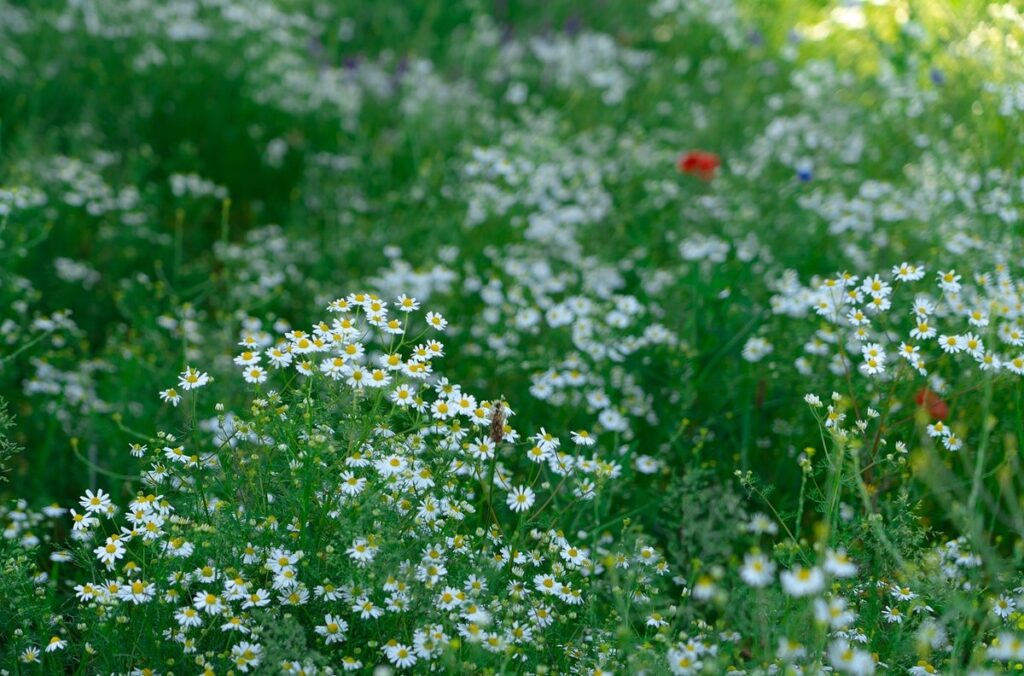
Choosing the Right Variety
When growing chamomile, choosing the right variety is crucial for success. There are several types to choose from, each with its own unique characteristics and growing requirements.
Understanding Chamomile Types
When it comes to growing chamomile, understanding the different types available is crucial for selecting the right variety for your garden. Two of the most common types of chamomile are German and Roman, each with its unique characteristics that set them apart.
German chamomile (Matricaria recutita) has a more delicate appearance than its counterpart, with smaller flowers and a more compact growth habit. This type is often preferred for its easier cultivation and faster maturation period, typically taking around 60 to 90 days to bloom. German chamomile is also more susceptible to drought, but it’s an excellent choice for those who live in areas with well-drained soil.
Roman chamomile (Anthemis nobilis), on the other hand, is a hardier and more fragrant variety that thrives in cooler temperatures. It has larger flowers and a more robust growth habit than German chamomile. Roman chamomile takes around 90 to 120 days to bloom and prefers well-drained soil with partial shade.
When deciding between these two types, consider your garden’s specific conditions, climate, and personal preferences. If you’re looking for an easier-to-grow variety that tolerates dry spells, German chamomile might be the better choice.
Selecting a Suitable Climate
When selecting a suitable climate for growing chamomile, it’s essential to consider the plant’s native origins and its adaptability to various regions. Chamomile is originally from Europe and Western Asia, where it thrives in temperate climates with moderate temperatures. Ideally, grow chamomile in USDA zones 4-9, as these zones provide the perfect balance of warmth and cold for optimal growth.
If you live in a region with extremely hot summers or harsh winters, consider growing dwarf varieties that are more resistant to heat stress and frost. For instance, German Chamomile (Matricaria chamomilla) is more tolerant of warmer temperatures than Roman Chamomile (Anthemis nobilis).
When evaluating the climate for your garden, look for regions with:
• Mild winters: Avoid areas with prolonged periods of freezing temperatures, as this can damage or kill the plant.
• Warm summers: Chamomile requires at least 60 days of frost-free weather to bloom and produce essential oils. Aim for regions with moderate summer temperatures between 65°F-75°F (18°C-24°C).
• Adequate rainfall: Chamomile prefers well-draining soil, but it also needs regular moisture. Regions with low rainfall may require more frequent watering.
By choosing the right climate for your chamomile, you’ll set yourself up for success and enjoy a bountiful harvest of this beloved herb.
Preparing the Soil
Before you start sowing chamomile seeds, it’s essential to prepare your soil to give these delicate flowers the best chance at thriving. This involves testing and adjusting the pH level to meet their specific needs.
Understanding Chamomile’s Soil Requirements
When it comes to growing chamomile, the soil conditions play a crucial role in determining its health and productivity. Chamomile prefers well-drained soil that is rich in organic matter, which helps retain moisture and suppress weeds.
The ideal pH range for chamomile growth is between 6.0 and 7.0, slightly acidic to neutral. If your soil’s pH is too high or too low, it can lead to nutrient deficiencies, reduced growth, and increased susceptibility to diseases. To check the pH level of your soil, you can use a soil testing kit available at most gardening stores.
In terms of nutrients, chamomile requires a balanced mix of nitrogen (N), phosphorus (P), and potassium (K). A general-purpose fertilizer with a ratio of 10-10-10 N-P-K will suffice. However, it’s essential to avoid over-fertilizing, as this can lead to weak stems and reduced flower production.
To create an optimal growing environment for chamomile, aim to add at least 2-3 inches of compost or well-rotted manure to your soil. This will not only improve drainage but also provide a nutrient-rich medium for the roots to absorb.
Soil Preparation Techniques
Preparing the soil for chamomile growth is a crucial step that often gets overlooked. However, with a little effort and knowledge, you can create an optimal growing environment for your plants to thrive. One of the most effective methods is adding compost to the soil. Compost acts as a natural fertilizer, improving drainage and aeration while providing essential nutrients for chamomile growth.
When selecting a compost, look for one that is high in nitrogen and phosphorus, as these are particularly beneficial for chamomile. You can also create your own compost using kitchen scraps and yard waste. Mix 2-3 inches of compost into the top 6-8 inches of soil to achieve optimal results.
Mulch is another essential tool for preparing the soil. Apply a 2-3 inch layer of organic mulch such as straw or wood chips around the base of your chamomile plants. Mulch helps retain moisture, suppress weeds, and regulate soil temperature.
Planting and Spacing
When planting chamomile, consider the mature size of the plant and space them at least 12 to 18 inches apart for optimal growth. This will give each plant room to thrive.
Proper Sowing and Transplanting
When it’s time to sow chamomile seeds, make sure you’re doing it correctly. The ideal time for sowing depends on your location and climate. In temperate regions with mild winters, spring is the best time to sow chamomile seeds directly into the ground. However, if you live in an area with harsh winters or short growing seasons, consider starting them indoors 4-6 weeks before the last frost date.
Sow the seeds about 1/8 inch deep and 12-18 inches apart in well-draining soil. You can also sow chamomile seeds in containers, but make sure they have good drainage holes to prevent waterlogged soil.
Transplanting existing plants is another option if you’re starting with seedlings or want to refresh your crop. Harden off the seedlings by gradually exposing them to outdoor conditions over 7-10 days before transplanting. Dig a hole that’s slightly larger than the root ball, and gently spread out the roots. Water well after transplanting and keep the soil consistently moist during the first few weeks.
Keep in mind that chamomile plants can be quite aggressive and may need to be divided or transplanted every year to maintain their health and prevent overcrowding.
Interplanting and Companion Planting
When planting chamomile, it’s not just about giving it space to grow. Interplanting and companion planting can have a significant impact on its health, productivity, and pest resistance. By strategically choosing which plants to grow alongside chamomile, you can create a more diverse and resilient garden ecosystem.
One of the benefits of interplanting chamomile is that it provides shade for other plants, reducing soil temperature and preventing moisture loss. For example, planting chamomile with mint or lemongrass creates a natural shading effect, which helps to keep nearby vegetables cool in warm weather. Other suitable companion plants include calendula, dill, and nasturtiums, all of which repel pests that target chamomile.
Calendula, in particular, is known for its anti-inflammatory properties and can help to prevent root rot and other fungal diseases that affect chamomile. Meanwhile, the strong scent of lemongrass repels mosquitoes and other insects that might be attracted to chamomile’s sweet fragrance. By incorporating these plants into your garden design, you can create a harmonious coexistence between different species, promoting healthy growth and minimizing pest problems.
Watering and Maintenance
To keep your chamomile plants thriving, it’s essential to understand how to properly water and maintain them throughout their growing cycle. This involves more than just watering once in a while.
Chamomile’s Water Requirements
When it comes to watering chamomile, there’s no one-size-fits-all approach. The frequency of watering depends on several factors, including the climate you’re growing in, the type of soil your plants are rooted in, and the time of year.
In general, chamomile prefers well-draining soil that’s kept consistently moist but not waterlogged. If you live in a hot and dry climate, you’ll need to water your chamomile more frequently – ideally every 2-3 days during peak summer months. In cooler climates with moderate rainfall, you can get away with watering once a week.
The soil type also plays a significant role in determining how often to water. Sandy soils drain quickly and may require daily watering, while clay soils retain moisture longer but need less frequent watering. During periods of drought or intense heat, increase the frequency of watering to prevent stress on your plants.
Keep an eye on your chamomile’s response to watering – if the leaves start to wilt, it’s time to water again. Be cautious not to overwater, as this can lead to root rot and other issues.
Mulching and Pruning Techniques
Mulching around chamomile plants serves several purposes. It helps retain moisture in the soil, suppress weeds that can compete with chamomile for water and nutrients, and regulate soil temperature. Organic mulch such as wood chips or bark is ideal for this purpose. Spread a 2-3 inch layer of mulch around the base of the plant, keeping it a few inches away from the stem to prevent rot.
Proper pruning techniques can encourage bushy growth in chamomile plants while preventing excessive flowering. Pinch off flower buds as soon as they appear to direct energy towards leaf production and promote a fuller plant. Remove any weak or spindly stems to maintain a neat shape and encourage branching. Prune back the entire plant by one-third to one-half in the spring to control height and encourage new growth.
Regular pruning will also help prevent chamomile from flowering too much, which can lead to seed production and reduce leaf yield.
Common Issues and Solutions
As you embark on growing chamomile, you may encounter some common challenges that can affect your plant’s health and productivity. We’ll address these issues head-on in this section.
Identifying Pests and Diseases
Chamomile is susceptible to various pests and diseases that can affect its growth and yield. Aphids and whiteflies are common pests that feed on the plant’s sap, causing curled or distorted leaves and stunted growth. To prevent infestations, inspect your plants regularly and introduce natural predators like ladybugs or lacewings.
Powdery mildew and root rot are two prevalent diseases affecting chamomile. Powdery mildew is characterized by a white, powdery coating on the leaves, while root rot causes the stems to turn yellow and the leaves to wilt. To prevent these issues, ensure good air circulation around your plants and avoid overwatering.
If you notice any signs of pests or diseases, take action promptly. For example, treat aphid infestations with insecticidal soap or neem oil. For powdery mildew, use a fungicide specifically designed for herb gardens. Regularly inspect your plants’ roots to prevent root rot by repotting them in well-draining soil.
To maintain the health of your chamomile plants, practice good gardening habits like rotating crops and removing weeds that can harbor pests and diseases. By being proactive and monitoring your plants closely, you can prevent common issues and enjoy a bountiful harvest of fragrant, healthy chamomile flowers.
Addressing Soil-Related Problems
When growing chamomile, soil-related problems can be a significant issue. Soil pH, for instance, plays a crucial role in determining the success of your crop. Chamomile thrives in slightly acidic to neutral soil with a pH range between 6.0 and 7.0. If your soil is too alkaline or too acidic, it can impact nutrient availability, resulting in poor growth.
Nutrient deficiencies are another common problem that can occur due to incorrect fertilization. Chamomile requires moderate levels of nitrogen, phosphorus, and potassium. A balanced fertilizer with a ratio of 10-10-10 N-P-K should be applied regularly during the growing season. However, over-fertilization can also harm your plants, so it’s essential to monitor soil nutrient levels and adjust fertilization accordingly.
Regularly testing your soil and adjusting its pH as necessary will help prevent these problems. Additionally, using organic amendments like compost or well-rotted manure can improve soil structure and fertility. This simple approach can go a long way in creating an ideal environment for healthy chamomile growth.
Frequently Asked Questions
How to ensure my chamomile plants are disease-resistant?
Disease-resistance is often a result of good soil preparation, proper spacing, and regular watering habits. Ensure your plants receive adequate air circulation, which can be achieved by providing enough space between each plant (about 12-18 inches). Regularly inspect your plants for signs of pests or diseases, such as yellowing leaves or powdery mildew, and address any issues promptly.
Can I grow chamomile in containers if my garden doesn’t have suitable soil?
Yes. Chamomile can thrive in containers with well-draining potting mix specifically designed to promote healthy root growth. Choose a container that is at least 6-8 inches deep and has drainage holes to prevent waterlogged soil. Fertilize regularly, using an organic fertilizer, to support the plant’s growth.
How do I know if my chamomile plants are getting enough sunlight?
Chamomile requires full sun (at least 4-6 hours of direct sunlight) to produce optimal yields. If your garden receives partial shade or has dense tree cover, consider providing supplemental lighting using grow lights to ensure your chamomile plants receive sufficient light.
Can I harvest chamomile flowers at any time during the growing season?
Yes. Chamomile flowers are typically ready for harvest when they’re in full bloom and have reached their peak fragrance and color. You can harvest individual flowers or entire stalks as needed, although it’s best to leave some stems intact to promote continuous blooming.
How often should I prune my chamomile plants to maintain their shape?
Regular pruning is essential to keep your chamomile plants bushy and healthy. Prune your plants regularly, removing any dead or damaged leaves or flowers, to encourage new growth and prevent the plants from becoming leggy. You can also cut back the stems in late fall or early spring to control the plant’s height and promote a fuller appearance.