
If you’re looking to give your garden a natural boost, consider incorporating cover crops into your planning. These unsung heroes work behind the scenes to improve soil health, reduce erosion, and increase biodiversity. By planting cover crops between growing seasons, you can create a more resilient ecosystem that’s better equipped to handle pests, diseases, and extreme weather conditions. But before you start sowing, it’s essential to understand the benefits and challenges of using cover crops in your garden. In this article, we’ll delve into the world of cover crops, exploring how they can improve soil quality, reduce weed growth, and attract beneficial insects – all while being mindful of potential drawbacks like competition with desired plants and management requirements.
What Are Cover Crops and Why Use Them?
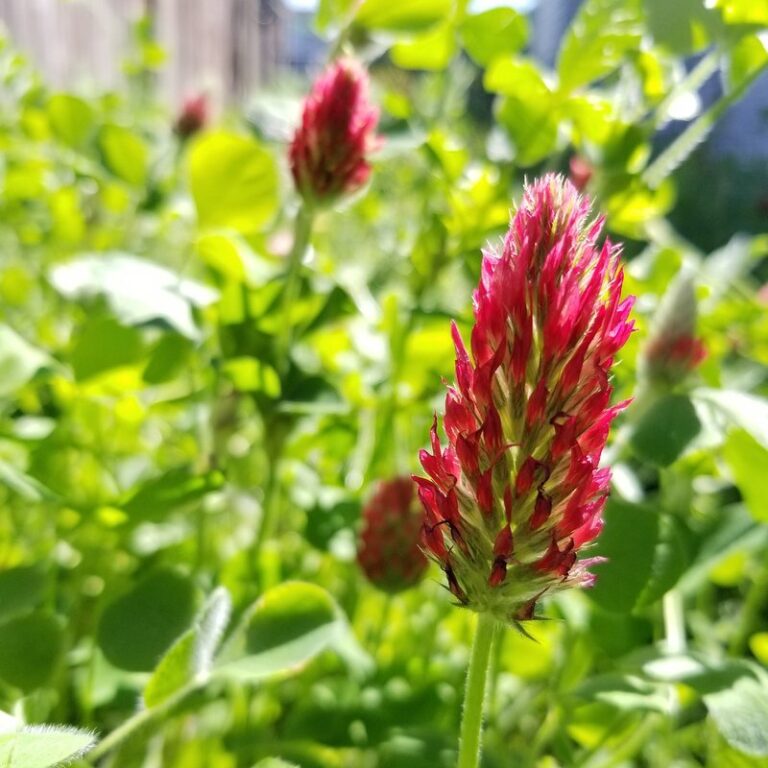
So, you might be wondering what all the fuss is about when it comes to cover crops – let’s start by defining what they are.
Benefits of Using Cover Crops
Incorporating cover crops into your garden planning can have numerous benefits that will enhance the overall health and productivity of your soil. One of the most significant advantages is reduced soil erosion. When you plant cover crops, they help hold the soil in place, preventing it from being washed or blown away by wind or water. This is especially important for gardens with slopes or those located in areas prone to heavy rainfall.
In addition to reducing soil erosion, cover crops also improve soil health. They add organic matter, increase soil fertility, and support beneficial microorganisms that help break down nutrients. For example, winter rye can be used as a cover crop to add nitrogen to the soil, while clover can fix atmospheric nitrogen. This can lead to improved plant growth, increased yields, and reduced fertilizer needs.
By incorporating cover crops into your garden plan, you can also increase biodiversity. Cover crops attract beneficial insects, such as pollinators and predators of pests, which can help reduce pest management needs. They also provide a habitat for beneficial microorganisms that contribute to soil health. For example, planting a mix of annuals and perennials can create a diverse ecosystem that supports a wide range of wildlife.
Types of Cover Crops Suitable for Gardens
When it comes to choosing cover crops for your garden, there are several types that can benefit your soil and plants. Legumes are an excellent choice, as they have the ability to fix nitrogen in the soil, reducing the need for synthetic fertilizers. Examples of legume cover crops include clover, beans, and peas. These plants not only improve soil fertility but also attract beneficial insects like bees and butterflies.
Grasses, on the other hand, are ideal for areas with heavy erosion or poor drainage. They help hold the soil in place, preventing nutrient loss and reducing the risk of soil compaction. Annual ryegrass and winter rye are popular options that can be planted as a cover crop to stabilize the soil.
Brassicas, like broccoli and kale, also make great cover crops due to their ability to break down compacted soil layers and improve drainage. These plants can help reduce weeds and pests in your garden while providing a source of nutrients for future crops. By incorporating these diverse types of cover crops into your gardening routine, you can create a balanced and thriving ecosystem that benefits both your plants and the environment.
Choosing the Right Cover Crop for Your Garden
Selecting the perfect cover crop can feel overwhelming, but we’re here to guide you through the process of choosing a variety that suits your garden’s needs. With so many options available, it’s essential to consider several factors.
Assessing Soil Type and Climate
When it comes to selecting the perfect cover crop for your garden, understanding your soil type and climate conditions is crucial. This will not only help you choose a cover crop that thrives in those conditions but also ensure optimal growth and benefits.
To determine your soil type, dig a small hole about 12 inches deep and examine the color, texture, and structure of the soil. For example, clay soils tend to be dense and heavy, while sandy soils are light and loose. You can also use online tools or consult with a local nursery expert for guidance.
Next, assess your climate conditions by considering factors like temperature, precipitation, and sunlight exposure. Are you living in an area with hot summers and cold winters? Or perhaps you experience mild temperatures year-round? This will help you determine whether your cover crop needs to be drought-tolerant or heat-sensitive.
Consider your local USDA Hardiness Zone, which ranges from 1 (coldest) to 12 (warmest). Choose a cover crop that’s suitable for your zone and can thrive in the specific climate conditions. For instance, oats and rye are great options for cooler climates, while cowpeas and sunflowers perform well in warmer zones.
By understanding your soil type and climate conditions, you’ll be able to select the best cover crop for your garden, ensuring a successful and beneficial growth season.
Factors Affecting Cover Crop Selection
When choosing the right cover crop for your garden, several factors beyond soil type and climate come into play. Available space is a significant consideration, as you’ll want to select a cover crop that thrives in the amount of sunlight and space your garden receives.
Gardening goals also play a crucial role in selecting the right cover crop. For example, if you’re looking to attract pollinators or improve soil health, you may opt for a nitrogen-fixing legume like clover or beans. On the other hand, if you’re trying to suppress weeds, a dense mat-former like rye or oats might be a better choice.
Additionally, potential pest or disease issues in your garden can influence cover crop selection. If you have a history of pests like aphids or whiteflies, you may want to choose a cover crop with natural resistance to these pests, such as buckwheat or sunflowers.
Planting and Managing Cover Crops
To successfully incorporate cover crops into your garden, you’ll need to learn how to plant and manage them effectively, from choosing the right varieties to controlling weeds.
When to Plant Cover Crops
When it comes to planting cover crops, timing is everything. The optimal time for planting depends on various factors such as region, climate, and soil temperature. In temperate climates, the best time to plant cover crops is typically after the main crop has been harvested or when the summer heat begins to subside.
In regions with mild winters, cover crops can be planted in late winter to early spring. This allows for a head start on the growing season and provides a much-needed boost to soil health before the next crop cycle. For example, planting oats or rye in February or March can help to suppress weeds, improve soil structure, and increase fertility.
In areas with harsh winters, it’s best to plant cover crops after the last frost date has passed. This typically occurs around late April or early May. Choosing cold-tolerant varieties such as winter rye, hairy vetch, or crimson clover can help ensure success even in cooler conditions.
Keep in mind that soil temperature is also crucial when planting cover crops. Wait until the soil has warmed up to at least 40°F (4°C) for optimal growth and germination.
Tips for Successful Cover Crop Establishment
When it comes to establishing cover crops, many gardeners overlook some crucial steps that can make all the difference. To set yourself up for success, start by selecting the right seed for your climate and soil type. Consider factors like maturity date, growth habit, and suitability for rotational purposes.
Next, ensure you’re sowing at the correct rate – too few seeds won’t provide adequate cover, while too many can lead to overcrowding. Aim for a target density of 10-20 seeds per square foot, depending on the specific variety. When sowing, mix the seeds into the top inch of soil to avoid washing them away during watering.
Proper maintenance is also key. Keep the soil consistently moist during germination and establishment, but avoid overwatering once the crop has matured. Regularly monitor for pests and diseases, taking prompt action if issues arise. By following these guidelines, you’ll be well on your way to a thriving cover crop that provides benefits to both your garden and the environment.
Integrating Cover Crops into Your Garden Planning
Now that you’ve chosen your cover crops, let’s talk about how to seamlessly integrate them into your garden planning for a thriving and diverse ecosystem. This section will walk you through some practical tips and strategies.
Companion Planting Strategies
When integrating cover crops into your garden plan, it’s essential to consider companion planting principles. Companion planting is the practice of growing different plants together to improve growth, health, and productivity. By choosing compatible cover crop varieties, you can create a diverse and thriving ecosystem that benefits from the strengths of each plant.
For example, marigolds repel nematodes, which can harm tomatoes, while nasturtiums deter aphids and whiteflies. Planting these flowers with your tomato crop can help reduce pest issues. Legumes like clover or beans fix nitrogen in the soil, making it available to other plants like lettuce and spinach.
To implement companion planting strategies, start by identifying the specific needs of each plant in your garden. Research which cover crops will benefit from their growth and vice versa. Consider factors like light requirements, moisture needs, and pest resistance when selecting companion plants. By thoughtfully combining cover crops with existing crops, you can create a resilient and diverse garden ecosystem that promotes healthy growth and reduces the need for external inputs.
Designing a Cover Crop Rotation Plan
When designing a cover crop rotation plan, it’s essential to consider the specific needs of your garden and choose a mix of cover crops that will provide optimal benefits while minimizing potential drawbacks. Begin by identifying the goals you want to achieve through your cover crop rotation plan, such as improving soil health, reducing erosion, or attracting beneficial pollinators.
To create an effective rotation plan, start by selecting 3-5 different types of cover crops that complement each other in terms of growth habits, nutrient uptake, and pest resistance. For example, you might choose a legume like clover to fix nitrogen, followed by a grassy species like rye or oats to provide erosion control. Consider the specific needs of your soil and climate as well – for instance, if you have heavy clay soil, you may want to opt for cover crops that are more drought-tolerant.
When rotating cover crops, plan to plant them in blocks rather than individual rows to allow for efficient planting and harvesting. Also, be sure to stagger the planting dates so that each crop has a chance to mature before being cut or incorporated into the soil. This will help prevent overcrowding and promote healthy growth.
Benefits of No-Till or Reduced-Till Gardening with Cover Crops
When implemented correctly, no-till or reduced-till gardening with cover crops can bring numerous benefits to your garden’s health and productivity. Let’s explore these advantages up close.
Reducing Soil Disturbance
When you incorporate cover crops into your garden, it’s essential to adopt no-till or reduced-till practices to minimize soil disturbance. This approach has numerous benefits for the health and structure of your soil.
One primary advantage is that minimizing tilling helps preserve soil organic matter, which is crucial for nutrient cycling, water retention, and overall soil fertility. When you till excessively, you disrupt this delicate balance by breaking down aggregates and releasing stored carbon into the atmosphere. By contrast, no-till or reduced-till methods allow these beneficial microorganisms to thrive.
This practice also helps reduce erosion and runoff by keeping the soil intact. A study published in the Journal of Environmental Quality found that cover crops with minimal tillage significantly decreased sediment loss compared to conventionally tilled plots.
To implement this method effectively, start by choosing cover crop species suitable for your climate and region. Plant them at the right time, usually after harvest or before the next planting season. When it’s time to prepare the soil for new growth, use a gentle tool like a fork or cultivator to loosen the top layer without disturbing deeper soil structures.
By adopting no-till or reduced-till practices with cover crops, you’ll not only maintain healthier soil but also reduce your garden’s environmental footprint.
Enhanced Soil Ecosystem Services
When implemented correctly, no-till or reduced-till gardening with cover crops can significantly enhance soil ecosystem services. One of the primary benefits is increased water retention, which is crucial for maintaining soil health and supporting plant growth. Cover crops, such as winter rye or clover, help to stabilize soil particles and improve its structure, allowing it to absorb and retain more water.
Improved nutrient cycling is another key advantage of this approach. Cover crops act as a “green manure,” fixing nitrogen in the soil through symbiotic relationships with beneficial microorganisms. This process enriches the soil’s fertility, reducing the need for synthetic fertilizers. For example, a study published by the US Department of Agriculture found that cover crops can increase soil carbon levels by up to 40%, leading to improved water retention and reduced erosion.
To harness these benefits in your own garden, consider planting cover crops between crop rotations or at the end of each growing season. Be sure to incorporate them into the soil before tilling to maximize their effectiveness.
Challenges and Limitations of Cover Crops in Gardens
While cover crops offer numerous benefits, there are also some challenges and limitations to consider when incorporating them into your garden. Let’s explore these potential drawbacks together.
Common Issues with Cover Crop Establishment
One of the most common issues with cover crop establishment is poor germination rates. This can be due to a variety of factors including inadequate seed quality, poor soil temperature, and insufficient moisture. If you’re experiencing low germination rates, ensure that you’re using high-quality seeds specifically designed for your region’s climate and soil type.
Another challenge is excessive weed competition, which can outcompete the cover crop and hinder its growth. This is particularly true in areas with dense populations of weeds such as crabgrass or quackgrass. To minimize weed competition, it’s essential to prepare the soil thoroughly before planting cover crops. Use a combination of tillage and mulching to create an environment that favors the growth of your chosen cover crop.
In some cases, excessive rainfall or irrigation can also lead to reduced establishment success. To mitigate this risk, choose cover crop varieties that are tolerant of excess moisture and ensure that you’re not overwatering.
Strategies for Overcoming These Obstacles
One of the most significant challenges gardeners face when implementing cover crops is their limited knowledge on how to manage them effectively. To overcome this obstacle, start by learning about different types of cover crops and their requirements. For instance, legumes like clover or beans require less maintenance than brassicas like kale or broccoli, which need regular watering and weeding.
To ensure successful implementation, plan ahead and choose the right cover crop for your garden’s specific needs. Consider factors such as climate, soil type, and pest management strategies when selecting a cover crop. You can also consult with local nurseries, extension offices, or online resources to gain valuable insights.
Another common issue is dealing with existing weeds that compete with cover crops for water and nutrients. To address this, use targeted weeding methods like hand-pulling or using shallow cultivators. Additionally, prepare your soil adequately before planting cover crops by removing debris and loosening the topsoil.
Incorporating a diverse mix of cover crops can also help mitigate pests and diseases that might affect specific plants. By rotating different types of cover crops seasonally, you can create a balanced ecosystem that promotes biodiversity and reduces the need for pesticides.
Putting It All Together: Creating a Sustainable Garden with Cover Crops
Now that you’ve learned how to choose, plant, and care for cover crops, it’s time to put them all together in a sustainable garden plan. We’ll show you how to integrate cover crops into your existing garden design.
Combining Multiple Strategies
Creating a holistic garden plan that combines the benefits of cover crops, no-till or reduced-till gardening, and companion planting is easier than you think. By integrating these three strategies, you’ll be able to create a sustainable garden ecosystem that minimizes soil erosion, reduces water consumption, and promotes healthy plant growth.
Start by identifying which areas of your garden can benefit from the combined approach. Consider planting cover crops in high-traffic zones or areas where soil compaction is an issue. Companion plants like marigolds, nasturtiums, and calendula repel pests that target common vegetables, making them perfect companions for your tomato or squash plants.
To implement no-till or reduced-till gardening alongside cover crops, focus on preparing the soil in advance by adding compost and organic matter. This will reduce the need for tilling and minimize soil disturbance. As you plant your cover crops, incorporate companion plants around them to create a diverse and resilient garden ecosystem. For example, planting nitrogen-fixing legumes like beans or peas alongside vegetables that require high levels of nitrogen will optimize growth and minimize fertilizer use.
By combining these strategies, you’ll be able to create a thriving and sustainable garden that benefits from the strengths of each approach.
Monitoring Progress and Adjusting as Needed
As you begin to enjoy the benefits of cover crops in your garden, it’s essential to remember that monitoring and adjusting are ongoing processes. Just like any other living ecosystem, your garden will change over time, influenced by factors such as climate, soil conditions, and pest populations.
To ensure continued success with your cover crop garden, keep a close eye on its progress. Look for signs of stress, disease, or pests, and address these issues promptly to prevent them from spreading. For example, if you notice that your winter rye is struggling due to dry weather, consider installing a drip irrigation system to provide it with the necessary moisture.
As the seasons change, assess the performance of each cover crop variety and adjust accordingly. Consider factors like growth rates, soil health improvement, and weed suppression when making decisions about which crops to rotate in or out. By regularly monitoring your garden’s progress and adjusting as needed, you’ll be able to fine-tune its productivity and maintain a thriving ecosystem that supports the needs of both plants and beneficial insects alike.
Frequently Asked Questions
Can I plant cover crops alongside my existing garden beds, or do they need to be a separate area?
You can integrate cover crops into your existing garden beds, but it’s essential to consider the mature height and spread of the cover crop variety you choose. Some cover crops, like winter rye or hairy vetch, can grow quite tall (up to 3-4 feet) and may compete with your desired plants for water and nutrients. If you want to plant cover crops alongside existing beds, choose varieties that are compact or trailing, such as clover or purslane.
How do I know which cover crop is suitable for my specific climate and soil type?
To select the right cover crop for your garden, consider factors like temperature tolerance, moisture requirements, and soil pH. For example, if you live in a region with extreme heat or cold, choose a cover crop that’s tolerant of those conditions, such as rye or clover. If your soil is heavy clay or sandy, opt for cover crops that prefer well-draining soils, like oats or alfalfa.
Can I use cover crops as a natural pest control and attract beneficial insects?
Cover crops are an excellent way to attract beneficial insects and improve biodiversity in your garden. For example, planting clover or beans can attract pollinators and other beneficial insects. Comfrey, with its deep taproots, can also help bring up nutrients from the subsoil, making them available to your desired plants.
Do I need to remove cover crops before planting my main crop?
Yes, it’s generally best to remove cover crops before planting your main crop. This is known as “mowing or incorporating” the cover crop. By doing so, you’ll create space for your desired plants and prevent competition for resources. However, if you’re using a cover crop like winter rye that can be used as a green manure (added to the soil), you can simply chop it down and leave it on the surface.
Can I use a mix of cover crops in my garden instead of planting just one type?
Using a mix of cover crops is an excellent way to create a diverse ecosystem in your garden. By choosing different types with complementary growth habits, you’ll improve soil health, reduce erosion, and attract beneficial insects. Some popular cover crop mixes include combinations like clover-hairy vetch-winter rye or oats-alfalfa-clover. Experiment with different mixes to find what works best for your specific climate and soil type.