
Growing your own delicious bell peppers can be a truly rewarding experience, but with so many varieties to choose from, it’s easy to feel overwhelmed. That’s why we’re here to help you discover the best bell pepper varieties for your garden, and provide you with the essential tips and tricks to ensure a bountiful harvest. Whether you’re a seasoned gardener or just starting out, choosing the right variety of bell pepper is crucial to its success. In this article, we’ll take a closer look at the top-performing bell pepper varieties, their ideal growing conditions, and how to troubleshoot common issues that can affect your crop. By the end of it, you’ll be well-equipped to grow vibrant, flavorful bell peppers in your own backyard!
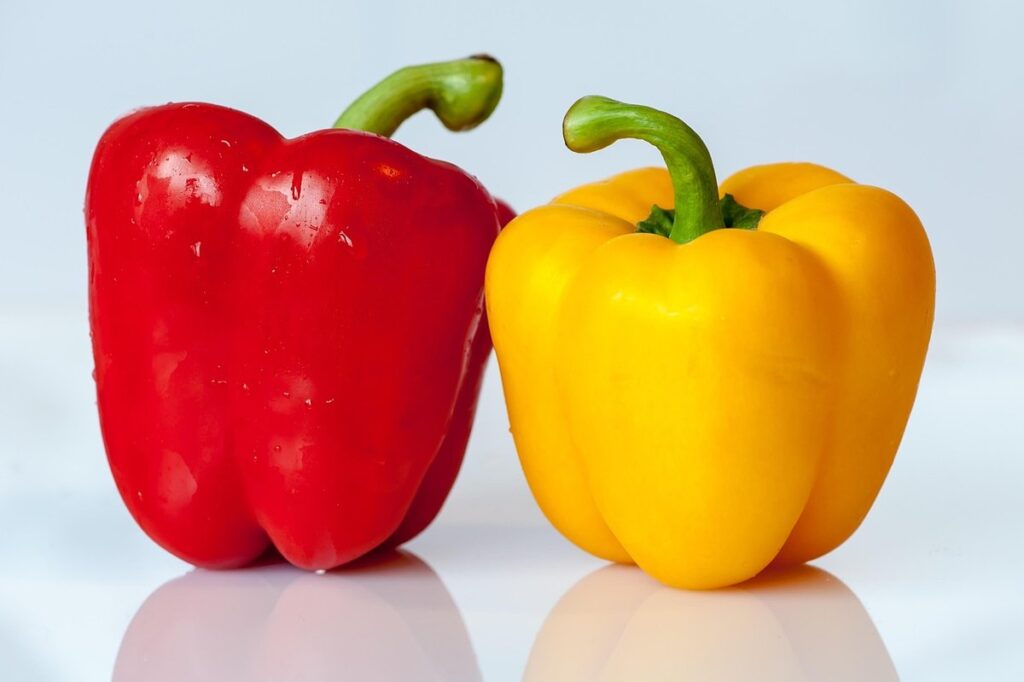
Choosing the Right Variety
When selecting a bell pepper variety, it’s essential to consider factors such as climate adaptability and disease resistance. This will help you choose the perfect peppers for your garden.
Understanding Bell Pepper Types
When it comes to growing bell peppers, understanding the different types is crucial for choosing the right variety. There are several main categories of bell peppers, each with its own unique characteristics.
Sweet bell peppers are one of the most popular varieties and come in a range of colors, including green, red, yellow, orange, and purple. They have a sweet, slightly crunchy texture and are perfect for snacking, salads, and stir-fries. When choosing sweet bell peppers, look for varieties like ‘California Wonder’ or ‘Bell Boy’, which are known for their high yields and disease resistance.
On the other hand, hot bell peppers are ideal for those who enjoy a little heat in their meals. They have a thick, glossy texture and can range from mildly spicy to extremely hot. Popular hot bell pepper varieties include ‘Jalapeno’ and ‘Serrano’, which pack a punch of flavor and spice.
In addition to sweet and hot bell peppers, there are also specialty varieties like ‘Pimento’ and ‘Cubanelle’. These have unique flavors and textures that set them apart from other types. For example, Pimento bell peppers have a milder, sweeter taste and are often used in roasted pepper dishes. Cubanelle peppers, on the other hand, have a slightly sweet and smoky flavor, making them perfect for adding depth to sauces and soups.
Regardless of the variety you choose, make sure to select seeds or seedlings that are suitable for your climate and growing conditions. This will ensure that your bell pepper crop thrives and produces the best results.
Considering Climate and Region
When choosing a bell pepper variety, it’s essential to consider the climate and region you’re growing in. Bell peppers thrive in warm temperatures between 65°F to 95°F (18°C to 35°C), with optimal growth between 70°F to 80°F (21°C to 27°C). In areas with extreme heat or cold, this can limit your choices.
In regions with short growing seasons or cool winters, compact and early-producing varieties are ideal. These include ‘Early Wonder’, ‘Baby Bell’, and ‘Sugar Rush’. For example, in the northeastern United States, where summers are warm but springs can be chilly, ‘Early Wonder’ is a popular choice for its ability to mature quickly.
In regions with hot and dry climates, such as the southwestern United States or Australia, look for varieties that are resistant to heat and drought. These include ‘California Wonder’, ‘Bell Boy’, and ‘Maverick’. For example, in California’s Central Valley, where temperatures can soar above 100°F (38°C), ‘California Wonder’ is a reliable choice due to its ability to tolerate heat stress.
Ultimately, choose a variety that suits your local climate and growing conditions. Research the specific needs of each variety and select one that will thrive in your area.
Popular Varieties for Beginners
When it comes to growing bell peppers for the first time, choosing the right variety can make all the difference. That’s why we’ve put together a list of popular and easy-to-grow bell pepper varieties that are perfect for beginners.
Some of our top recommendations include ‘California Wonder’, a classic and versatile variety that produces large, blocky bells in a vibrant green color. With its high yields and disease resistance, it’s no wonder this variety has been a favorite among gardeners for decades.
Another great option is ‘Bell Boy’, a compact and sweet variety that produces long, slender peppers with a hint of sweetness. Its bushy growth habit makes it perfect for smaller gardens or containers.
Both of these varieties are relatively easy to grow and require minimal maintenance, making them an excellent choice for beginners. They’re also both resistant to many common pests and diseases, reducing the need for pesticides and other chemicals.
Growing Conditions for Bell Peppers
To grow bell peppers successfully, it’s essential to provide them with the right climate and care. Let’s dive into the ideal growing conditions.
Soil Requirements
Bell peppers are relatively adaptable when it comes to soil conditions. However, they thrive best in well-draining, fertile soil with a pH between 6.0 and 7.0. This slightly acidic to neutral range allows for optimal nutrient uptake.
To prepare the soil for bell pepper growth, start by testing its pH level using a soil test kit. Based on the results, add lime or sulfur as needed to adjust the pH accordingly. Next, incorporate compost or well-rotted manure into the top 8 inches of soil. This will not only improve the soil‘s fertility but also enhance its water-holding capacity.
Bell peppers are heavy feeders and require a balanced diet of essential nutrients. A general-purpose fertilizer with equal N-P-K ratios (e.g., 10-10-10) can provide the necessary nutrients. For optimal growth, apply a slow-release fertilizer in early spring, followed by a balanced water-soluble fertilizer during the fruiting stage.
Keep in mind that bell peppers prefer full sun and warm temperatures to grow well. Aim for at least six hours of direct sunlight per day and maintain soil temperatures between 60°F and 70°F (15°C and 21°C) for optimal growth.
Sunlight and Temperature Needs
Bell pepper plants require an optimal balance of sunlight and temperature to thrive. When it comes to sunlight, bell peppers need full sun to partial shade, depending on the variety. Most sweet bell pepper varieties prefer at least 6 hours of direct sunlight per day, while some hybrid varieties can tolerate as little as 4-5 hours.
When it comes to temperature, bell peppers are sensitive to extreme temperatures. The ideal temperature range for growing bell peppers is between 65°F (18°C) and 85°F (29°C). Temperatures above 90°F (32°C) can lead to sunscald and stress, while temperatures below 55°F (13°C) can slow down growth.
In areas with intense sunlight, it’s essential to provide some afternoon shade for bell pepper plants. This will help prevent scorching and promote even growth. For regions with mild winters, you can start sowing seeds indoors 8-10 weeks before the last frost date. Transplant seedlings outside when temperatures are consistently above 65°F (18°C).
Watering and Irrigation
Proper watering and irrigation are crucial for growing healthy bell peppers. These vegetables require consistent moisture levels to produce well-flavored fruits and avoid stress. Aim to provide about 1-2 inches of water per week, either through rainfall or irrigation.
To determine if your soil needs more water, check the top inch of the soil by inserting your finger. If it feels dry, it’s time for watering. Avoid overwatering, which can lead to fungal diseases and root rot. Instead, use a drip irrigation system or soaker hose to deliver water directly to the roots.
Water bell peppers in the morning to allow the plants to absorb moisture throughout the day. Reduce watering during periods of high rainfall or when your soil has good drainage. Mulching around the base of the plants helps retain moisture and suppress weeds, reducing the need for frequent irrigation. By maintaining optimal watering levels, you’ll promote healthy growth and encourage bell peppers to thrive in your garden.
Supporting Healthy Growth
To ensure your bell pepper plants thrive, it’s essential to provide them with the right nutrients and care during the growth process. We’ll share our top tips for supporting healthy growth in this section.
Fertilization and Nutrient Management
When it comes to growing bell peppers, providing them with the right nutrients is crucial for optimal growth and flavor. Bell peppers require a balanced diet of nitrogen, phosphorus, potassium, and other micronutrients to produce vibrant colors, sturdy stems, and succulent flesh.
To achieve this balance, use a fertilizer that’s specifically formulated for vegetables like bell peppers. A general-purpose fertilizer with a 10-10-10 NPK ratio (nitrogen-phosphorus-potassium) is an excellent starting point. However, you can also opt for more specialized fertilizers like tomato and pepper food or a balanced fertilizer with added micronutrients.
As the growing season progresses, adjust your fertilization schedule accordingly. For example, during the initial growth stage, focus on providing high amounts of nitrogen to promote leafy growth. Later in the season, switch to phosphorus-rich fertilizers to encourage fruit development and ripening. Be mindful of over-fertilizing, as this can lead to weakened plant health and reduced yields. A general rule of thumb is to fertilize your bell peppers every 2-3 weeks during the growing season, following the manufacturer’s recommended guidelines for application rates.
Pruning and Training
Pruning and training are crucial steps in promoting healthy growth and preventing disease in bell pepper plants. By carefully shaping the plant’s structure, you can encourage more fruiting branches, increase yields, and reduce the risk of pests and diseases.
To prune a bell pepper plant, start by removing any weak or damaged leaves to prevent the spread of disease and promote air circulation. Next, identify the main stem and remove lower leaves to allow for better light penetration and water distribution. You should also remove any suckers that grow between the main stem and branches, as they can divert energy from fruiting.
For training, consider using a trellis or stake to support the plant’s growth and keep it upright. This will help maintain even spacing and prevent damage from wind or rain. Additionally, pruning and training can help promote better pollination, which is especially important for bell pepper plants that rely on insects for fertilization. By incorporating these techniques into your care routine, you’ll be well on your way to growing healthy, productive bell peppers.
Pest and Disease Management
Bell pepper plants are susceptible to various pests and diseases that can damage their growth and yield. One of the most common issues is aphids, which can transmit plant viruses and cause curled or distorted leaves. Whiteflies, on the other hand, can spread diseases like tobacco mosaic virus (TMV) and stunt the plant’s growth.
To manage these pests organically, start by inspecting your plants regularly for any signs of infestation. Use neem oil or insecticidal soap to control aphid populations, while sticky traps can help catch whiteflies. Prune infected areas to prevent the spread of disease.
Common diseases affecting bell peppers include powdery mildew and bacterial leaf spot. To prevent these issues, maintain good air circulation around your plants and ensure proper watering. Use copper-based fungicides or bactericides as a last resort, but be sure to follow the recommended application rates to avoid harming beneficial microorganisms in the soil.
For example, research has shown that using neem oil can reduce aphid populations by up to 90% within three days of treatment. By adopting integrated pest management techniques and being proactive about monitoring your plants’ health, you can significantly reduce the risk of pests and diseases affecting your bell pepper crop.
Harvesting and Storage
Now that you’ve carefully nurtured your bell pepper plants, it’s time to reap the rewards: learning how to harvest and store them for optimal flavor and longevity. Proper care will make all the difference.
Determining Maturity
When it comes to harvesting bell peppers, timing is everything. You want to pick them at the perfect moment to ensure maximum flavor and texture. But how do you know when they’re ripe? Here are some signs to look out for:
Check the color: Bell peppers will typically turn from green to their final color – whether that’s red, yellow, orange, or purple – as they ripen. For example, if you’re growing bell peppers that mature to red, check for a deep, rich red color. If they’re not yet red, but have started to take on a slightly more vibrant hue than when they were green, it may be time to pick them.
Check the stem: Gently twist the pepper to see if it comes off easily. If it does, it’s likely ripe and ready to harvest. If not, leave it for another day or two.
Avoid over-ripeness: Once bell peppers have reached their full color, they’ll start to soften and lose flavor. To avoid this, harvest them when they’re still slightly firm but fully colored.
Remember, the key is to pick your bell peppers at the peak of ripeness – not too early, not too late!
Handling and Storing Bell Peppers
When handling bell peppers, it’s essential to be gentle to avoid bruising or puncturing the skin. Use a clean towel or dry cloth to handle them, as oils from human skin can cause damage. For larger quantities, consider using a produce bag or mesh container to prevent moisture buildup and promote air circulation.
Storing bell peppers requires careful consideration of temperature, humidity, and exposure to light. Store them in a cool, well-ventilated area away from direct sunlight and heat sources. Refrigerate them at 32°F (0°C) or above for short-term storage, as temperatures below this can cause chilling injury. For long-term storage, consider maintaining an optimal relative humidity of 80-90% and storing them at around 50°F (10°C). Keep in mind that bell peppers continue to ripen after harvest, so it’s best to store them when they’re slightly green or yellow.
To extend shelf life, remove any damaged or rotting areas before storage. Store the stems facing upwards to prevent moisture from accumulating on the cut ends.
Preserving Freshness with Proper Handling
When harvesting and storing bell peppers, it’s essential to preserve their freshness to maintain their vibrant color, crisp texture, and sweet flavor. To do this, start by handling the peppers gently to avoid bruising or damaging them. Wash the peppers under cool running water to remove any dirt, debris, or bacteria.
To prevent moisture buildup and promote air circulation, store bell peppers in a dry, well-ventilated area away from direct sunlight. A temperature range of 40°F to 50°F (4°C to 10°C) is ideal for storage. You can also refrigerate the peppers, but make sure they’re not touching each other or any other produce, as this can cause moisture transfer and spoilage.
For longer-term storage, consider using containers with good airflow, such as mesh bags or paper bags with holes. Avoid storing bell peppers near strong-smelling foods, as they can absorb odors easily. By following these simple handling and storage tips, you’ll be able to enjoy your homegrown bell peppers at their peak freshness for a longer period.
Troubleshooting Common Issues
You’re likely to encounter some challenges while growing bell peppers, but don’t worry, we’ve got you covered with solutions to common issues. From pests to poor yields, we’ll tackle them all in this troubleshooting guide.
Common Problems and Solutions
Growing bell peppers can be a rewarding experience, but it’s not uncommon for growers to encounter some common problems along the way. One issue many gardeners face is yellowing leaves on their bell pepper plants. This can be caused by overwatering, underwatering, or nutrient deficiencies in the soil.
To address this problem, make sure you’re providing your plants with a well-balanced fertilizer regimen and avoiding overwatering. Check the pH level of your soil to ensure it’s within the optimal range for bell peppers (6.0-6.8). Additionally, inspect your plants regularly to catch any signs of pests or diseases that could be causing nutrient deficiencies.
Another common issue is blossom end rot, a condition characterized by a brown or black spot on the bottom of the pepper. This can be caused by calcium deficiency in the soil, so ensure you’re using high-quality potting mix and following a regular fertilization schedule. You can also try applying a magnesium-rich fertilizer to supplement your plants’ nutrient intake.
To prevent these problems from arising, start with healthy seedlings and provide them with optimal growing conditions. Regularly monitor your plants for signs of distress, and take prompt action if you notice any issues developing.
Tips for Overcoming Climate-Related Challenges
When growing bell peppers, you may encounter climate-related challenges that can impact their growth and yields. One of the primary concerns is temperature fluctuations, which can cause stress to the plants. To overcome this issue, ensure that your bell pepper varieties are tolerant of heat or cold temperatures. For instance, ‘California Wonder’ and ‘Bell Boy’ are suitable for warm climates, while ‘Sweet Mini’ and ‘Petite’ thrive in cooler conditions.
Another challenge is drought or excessive rainfall, which can lead to nutrient deficiencies or root rot. To mitigate this, implement proper irrigation practices such as drip irrigation or mulching. This will help retain soil moisture, reduce evaporation, and minimize waterlogging. Regularly monitor your plants for signs of stress and take action promptly to prevent damage.
Additionally, consider using row covers to protect your bell pepper plants from frost and temperature extremes. By employing these strategies, you can overcome climate-related challenges and enjoy a bountiful harvest of delicious bell peppers.
Frequently Asked Questions
What is the ideal time to plant bell peppers in my region?
If you’re unsure when to plant bell peppers, consider checking your local frost dates. Bell peppers are warm-season crops and prefer temperatures above 65°F (18°C). In most regions, it’s best to plant them after the last frost date in spring or early summer.
How do I know if my bell pepper plants are getting enough sunlight?
Bell peppers need full sun to produce well, so ensure they receive at least 6 hours of direct sunlight per day. If you’re growing them in a container, choose a location that receives plenty of sunlight, and consider moving the container during the winter months.
Can I grow bell peppers in containers if I have limited space?
Yes! Bell peppers can thrive in containers as long as they receive enough sunlight and have good air circulation. Use a container at least 5-7 gallons in size, with drainage holes to prevent waterlogged soil.
How often should I water my bell pepper plants during hot weather?
Bell peppers need consistent moisture, especially when fruiting. Water them deeply once or twice a week, depending on the temperature and humidity levels in your area. Aim for about 1-2 inches of water per week, either from rain or irrigation.
Can I grow multiple varieties of bell peppers together in the same bed?
Yes! Many bell pepper varieties have different growth habits and can be grown together without issues. However, consider companion planting to maximize space and benefits. For example, planting basil near your bell peppers can help repel pests and improve flavor.