
Ground cherry seeds are a hidden gem in the world of edible plants, packed with nutrients and boasting an impressive array of health benefits. Not only do they offer a rich source of antioxidants, vitamins, and minerals, but they’re also believed to possess medicinal properties that can help alleviate inflammation and promote overall well-being. But what really sets ground cherry seeds apart is their versatility in the kitchen – from adding flavor to baked goods and savory dishes to using them as a nutritious topping for yogurt or oatmeal. In this article, we’ll delve into the world of ground cherry seeds, exploring their growing requirements, nutritional profile, culinary uses, and medicinal properties, so you can discover the full potential of these tiny but mighty seeds.
What are Ground Cherry Seeds?
At its core, growing ground cherry seeds is all about understanding what these tiny treasures are and how they grow. Let’s take a closer look at the basics of ground cherry seed cultivation.
Definition and Origin
Ground cherry seeds come from a unique and fascinating plant, known botanically as Physalis pruinosa. Native to North America, this plant has adapted to thrive in various environments, including the United States, Canada, and parts of Mexico. Ground cherries are members of the nightshade family, which also includes plants like tomatoes, peppers, and eggplants.
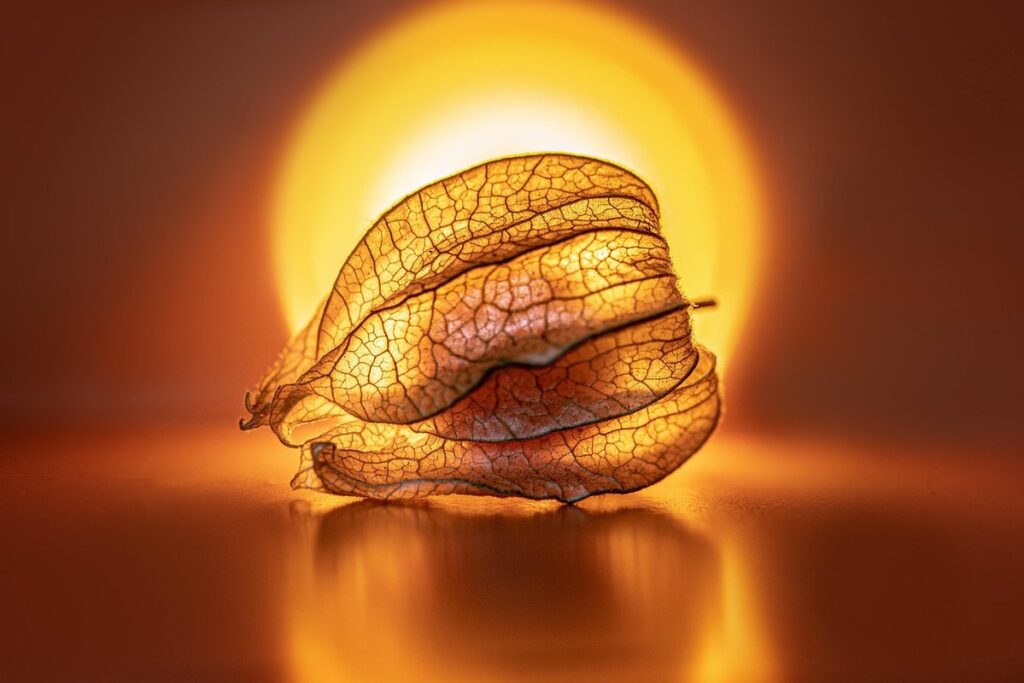
One distinctive feature of ground cherry seeds is their ability to form a papery husk around the fruit, protecting it from pests and providing an additional layer of protection during its development stage. This characteristic allows them to grow and mature in conditions where other fruits might not survive. Ground cherry plants are relatively low-maintenance and can be found growing wild in woodland areas, along streams, or in open fields.
Their adaptability makes ground cherries an attractive choice for gardeners looking to cultivate new varieties of edible produce. With proper care, ground cherry seeds can grow into healthy plants that produce delicious fruit, adding a unique flavor profile to salads, desserts, and other dishes.
Identifying Ground Cherries
When it comes to identifying ground cherries, there are several distinctive features that can help you recognize them. The first thing you’ll notice is their unique appearance. Ground cherry plants are relatively small, typically growing between 1-3 feet tall and wide. They have a compact, bushy habit with oval-shaped leaves that are about 2-4 inches long.
The flowers of the ground cherry plant are another key identifier. They’re small, white, and bell-shaped, forming clusters at the tips of the stems. The fruit itself is the most distinctive feature, however. Ground cherries are small, round fruits that range in color from yellow to orange to red, depending on the variety. They’re about 1-2 inches in diameter and have a papery husk that covers them.
When foraging for wild ground cherries, look for plants with these characteristics. In gardens, pay attention to the growth habit and flower and fruit production. With practice, you’ll become more confident in your ability to identify ground cherry plants, making it easier to grow and harvest this unique and delicious fruit.
Benefits of Growing Ground Cherry Seeds
Growing ground cherry seeds can bring a multitude of rewards, from increased self-sufficiency to enhanced garden biodiversity. In this next part, we’ll explore these advantages in more detail.
Nutritional Value
Ground cherry seeds are not only an exciting addition to your garden, but they’re also packed with nutrients that can supercharge your health. One of the standout benefits is their exceptionally high vitamin C content – one serving provides a whopping 25% of your daily recommended intake! This antioxidant powerhouse helps protect against cell damage, supports immune function, and even aids in iron absorption.
But that’s not all – ground cherries are also rich in other essential minerals like potassium, magnesium, and manganese. These micronutrients play critical roles in maintaining healthy blood pressure, bone density, and enzyme function, respectively. Furthermore, the seeds contain a unique combination of flavonoids and phenolic acids that have been shown to exhibit anti-inflammatory properties.
To reap the benefits, try incorporating ground cherry seeds into your salads, smoothies, or baked goods. You can also dry them for later use as a nutritious addition to oatmeal or yogurt. Whether you’re looking to boost your immune system or simply add some excitement to your meals, growing and using ground cherry seeds is an excellent choice – not just for their flavor, but for their impressive nutritional profile too!
Medicinal Properties
Ground cherries have been used for centuries in traditional medicine to treat a variety of ailments. One of the most well-known uses is to bring down fever. The fruit’s unique combination of sugar and malic acid makes it an effective natural remedy to reduce temperature and alleviate symptoms associated with colds and flu.
In addition to treating fever, ground cherries have also been used to soothe sore throats. The fruit’s pulp and juice contain anti-inflammatory properties that help reduce swelling and pain in the throat. To use ground cherry as a natural remedy for a sore throat, simply mash the fruit and mix it with water or honey to create a soothing lozenge.
Ground cherries are also effective in addressing digestive issues such as constipation and diarrhea. The seeds contain fiber and antioxidants that help regulate bowel movements and reduce inflammation in the digestive tract. To reap these benefits, try incorporating ground cherry jam or preserves into your diet or taking ground cherry seed supplements.
It’s essential to note that while ground cherries have been used medicinally for centuries, they may not be suitable for everyone, especially those with allergies or pre-existing medical conditions. Always consult a healthcare professional before using ground cherry seeds as a treatment.
Growing Ground Cherry Seeds from Seed
To successfully grow ground cherry seeds, you’ll need to understand the process of starting them indoors and transferring them outside when they’re ready. This is where careful planning comes into play.
Sowing Techniques
When sowing ground cherry seeds, it’s essential to create an environment that mimics their natural habitat. Start by preparing a seed starting mix or a well-draining potting soil. You can also use a mixture of perlite and peat moss for improved drainage.
If you’re planting indoors, sow the seeds 1/4 inch deep in small cells or pots filled with the prepared soil. Sow multiple seeds per cell to increase germination rates, as not all seeds will sprout evenly. Cover the seeds lightly with a thin layer of soil and water gently but thoroughly.
For direct sowing in the garden, plant the seeds 1/4 inch deep and 6-8 inches apart in late spring or early summer when the soil has warmed up to at least 55°F (13°C). Water the soil well after planting and keep it consistently moist during the germination period. Thin out the seedlings to the strongest ones, leaving about 12-18 inches of space between each plant.
Remember to sow ground cherry seeds in a location with full sun to partial shade and well-draining soil to ensure optimal growth.
Germination Rates and Expectations
When sowing ground cherry seeds, it’s essential to understand what you can expect during germination. The average germination time for ground cherry seeds is around 7-14 days, although this can vary depending on factors such as seed quality, soil temperature, and moisture.
As the seeds begin to sprout, keep an eye out for potential challenges that may affect germination rates. Overwatering or underwatering can lead to poor germination or even kill the seedlings. Ensure the soil remains consistently moist but not waterlogged during this critical period.
Another common issue is temperature fluctuations. Ground cherry seeds typically prefer temperatures between 65°F and 75°F (18°C and 24°C) for optimal germination. Avoid exposing the seeds to extreme temperatures, as this can slow down or even prevent germination altogether.
To overcome potential challenges, maintain a consistent soil temperature, keep the soil consistently moist, and provide adequate light. By following these guidelines, you should be able to achieve a successful germination rate of around 80-90%.
Caring for Ground Cherry Plants
To keep your ground cherry plants thriving, follow these essential tips on pruning, watering, and fertilizing to promote healthy growth. Proper care will reward you with a bountiful harvest of delicious fruit.
Watering and Irrigation
Watering and irrigation are crucial aspects of ground cherry plant care. These plants thrive in well-draining soil with adequate moisture, but they’re susceptible to overwatering, which can lead to root rot and other issues.
To water your ground cherry plants effectively, aim for about 1-2 inches of water per week. You can achieve this through a combination of rainfall and irrigation. A good rule of thumb is to check the soil moisture by inserting your finger into the soil up to the knuckle. If the soil feels dry, it’s time to water.
Avoid overhead watering, as it can lead to fungal diseases. Instead, use soaker hoses or drip irrigation systems to deliver water directly to the roots. You can also collect rainwater in barrels and use greywater from sinks, showers, and washing machines to reduce your water bill and provide a nutrient-rich supplement for your plants.
Remember to adjust your watering schedule according to weather conditions. If it’s been dry for an extended period, increase the frequency of watering. Conversely, if you’ve had consistent rainfall, you may need to reduce watering.
Fertilization and Pruning
When it comes to fertilizing your ground cherry plants, timing is crucial. As a general rule, start fertilizing your seedlings when they have 2-3 sets of leaves. For organic options, consider using a balanced fertilizer like fish emulsion or compost tea. These natural alternatives provide essential nutrients without the risk of burning your delicate seedlings.
As for inorganic options, choose a fertilizer with a slightly acidic pH to promote healthy growth. A 10-10-10 NPK (nitrogen-phosphorus-potassium) ratio works well for ground cherries. Timing is everything – avoid fertilizing during peak fruit production, as this can lead to overgrowth and reduced yields.
Pruning techniques play an essential role in promoting healthy growth and encouraging fruit production. Remove any weak or damaged branches, allowing air circulation around the plant. Cut back 1/3 of new growth each season to maintain a manageable size and encourage bushy growth. Prune your ground cherry plants after harvest, as this allows for better air circulation and reduces disease risk in the following year.
When pruning, make clean cuts at a 45-degree angle, just above a node (where a leaf meets the stem). This encourages new growth from that point, promoting healthy branching.
Harvesting Ground Cherry Seeds and Fruit
When it comes time to harvest your ground cherries, you’ll want to know when they’re ripe and how to carefully collect both the fruit and seeds without damaging them. We’ll walk through that process next.
Timing and Methods
When to Harvest Ground Cherry Seeds and Fruits
The optimal time for harvesting ground cherry seeds and fruits depends on several factors, including the variety, climate, and desired level of ripeness. Typically, ground cherries are ready to harvest 70-90 days after sowing, when the fruit has turned from green to a deep yellow or red color.
To check for ripeness, gently twist the fruit; if it comes off easily, it’s likely ripe. For seeds, wait until the fruit is fully mature and has begun to dry out on the plant. Cut the fruit stem, leaving about an inch attached to the seed, then carefully remove the seeds from the papery husk.
Handling the delicate skin of ground cherries requires care to avoid bruising or puncturing the fruit. Gently place them in a paper bag or mesh produce bag to collect and transport them without causing damage. Store harvested fruits and seeds in a cool, dry place to preserve their quality and longevity. Proper handling and storage will ensure that you enjoy your ground cherry harvest for months to come.
Preserving Ground Cherries
When you’ve finally harvested your ground cherries, it’s time to think about preservation methods that will allow you to enjoy their sweet-tart flavor throughout the year. One of the most convenient ways to preserve ground cherries is through freezing. Simply wash and dry the fruit, then place them in a single layer on a baking sheet lined with parchment paper. Once frozen solid, transfer the cherries to an airtight container or freezer bag for storage.
Dehydrating ground cherries is another excellent preservation method. This will help remove excess moisture and preserve the fruit’s nutrients. Use a dehydrator or your oven on its lowest temperature setting to dry the cherries until they reach a leathery texture. Store them in an airtight container for up to six months.
You can also use ground cherries to make delicious jams and jellies. Combine the fruit with sugar and pectin (optional) in a saucepan, bringing it to a boil over high heat before reducing the temperature to simmer until thickened. This preserve method will allow you to enjoy your ground cherries all year round on toast, biscuits, or as a topping for yogurt or ice cream.
Using Ground Cherry Seeds in Recipes
Let’s explore some creative ways to use ground cherry seeds in your favorite recipes, from baked goods to savory dishes and beyond. Get inspired by these innovative ideas!
Traditional Dishes
Ground cherry seeds have been a staple ingredient in various traditional dishes for centuries. Let’s take a journey through different cultures and explore their rich culinary heritage.
In some Native American communities, ground cherries are a vital part of the harvest season. They’re often used in a traditional dish called “ground cherry cobbler,” where fresh ground cherries are mixed with sugar and spices, topped with a crumbly crust made from flour, butter, and powdered sugar. This dessert is not only delicious but also carries significant cultural significance.
In Latin American cuisine, ground cherries are commonly used in salads, soups, and sauces. For example, in Mexico, they’re often combined with epazote, onions, and chilies to create a flavorful salsa that adds depth to tacos and grilled meats.
When working with ground cherry seeds or fruits, it’s essential to note their unique flavor profile and texture. They have a sweet-tart taste similar to pineapple, but with a softer, more delicate consistency. This makes them an excellent addition to baked goods, jams, and preserves.
Modern Twists and Ideas
One of the most exciting aspects of working with ground cherry seeds is the endless possibilities for creative experimentation. By incorporating these tiny flavor bombs into your recipes, you can add a unique twist to traditional dishes. Why not try using ground cherry jam as a sweet and tangy addition to savory sauces or braising liquids? This unexpected combination will elevate roasted meats, stews, or braises to new heights.
For baked goods enthusiasts, the seeds offer endless opportunities for innovation. Try adding them to homemade granola recipes for an added crunch and nutty flavor. You can also incorporate ground cherry jam into muffin or cake batter for a fruity surprise. The key is to experiment with small batches and adjust seasoning accordingly. Some popular pairings include incorporating ground cherries with rosemary, thyme, or citrus zest for added depth.
Consider this: using ground cherry seeds in baked goods can add moisture without the need for extra liquid, making them an excellent choice for reducing sugar content in recipes.
Conclusion: The Value of Ground Cherry Seeds
Now that you’ve learned how to grow and use ground cherry seeds, let’s talk about why they’re worth your time and effort in the garden.
Summary and Final Thoughts
Growing and using ground cherry seeds has been an enlightening experience for many gardeners, cooks, and health enthusiasts. By now, you should have a solid understanding of the benefits and uses of these unique seeds. To recap, let’s revisit some of the key points discussed throughout this comprehensive guide.
Firstly, we explored the nutritional value of ground cherry seeds, which are an excellent source of protein, fiber, and essential minerals like potassium and magnesium. These tiny seeds pack a punch in terms of health benefits, making them an attractive addition to salads, smoothies, or as a topping for yogurt or oatmeal. We also touched on their potential medicinal properties, including reducing inflammation and improving cardiovascular health.
For gardeners, growing ground cherry plants from seed can be a rewarding experience. These low-maintenance plants thrive in well-drained soil and full sun, requiring minimal care throughout the growing season. With proper harvesting techniques, you’ll be able to enjoy fresh ground cherries right on your own property.
In addition to their culinary and medicinal uses, ground cherry seeds have also been explored as a potential natural remedy for various health issues. Research has shown promising results in using these seeds to combat cancer cells, reduce stress levels, and even alleviate symptoms of menopause. While more studies are needed to confirm these findings, the possibilities are certainly intriguing.
As you continue on your journey with ground cherry seeds, remember that patience is key. Allow yourself time to experiment with different recipes, explore new uses for these versatile seeds, and tap into their potential health benefits. With a little creativity and dedication, you’ll be unlocking the secrets of ground cherry seeds in no time – and reaping the rewards of this incredible natural resource.
Frequently Asked Questions
Can I grow ground cherry seeds indoors or do they require outdoor conditions?
While ground cherries can thrive in various environments, they typically prefer full sun and well-drained soil outdoors. However, you can start them indoors in a container with good light and then transplant them outside when the weather warms up. Make sure to choose a large enough pot (at least 6-8 inches deep) to accommodate the plant’s taproot.
How long does it take for ground cherry seeds to germinate?
Ground cherry seeds usually take around 7-14 days to germinate, depending on factors like soil temperature and moisture levels. Keep the soil consistently moist but not waterlogged during this period. Once you notice tiny seedlings emerging, continue providing gentle care until they’re ready for outdoor planting.
Can I use ground cherry seeds as a substitute in recipes that call for other types of berries?
While ground cherries share some similarities with traditional berries like strawberries and blueberries, their flavor profile is distinctively sweet-tart. Feel free to experiment with ground cherry seeds in your favorite berry-based recipes, but be aware that they may add a slightly different texture due to their papery husks.
How do I store ground cherry seeds for extended periods without losing their viability?
Ground cherry seeds can be sensitive to moisture and temperature fluctuations, which may affect their germination rates. To maintain their viability, store them in an airtight container at room temperature (around 50-60°F) or refrigerate them if you won’t use them within six months. Avoid freezing ground cherry seeds, as this can damage the embryo.
Can I grow multiple varieties of ground cherries from seed?
Ground cherry plants grown from seed may exhibit varying characteristics due to genetic diversity. While it’s possible to grow different varieties from seed, the resulting plants might not be true-to-type. For more consistent results, consider propagating certified varieties through division or layering, which can help preserve desirable traits and improve yields.