
Are you looking for a delicious and nutritious way to add some excitement to your garden? Look no further than the teardrop pepper plant! These tiny, tear-drop shaped peppers are packed with flavor and goodness, making them a great addition to any kitchen. Not only do they taste amazing, but they’re also incredibly easy to grow, perfect for beginners or seasoned gardeners alike.
In this article, we’ll dive into the wonderful world of teardrop pepper plants, exploring their numerous benefits and how you can make the most of them in your own garden. We’ll cover everything from their rich nutritional profile and medicinal properties to tips on how to prevent pests and maximize your harvest. Whether you’re looking for a healthy snack or just want to add some variety to your cooking, teardrop peppers are an excellent choice. Let’s get growing!
What are Teardrop Pepper Plants?
So, you’re new to teardrop pepper plants and wondering what all the fuss is about? Let’s start by learning what makes them so unique and special.
Characteristics of Teardrop Peppers
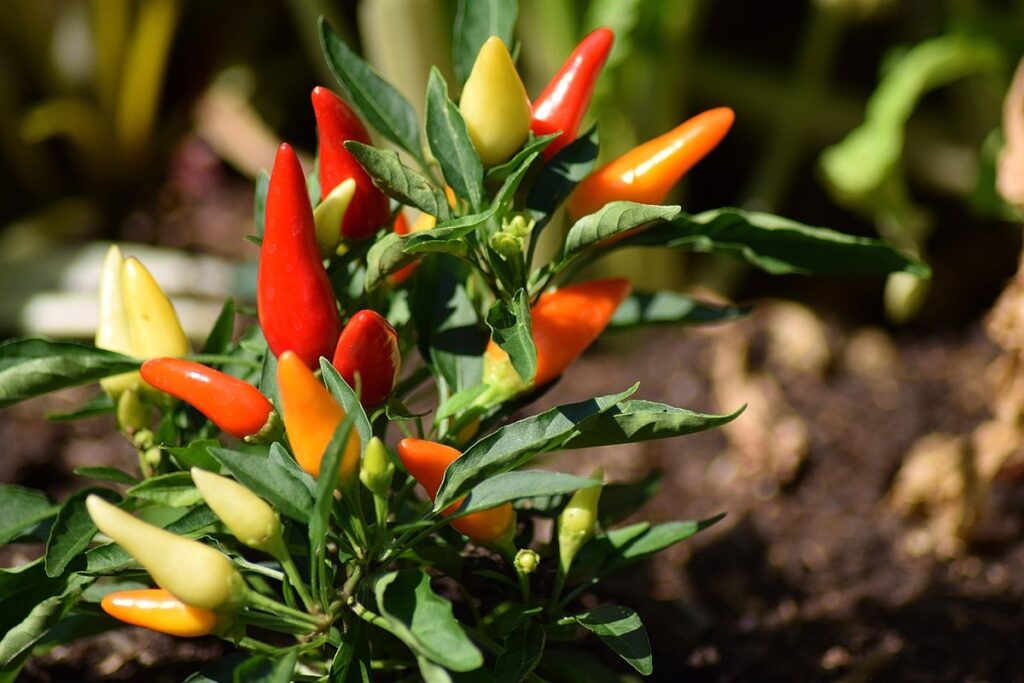
Teardrop peppers are instantly recognizable by their unique shape, size, color, and texture. Upon closer inspection, you’ll notice that teardrop peppers are typically elongated, with a rounded tip at one end and a narrower base at the other. This teardrop or bell-like shape is due to the way the pepper grows, with the top portion expanding more rapidly than the bottom.
In terms of size, teardrop peppers can range from about 3-5 inches in length, making them an excellent choice for snacking, adding to salads, or using as a topping. The color of teardrop peppers can vary depending on their ripeness and variety, but they typically start out green and gradually turn into shades of yellow, orange, red, or even purple.
The texture of teardrop peppers is crunchy and firm when ripe, with a slight sweetness that makes them perfect for snacking. When selecting teardrop peppers at the market or in your garden, look for ones that are heavy for their size, have no soft spots, and display vibrant color.
History and Origin of Teardrop Peppers
Teardrop pepper plants have been a staple in many gardens for centuries, and their rich history is as fascinating as it is flavorful. Originating from the Americas, teardrop peppers were first cultivated by indigenous tribes who prized them for their unique shape and intense heat. These early growers likely discovered the plant’s natural tendency to grow into compact, tree-like bushes, producing an abundance of fruit in a single season.
The teardrop pepper plant’s popularity eventually spread to European colonizers, who took it back to their homelands as a prized export. From there, it was introduced to gardens around the world, where it quickly gained a reputation for its ease of growth and versatility in cooking. In modern times, teardrop peppers are enjoyed not just for their culinary value but also for their ornamental appeal, adding a pop of color and texture to any garden bed.
Interestingly, many heirloom varieties of teardrop peppers have been preserved through generations, with some growers still using traditional techniques passed down from their ancestors. Whether you’re a seasoned gardener or just starting out, incorporating these stunning plants into your garden can be a rewarding experience that yields delicious results for years to come.
Benefits of Growing Teardrop Pepper Plants
Growing teardrop pepper plants can bring numerous rewards, from flavorful additions to your favorite dishes to the satisfaction of watching them thrive in your garden. Let’s explore these benefits together!
Nutritional Value of Teardrop Peppers
Teardrop peppers are not only visually stunning but also packed with nutrients that make them an excellent addition to a healthy diet. One of their standout features is their high water content, which makes them incredibly hydrating and refreshing. A single cup of sliced teardrop peppers contains about 92% water, making them one of the most water-dense vegetables out there.
In terms of antioxidants, teardrop peppers are also a powerhouse. They contain a wealth of flavonoids, carotenoids, and capsanthin, which work together to protect cells from damage caused by free radicals. This can help reduce inflammation and may even have anti-cancer properties. The antioxidant properties in teardrop peppers also make them an excellent choice for supporting eye health.
Teardrop peppers are also a rich source of vitamin C, containing about 157% of the daily recommended intake per cup. Vitamin C is essential for immune function, collagen production, and iron absorption, making it an essential nutrient for overall health. To get the most nutritional benefits from your teardrop peppers, be sure to consume them raw or lightly cooked, as heat can destroy some of these delicate nutrients.
Medicinal Uses of Teardrop Peppers
Teardrop pepper plants have been found to possess several medicinal properties that make them an attractive addition to home gardens and natural medicine cabinets. One of the most significant benefits is their anti-inflammatory capabilities. The capsaicin present in teardrop peppers has been shown to reduce inflammation and alleviate pain, making it a potential natural remedy for conditions like arthritis and fibromyalgia.
Studies have demonstrated that capsaicin can inhibit the production of pro-inflammatory chemicals, such as prostaglandins and leukotrienes. This anti-inflammatory effect can help reduce swelling and ease pain in affected joints. In addition to its anti-inflammatory properties, teardrop pepper extracts have also been found to possess antioxidant and antimicrobial activities.
To harness the medicinal benefits of your teardrop pepper plant, you can use it as a natural remedy for minor ailments like headaches or sprains. Simply chop the peppers into small pieces and add them to your bathwater or mix with olive oil for a topical treatment. As a precaution, always consult with a healthcare professional before using any new herbal remedies, especially if you have underlying health conditions or take medications.
Growing and Care Tips for Teardrop Pepper Plants
To keep your teardrop pepper plants thriving, learn our expert-approved tips on how to provide the right conditions, prune, and fertilize them effectively. This will ensure a bountiful harvest of delicious peppers.
Soil Requirements for Teardrop Peppers
When it comes to growing teardrop pepper plants, the soil quality is just as crucial as providing adequate sunlight and watering. Teardrop peppers prefer well-draining, fertile soil with a pH range between 6.0 and 7.0. If your soil’s pH level falls outside this range, consider adding organic matter like compost or manure to adjust it.
For optimal growth, teardrop pepper plants require a balanced mix of nutrients. A general-purpose fertilizer can provide the necessary nitrogen, phosphorus, and potassium for fruiting and overall health. However, avoid over-fertilizing as this can lead to weak growth and fewer peppers.
In terms of drainage, make sure your soil has good water retention while preventing waterlogged conditions. Mulching around plants helps retain moisture and suppress weeds, but ensure the mulch layer is not too thick to prevent root rot. Check the soil’s moisture by inserting a finger into it – if the soil feels dry, it’s time for watering. Aim for 1-2 inches of water per week through rainfall or irrigation.
Watering and Humidity Needs of Teardrop Peppers
When it comes to watering and humidity levels for teardrop pepper plants, getting it just right is crucial. These peppers thrive in well-draining soil with moderate moisture levels. Overwatering can lead to root rot and a range of other issues, while underwatering can cause the plant’s leaves to turn yellow.
To avoid overwatering, make sure the top 1-2 inches of soil are dry before watering your teardrop pepper plant. Water thoroughly, allowing excess water to drain from the pot. You can also check for moisture levels by inserting a finger into the soil up to the first knuckle – if it feels dry, it’s time to water.
The ideal humidity level for teardrop peppers is between 50-70%. To maintain this level, you can place the plant on a tray filled with water and pebbles or use a humidifier nearby. Monitor your plant closely during hot summer months when humidity levels tend to drop.
Aim to water your teardrop pepper plant once a week in dry climates and more frequently in areas with high rainfall. By striking the right balance between moisture and air circulation, you’ll be well on your way to growing healthy, thriving teardrop peppers.
Common Pests and Diseases Affecting Teardrop Pepper Plants
As you nurture your teardrop pepper plants, be aware of common pests and diseases that can damage them, such as aphids and powdery mildew. Regularly inspecting your plants will help prevent these issues from taking hold.
Signs and Symptoms of Common Pests and Diseases
As a teardrop pepper plant owner, it’s essential to be aware of the common pests and diseases that can affect these beautiful plants. Aphids are one of the most notorious pests that target teardrop peppers, leaving behind sticky honeydew droplets on the leaves and stems. Whiteflies also infest the plants, sucking sap from the leaves and transmitting plant viruses in the process.
Powdery mildew is a common fungal disease that causes a white, powdery coating to form on the leaves of teardrop pepper plants. This can lead to yellowing or curling leaves, stunted growth, and reduced yields. To prevent these issues, keep an eye out for tiny eggs or larvae on the underside of leaves, as well as any unusual patches or discolorations.
To manage pest infestations, use neem oil or insecticidal soap to control aphid and whitefly populations. Regularly inspect your plants for signs of disease, such as white powdery patches or yellowing leaves, and treat promptly with fungicides if necessary. Maintain good air circulation around the plants, water them carefully to avoid overwatering, and ensure adequate spacing between rows to prevent disease spread.
Organic and Chemical Controls for Pests and Diseases
Teardrop pepper plants are susceptible to various pests and diseases that can significantly impact their growth and yield. Effective control methods are crucial to preventing infestations and infections.
Organic controls are a great place to start, as they promote sustainability and reduce the risk of chemical residues on your peppers. For example, neem oil is an excellent natural pesticide that can be used to control aphids, whiteflies, and spider mites. Mix 2-3% neem oil with water and spray it on the affected areas.
When it comes to diseases, bacterial spot and powdery mildew are common issues affecting teardrop peppers. To control these fungal infections, use a fungicide specifically labeled for organic use. Copper-based products can help prevent fungal growth, but always read the label and follow instructions carefully.
If chemical controls are necessary, make sure to choose products that target specific pests or diseases and avoid using broad-spectrum pesticides that can harm beneficial insects. For instance, pyrethrin sprays can be effective against spider mites and aphids, but use them sparingly as they can also affect pollinators.
It’s essential to inspect your plants regularly and take action promptly when you notice any issues. This will help prevent infestations from spreading and reduce the need for chemical controls altogether. Remember to rotate crops, maintain good sanitation practices, and provide optimal growing conditions to promote healthy plant growth.
Tips for Harvesting and Storing Teardrop Peppers
Now that your teardrop pepper plant is thriving, it’s time to think about harvesting its bounty – but when and how do you pick these delicate peppers for maximum flavor?
When to Harvest Teardrop Peppers
Harvesting teardrop peppers at the optimal time is crucial to ensure they retain their flavor and texture. The ideal time to pick teardrop peppers depends on their color, as different stages of ripeness are associated with distinct colors. For example, immature green teardrop peppers can be harvested before they reach full maturity, but they will not have developed their full sweetness.
Wait for the peppers to turn their final mature color, which is usually a deep red or yellow, depending on the variety. This indicates that they have reached their peak ripeness and are ready for harvest. Avoid picking teardrop peppers too early, as this can lead to over-production and reduced fruit quality.
Check for signs of ripeness by gently tugging on the pepper – it should come off easily if it’s ripe. Be cautious not to pull too hard, which can damage the plant or leave a piece of the stem attached to the pepper. Regular harvesting will also encourage the plant to continue producing new peppers, promoting a continuous crop throughout the season.
To avoid overripe teardrop peppers, monitor their color and texture regularly. Overripe peppers will start to soften and may develop brown spots or wrinkles. Harvest them promptly when you notice these signs to prevent spoilage.
Storage and Preservation Methods
When it’s time to harvest your teardrop peppers, you’ll want to make sure they’re stored properly to maintain their flavor and texture. There are several methods for storing teardrop peppers, depending on how you plan to use them.
Refrigeration is a simple method that helps keep teardrop peppers fresh for a few weeks. To do this, wash the peppers gently, pat them dry with a paper towel, and store them in an airtight container in the refrigerator’s crisper drawer. This will help maintain their moisture content.
Freezing is another effective way to preserve teardrop peppers. Simply chop or slice the peppers, remove any excess air from the containers or freezer bags, and place them in the freezer. Frozen teardrop peppers can be used in soups, stews, or sauces throughout the year.
Dehydrating is also an excellent method for preserving teardrop peppers. Using a food dehydrator or your oven on the lowest temperature setting (150°F), dry sliced or chopped peppers until they’re brittle and slightly flexible. Store them in airtight containers to use in recipes or as a snack later.
Conclusion: Why You Should Grow Teardrop Pepper Plants
Now that you’ve learned all about teardrop pepper plants, it’s time to summarize the benefits and reasons why growing these unique peppers is a great idea for any gardener. Let’s recap!
Recap of Benefits and Advantages
Growing teardrop pepper plants offers an array of benefits and advantages that make them an attractive addition to any garden. Not only do they boast high nutritional value, but they also possess medicinal properties that can be leveraged for various health benefits.
The rich concentration of vitamins A and C in teardrop peppers makes them an excellent source of antioxidants, helping protect against cell damage and inflammation. The vitamin B6 content in these plants has been shown to have a significant impact on cardiovascular health by regulating homocysteine levels. Moreover, the capsaicin found in teardrop peppers is a potent pain reliever that can help alleviate symptoms associated with arthritis, fibromyalgia, and other chronic conditions.
One of the primary advantages of growing teardrop pepper plants lies in their ease of care. They are relatively low-maintenance and adaptable to various climates, making them an ideal choice for gardeners of all skill levels. To maximize the benefits of these plants, it’s essential to ensure proper pruning techniques are employed to encourage bushy growth and prevent the plant from flowering too early.
Final Tips and Encouragement for Gardeners
As you embark on your teardrop pepper plant journey, remember that growing these beautiful plants is not just about following a few guidelines – it’s about cultivating patience, persistence, and passion. Don’t be discouraged if things don’t go as planned at first; every gardener faces setbacks, but the key to success lies in learning from those mistakes.
To help you stay on track, here are some final tips to keep in mind:
* Keep your plants well-watered, but avoid overwatering, which can lead to root rot.
* Fertilize regularly with a balanced fertilizer to promote healthy growth and fruit production.
* Prune your plants regularly to encourage bushy growth and prevent them from becoming leggy.
By following these tips and maintaining a consistent routine, you’ll be well on your way to enjoying the rewards of growing teardrop pepper plants. Don’t give up – every small victory will bring you closer to harvesting those delicious peppers.
Frequently Asked Questions
Can I grow teardrop pepper plants indoors?
Yes, you can successfully grow teardrop peppers indoors, provided you give them enough light. Choose a spot with direct sunlight or use LED grow lights to supplement the natural light. Keep the temperature between 65-75°F (18-24°C) and maintain high humidity levels to mimic outdoor conditions.
How do I identify pests on my teardrop pepper plants?
Keep an eye out for common pests like aphids, whiteflies, and spider mites. Look for signs of infestation such as yellowing leaves, sticky honeydew droplets, or actual insects on the plant. Use organic controls whenever possible to maintain a balanced ecosystem.
Can I use teardrop pepper plants in medicinal applications?
Teardrop peppers have been used in traditional medicine for centuries due to their high capsaicin content. However, consult with a healthcare professional before using them for therapeutic purposes. Capsaicin can interact with certain medications or worsen underlying health conditions.
How do I store and preserve teardrop peppers for extended periods?
To keep your harvest fresh, store teardrop peppers in an airtight container at room temperature. You can also freeze or dehydrate them to preserve the peppers for longer. Freezing will help retain their flavor and nutritional value, while dehydrating is ideal for making powder or flakes.
Are there any special soil requirements for growing teardrop pepper plants?
Teardrop peppers prefer well-draining soil with a pH between 6.0-7.0. If your native soil doesn’t meet these conditions, amend it with organic matter like compost or manure to create a suitable environment for your plants to thrive.