
Are you looking for a new ingredient to add some excitement to your cooking routine? Or perhaps you’re interested in growing your own garden but don’t know where to start? Look no further than the humble chayote plant. This versatile squash is not only easy to cultivate and care for, but it’s also packed with nutrition and can be used in a variety of delicious recipes. From soups to stir-fries, chayotes are a culinary game-changer. In this article, we’ll delve into the world of chayote cultivation, including how to grow and care for your plant, its nutritional benefits, and some tasty recipe ideas to get you started. Whether you’re a seasoned gardener or just starting out, our guide will show you the full potential of the amazing chayote plant.
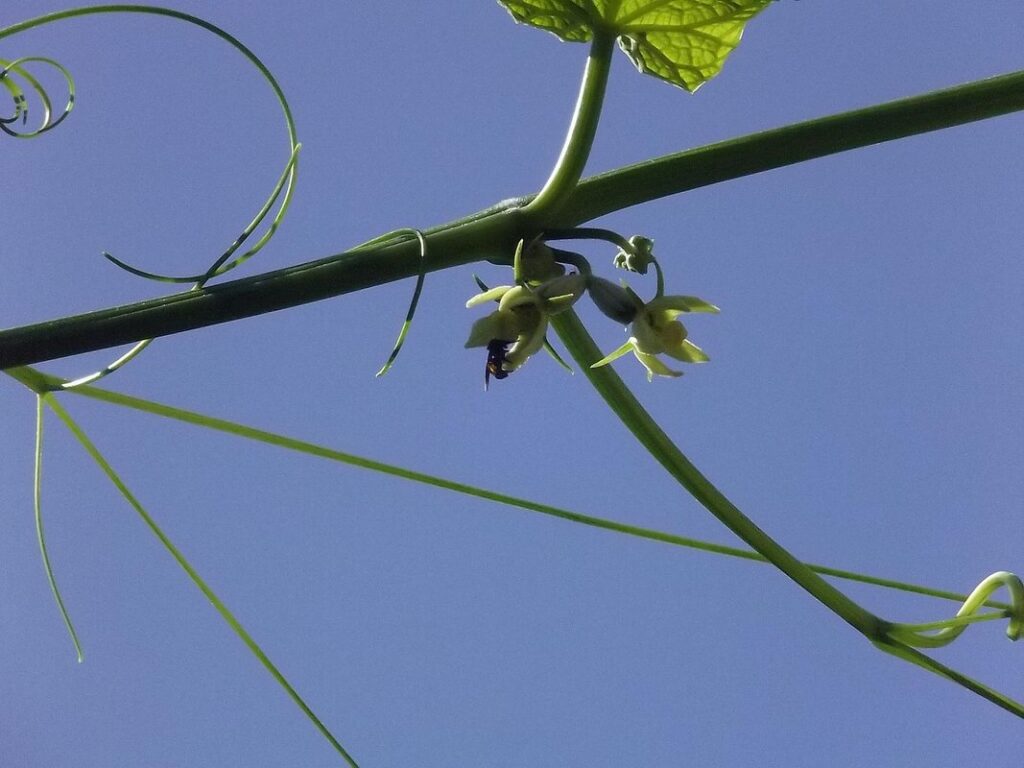
Introduction to the Chayote Plant
The chayote plant is a unique and fascinating crop, offering numerous benefits and uses for gardeners and cooks alike. Let’s start by exploring its origins, growth habits, and characteristics that make it so special.
What is a Chayote?
The chayote plant is often overlooked as a unique and valuable addition to many gardens. However, its rich history and adaptability make it an ideal choice for gardeners looking to diversify their harvests. Native to the tropical regions of Central America, the chayote plant (Sechium edule) has been cultivated for over 7,000 years.
Found in countries such as Mexico, Guatemala, and Costa Rica, this versatile vegetable thrives in warm climates with mild winters. Its ability to grow on a trellis or left to cascade on the ground makes it an excellent choice for gardeners with limited space.
The chayote plant has been used in various ways by local communities. In some regions, its fruit is pickled and served as a side dish. The seeds are also edible, providing a rich source of oil. Its versatility extends beyond food as well; the plant’s leaves and stems can be used to create dyes and natural fibers.
This brief introduction highlights the chayote plant’s history, native habitats, and uses. In the following sections, we will delve deeper into its cultivation requirements and provide guidance on incorporating this unique vegetable into your garden and daily meals.
History of Chayote Consumption
Chayote has been an integral part of human sustenance for thousands of years, with its consumption dating back to ancient civilizations in Mesoamerica. The indigenous people of Mexico and Central America revered this versatile vegetable for its adaptability, nutritional value, and ease of cultivation. In fact, the chayote was considered a staple food source by many pre-Columbian cultures, including the Aztecs and Mayans.
As Spanish conquistadors arrived in the New World, they encountered chayote as a primary food item among the native populations. They adopted it into their own cuisine, incorporating it into traditional dishes like stews, soups, and salads. From there, chayote spread throughout Europe and eventually the world, becoming an important ingredient in many international cuisines.
Today, chayote remains a vital component of Latin American, Asian, and even European cooking traditions. Its widespread acceptance is a testament to its adaptability and nutritional value. With its mild flavor and soft texture, it’s no wonder that chayote has been enjoyed by people across cultures for centuries – as a key ingredient in various recipes or simply sautéed with garlic as a side dish.
Growing Chayote Plants
To successfully grow chayote plants, start by selecting a sunny location and preparing the soil with organic matter to ensure optimal nutrient levels. This will help your chayote plant thrive.
Choosing the Right Variety
When it comes to growing chayote plants, choosing the right variety can make all the difference. With several types of chayotes available for cultivation, selecting one that suits your climate and personal preferences is essential.
One popular variety is ‘Vella’, which produces a high yield of medium-sized fruit. It’s an excellent choice for gardeners in cooler climates as it’s more resistant to frost than other varieties. Another widely cultivated type is the ‘Cuba White’, known for its large, white fruits that mature quickly. This variety thrives in warmer temperatures and is ideal for gardeners living in areas with long growing seasons.
If you’re looking to grow chayote plants in a tropical or subtropical climate, consider using the ‘Guatemalan’ variety. It’s more heat-tolerant than other types and produces smaller but more numerous fruits throughout the year. Before selecting a specific type of chayote plant for cultivation, research its growth habits, disease resistance, and fruit characteristics to ensure it aligns with your gardening needs.
Keep in mind that different varieties may have varying levels of maturity times, so choose one that fits within your growing season.
Soil and Climate Requirements
When it comes to growing chayote plants, understanding their ideal soil and climate requirements is crucial for optimal growth. Chayotes prefer well-draining, fertile soils with a pH range of 6.0-7.0. This pH level allows the plant’s nutrients to be readily available, promoting healthy growth and fruit production.
In terms of temperature, chayote plants thrive in temperatures between 65°F (18°C) and 75°F (24°C). Avoid exposing them to extreme temperatures, as this can cause stress and negatively impact fruiting. When it comes to moisture levels, chayotes require consistent watering, especially when they’re producing fruits. Aim for about 1-2 inches of water per week, either from rainfall or irrigation.
Maintaining these ideal conditions will help your chayote plants grow strong and healthy. For example, in regions with high temperatures, providing shade during the hottest part of the day can help prevent scorching. On the other hand, in areas with low temperatures, protecting the plants with mulch or a frost blanket can be beneficial.
Chayote Plant Care and Maintenance
To keep your chayote plant thriving, you’ll want to focus on providing it with the right conditions, including adequate light, water, and nutrients. Regular maintenance is key to its health and productivity.
Watering and Irrigation Techniques
Proper watering is crucial for the growth and development of chayote plants. Overwatering is one of the most common mistakes gardeners make when caring for this vegetable. It can lead to root rot, nutrient deficiencies, and even kill the plant altogether.
To avoid overwatering, ensure that your soil drains well before planting chayote. You can test the drainage by pouring water onto the soil; if it takes more than a day to drain, consider repotting with better-draining mix.
Here are some tips for watering your chayote plants:
* Water them deeply but infrequently: Instead of daily light sprinklings, give your plants about 1-2 gallons of water per week during hot summer months and less during cooler periods.
* Check the soil moisture by inserting a finger into the top inch of soil; if it feels dry to the touch, it’s time for watering.
* Reduce watering as the plant produces fruit. Chayotes need slightly less water when they’re producing flowers and fruits.
Some gardeners prefer using drip irrigation systems or soaker hoses to deliver water directly to the roots, reducing evaporation and runoff, but any method that avoids overhead watering will do.
Fertilization and Pruning Practices
Chayote plants require regular fertilization and pruning to maintain their health and encourage fruiting. Fertilizing your chayote plant provides essential nutrients for growth, while pruning helps control its size and promotes a bushy shape. For optimal results, fertilize your chayote plant every 2-3 weeks during the growing season using a balanced fertilizer with an NPK ratio of 10-10-10.
Pruning should be done regularly to encourage new growth and prevent the plant from becoming leggy. Remove any weak or damaged branches, and cut back the tips of strong stems by about one-third to encourage branching. This technique is called “tip-pinching” and helps direct the plant’s energy towards producing more fruit.
Timing is crucial when pruning chayote plants. Prune your plant in late winter or early spring before new growth begins, or during the summer months after harvesting a batch of chayotes. Avoid pruning too much at once, as this can stress the plant and reduce fruit production. By combining regular fertilization with careful pruning techniques, you’ll be rewarded with a healthy and productive chayote plant that will continue to thrive throughout the growing season.
Harvesting and Preparing Chayote
Now that you’ve learned how to grow a healthy chayote plant, it’s time to reap what you’ve sown – let’s dive into harvesting and preparing these delicious squash-like vegetables.
Identifying Mature Chayotes
When it comes to harvesting chayotes, timing is everything. You’ll know they’re ready when you notice a few visual cues. The skin should be a deep green color with slight yellow or brown undertones, and the ridges on the surface will become more pronounced as the fruit matures.
To confirm ripeness, perform a firmness test by gently squeezing the chayote. A ripe one should yield to pressure but still feel slightly springy. If it’s too soft, it may be overripe. On the other hand, if it feels hard and unyielding, it needs more time on the vine.
Another way to check for ripeness is to look for a slight yellow or brown spot at the blossom end of the fruit. This is where the stem attaches, and as the chayote matures, this area will change color. Avoid chayotes with any soft spots or cracks, as these can be signs of spoilage.
Keep in mind that chayotes continue to ripen after they’re picked, so even if a fruit doesn’t seem perfectly ripe at harvest time, it will still develop its full flavor and texture within a few days of storage.
Cooking and Recipe Ideas
Chayote is an incredibly versatile vegetable that can be used in a wide range of dishes. One of its most appealing qualities is its ability to absorb flavors and textures from surrounding ingredients, making it a great addition to soups, stews, salads, and stir-fries.
For soups and stews, try boiling or steaming chayote with aromatic spices like cumin and coriander for added depth. In Mexico, chayote is often used in a hearty soup called ‘sopa de calabacín’, where it’s simmered with chicken or beef broth and served with crusty bread.
In salads, chayote adds a delightful crunch when roasted or sautéed before tossing with mixed greens, cherry tomatoes, and a zesty vinaigrette. For a unique twist on Asian-style stir-fries, try pairing sliced chayote with marinated chicken or tofu, bell peppers, and snow peas for a colorful and nutritious meal.
To incorporate chayote into your cooking repertoire, start by exploring its texture – whether boiled, roasted, or pan-fried, it can be the star of the show or a supporting actor. Experiment with different flavor combinations to find what works best for you, and don’t be afraid to add chayote to familiar dishes for an added boost of nutrients.
Health Benefits and Nutritional Value
Chayote is not only a delicious addition to your meals, but it also offers numerous health benefits and impressive nutritional value when consumed as part of a balanced diet. Let’s dive into its key advantages for our well-being.
Key Vitamins and Minerals
Chayotes are not only delicious, but they’re also packed with essential vitamins and minerals that can boost your health. One of the standout nutrients found in chayotes is vitamin C, which is crucial for a healthy immune system. In fact, one medium-sized chayote provides about 20% of the daily recommended intake of vitamin C.
In addition to vitamin C, chayotes are also rich in potassium, an electrolyte that helps regulate fluid balance and blood pressure. With just one cup of cooked chayote providing over 10% of the daily recommended intake of potassium, it’s easy to incorporate this superfood into your diet. Chayotes also contain other important minerals like magnesium, iron, and manganese, making them a great addition to a balanced meal.
To maximize the nutritional benefits of your chayotes, be sure to consume them raw or lightly cooked to preserve their nutrient content. Simply slice or dice the chayote and add it to salads, smoothies, or sauté it as a side dish – the possibilities are endless!
Potential Health Applications
Chayote is not only a versatile vegetable to grow and cook with, but it also offers numerous health benefits when consumed. One of its most notable advantages lies in its high antioxidant content. Antioxidants are essential for neutralizing free radicals that can damage cells and lead to chronic diseases like cancer and heart disease.
Incorporating chayote into your diet may help alleviate digestive issues due to its fiber-rich properties. The vegetable’s high water content also makes it easy on the stomach, reducing symptoms of bloating and discomfort associated with consuming other vegetables. To maximize these benefits, try roasting or grilling chayote instead of boiling it, as high-heat cooking can break down some of the beneficial compounds.
Some studies have also suggested that chayote may possess anti-inflammatory properties, which could contribute to its potential in reducing the risk of certain diseases. However, more research is needed to confirm these findings. In any case, adding chayote to your daily meals can be a nutritious and delicious way to support overall health.
Pest Management and Common Issues
One of the biggest challenges you’ll face when growing chayote is dealing with pests, so it’s essential to know how to manage common issues like aphids, whiteflies, and squash bugs. We’ve got you covered with our expert tips.
Identifying Pests and Diseases
Chayote plants are susceptible to various pests and diseases that can significantly impact their health and yield. Among the common pests affecting chayote plants are aphids, whiteflies, and spider mites. These tiny insects feed on sap, causing curled or distorted leaves, stunted growth, and a sticky substance known as honeydew on the plant’s surface.
To prevent infestations, maintain good hygiene by removing weeds around the plants and disposing of any infected or damaged leaves. Regularly inspect your chayote plants for signs of pests and treat them promptly with neem oil, insecticidal soap, or horticultural oil. For severe infestations, consider introducing beneficial insects such as ladybugs or lacewings to control pest populations.
Some common diseases affecting chayote plants include powdery mildew, leaf spot, and root rot. These fungal infections can be caused by overwatering, poor air circulation, or excess moisture around the plant. To prevent disease, ensure proper spacing between plants, maintain adequate air circulation, and avoid overhead watering. Regularly inspect your plants for signs of disease and treat them with fungicides if necessary.
To identify pests and diseases effectively, observe your chayote plants regularly and take note of any unusual growth patterns, discoloration, or damage to leaves or stems. Consider consulting with a gardening expert or taking samples to a local nursery or extension office for further guidance.
Troubleshooting Tips for Chayote Growers
As you cultivate your chayote plant, you may encounter common issues that can affect its growth and productivity. Here are some troubleshooting tips to help you address these problems.
One of the most prevalent issues with chayote is powdery mildew, a fungal disease that causes white patches on the leaves. To prevent this, ensure good air circulation around your plant by pruning nearby plants or using trellises to keep the chayote upright. Regularly inspect your plant and remove any infected leaves to prevent the spread of the fungus.
Another problem you may encounter is pests like aphids, whiteflies, and squash bugs. These insects can be controlled using neem oil or insecticidal soap, which you can apply directly to the affected areas. You can also introduce beneficial insects like ladybugs or lacewings, which prey on these pests.
To combat root rot, make sure your chayote plant is not waterlogged. Check the soil regularly and adjust your watering schedule as needed. If you notice any signs of root decay, repot the plant in fresh, well-draining soil to prevent further damage.
Conclusion: Embracing the Chayote Plant in Your Garden or Kitchen
Now that you’ve learned all about growing and using chayote, it’s time to put your new knowledge into practice. Here are some final tips for incorporating this versatile vegetable into your garden and kitchen routine.
Recap of Key Takeaways
As we conclude our comprehensive guide to growing and utilizing chayote plants, let’s recap the essential points that will inspire you to incorporate these incredible vegetables into your gardening and cooking routines. By now, you’re well-versed in the benefits of chayotes, including their ease of cultivation, versatility in recipes, and impressive nutritional profile.
From planting chayote seeds or propagating them through stem cuttings, we’ve covered the various methods for getting started with growing these plants in your garden. Remember to provide a warm and humid environment for optimal growth, and be patient as they mature. By choosing the right variety for your region’s climate, you’ll be able to enjoy a bountiful harvest of this prolific producer.
We’ve also explored ways to utilize chayotes in various culinary contexts – from soups and stews to salads, stir-fries, and main dishes. Don’t forget that chayotes can be cooked at different stages of ripeness, allowing you to experiment with an array of flavors and textures. For example, unripe chayotes can be used like zucchini in baked goods or sautéed as a side dish.
Some key takeaways to keep in mind include:
* Chayotes are rich in vitamin C, potassium, and dietary fiber
* They can help support heart health, digestive function, and immune system function
* Chayote leaves and seeds are also edible and packed with nutrients
Incorporating chayotes into your diet is not only delicious but also beneficial for your well-being. With their ease of cultivation and versatility in recipes, there’s no excuse to give this incredible vegetable a try! Start experimenting with chayote-based dishes today and enjoy the numerous rewards they have to offer.
Frequently Asked Questions
Can I grow chayote plants indoors if I live in a cooler climate?
Yes, you can grow chayote plants indoors with proper care and attention to their specific needs. This includes providing them with a warm location (above 65°F/18°C) and adequate light (direct sunlight or bright artificial lighting). Make sure to monitor the temperature and humidity levels closely to ensure optimal growth.
How long does it take for chayote plants to mature?
Chayote plants typically take around 3-4 months to mature after planting. However, this timeframe can vary depending on factors such as climate, soil quality, and care practices. Regularly check the plant’s growth stages and adjust your care accordingly to ensure a successful harvest.
Can I use any variety of chayote for cooking and eating?
While most chayote varieties are edible, some might be more suitable for specific recipes or preparations. For example, ‘Piel de Sapo’ (Toad Skin) is a popular variety in Mexican cuisine, known for its smooth skin and sweet flavor. Research different varieties to find the one that best suits your cooking needs.
What are some common pests that affect chayote plants?
Common pests that can harm chayote plants include aphids, whiteflies, and squash bugs. Regularly inspect your plants for signs of infestation and use organic or integrated pest management (IPM) techniques to control any issues promptly. Keep in mind that prevention is key – maintain a healthy plant with proper care, and it will be less susceptible to pests.
How do I store harvested chayotes for later use?
Harvested chayotes can be stored at room temperature or refrigerated to prolong their shelf life. To keep them fresh for longer, make sure to dry the skin thoroughly after harvesting, then wrap the chayote in a paper bag or breathable cloth. Store them in a cool, dark place, and they should remain edible for several weeks.